
Australians get the most durable shopping trolley or wheeled bag by first matching the load, terrain, and storage space to a specific trolley type, then buying through channels that show clear specs, close-up photos, and honest reviews. For household use that usually means choosing between a fabric shopping caddy, a sturdier framed trolley, or a beach/utility cart and then comparing Australian retailers and, if you’re a small ecommerce seller, cross‑border marketplaces before committing to bulk orders.
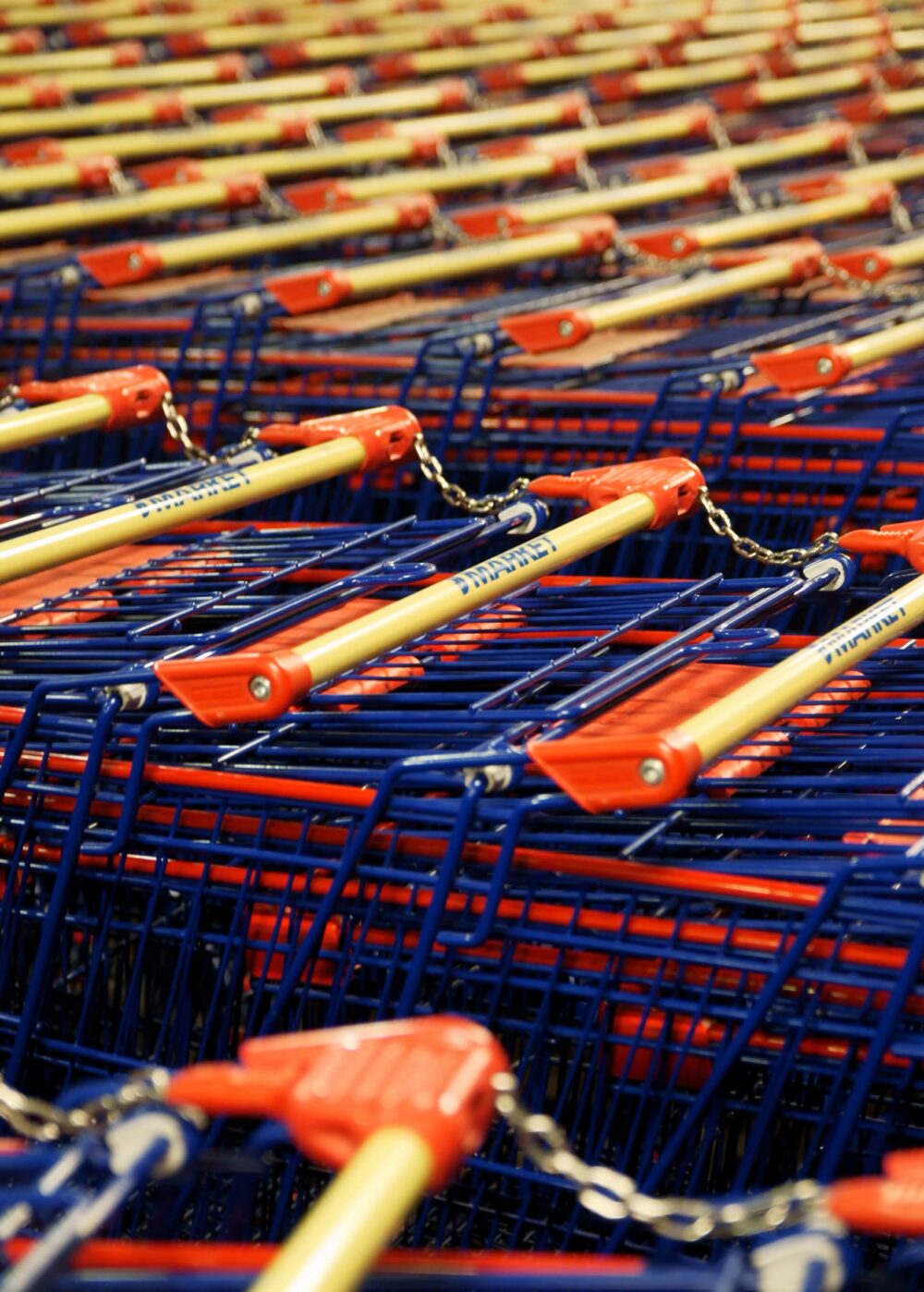
A good way to start is to decide whether you’re actually talking about a personal trolley or a shop fixture. In everyday Australian English, “trolley” covers both the wire carts you push around Woolies and the smaller personal shopping caddies used to haul groceries home. Personal trolleys are typically fabric or plastic bags mounted on a frame with two or more wheels. Store carts are larger steel or wire baskets, designed for in‑store use and usually sourced through B2B shopfitting suppliers, not consumer channels.
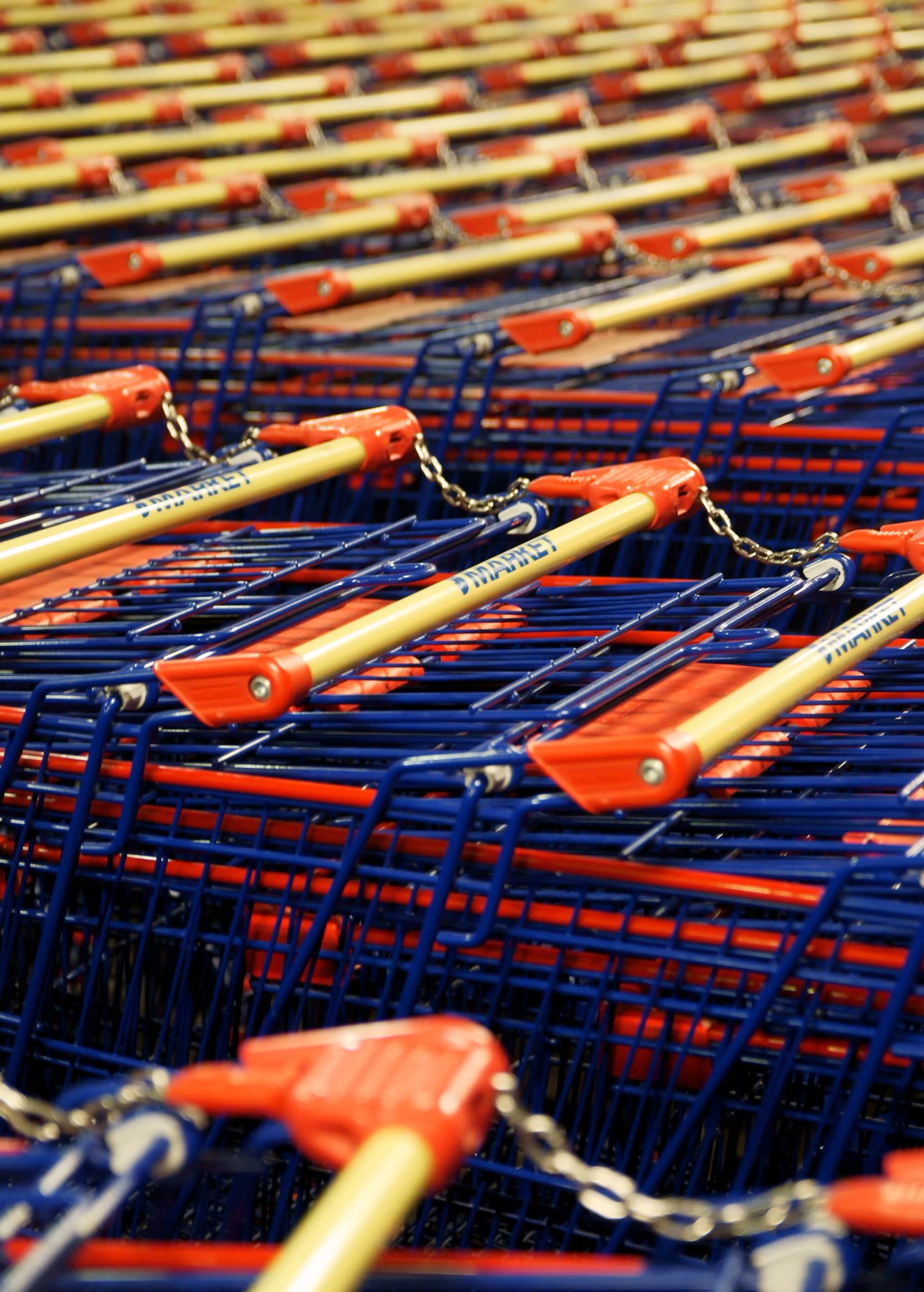
Specialist Australian sites show the split clearly. Consumer‑focused retailers like Kitchen Warehouse and Trolleyshop list personal shopping trolleys and wheeled bags in various styles. By contrast, suppliers such as Verdex and Bethel Shopfitting focus on the full‑size wire shopping carts you see in supermarkets and discount stores.
If you need something for walking to Coles or bringing groceries up an apartment lift, you’re in the personal trolley camp. If you’re fitting out an independent grocer or variety store, you’re in the retail cart camp and should be looking at Verdex‑ or Bethel‑style fixtures instead.
Common personal trolley and cart styles (with Australian examples)
Personal shopping trolleys, carts, and wheeled bags fall into a few useful buckets. The table below sketches the main types you’ll see from Australian sellers and what they’re good for.
| Trolley/cart type | Typical features | Where it fits best |
|---|---|---|
| Fabric shopping caddy | Soft bag on frame, 2 wheels, pull handle, often foldable | Walking groceries home, apartment living, seniors, public transport |
| Framed shopping trolley | Rigid metal/plastic frame, removable bag or basket, sometimes 4 wheels | Heavier loads, stairs or uneven footpaths, frequent weekly shops |
| Beach/utility cart | Wide wheels, steel or alloy frame, open tub or mesh basket | Sand, grass, campsites; hauling eskies, chairs, bulk items |
| Foldable tiered cart | Two shelves, push handle, compact folding | Small warehouses, offices, market stalls, mobile stock handling |
Fabric shopping caddies and wheeled bags. Listings on sites like Trolleyshop and Kitchen Warehouse often show classic shopping caddies: a fabric bag (cotton, polyester or oxford cloth) mounted on a lightweight frame with two wheels. Many fold almost flat, so they fit into a car boot or cupboard. These suit people walking short distances on reasonably smooth footpaths, carrying a typical weekly shop of fruit, veg, and pantry staples.
Framed personal trolleys. Some Australian consumer listings show sturdier designs with a more rigid metal frame and a removable liner or bag. These sacrifice a bit of compactness for stability and higher loads. If you’re hauling heavy bottles or regularly negotiating kerbs and uneven pavement, a framed trolley with larger wheels and a strong handle is usually more forgiving than an ultra‑light caddy.
Beach and outdoor carts. Retailers such as BCF sell beach trolleys and carts designed for sand and rough ground. Even without digging into technical specs, the product photos make a few patterns clear: they have wider wheels to stop the cart from sinking, and frames use corrosion‑resistant metals and finishes that tolerate coastal exposure. These carts are overkill for a quick run to IGA but ideal if you’re moving eskies, camp gear, or bulk groceries between car parks and picnic spots.
Foldable two‑tier carts for small businesses. Multi‑shelf trolleys like the foldable models promoted by Claxcart are aimed at offices, stockrooms, and market sellers rather than household grocery runs. They usually have a handle, two tiers for organising loads, and a folding mechanism so the entire unit can be stored in a small footprint. If you’re running a pop‑up stall or a compact warehouse, these carts make it easier to separate fragile items from bulk cartons while still rolling everything in one trip.
If you’re a small ecommerce seller, this is often the category you’ll resell—either everyday consumer caddies or more specialised beach and utility carts. Clarifying the end‑use (weekly groceries vs beach trips vs stock handling) makes it much easier to choose which designs to source.
Judging durability and picking online sourcing channels
Durability for shopping trolleys and carts mostly comes down to four things: frame material, fabric quality, wheel design, and small hardware (handles, fasteners, brackets).
For frames, look for clear descriptions and photos. Steel and aluminium are common; steel usually feels more solid, while aluminium resists rust and keeps weight down. The store‑fixture trolleys shown by Verdex and Bethel Shopfitting illustrate what robust, welded frames look like visually, even if you’re buying a smaller consumer version elsewhere.
For fabric bags, Australian product pages often call out oxford cloth or heavier‑weight polyester. When a listing mentions tear resistance or shows close‑up shots of seams, you get a better sense of whether the bag will hold up to sharp packaging corners and repeated loading. Smooth marketing copy with no material details is a red flag if you plan to carry more than a few light items.
For wheels and axles, wide wheels are better for sand and grass (as in the beach carts on BCF), while narrower wheels can be fine on smooth concrete. Look closely at how the wheels attach in photos—solid axles, nuts and bolts, and reinforced housings generally last longer than thin clip‑in designs. If you’re sourcing for resale, it can be worth checking whether replacement wheels or liners are available as accessories so customers can extend the trolley’s life.
On channels, household buyers in Australia have three main options:
- Local retail and online stores. Consumer‑oriented sites such as Kitchen Warehouse and Trolleyshop are straightforward for single‑unit purchases. You see AU‑specific styles, avoid customs surprises, and can judge quality from reviews and photos.
- B2B store‑fixture suppliers. If you need full‑size shopping carts for a shop fit‑out, B2B suppliers like Verdex and Bethel are more relevant than consumer marketplaces. They usually offer multiple trolley sizes, child seats, and optional accessories such as basket dividers.
If you’re new to cross‑border sourcing, it helps to separate platform learning from product choice. Internal resources like what DHgate is and how the marketplace works and how to find trusted sellers on DHgate cover general marketplace behaviour. Your trolley decision should stay grounded in practical questions: how heavy will the load be, over what terrain, and how often will the trolley be used?
For a small ecommerce brand, a simple workflow is:
- Validate the trolley type and features using local examples (Kitchen Warehouse, BCF, Claxcart) so you know what Australian buyers expect.
- Order one or two samples—locally or via a cross‑border marketplace—and test them with realistic loads and routes (stairs, kerbs, car parks).
- Only then decide whether local wholesale or cross‑border sourcing makes sense for your margin and risk tolerance.
That way, you’re not just chasing the lowest sticker price; you’re matching the right trolley style and build quality to how Australians will actually use it.