
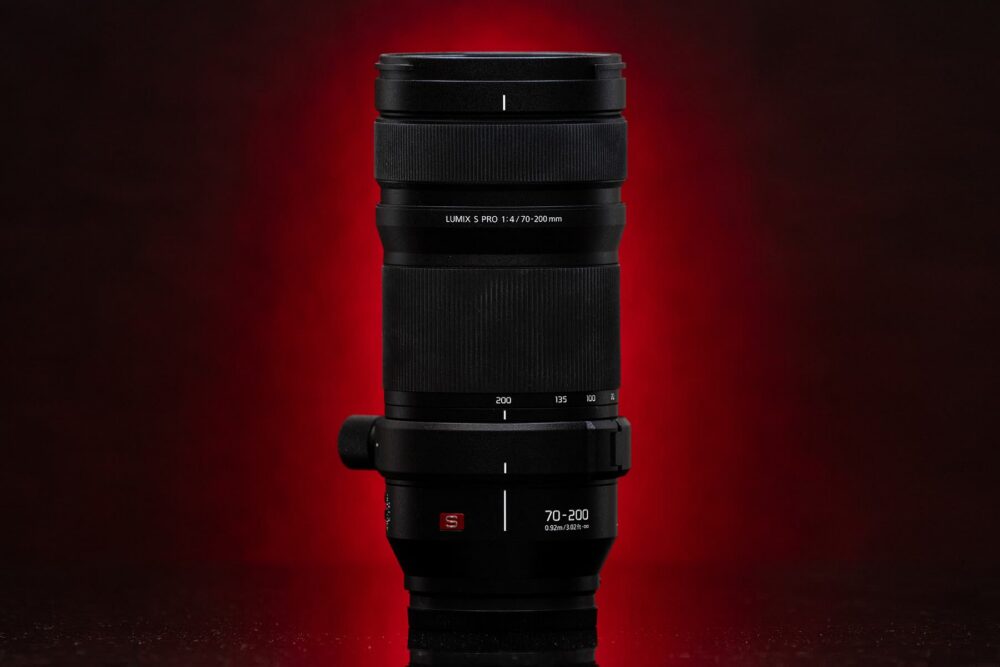
If you’re shopping for a Lumix 70-200mm lens today, expect roughly $1,500–$2,600 for a new Panasonic LUMIX S PRO 70-200mm in the US, depending on whether you choose the F4 or F2.8 version, plus tax and shipping. The F2.8 is the pricier, higher‑end option; the F4 keeps costs down while still giving you pro telephoto reach. You can bring that out‑of‑pocket number down with used gear, promotions, or cross‑border sourcing—but only if the savings survive shipping, fees, and risk.
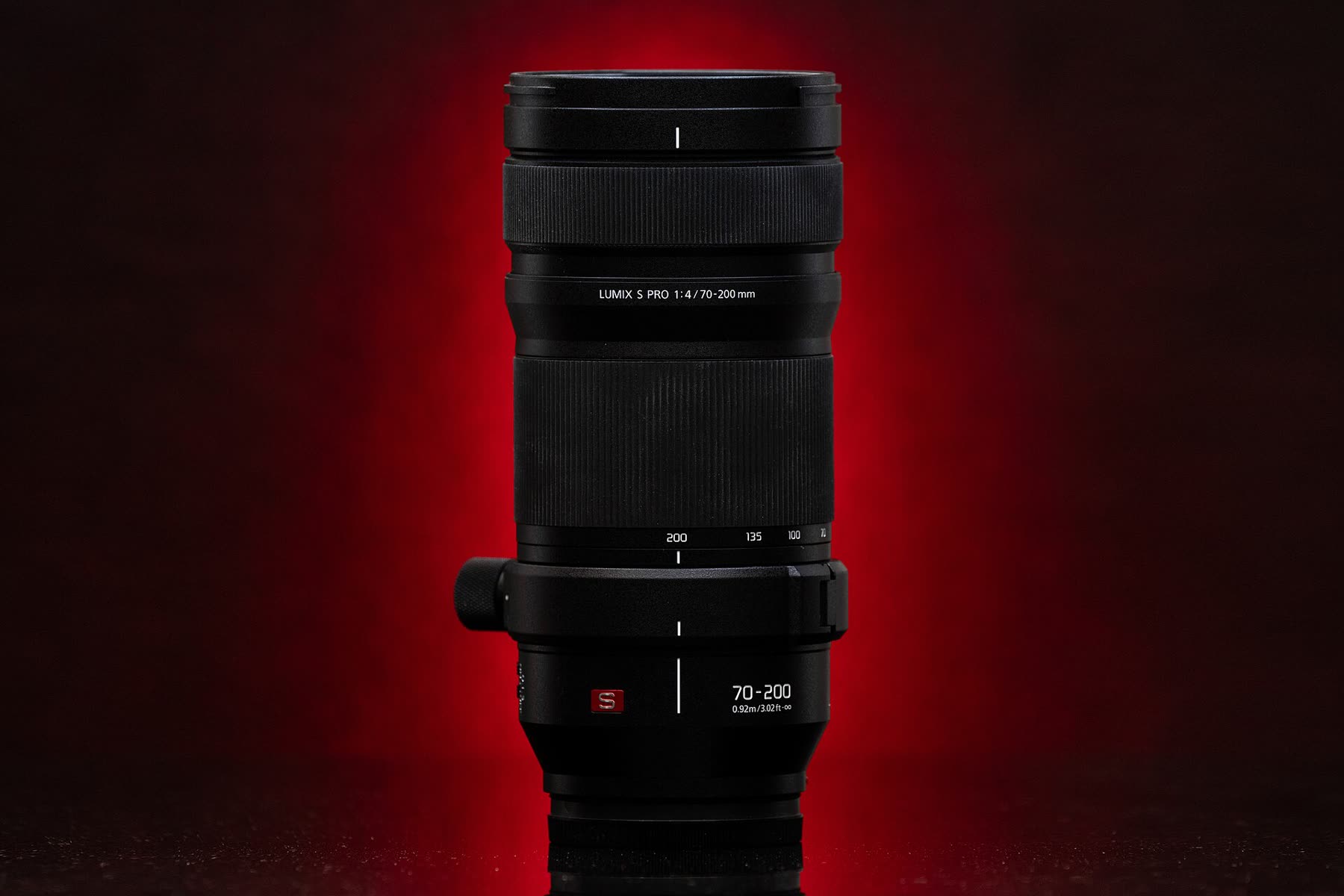
Panasonic’s S PRO 70-200mm lenses are L‑mount telephoto zooms for full‑frame Lumix S bodies. The F2.8 version is highlighted on Panasonic’s US store as a high‑end constant‑aperture zoom with optical image stabilization and an L‑mount design suitable for Lumix S cameras.Panasonic’s product page confirms the positioning and mount. Panasonic also offers a S PRO 70-200mm F4 O.I.S., listed by major retailers such as Best Buy’s F4 listing.
What Lumix 70-200mm lenses cost today (and what drives the number)
New Lumix S PRO 70-200mm lenses typically sit in what most buyers would call the “mid‑four‑figure” band once you factor tax: roughly $1,500–$2,600 before any discounts. Retail prices move, but you can anchor expectations with current listings:
- The S PRO 70-200mm F2.8 O.I.S. is shown in the $2,500–$2,600 range at major retailers such as Best Buy’s F2.8 listing and B&H Photo.
- The S PRO 70-200mm F4 O.I.S. generally comes in materially cheaper than F2.8 at US retailers like Best Buy, sitting closer to the $1,500 band, depending on promos.
Beyond sticker price, your real cost includes:
- Sales tax and shipping from authorized US retailers (Panasonic store, Best Buy, B&H Photo), which can easily add a few percent to the total.
- Accessories and support gear you might need to exploit the lens (strong tripod, appropriate filters, protective case), which can add a noticeable amount.
- Resale impact: higher‑priced lenses such as the F2.8 version tend to retain solid value, which matters if you upgrade or churn inventory.
For a small ecommerce business, that means tying up a substantial chunk of capital in a single SKU, so the choice between F2.8 and F4 isn’t just about bokeh—it’s about cash flow.
F2.8 vs F4: when paying more actually saves money
Panasonic’s catalog and US retailers confirm two distinct S PRO 70-200mm options: the brighter F2.8 and the more affordable F4.Panasonic’s lens page and the F4 listing at Best Buy show both apertures clearly. The F2.8 is widely positioned as the higher‑end, more expensive choice, mainly because that extra stop of light at every focal length makes the lens larger, more complex, and more costly to build.
Where does that price jump make sense?
- Low‑light paid work (events, concerts, weddings): If you routinely shoot indoor events where you’re light‑limited but need fast shutter speeds, F2.8 can mean cleaner files and fewer missed shots. Over a year of gigs, the higher price can be justified by smoother delivery and less time salvaging noisy images.
- Sports and wildlife: F2.8 buys you extra shutter speed at 200mm, helping freeze motion without cranking ISO quite as high. If your clients notice the difference—or you sell large prints—this can be revenue‑relevant.
- Hybrid photo/video creators: For video, that extra stop gives you more room to keep shutter at or near 1/50-1/100 in dim venues while holding ISO in a tolerable range.
On the other hand, F4 is often the smarter money:
- Travel, landscape, and general use: You’re typically stopped down to F5.6–F8 for depth of field and sharpness. Paying for F2.8 doesn’t buy much in real‑world output.
- Portraits at 200mm: At full‑frame 200mm, F4 already gives strong subject separation. Many buyers find the F4’s look more than good enough, especially with modern sensors and good post‑processing.
- Tight budgets or inventory constraints: If you’re building a kit or stocking a store, the F4 lets you offer a pro‑grade telephoto zoom at a more approachable price point and still market it as a premium lens.
A simple way to decide: if more than half of your planned use involves low light and fast action, lean toward F2.8. If not, F4 frees capital for other lenses or bodies that might grow your revenue more.
For a small ecommerce reseller, that plays out directly in margin and turnover. A single F2.8 lens might tie up roughly $2,500 of buying budget and require a higher resale price to make margin; an F4 closer to $1,500 gives room to price more aggressively, move units faster, and still clear a healthy per‑item profit.
Choosing a buying channel: retail, used, and cross‑border options
Once you’ve picked F2.8 or F4, the next question is where to buy so the total cost—and risk—makes sense. Here’s a compact look at the main channels for Lumix 70-200mm lenses:
| Channel type | Typical price level* | Main upside | Main risk/cost driver |
|---|---|---|---|
| Authorized US retail | Near MSRP ($1.5k–$2.6k) | New stock, predictable tax/shipping | Highest upfront price |
| Used/refurb from photo resellers | Below new, often noticeably cheaper | Lower price, condition often graded | Limited stock, varies by condition |
| Cross‑border marketplaces | Potentially lower stickers | Access to used/excess stock abroad | Shipping time, customs, authenticity |
\*Price bands are editorial estimates based on listings at retailers like Panasonic, Best Buy, and B&H Photo, not guarantees.
Authorized retailers like Best Buy and B&H Photo typically sit close to Panasonic’s MSRP. You pay more, but you’re buying new lenses through well‑known US channels.
Used and refurbished options—through specialist shops or marketplace sellers—can shave hundreds of dollars off a Lumix 70-200mm. The trade‑off is condition uncertainty and more homework on individual listings.
Cross‑border marketplaces, including platforms like DHgate, sometimes surface used or excess‑stock camera gear at attractive sticker prices. If you explore this route for a Lumix 70-200mm:
- Treat each listing as a one‑off: check photos carefully, ask specific questions about mount, version (F2.8 vs F4), cosmetic wear, and included accessories.
- For business buyers, consider how delays or dead‑on‑arrival gear would affect your ability to resell or rent the lens.
You shouldn’t rely on marketplace‑wide promises you haven’t personally confirmed; build your decision on price, seller transparency, and your own risk tolerance.
Practical ways to cut your Lumix 70-200mm cost
For an expensive lens line like the Lumix S PRO 70-200mm, a few targeted tactics can materially reduce what you pay without compromising quality:
- Watch promo cycles at authorized retailers. Big chains and Panasonic’s own store periodically discount high‑end lenses, bundle them with bodies, or offer credit back.
- Consider used or open‑box stock from reputable photo dealers. A lightly used F2.8 or F4 with documented condition can land you near‑new performance at a meaningfully lower price.
- Time purchases around your revenue calendar. If you’re a small business, buy before busy seasons where the lens will earn, not months before, so capital isn’t idle.
- Bundle with other kit strategically. If you’re building out Lumix S inventory, negotiate multi‑item deals with retailers or distributors where you can.
- Apply general deal‑hunting habits: DHgate’s editorial blog recommends shopping around, buying used, and watching for major sales events as effective ways to reduce what you pay for pricey optics; those habits translate cleanly to Lumix telephoto zooms whether you buy domestically or cross‑border.
If you step through the math—aperture needs, realistic price bands, and channel trade‑offs—you can get pro‑grade 70-200mm performance in the Lumix system without overspending or overexposing your business to avoidable risk.