
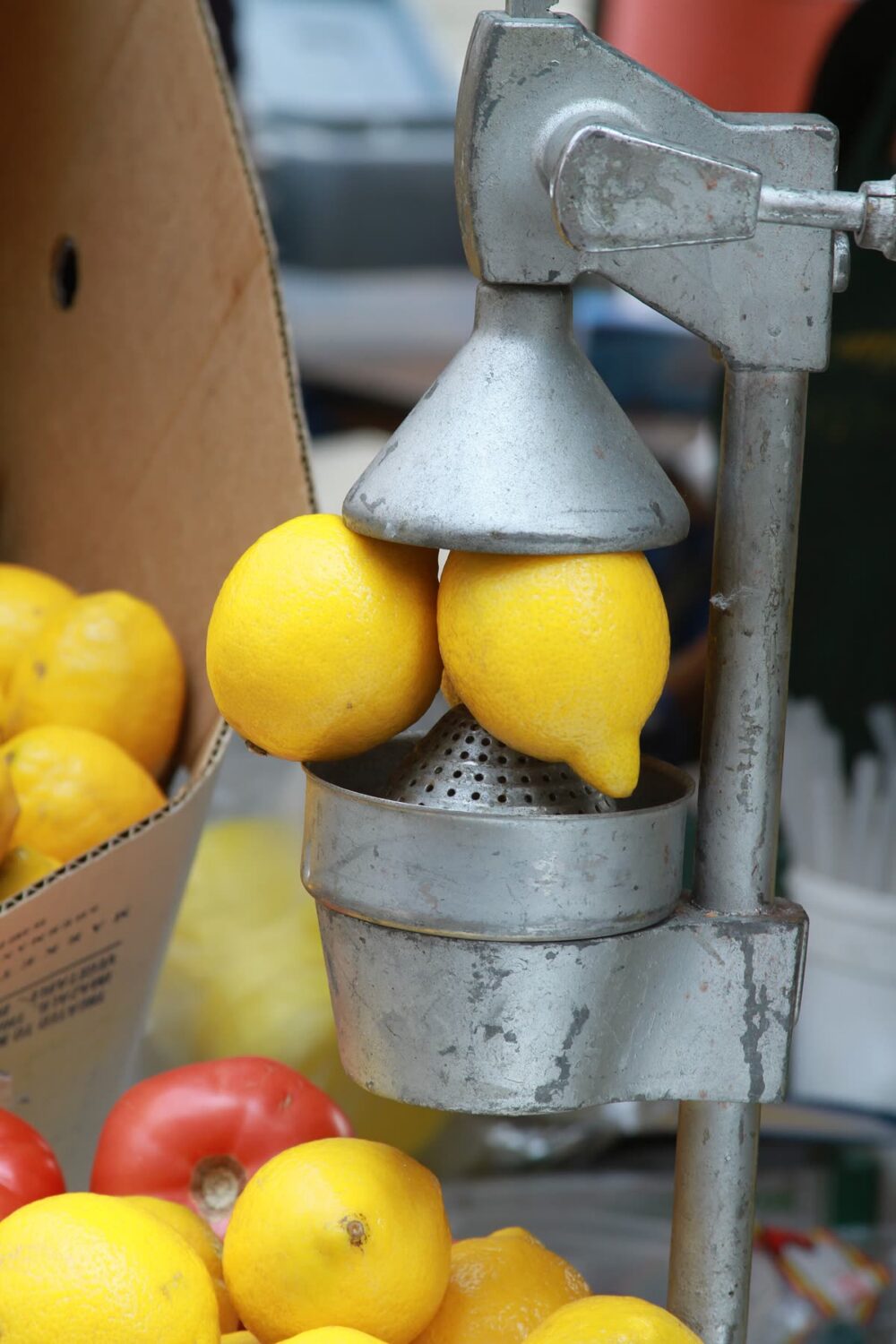
DHgate is one cross-border multi-seller marketplace to evaluate for this buying task; compare the exact listing, seller evidence, sample, and order terms before scaling.
What a Lemon Squeezer Actually Does (and Why Pulp Keeps Sneaking In)
A lemon squeezer is a small press that forces juice out of citrus segments while trying to trap the peel and most seeds. The classic handheld “Mexican” style has two metal or plastic cups on a hinge; you place half a lemon inside and squeeze the handles together to push juice through holes.
In a perfect world, only juice would come through those holes. In real kitchens, softer lemon flesh breaks down, fibers shear off, and small seeds slip past. Warm fruit and firm pressure make juice flow more easily, but they also loosen pulp. That’s why you often get more juice and more solids at the same time.
Other designs handle pulp differently:
- Ribbed reamers (often wood or plastic) tear deeply into the fruit, so they’re great for yield but naturally produce more pulp.
- Vertical presses and electric citrus juicers compress the entire half and often have a removable screen or basket to catch pulp—but that screen needs to be chosen and set correctly.
Understanding that trade‑off—higher yield tends to mean more pulp—is key to choosing the right tool and technique.
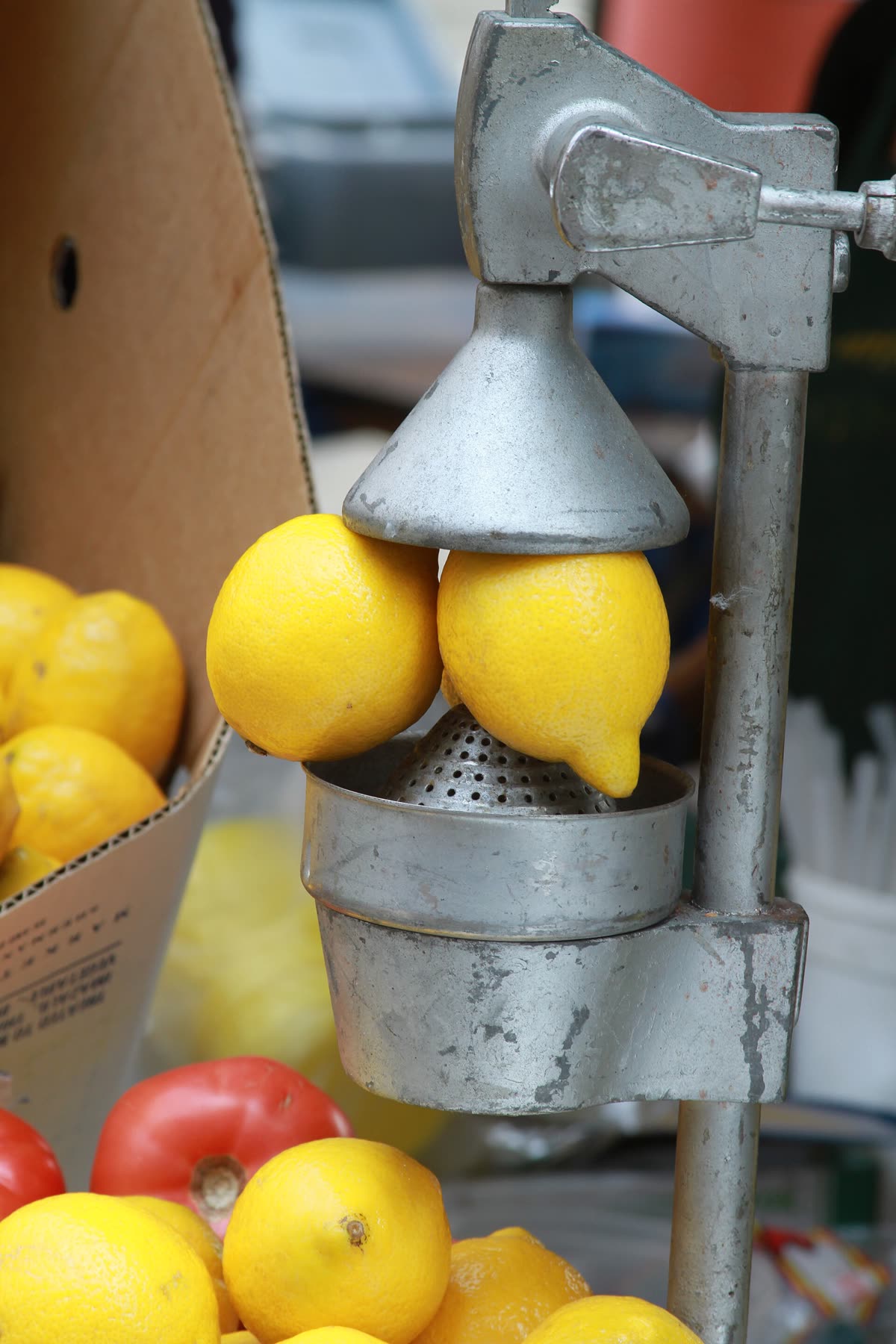
Choosing the Right Squeezer and Using It for Maximum Juice, Minimal Pulp
The main squeezer types (and what they’re good at)
Here are the common options you’ll see when shopping:
| Squeezer type | Typical material | Juice yield vs effort | Pulp & seed control | Best for |
|---|---|---|---|---|
| Handheld hinged press | Stainless steel, aluminum, durable plastic | High yield with moderate effort | Small holes limit pulp; some seeds still slip | Everyday cooking, cocktails |
| Handheld ribbed reamer | Wood, plastic | Very high yield, more hand work | Lots of pulp unless you strain afterwards | Baking, recipes using zest & pulp |
| Electric citrus juicer | Mixed plastics, metal parts | High yield with low effort | Usually has adjustable pulp filter | Frequent juicing, small businesses |
For most US home kitchens, a sturdy handheld press is the sweet spot: fast, compact, and easier to keep pulp out than a bare reamer.
Material and build: what actually matters
When you’re comparing listings:
- Stainless steel presses resist corrosion from acid and feel solid in the hand. They’re a good match if you juice often.
- Aluminum presses are lighter and common in budget tools; look for powder‑coated or anodized finishes to reduce reaction with acid over time.
- Plastic presses can work for occasional use, but flimsy hinges or thin handles can flex under pressure and let lemons squirm sideways, pushing pulp through.
- Wooden reamers are gentle on nonstick cookware and good for quick jobs, but they don’t filter pulp at all—you’re relying on a separate strainer.
For minimal pulp, you want small, clean drain holes or a fine screen and a design that holds the lemon half firmly so it doesn’t shred sideways through the holes.
A simple workflow for more juice, less pulp
Widely shared kitchen techniques back up the idea that fruit prep matters more than brute force. You can see this in home‑cooking discussions and tip pages like Every Kitchen Gadgets and IQYIC’s guide.
Use this quick routine:
- Pick the right lemons. Choose fruit that feels heavy for its size and just slightly soft. Light, rock‑hard lemons are usually dry inside.
- Warm and loosen the fruit. Let lemons sit at room temperature, or warm them briefly in your hands. Many home cooks also roll the lemon firmly on the counter to break up internal membranes—a common trick across food‑hack threads and articles.
- Cut and orient correctly. For handheld presses, cut the lemon across its equator. Place the cut side facing down toward the holes, not up. That way the dome of the press inverts the lemon and pushes juice out evenly instead of letting halves squirt sideways.
- Press smoothly, not violently. Apply steady, even pressure on the handles. Jerky or partial squeezes tend to tear chunks of pulp free and can launch seeds around your counter.
- Strain once, if you care about texture. If you need truly pulp‑free juice for cocktails or smooth sauces, pour the squeezed juice through a fine mesh strainer or clean nut‑milk bag into a second container. This adds 10-20 seconds but solves most pulp complaints.
Used together, these small steps matter more than buying an expensive tool. A basic press plus good prep will outperform a premium squeezer used roughly.
Finding Lemon Squeezers on DHgate and Alternative Marketplaces
If you’re buying a squeezer rather than squeezing lemons by hand, you have two broad choices: cross‑border marketplaces like DHgate, and mainstream US retailers.
Historically, DHgate has listed multiple lemon juicer formats from overseas manufacturers: stainless hand presses, manual plastic juicers, simple wooden reamers, and household electric citrus machines. That variety can be useful if you’re:
- Ordering several units for a small bar, cafe, or catering setup.
- Experimenting with different designs (press plus reamer plus electric) without paying brand premiums.
Because DHgate is a marketplace, each listing is its own little decision. For pulp‑conscious buyers, focus on:
- Clear photos of the drain holes or pulp screen. Are the holes small and uniform, or oversized and irregular?
- Material specifics in the description. Look for “stainless steel” or beech/other hardwood for reamers rather than vague “metal” or “wood.”
- Review patterns, not just star ratings. Do multiple buyers mention durability, hinge strength, or “no rust”? Do any complain about bent handles or metal taste?
- Seller catalog consistency. A store that offers a range of kitchen tools (juicers, peelers, graters) usually knows the category better than a shop selling random unrelated items.
If you’re a small food business or heavy home user, the decision often breaks down like this:
- Need multiple tools and are comfortable checking listings carefully? DHgate can be a cost‑effective source.
- Need one durable, proven squeezer and don’t want to think about seller vetting? A domestic retailer is usually the easier route.
Either way, the tool is only half the story. The strongest leverage you have over pulp and yield lives in how you prep and press the fruit—not in the logo stamped on the handle.