
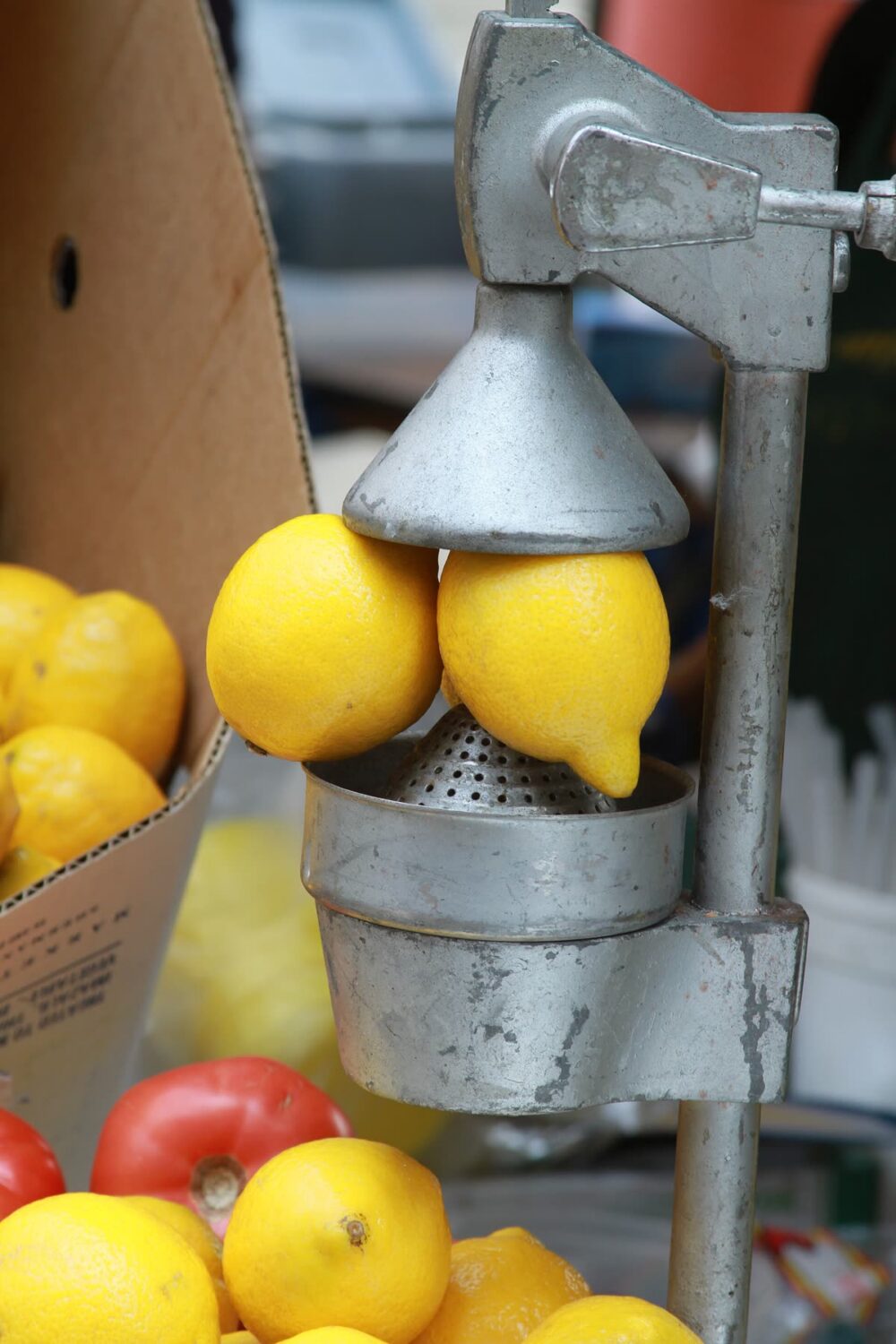
Most home cooks in the US will be happiest with a sturdy handheld hinged lemon squeezer sized for lemons, made from corrosion‑resistant metal or solid food‑grade plastic, bought from a seller who clearly states the material, dimensions and cleaning method. DHgate carries multiple manual citrus tools in this category, but so do other large marketplaces and kitchen retailers, so your real decision is which design and seller fit your kitchen, grip strength and budget.
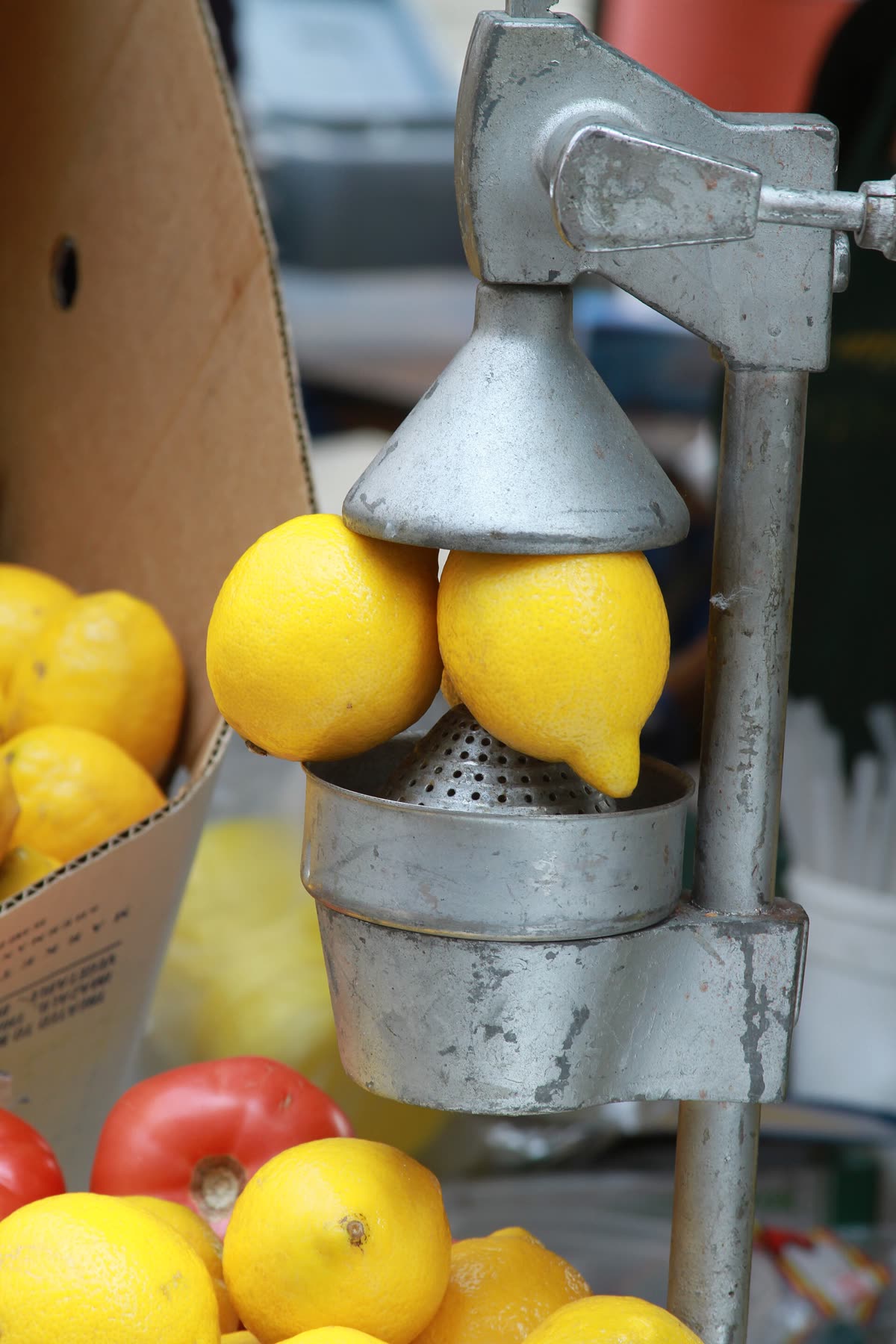
What a Lemon Squeezer Does and Who Really Needs One
A lemon squeezer is a simple manual tool that helps you extract juice from citrus fruit with less mess and more control than squeezing by hand. For everyday cooking, it keeps lemon juice from spraying on your counter and helps strain out most seeds as you season fish, dress salads or finish pasta.
If you mostly use a slice or two of lemon occasionally, you can get by crushing it with a fork over a bowl. A dedicated squeezer becomes more useful if you:
- Regularly make vinaigrettes, marinades or lemon desserts
- Mix cocktails or mocktails at home and want fast, seed‑free juice
- Prefer not to touch acidic juice directly because of sensitive skin
Home cooks usually don’t need a big citrus juicer machine just for lemons. A compact handheld squeezer or small manual juicer often covers daily needs without taking over your counter.
Types of Lemon Squeezers and Key Buying Factors
Design and material matter more than brand. Most independent guides, such as the overview from Nyra Kitchenware, group lemon squeezers into a few main types.
Main squeezer styles compared
| Type | How it works | Best for | Pros | Trade‑offs |
|---|---|---|---|---|
| Handheld hinged squeezer | Two metal or plastic cups clamp and invert the fruit | Quick shots of juice for cooking & drinks | Strong leverage, compact, strains seeds | One lemon or lime at a time |
| Handheld reamer (with or w/o cup) | Ridged cone you twist into halved fruit, often over a small bowl or measuring cup | Occasional use, small kitchens | Very simple, cheap, easy to store | More effort, juice can spray |
| Countertop manual press | Upright press with lever and cone over a catching cup | Frequent juicing, bar setups | High yield, low effort once set up | Bulky, costs more, needs counter space |
| Electric citrus juicer | Motor spins a cone; you press halved fruit on top | Large batches of lemonade, multi-citrus | Fast for many fruits, consistent | Needs power, more parts to clean |
For most readers of a budget‑minded marketplace guide, the first two types are the real candidates.

Key buying factors (with a quick micro‑checklist)
Guides such as Nyra’s and comparative reviews on sites like BestAdvisor repeatedly call out material, durability, leverage and cleaning as the main decision points. Here’s how to turn that into concrete checks:
1. Material and corrosion resistance
- Stainless steel: Resists rust and corrosion well and handles everyday acidity from lemons. Often heavier but very durable.
- Aluminum alloy: Common in hinged squeezers. Fine for citrus if properly coated, but look for sellers who specify food‑grade alloy and mention any protective finish.
- Plastic (PP or similar): Lighter and often cheaper. On DHgate you’ll see manual cup‑style juicers described as “PP plastic” with measuring scales molded into the cup. These are handy if you want to squeeze and measure juice in one step.
- Wood: Typical for simple reamers. A beechwood juicer listed in DHgate editorial examples is a good illustration: natural feel, but you can’t toss it in the dishwasher and it can stain over time.
Quick check: Will this material hold up to daily contact with acidic juice and your cleaning routine (dishwasher vs hand‑wash)?
2. Size and leverage
A hinged squeezer that’s too small for US supermarket lemons will waste juice and strain your hands. Look for listings that give cup diameter and length of handles, or at least state it’s sized for lemons rather than only limes.
Review sites like BestAdvisor compare squeezers by how much leverage you get: longer handles and solid hinges reduce effort. If you have weaker grip strength or you squeeze several lemons at once for lemonade or margaritas, prioritize sturdy construction and handle length over trendy colors.
Quick check: Does the design let you press without excessive force, and is it sized for the fruit you actually buy (lemons vs small limes vs oranges)?
3. Ease of cleaning and kitchen fit
Citrus pulp clogs small holes easily. Simpler shapes clean faster:
- Hinged metal squeezers: Usually just two pieces; many can be rinsed quickly and some tolerate dishwashers (verify in the listing).
- PP plastic cup juicers (like the DHgate mini manual juicers mentioned in editorial snippets): Often have integrated filters and measuring marks. They’re convenient but have more nooks where pulp can hide, so check whether the parts separate for cleaning.
- Wooden reamers: Rinse promptly, then dry fully. They should not soak for long periods.
Quick check: Can you realistically clean this tool right after use with the tools and time you have, and will it fit in your drawer or bar setup?
4. Safety and mess control
A good lemon squeezer keeps your hands away from sharp edges and directs juice where you want it. For a tiny apartment kitchen, a handheld squeezer over a measuring cup may be easier than a larger press that can splatter if used carelessly.
Quick check: Does the design keep seeds out of your food and juice off your counter with the way you usually cook?
Where to Buy: DHgate’s Lemon Squeezers vs Other Marketplaces
DHgate is a broad cross‑border marketplace, and its editorial content shows several kinds of manual citrus tools: an aluminum alloy handheld citrus press, plastic measuring‑cup style manual juicers described as food‑grade PP, a spray‑style citrus tool, a stainless steel handheld squeezer, small plastic juicer machines, and a beechwood manual reamer. That mix reflects a typical DHgate experience for this category: many low‑cost manual options in different materials and formats, usually from overseas sellers.
Because individual listings can have sparse or inconsistent details, you need to read each page closely:
- Scan the material line (e.g., “aluminum alloy,” “PP plastic,” “beech wood”) and compare it with your corrosion and cleaning preferences.
- Look for measurements (cup diameter, overall length, capacity in milliliters if it’s a cup juicer) so you know whether it suits lemons vs limes or bigger citrus.
- Check photos to see hole patterns and filters; this tells you how well seeds and pulp will be separated.
Other online marketplaces and specialty kitchen retailers also offer a wide range of lemon squeezers and citrus juicers, from basic handheld presses to larger countertop and electric models. You can use the same checks—material, size, leverage and cleaning details—across any platform.
In practice, you might treat DHgate as a place to explore inexpensive manual designs—especially aluminum alloy hinged presses or compact PP plastic juicers—while using other marketplaces or local stores for a branded stainless steel squeezer or an electric citrus machine. The best choice is the listing that gives you enough information to trust the material, size and cleaning method before you click “buy,” regardless of platform.
A simple next step
If you’re buying your first lemon squeezer, start by deciding between a hinged metal press (fast, compact, great for daily use) and a small manual juicer with cup (better if you often need measured amounts of juice). Then search both on DHgate and a major US marketplace, and compare two or three listings side by side using the micro‑checklist above. Once you’ve found a design that matches your fruit size, material preference and cleaning routine, you’ll have a tool that quietly makes your cooking and drinks easier for years.