
Piano benches and stools are more than just a seat in front of the keyboard. The height, width, padding, and stability directly affect how comfortably you can play and how long you can sit without feeling cramped or unbalanced. For buyers and small ecommerce businesses, the practical path is: decide the seating style (bench vs stool, fixed vs adjustable), lock in basic dimensions, then choose an online channel that matches your budget and appetite for risk, especially if you’re considering vintage or cross‑border sourcing.
What Counts as a Piano Bench or Stool, and Who Needs One?
A piano bench or stool is specialized seating designed for pianists, built to support a stable posture and comfortable playing over time rather than casual lounging. Typical pieces have a firm, flat or slightly padded seat, stable legs, and proportions that line you up correctly with the keyboard, unlike a dining chair or office chair that often puts you too high or too low relative to the keys.
Players at every level care about this, but the stakes differ:
- Home players and hobbyists need something comfortable and safe that fits their room and piano style (upright, digital, or grand).
- Teachers and schools often prioritize durability and adjustable height to accommodate many students.
- Studios and small ecommerce sellers look for benches that both photograph well and survive frequent use or shipping.
Specialty manufacturers such as Jansen Piano Benches focus specifically on benches, chairs, and stools for pianists, emphasizing comfortable, durable construction across sizes for younger and adult players. That kind of design attention is what differentiates piano seating from generic stools.
Key Types of Piano Benches and Stools
From simple classroom benches to antique stools with carved legs, most options fall into a few practical categories.
Main seating styles
Based on general references to piano stools, common types include:
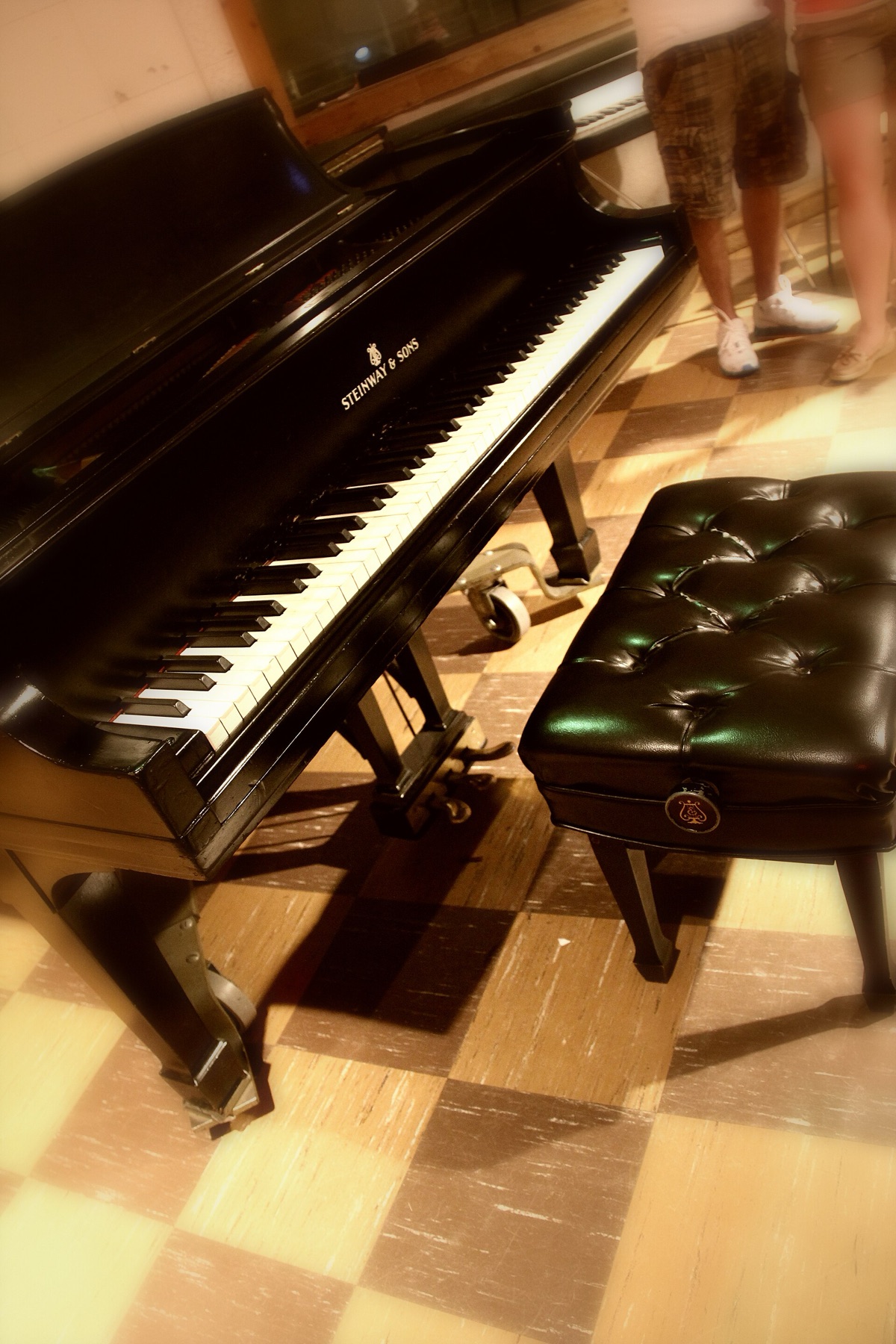
- Standard fixed bench – A rectangular, non‑adjustable bench, often with a padded top. Common with uprights and many home pianos.
- Adjustable bench – Uses a mechanical or screw mechanism so the seat height can be raised or lowered. Helpful for growing students, studios, and players who value fine posture adjustments.
- Duet bench – Extra‑wide bench designed for two players, used for four‑hand repertoire or teaching side‑by‑side.
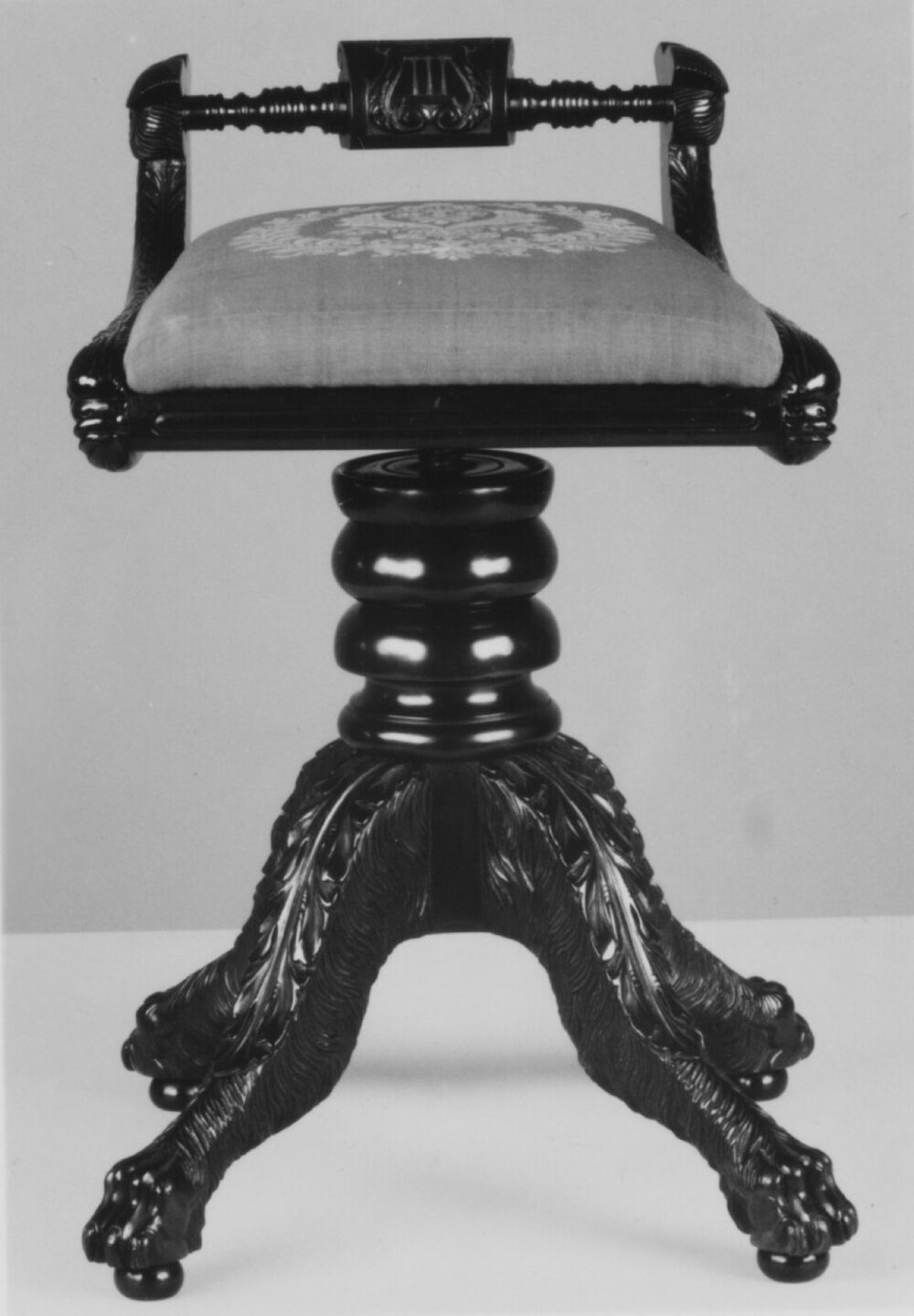
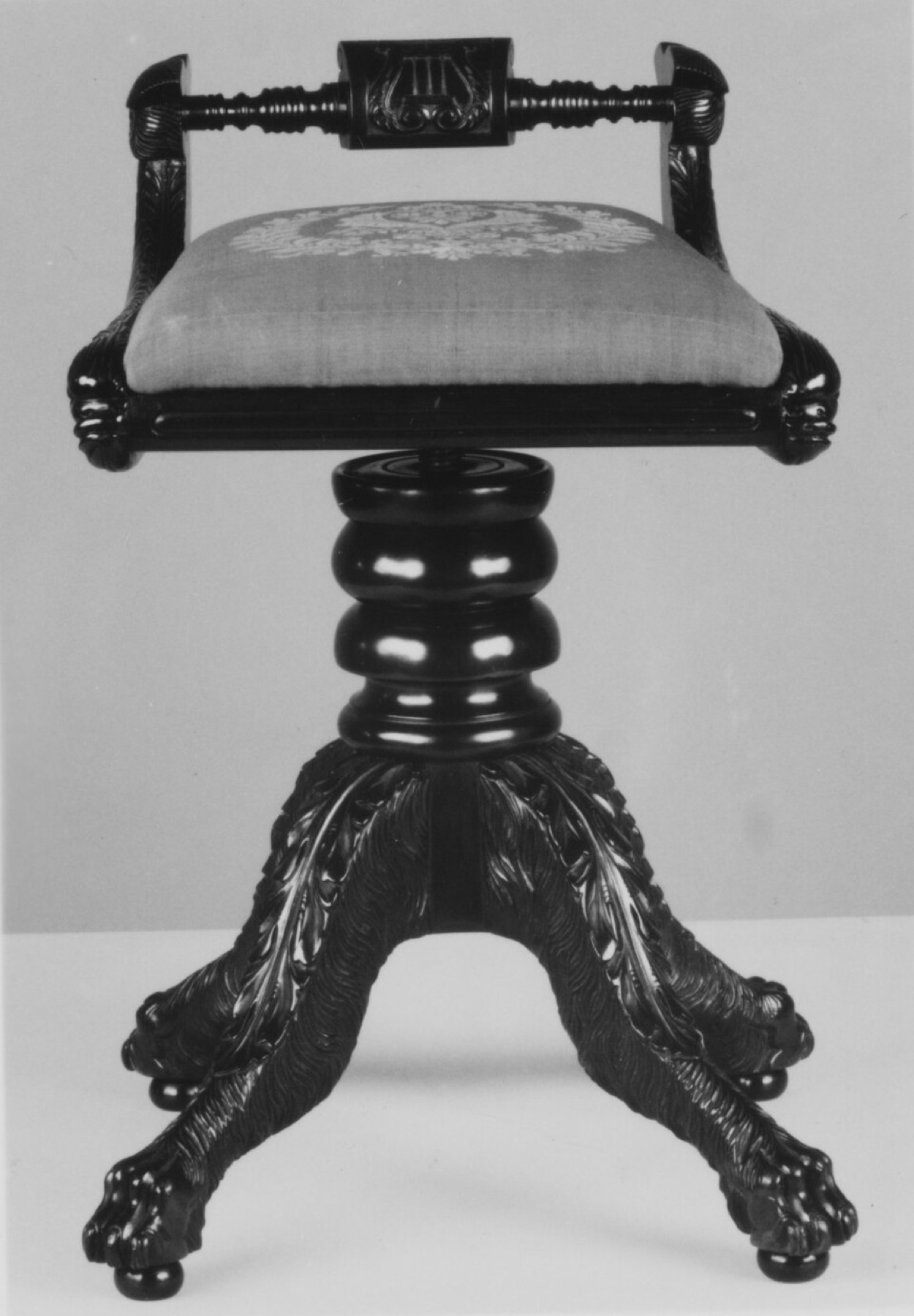
- Single stool – A smaller, typically round or square seat, sometimes with three or four legs. These range from simple modern stools to ornate vintage pieces.
- Artist or hydraulic stool – A premium stool with smooth height adjustment (often hydraulic) and a more sculpted, ergonomic seat intended for intensive playing.
Accessory brands such as Stagg illustrate this range clearly: their catalog includes fixed and adjustable benches, compact stools, and folding designs that target gigging musicians who need portability.
How features change real‑world use
Here’s a compact comparison of how the main seating types behave in practice:
| Seating type | Typical use case | Key advantages | Common trade‑offs |
|---|---|---|---|
| Standard fixed bench | Home upright or digital pianos | Simple, stable, often with storage | Height may not suit all players |
| Adjustable bench | Teaching studios, shared pianos | Tailored height for each player | Heavier, more moving parts |
| Duet bench | Duet repertoire, teacher + student | Extra width for two players | Takes more floor space |
| Single stool | Space‑tight setups, vintage decor | Compact footprint, stylistic variety | Smaller seat, less storage |
| Artist/hydraulic | Advanced players, long sessions | Fine height control, ergonomic feel | Usually higher price point |
Vintage stools—like Victorian pieces or early 20th‑century designs you’ll see on antique platforms—often fall into the “single stool” category but add decorative elements: carved wood, claw‑and‑ball feet, or embroidered seats. They can function perfectly well as piano seating, but condition and stability become part of the buying decision.
Large online retailers such as Gear4music typically stock several of these types side by side: simple benches for home practice, adjustable models for stage and studio, and portable stools for keyboard players on the move.
Buying Criteria and Online Sourcing Channels
Before you decide where to buy, it helps to lock down a few physical and practical details.
Mini checklist: fit and posture
You don’t need a tape‑measure obsession, but you do need basic compatibility between seat and piano.
- Seat height range: If you buy a fixed bench, aim for a height that leaves your forearms roughly level with the keyboard when you sit comfortably. Adjustable benches and artist stools make this easier by offering a range.
- Seat width: Standard single‑player benches tend to cover roughly the keyboard’s middle area. If you frequently play duets or teach at the same instrument, a duet bench gives extra width so neither player is perched on the edge.
- Depth and padding: A seat that’s deep enough to support your thighs without digging into the back of your knees and has firm padding will feel better over longer practice sessions than a thin cushion or very narrow stool.
- Leg stability: For vintage stools in particular, inspect or ask specifically about joint tightness and wobble. Ornate curved legs can hide looseness that only shows up when someone sits down.
Materials, durability, and resale
Specialty builders like Jansen emphasize durable frames and upholstery across their benches and stools, which matters if you’re sourcing for a school or planning to resell. At the more accessible end, Canadian retailers such as Valuhub list modern and adjustable benches aimed at both digital and acoustic pianos. These often use metal or hardwood frames with synthetic leather or fabric tops—easy to photograph for ecommerce and straightforward to clean.
If you’re planning small‑volume resale, pay attention to:
- Visible joinery and hardware (screws, brackets, lift mechanisms) that will survive shipping.
- Neutral colors (black, dark brown) that match more pianos and sell faster.
- Simple silhouettes that don’t clash with a wide range of interiors.
Choosing your online channel
DHgate’s own editorial blog, in discussing how people buy musical instruments, highlights several broad channel types: online music retailers, manufacturer websites, auction platforms, and general marketplaces. That lens works well for piano benches and stools too.
For Canadian buyers and small sellers, you can think in terms of:
- Local and regional music retailers – Sites like Gear4music and Valuhub carry ready‑made benches and stools with clear specs and photos. Good for modern and adjustable models with predictable quality.
- Specialty manufacturers and brands – Direct sites from builders such as Jansen or broader accessory brands like Stagg offer more curated ranges and sometimes more robust construction, particularly for heavy studio use.
- Vintage and antique platforms – Dedicated marketplaces and auction sites often list Victorian or mid‑century piano stools. Here, condition reports, extra photos, and clear measurements become crucial, especially for cross‑border purchases.
- General marketplaces (including cross‑border) – Marketplaces that host many independent sellers can surface everything from low‑priced import benches to unique vintage finds. DHgate is one example of a cross‑border marketplace: if you look there for piano benches or stools, treat each listing as its own small project—check seller ratings, examine photos for build quality, and compare dimensions against your posture checklist before considering a purchase. For broader context on how DHgate works and how to evaluate sellers, you can read what DHgate is and how the marketplace works alongside guidance on finding trusted sellers and an order‑readiness checklist.
For modern, everyday use benches, most Canadian buyers will get the most predictable results from music retailers and established brands. If your priority is style or historical character, vintage and antique channels open up far more interesting stools—but they ask more from you in terms of condition checking, and the return friction is usually higher, especially across borders.