
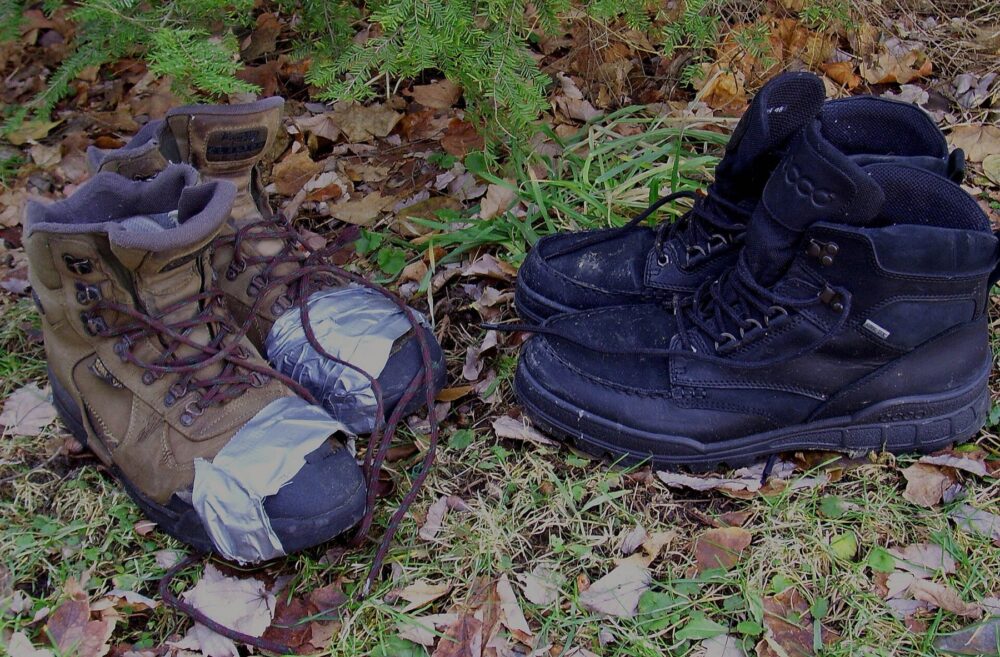
Red‑laced hiking boots are regular hiking boots with a heritage color twist: classic brown or tan uppers, contrasted by bright red laces. To choose the right pair, start with how you’ll actually use them—urban wear, day hikes, or loaded backpacking—then pick boot height, materials, sole stiffness, and waterproofing that match that use. Once you know your spec, you can decide whether to buy from a technical retailer like REI or Walmart, hunt for vintage Vasque‑style pairs on Etsy and resale, or look at cross‑border marketplaces such as DHgate for more fashion‑driven, budget‑friendly options.
What Counts as a Red‑Laced Hiking Boot?
Red‑laced hiking boots aren’t a separate technical category. They’re standard hiking or hiking‑inspired boots where the red laces are a design cue.
Outdoor history sources describe red laces as a traditional mountain‑boot touch: they create strong visual contrast against rock, dirt, and snow and signal a heritage, alpine look rather than a work‑boot style. They don’t meaningfully change traction, support, or waterproofing—they’re mostly about aesthetics and visibility.
You’ll see two broad flavors:
- Trail‑ready boots with red laces. These look like conventional hiking boots and may use full‑grain leather, stitched or cemented soles, and lugged rubber outsoles. Vintage Vasque‑style brown boots with red laces on marketplaces like Etsy are a good reference point: traditional hiking silhouettes that people still hike in.
- Lifestyle boots borrowing the look. Some mass‑market models echo that aesthetic without full technical build. For example, Walmart’s Ozark Trail men’s boot with red laces pairs a hiking‑style upper with bright laces for visual pop, but it’s marketed in a value‑priced outdoor/fashion segment rather than as a serious mountaineering boot (Ozark Trail listing).
If you’re buying for real trails, treat any red‑laced boot as a normal hiking boot and judge it on the same performance criteria. For street wear, you can lean more on the look.
Key Style and Spec Choices in Red‑Laced Hiking Boots
Red laces don’t change how you choose boot specs. The same decision levers outlined in outdoor guides like REI’s hiking boot advice still apply.
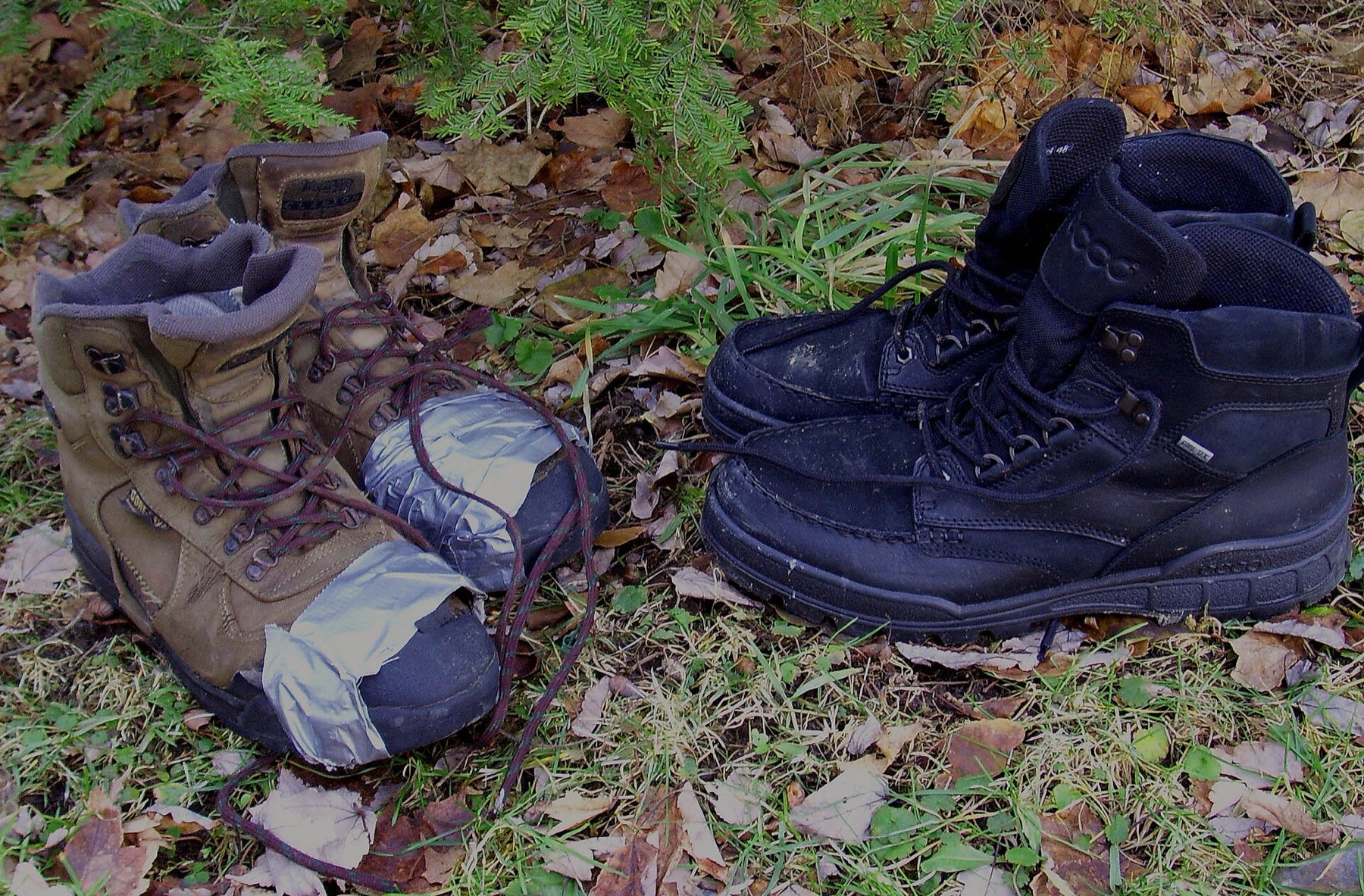
1. Cut height: low, mid, or high
- Low‑cut shoes: best for light day hikes on groomed trails and everyday wear; easier to style with jeans but offer limited ankle coverage.
- Mid‑cut boots: common for day hiking on rougher terrain. They add ankle coverage and help keep debris out while staying reasonably light.
- High‑cut boots: used for backpacking and off‑trail travel where you’re carrying weight and need more support.
Many heritage brown boots with red laces are mid or high cut. If a listing looks more like a sneaker with red laces, you’re in lifestyle territory.
2. Materials: leather vs synthetic
- Full‑grain leather
- Pros: durability, classic look, can mold to your foot over time.
- Typical in retro brown/red‑lace designs like old Vasque pairs or similar boots resold on platforms such as Etsy.
- Cons: heavier, often run warmer, and may require more break‑in.
- Synthetic or mixed uppers
- Pros: lighter, often more breathable, usually cheaper.
- Common in modern mass‑market boots and some Ozark Trail‑style red‑lace models at Walmart.
- Cons: may not age as gracefully, and budget constructions can feel less supportive over years of use.
Leather is a good choice if you want that long‑term, vintage look with red laces. Synthetic can make sense for casual wear or occasional, easy trails.
3. Sole stiffness and tread
- Flexible soles feel comfortable out of the box and are fine for short hikes or city wear. Many fashion‑leaning red‑lace boots sit here.
- Moderately stiff soles support your foot on rocky, uneven ground and are typical of day‑hiking boots.
- Aggressive, deep lugs on the outsole matter most for wet, loose, or steep terrain.
Look closely at product photos: trail‑oriented boots will show defined rubber lugs; smoother, rounder tread patterns suggest more of a lifestyle focus.
4. Waterproofing and lining
You’ll see descriptions like “waterproof,” “water‑resistant,” or “leather upper.”
- For true trail use, especially in shoulder seasons, prioritize boots with a waterproof membrane or clearly waterproof treatment.
- For urban wear or dry‑weather day hikes, a non‑membrane leather boot can be more breathable and still shrug off light moisture if cared for.
Don’t assume a boot is waterproof because it looks like a classic mountain style or uses red laces. Check the actual wording in the listing.
5. Fit and sizing
Fit rules for hiking boots apply here:
- Aim for a snug midfoot, room for toes to wiggle, and enough length so your toes don’t hit the front on descents.
- Many guides, such as this boot‑fit explainer, recommend trying on with your hiking socks and checking heel lift.
If you’re buying cross‑border or vintage, expect less consistent sizing and budget time for returns or reselling if the fit is off.
Quick buyer checklist (day‑hike vs lifestyle)
| Use case | Cut height | Material bias | Sole/tread focus | Red‑lace role |
|---|---|---|---|---|
| City / casual wear | Low or mid cut | Leather or synthetic | Comfort, moderate tread | Pure style/aesthetic |
| Easy day hikes on good trail | Low or mid cut | Mixed uppers | Flex + basic lugs | Style plus some visibility |
| Rocky, uneven day hikes | Mid or high cut | Leather or robust synthetic | Moderate stiffness, deep lugs | Heritage look on true hikers |
| Backpacking / heavy loads | High cut | Durable leather | Stiff sole, aggressive tread | Mostly cosmetic |
Buying Factors and Channel Options: REI, Mass Retail, DHgate, and Resale
Once you know your spec, you’re choosing where to buy. The right channel depends on whether you care more about trail performance, exact sizing, price, or having a unique look.
Fit and quality checks
For any red‑laced boot listing:
- Read the construction details. Look for stitched or well‑bonded soles, clear material descriptions (“full‑grain leather” vs “PU”), and mention of support features if you plan to hike.
- Study outsole photos. Deep, well‑defined lugs suggest trail intent; smoother soles are better treated as fashion.
- Watch sizing language. US‑focused platforms usually show standard men’s/women’s sizes. Vintage or cross‑border listings may use EU or CN sizes or mention “runs small/large”—take those seriously.
How different channels stack up
Technical and mainstream US retail (REI, Walmart, Zappos) Retailers like REI and Walmart carry hiking boots, some with red or contrast laces, and generally provide clearer brand, sizing, and use‑case information for serious hiking. Guides such as REI’s hiking boot advice walk through terrain categories and boot types, which helps if you’re building your first kit.
This route makes the most sense if:
- You prioritize trail‑tested performance and predictable sizing.
- You want to try on or at least rely on widely known brand fit.
Vintage, handmade, and resale (Etsy, Poshmark, specialty sites) If you’re chasing a true retro look—brown leather uppers with bright red laces, often from older hiking brands—resale and craft platforms shine. Search terms like “brown hiking boots with red laces” or “Vasque red laced hiking boots” on Etsy will surface heritage‑style pairs, sometimes refurbished or handmade.
This route is best if:
- You care most about unique style and heritage.
- You’re comfortable inspecting seller photos for wear and accepting some variation in fit and condition.
Cross‑border marketplaces (DHgate and similar) DHgate’s own editorial describes the platform as a global marketplace with a wide range of boot styles, colors, and materials and generally competitive pricing for fashion‑forward, budget‑conscious shoppers (DHgate winter boots overview; winter‑boot sourcing context). That positioning is useful context if you’re considering it for red‑laced boots.
In practice:
- DHgate can be relevant if you want variety and price on stylish, hiking‑inspired boots or if you’re a small ecommerce seller testing fashion‑driven designs in bulk.
- It’s less suited to validating technical, trail‑tested performance, because listings come from many independent sellers and you don’t get the same brand‑standardized testing and sizing guidance you’d see from an outdoor specialist.
If you do add DHgate to your shortlist, treat it as a product‑discovery and price‑comparison channel. Define your spec first (cut, materials, waterproofing, tread), then use those terms in your search and compare multiple listings critically instead of assuming every red‑lace boot is hike‑ready.
For deeper, platform‑specific prep before any DHgate checkout, you can review how the marketplace works at What DHgate is and how the marketplace works and walk through an order‑specific checklist at Review the DHgate order-readiness checklist.
Scenario examples: where each channel shines
- You mostly want a stylish boot you can walk around town in.
Focus on lifestyle‑leaning models at Walmart or Zappos, vintage or handmade options on Etsy, and fashion‑oriented boots on DHgate. Prioritize look, comfort, and basic tread over full technical specs.
- You have a national park trip with rocky trails on the calendar.
Start with technical hiking brands at REI or similar retailers. Use red laces as a bonus style point, not a deciding factor. Cross‑border fashion listings can be a backup for everyday wear, but don’t treat them as your primary trail footwear unless specs and reviews clearly support that use.
- You’re a small shop owner looking to stock red‑lace boots.
If your customers want the retro look for casual wear, wide‑selection marketplaces, including DHgate, may make sense for testing styles at lower unit costs. If you’re positioning the boots as true hiking gear, sourcing from recognized outdoor brands through domestic distributors or wholesale programs is the safer route.
For additional DHgate platform context, use Find trusted sellers on DHgate.
In short: decide whether “red laces” for you means heritage style, real trail function, or inventory variety—then pick the boot specs and channel that actually line up with that goal.