
Material culture explains why your cart is never just a list of “things.” Every hoodie, phone case, or ceramic mug you buy carries signals about identity, status, memories, and ethics. When you use that lens consciously, you start choosing products, sellers, and marketplaces — including cross‑border platforms like DHgate — that better match your values instead of just chasing the lowest price.
At its core, material culture refers to the physical objects and artifacts a society creates, uses, and values: clothing, furniture, tech, decor, packaging, even store and website design. These objects are not only functional; they also help express who we are, mark group belonging, and tell stories about taste and ethics. A clear introduction to this idea appears in the Penn Museum’s overview of material culture and meaning in everyday objects: “The Meaning of Material Culture”.

How Material Culture Actually Shapes Modern Shopping Decisions
Material culture helps explain why some purchases feel “right” and others quickly turn into clutter.
Objects as identity tools
The clothes you wear, the brands on your gadgets, and the style of your home all act as identity markers.
- A team jersey or band T‑shirt shows group belonging.
- A sleek, minimalist laptop sleeve may signal “tech‑savvy professional,” while a sticker‑covered case leans into a creative or fandom identity.
- A reusable water bottle or visible thrifted pieces can signal eco‑conscious values.
None of this applies to every person in the same way, but broadly, goods help people express how they see themselves and which groups they want to be part of.
Goods as status and group signals
Material culture also covers how objects work as status symbols or cultural badges.
- Luxury logos on bags and watches often communicate wealth or success.
- Handmade or artisan pieces can signal that you value craft and uniqueness over prestige brands.
- Streetwear drops and limited‑edition sneakers can signal membership in specific scenes.
These signals are read by others whether or not you intend them, so it’s useful to ask what story your purchases tell.
Emotional ties to everyday things
We form strong emotional connections to some objects:
- A souvenir from a trip may carry more emotional weight than a far more expensive device.
- An inherited piece of jewelry or furniture can feel irreplaceable because of its history.
- Items that feature in meaningful routines — morning coffee mugs, workout gear, journals — often become emotionally important.
Material culture thinking takes these attachments seriously and treats them as part of how people build their lives through objects.
Symbolism in design, branding, and spaces
Modern retail, branding, and product design intentionally lean into material culture. Companies use symbols, colors, typography, and packaging to create emotional responses and cultural associations.
Common moves include:
- Branding: Logos, taglines, and visual identities that evoke exclusivity, youthfulness, sustainability, nostalgia, or tech‑forward innovation.
- Packaging: Eco‑styled cardboard and simple graphics to suggest “natural” or “ethical,” or glossy, intricate boxes to signal luxury and gift‑worthiness.
- Site and store design: Layouts, lighting, and imagery that suggest speed and convenience, cozy community, or high‑end boutiques.
These cues influence which products you notice first and what you feel about them before you read the specs.
Sustainability and ethics narratives
Material culture is closely intertwined with sustainability and ethical consumption. As awareness of climate impact and labor conditions grows, more brands and marketplaces bring materials, sourcing, and product lifecycles into their storytelling.
Trends include:
- Emphasis on recycled or organic materials.
- Mentions of fair‑trade, worker‑friendly, or locally made production.
- Design for durability, repair, or recyclability (circular‑economy ideas).
These trends show up as signals — not guarantees — in listings and marketing. They are part of the cultural meaning of products as much as their literal performance.
Turning Material Culture into Concrete Buying Criteria
You can turn material culture from an abstract idea into clear filters for what you click “buy” on. Four practical lenses are especially useful: identity, symbolism, emotion, and sustainability.
1. Identity fit: does this product match the life you actually live?
Ask: What version of me does this object support?
Consider:
- Clothing & accessories. Do you mostly work in an office, attend casual meetups, or go to festivals? A closet full of fantasy pieces that rarely match your real calendar is a sign your shopping is following daydreams, not your actual culture.
- Home goods. If your living room hosts kids, pets, and movie nights, a hyper‑delicate white sofa may clash with who you are and how you live. A durable, easy‑to‑clean option might better fit your identity as a busy household.
Concrete move: Scroll product photos, then visualize the item in your real spaces and social contexts, not in a styled showroom. If you can’t picture it in your routines, it may not be an identity fit.
2. Symbolism: what message does this object send to others?
Design and branding intentionally send cultural signals. Read them before you buy.
Look for:
- Logos and labels. Large, recognizable logos often emphasize status; intentionally plain or logo‑free designs lean into subtlety or anti‑brand values.
- Colors and typography. Earthy tones and simple fonts often suggest “natural” or “ethical”; sharp lines, metallic finishes, and traditional serif fonts often suggest “classic luxury” or “professional.”
Quick questions:
- Will this backpack feel polished or too casual in your workplace?
- Does this jacket place you in a scene — skater, luxury streetwear, outdoorsy, vintage — that you genuinely relate to?
3. Emotional value: will you care about it later, not just at checkout?
Emotional attachment can be a powerful guide to better, fewer purchases.
Higher emotional value often comes from:
- Story or context. A piece linked to a maker, tradition, or milestone in your life may matter more over time.
- Uniqueness and variation. Handmade goods or small‑batch designs can feel more personal.
- Use rituals. Things you use in repeated, meaningful routines — that morning mug, the notebook you use for major plans — usually earn long‑term significance.
When comparing two similar items, ask: Which one is more likely to be part of a daily ritual or a memory I care about? That answer often predicts satisfaction better than a minor price difference.
4. Sustainability & ethics: how does this product exist in the wider world?
Material culture connects to sustainability through conscious consumerism and circular‑economy thinking. You don’t need perfection; you need realistic signals you can act on.
Here’s a compact checklist to read in product listings:
| Lens | What to look for | Cultural meaning it adds |
|---|---|---|
| Materials | Mentions of recycled, organic, or notably durable materials | Signals care about resource use and product lifespan |
| Design for longevity | Replaceable parts, repair kits, simple construction | Suggests commitment to keeping objects in use longer |
| End‑of‑life hints | Notes about recyclability or modular design | Connects the item to circular‑economy ideas |
| Labor transparency | Named factory, region, or fair‑trade style certifications | Indicates awareness of workers and production ethics |
| Packaging notes | Minimal plastic, reusable or recyclable packaging | Aligns the product with lower‑waste narratives |
Treat these as starting points. Many products use eco‑styled visuals without deep practices behind them, so the checklist is about asking better questions, not assuming every claim is solid.
Two quick scenarios: seeing the lenses in action
Scenario A: Fashion purchase (identity and symbolism first) You’re choosing between a logo‑heavy sweatshirt and a minimalist one from a small brand.
- Identity lens: Which one matches your usual outfits and social settings (school, office, events)?
- Symbolism lens: Are you comfortable broadcasting a big brand, or do you prefer subtle messages?
- Emotional lens: Do you feel more connected to an established global story or a newer, local designer?
- Sustainability lens: Does either mention fabric sourcing, durability, or labor transparency?
Your answers might make the slightly higher‑priced but better‑aligned option more sensible than the cheapest.
Scenario B: Eco‑leaning home goods (sustainability and emotion first) You’re comparing a mass‑produced glass storage set with a more distinctive set made with recycled glass.
- Sustainability lens: Recycled material and clearly replaceable parts point to a longer, lower‑waste life.
- Emotional lens: A maker story and unique look might make you more likely to cherish and keep them.
- Identity lens: Having visible eco signals in your kitchen may support the lifestyle you want.
Here, the “cultural fit” may justify paying more — or may reveal that functionality matters most for this category and a simpler option is fine.
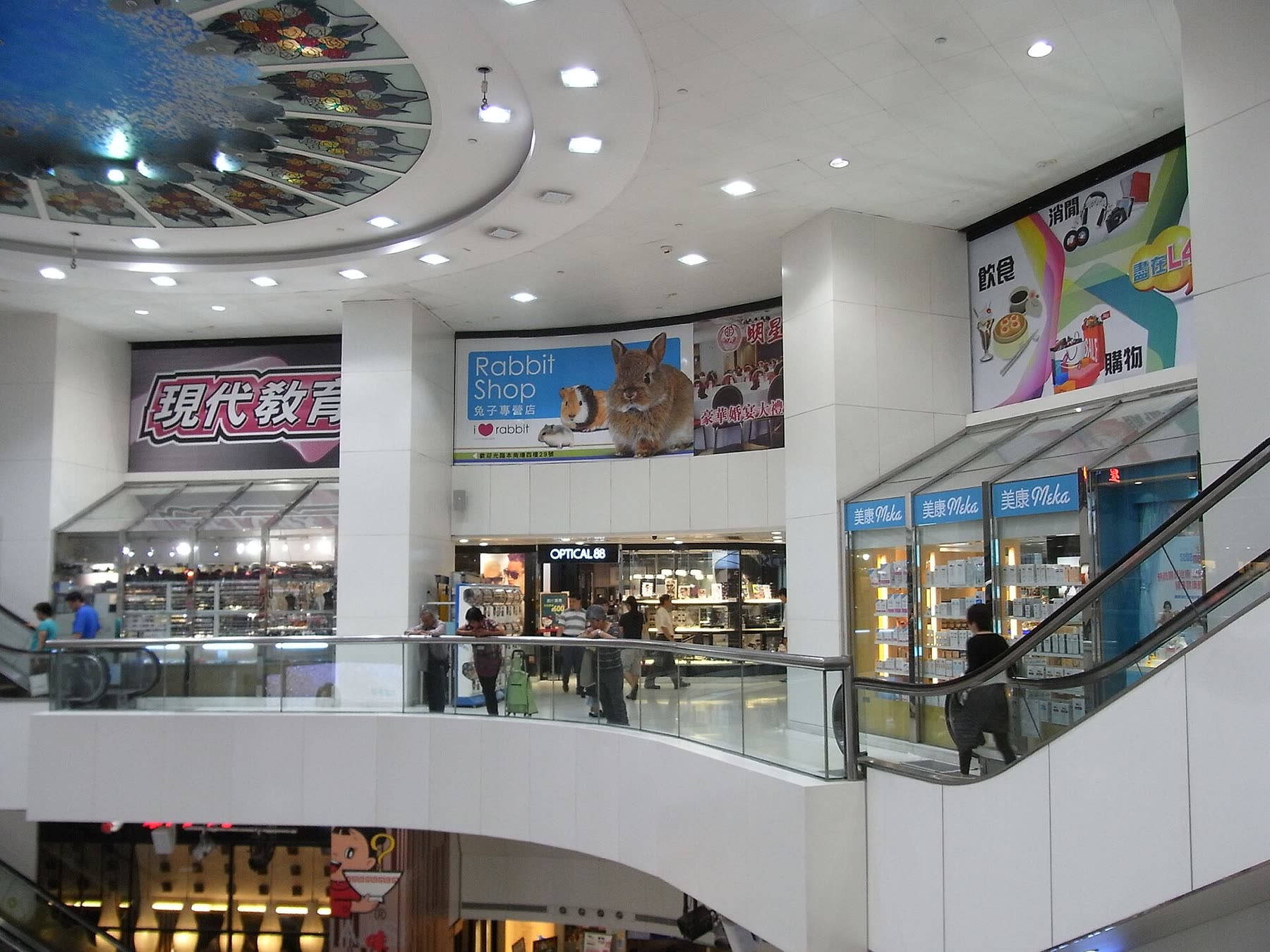
Applying Material Culture Thinking Across Different Marketplaces
Once you see products as cultural objects, marketplaces themselves become part of your material culture decisions.
How marketplace types differ culturally
- Large general retailers (big US platforms). Designed around speed, breadth, and convenience. They tend to foreground mainstream brands and familiar aesthetics. They work well when you’re buying largely functional items where identity and story are secondary, like replacement cables or bulk storage.
- Craft and niche platforms (handmade or vintage marketplaces). Built around uniqueness, maker identity, and story. They often highlight emotional value and symbolism, with sustainability narratives appearing via upcycling, small‑scale production, or vintage sourcing.
- Cross‑border marketplaces (including DHgate). These multi‑seller platforms can be useful when you’re exploring specific aesthetics, manufacturing styles, or niche cultural products that don’t appear widely in mainstream US retail. They also often appeal to value‑seeking buyers who are willing to compare many listings.
From a material culture perspective, using a cross‑border marketplace like DHgate can make sense if you:
- Want access to styles or product forms shaped by other manufacturing hubs and cultures.
- Are comfortable investing extra effort in reading listings closely — materials, design details, and seller information — to align purchases with your identity and sustainability priorities.
It’s less aligned with material‑culture‑driven shopping if you’re seeking a single, highly curated brand story or a marketplace that pre‑screens everything for strict sustainability or ethics criteria. In that case, smaller retailers or clearly mission‑driven brands might fit better.
Balancing price, symbolism, and sustainability across platforms
Material culture thinking doesn’t tell you which marketplace is “best.” It helps you balance:
- Cost vs. identity fit. A cheaper item that feels wrong in your life can be more wasteful than a slightly pricier one you use constantly.
- Symbolism vs. comfort. If you’re uneasy about the social message a logo, style, or aesthetic sends, that discomfort is a real cost.
- Sustainability signals vs. practicality. A greener option still has to work for your budget, your space, and your routines.
Across big retailers, craft sites, and cross‑border marketplaces like DHgate, ask:
- Does this product fit the culture of my daily life, not just an aspirational mood board?
- What identity and status signals will it send in the places I’ll actually use it?
- Is there a realistic chance I’ll form a long‑term emotional attachment to it?
- Do the sustainability and ethics signals in the listing match the level of responsibility I’m aiming for right now?
Answering those questions turns material culture from theory into a practical filter for modern shopping, helping you build a set of objects — and marketplace habits — that reflect who you are and what you care about.