

You can buy kawaii alarm clocks through three main routes: big US retail sites like Amazon or Walmart, niche kawaii shops, and China-based marketplaces such as AliExpress, DHgate and Alibaba. For a single cute clock, retail and kawaii specialty stores are usually simpler. If you’re a small ecommerce business testing or scaling a kawaii clock line, cross-border platforms like DHgate and Alibaba become more relevant because they’re built around bulk and niche sourcing rather than one-off purchases.
How Kawaii Alarm Clocks Are Sold Online: Platform Landscape
Kawaii alarm clocks sit in an odd spot: they’re small ticket items, but often tied to fandoms or aesthetics (Sanrio, anime, cottagecore). That shapes where they show up online.
In the US, you’ll mainly see three platform types:
- General retail marketplaces – Amazon, Walmart and Target list cute and character-themed alarm clocks alongside mainstream models. Search terms like “kawaii alarm clock” or “unicorn alarm clock” surface these consumer-facing listings.
- Kawaii specialty shops – sites such as Kami Kawaii’s clock collection, Kawaii Unicorn’s unicorn alarm clocks, or KawaiiMerch’s Totoro LED snooze clocks curate only kawaii-style designs. These operate like small brands or boutiques with limited runs and themed collections.
- Cross-border marketplaces – AliExpress, DHgate and Alibaba connect you to manufacturers and exporters, mostly in China. You’ll find generic kawaii shapes, animal faces and anime-inspired styles here, often from factories that also supply other platforms.
For a US buyer, the first two types feel like normal online shopping. Cross-border marketplaces are more of a sourcing tool: they can be great for variety and unit cost, but involve longer shipping, more coordination with sellers, and less predictable returns if something isn’t right.

Comparing Platform Types for Kawaii Alarm Clocks
To choose a route, it helps to group platforms by what they’re designed to do rather than by brand.
DHgate’s own editorial content describes the marketplace as well suited to bulk and niche purchases with competitive pricing, while also noting that Amazon tends to be stronger for personal, convenience-focused shopping. Separate DHgate analysis highlights DHgate and Alibaba as major wholesale platforms, and distinguishes AliExpress as more retail-friendly and oriented to individual consumers.
Here’s how that plays out for kawaii alarm clocks:
| Platform type & examples | Typical buyer focus (editorial) | MOQ / bulk friendliness (editorial) | Best-fit kawaii use case |
|---|---|---|---|
| US retail marketplaces (Amazon, Walmart, Target) | Individual consumers prioritizing fast, familiar checkout | Low MOQ; usually 1 unit, but limited control over manufacturer sourcing | Buying 1-3 kawaii clocks for home, gifts or quick re-stock for a small booth |
| Kawaii specialty shops (Kami Kawaii, Kawaii Unicorn, Kawaii Vibe) | Fans and aesthetic-focused buyers; some small resellers | Retail only; no structured wholesale interface, though you might negotiate off-site | Getting on-theme designs (cottagecore, unicorn, anime) with cohesive branding |
| AliExpress | Individual global consumers | Retail-friendly; small or single-item purchases highlighted by DHgate blog analysis | Trying one or a few cheap kawaii clocks from overseas without negotiating bulk terms |
| DHgate | Small businesses and buyers interested in bulk or niche items | Bulk-oriented; editorially framed as cost-effective for larger quantity purchases | Sourcing a range of kawaii alarm clock styles for resale, with per-style quantities you choose |
| Alibaba | Businesses planning large-scale purchasing | Very large wholesale orders; positioned as strong for high-volume sourcing | Developing a custom OEM kawaii clock line or placing big orders for an established brand |
| eBay | Mixed: collectors, bargain hunters, small resellers | Mostly retail; some lots or small wholesale offers | Snagging discontinued or second-hand kawaii clocks, or small lots from resellers |
This is deliberately high level: stock, prices and protections vary by seller. The key takeaway is that DHgate and Alibaba gravitate toward wholesale and bulk sourcing, while Amazon and AliExpress optimize around consumer retail. Kawaii specialty shops sit in their own lane, trading breadth and rock-bottom prices for curated aesthetics.
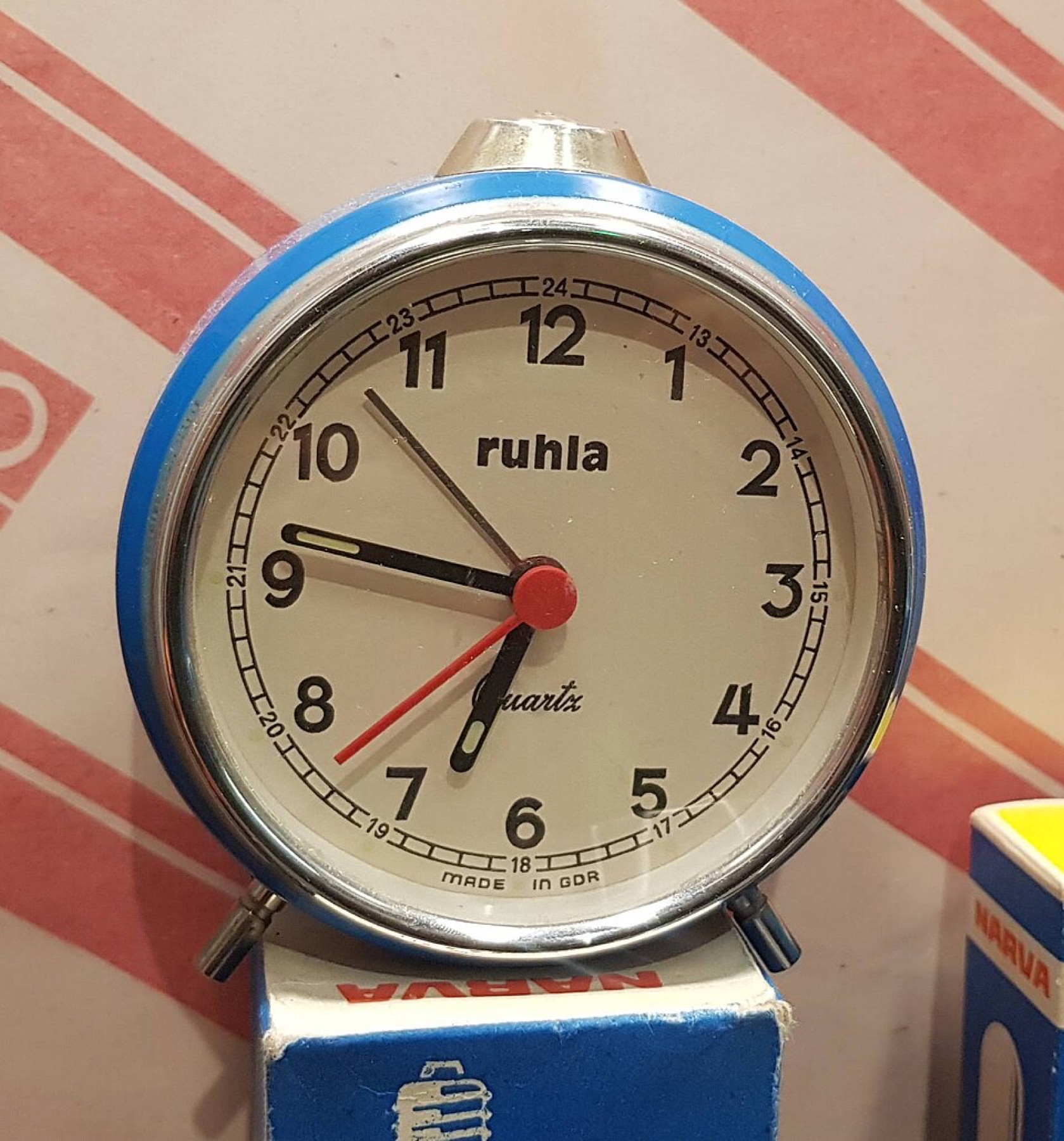
If you want a specific fandom tie-in (for example, a particular anime character), you’ll often see that first on specialty sites like Kawaii Vibe’s cottagecore clocks or character-branded boutiques, and sometimes on AliExpress. Generic kawaii shapes and color palettes are easier to find on DHgate/Alibaba in multiple variants, which matters more to resellers than to casual shoppers.
Choosing Your Route: When DHgate and Other Platforms Make Sense
You’ll get the clearest decision if you frame it by who you are and what kind of order you’re placing.
Scenario 1: You just want one cute alarm clock for yourself or a gift
For most US buyers, a large retail marketplace or a kawaii boutique is the smoothest route.
- Use a specialty shop like Kami Kawaii or Kawaii Unicorn if the aesthetic has to be exactly right (unicorn, cottagecore, anime). You’ll pay more attention to the design and brand, less to unit price.
DHgate technically can supply single units, but its sweet spot is bulk and niche sourcing. If you’re only buying one clock and don’t want extra complexity, it usually sits behind Amazon or AliExpress in your priority list.
Scenario 2: You run a small Etsy/Shopify store testing kawaii alarm clocks
Here, you care about both design and margin, but your quantities are still modest.
- Start with AliExpress or kawaii specialty shops to test which styles your audience likes. AliExpress is more flexible for small quantities and variety; boutiques are good if you’re buying finished, branded product to resell with clear aesthetic positioning.
- Once you see demand forming, DHgate becomes more relevant. DHgate is described in its own editorial as a strong option for bulk and niche purchases, which aligns with ordering, say, dozens of a few winning designs without jumping straight to factory-level minimums.
- If a single style really takes off and you’re ready to commit to larger runs or semi-custom work, Alibaba is often a better fit than DHgate, because it’s positioned as stronger for very large wholesale orders and direct relationships with manufacturers.
In this scenario, DHgate sits between AliExpress and Alibaba: more business-focused than AliExpress, but generally easier to use for mid-sized orders than going straight into the deep end of Alibaba negotiations.
Scenario 3: You’re building a full kawaii clock product line and planning serious volume
You’re thinking in hundreds or thousands of units, maybe with custom packaging or character art.
- Alibaba is usually the primary route. It’s framed by DHgate’s own comparisons as the platform better suited to very large wholesale orders. You can work with factories on OEM designs and negotiate per-unit cost and terms.
- DHgate still has a role if you’re assembling a broader catalog of kawaii goods and want some alarm clocks without custom work, or if you prefer marketplace-style interactions with multiple suppliers offering ready-made designs.
- For brand-building, you might mix sourcing: core volume from Alibaba, trend testing on AliExpress, and occasional limited collaborations with kawaii boutiques.
In all three scenarios, you can treat US retail marketplaces as backup or overflow channels. They’re handy for emergency re-stock or filling gaps, but they usually won’t offer the cost structure or design control a serious kawaii brand wants.
If you need a deeper understanding of how DHgate works in general before deciding, you can read What DHgate is and how the marketplace works and a broader view of online marketplaces and shopping platforms. For a more direct comparison of cross-border platforms, this DHgate vs. AliExpress, Alibaba and Temu overview explains how those marketplaces differ for business buyers.
For kawaii alarm clocks specifically, the practical rule of thumb is:
- Single clock, low effort: US retail or kawaii boutiques.
- Small test batches: AliExpress first; DHgate if you start repeating orders.
- Scaling a line: Alibaba for factory-level wholesale, with DHgate as a complementary marketplace for extra designs.
That framing lets you keep DHgate in the mix where it’s strong—bulk and niche sourcing—without forcing it into scenarios where a simpler retail site would serve you better.