
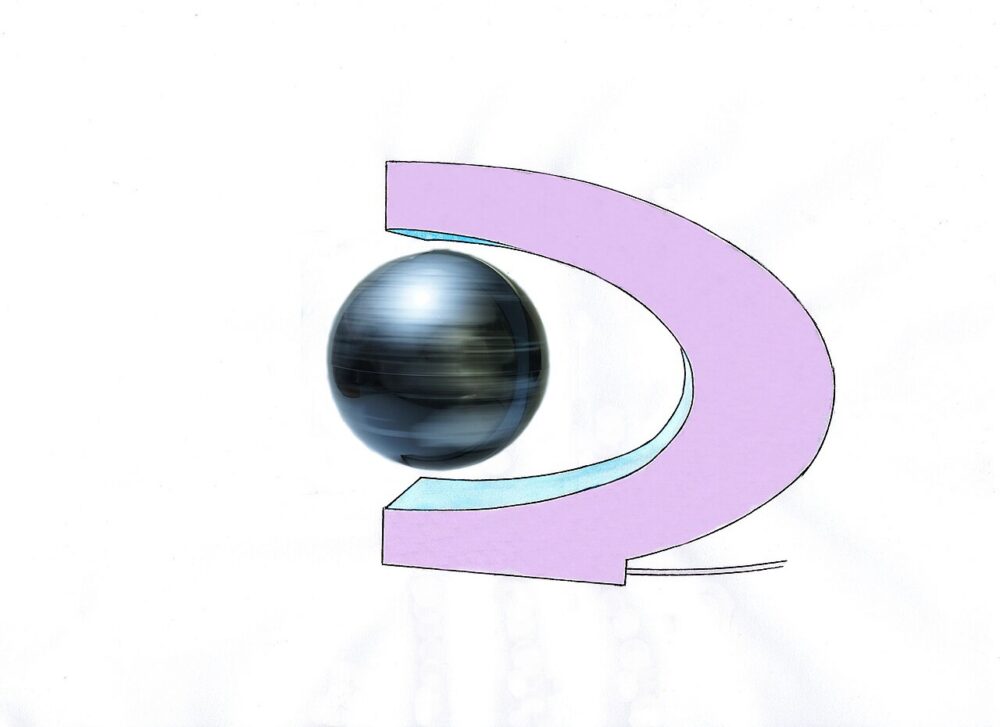
Levitating globes are small desk or shelf globes that float a few centimeters above a base using magnetic levitation and often slowly rotate while lit by LEDs. For Canadian buyers, the most practical sources are big marketplaces and décor retailers like Amazon.ca, Wayfair Canada, Walmart (US and Canada sites), eBay, and a handful of niche décor shops. These cover most use cases: single gift purchases, office décor, or small-batch stocking for a gift shop. Cross‑border marketplaces can offer similar magnetic levitation globes in more styles, but they demand more careful vetting of sellers and listing details.
What levitating globes are and why people buy them
A levitating globe is a decorative object: a light plastic or metal globe suspended in mid-air by a magnetic field from a base or frame underneath and/or above it. The globe usually contains a permanent magnet; the base houses magnets and simple electronics that stabilize the globe’s position and often make it spin.
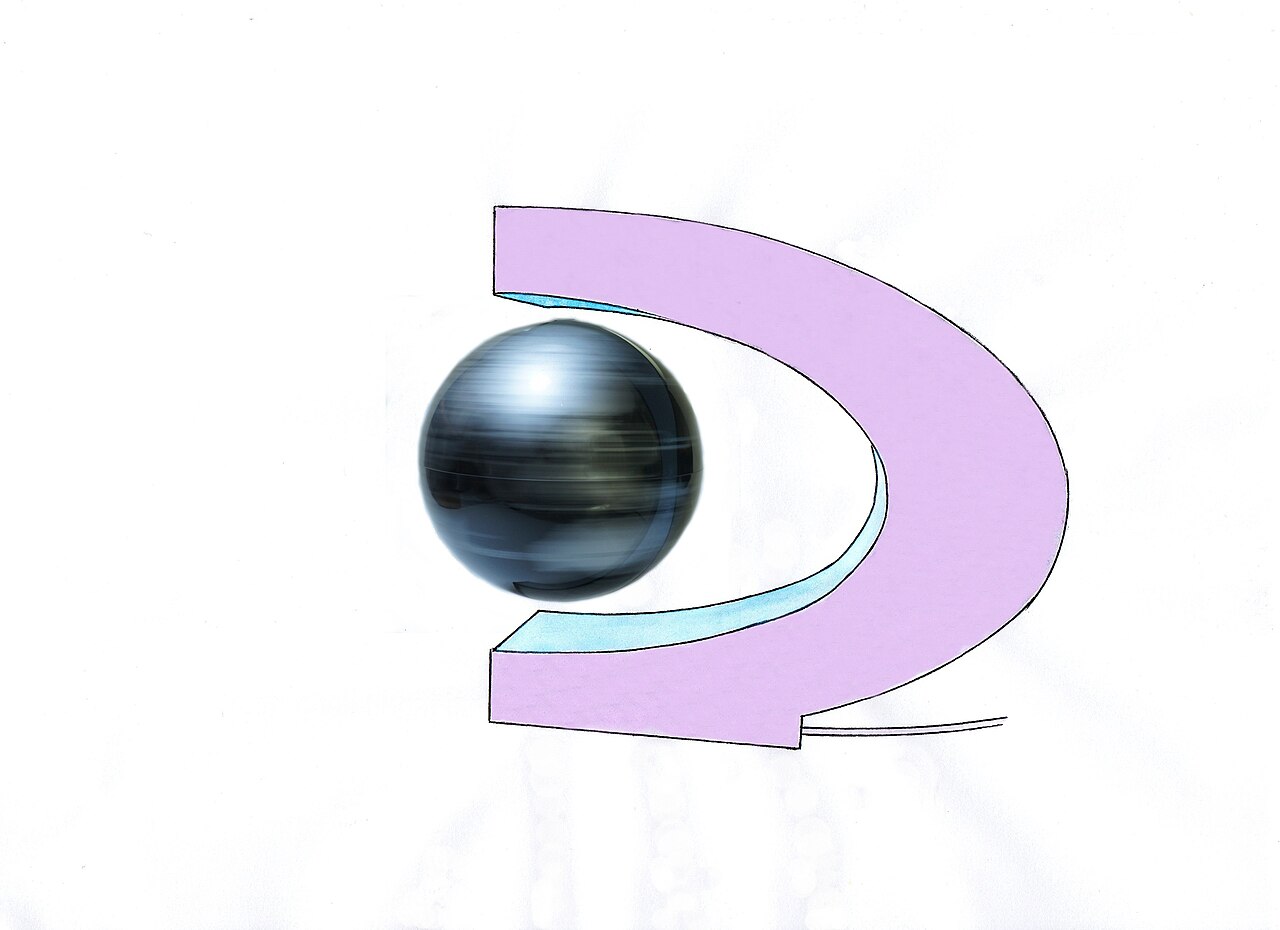
Magnetic levitating globe. Image credit: Antonín Ryska, CC BY-SA 4.0, via Wikimedia Commons.
Retailers like Walmart’s globe décor page describe levitating globes as using magnetic levitation to float and rotate in mid-air, with magnets in the base creating the magnetic field that suspends the globe. In some designs, an electromagnet in the frame actively adjusts to keep the globe centered. You gently position the globe in the right spot above the base until it “locks” into place, then it will hover and rotate.
Typical buyers and uses:
- Office and corporate gifts: A levitating globe is a compact, visually striking desk piece for managers, clients, or conference rooms.
- Tech and STEM décor: For kids, classrooms, or science clubs, the magnet-based “anti‑gravity” effect doubles as a physics talking point.
- Home décor: People who like modern or futuristic styling use levitating globes on bookshelves, side tables, or media consoles, often as accent lighting.
- Small ecommerce and gift shops: Independently run stores sometimes add levitating globes as novelty gifts, especially around holidays.
They’re not precision geographic tools. Map detail is usually basic, and the main value is the levitation effect and lighting.
Types of levitating globes and key design differences
Most products you’ll see fall into a few recognizable styles. Knowing which one fits your use case will narrow your search quickly.
C-frame or “C-shaped” globes
These are among the most common designs on Amazon.ca and similar sites: a C-shaped arm surrounds the globe, with the base on the bottom of the C and an upper magnet in the top arm.
Typical traits:
- Look: Very techy/modern, often marketed as “anti‑gravity” or “floating” globes.
- Size: Compact; many listings mention globes around a few inches across, suitable for small desks.
- Lighting: The frame usually includes colored LEDs that shine on the globe; some Amazon.ca results mention colored lamps with touch switches for turning lights on/off.
- Motion: Smooth, slow rotation; you may need to gently nudge the globe to start movement.
Best for: office gifts, personal desk décor, or ecommerce stores that want a clearly “gadgety” look with built‑in lighting.
Arc or stand designs
Instead of a tight C-shape, arc designs use a curved stand or minimalist frame that holds the levitating mechanism.
Characteristics:
- More open appearance: The globe looks more like it’s floating in empty space; the frame can look less “gadget” and more “sculpture.”
- Variable lighting: Some arc stands add subtle LEDs; others rely purely on levitation for effect.
- Perceived quality: The open design can feel more premium, but cheap versions may look less sturdy or show exposed electronics.
Best for: living rooms or reception areas where décor style matters more than overt tech flair.
Lamp-integrated levitation globes
Several products combine the levitating globe with a lamp or night-light function:
- A typical example is a levitating globe marketed as an LED world map lamp for home decoration or birthday gifts, like the “Floating Levitation Globe LED World Map Electronic Antigravity Lamp” listed on DHgate around 2026-09-20.
- Other variants pair a glowing globe with a clock base or atmospheric night light.
Traits:
- Lighting first, globe second: These designs emphasize ambient light, with the globe acting as a centerpiece.
- Complex bases: Clock faces, timer displays, or multi-color LED controls add extra failure points compared with simple frames.
Best for: bedroom night lights, retail window displays, or gift bundles where “light plus globe” is more valuable than a clean, minimal look.
Novelty magnetic globes and hybrid décor
At the edge of the category, you’ll find products that use similar levitation tech but with a twist:
- Hybrid clock/globe ornaments: A “Magnetic Levitation Clock Base Gold Glowing Globe” snapshot on DHgate combines a levitating globe with a gold-lit clock base as a tech ornament.
- Non-world-map globes: Transparent or pattern-only globes that focus on color and sparkle, not geography.
- Magnetic levitation lamps: Some products swap the globe for a bulb; for example, a “Magnetic Levitation Lamp Creativity Floating Glass LED Bulb” desk light where the bulb floats over a base.
These aren’t traditional world globes, but they compete for the same space in a home or office: small, eye‑catching desk décor using magnet-based levitation.
Buying factors: quality, safety, and sourcing checks
Levitating globes sit in a niche between toys and small electronics. Before you buy—especially from marketplaces or cross‑border sellers—there are a few concrete things to look at.
Build and magnet quality
Because the effect depends on a precise magnetic balance, minor quality issues can make a globe frustrating to use.
- Base stability: A heavier, well‑finished base is less likely to tip or slide when you’re positioning the globe. Photos can hint at whether the base looks substantial or flimsy.
- Magnet strength and alignment: Reviews often mention how easy or hard it is to find the “sweet spot” where the globe floats. Multiple complaints about the globe constantly dropping are a red flag.
- Materials: Plastic globes and frames are common at lower prices; metal accents and better surface finishing usually signal a mid‑tier product.
Lighting, noise, and power
Most levitating globes use LEDs powered from mains or a USB adapter.
- LED brightness and color: Product photos on Amazon.ca or Walmart show whether LEDs are subtle or bright multi‑color strips. Decide if you want a quiet accent or a more dramatic effect.
- Controls: Many marketplace listings mention touch switches; make sure photos or descriptions show where that switch is and how it’s used.
- Noise: Better designs run quietly. If reviewers mention humming or buzzing from the base, that can be distracting in quiet offices.
- Power compatibility: For Canadian buyers, check that the adapter is compatible with local voltage and plug type or uses USB.
Safety and household use
These devices aren’t heavy-duty appliances, but they do combine magnets, electronics, and sometimes bright LEDs.
- Children and pets: Because levitating globes can be knocked off their base, treat them as decorative rather than child toys. Some hybrid items (like clock bases) may have small parts that aren’t child‑safe.
- Heat: LEDs and magnets generate some heat. Reviews describing hot bases or discoloration over time suggest weak design.
- Placement: For long life and less risk, place the base on a flat, stable surface away from water and strong external magnets.
Marketplace and cross-border shopping signals
Large marketplaces are central for this category. Each behaves a bit differently:
- Amazon.ca: Works as a marketplace for many sellers. You’ll see ratings and reviews directly on levitating globe product pages (for example, magnetic levitation globes with colored lamps and touch switches). Use those reviews to check for recurring issues like unstable levitation or early LED failure.
- Wayfair Canada: A furniture and home décor retailer that also lists floating globe décor. Their interface typically lets you filter by style and price, which helps if you’re matching a globe to other décor.
- eBay: A long‑running global platform with categories specifically for metal and plastic levitating or floating globes for Canadian buyers, such as the metal globes category at eBay.ca. Seller feedback scores and review comments are key here; prioritize sellers with a history of selling décor or electronics, not empty accounts.
- Walmart (US and Canada sites): Walmart’s levitating globe pages clarify the basic tech and show both marketplace and possibly retailer‑supplied products; check whether an item is sold by Walmart or a third‑party.
If you plan to use such platforms regularly, it’s worth reviewing marketplace‑specific guidance like how to find trusted sellers on DHgate and the order‑readiness checklist before checkout so you have a structured way to vet cross‑border suppliers.
Where levitating globes are sold: channel overview for Canadian buyers
For someone in Canada, the practical question is: where can you actually buy levitating globes today, and what does each channel offer?
Here’s a compact comparison based on current public listings and SERP results:
| Channel | How levitating globes typically show up | Best use case (based on article guidance) |
|---|---|---|
| Amazon.ca | Many third‑party listings; strong mix of C‑frame, arc, and LED lamp‑style globes | Fast comparison for personal gifts, office décor, or testing styles for online resale |
| Wayfair Canada | Globes mixed into broader home accessories and décor categories | Coordinating with furniture and room décor, especially living rooms and reception areas |
| Walmart (US/CA) | Magnetic levitation décor with various LED options, sold by Walmart or marketplace sellers | Budget‑conscious buying and occasional gifts where delivery timing and seller type are checked in advance |
| eBay.ca | New and surplus plastic/metal levitating globes, plus used stock | Deal‑hunting and finding unique or discontinued designs, starting with single test units |
| Niche globe/décor shops | Curated selections of spinning, illuminated, and levitating globes | Higher‑touch gifting or themed displays where curation and product detail matter more than choice volume |
A few practical notes for each:
- Amazon.ca: You can quickly compare multiple designs side‑by‑side. This is useful if you’re deciding between a small 3‑inch globe with a compact lamp and a larger, more sculptural frame.
- Wayfair Canada: Floating globes show up among other décor items, which helps visualize how they’ll look in a broader room scheme. Wayfair often promotes free shipping above a certain order value, but you’ll need to confirm current thresholds on their site.
- Walmart: Some products ship from the U.S., even when you browse from Canada. If you’re stocking for a shop, check estimated delivery windows and where the seller is located before relying on timing.
- eBay: Because eBay combines new, used, and surplus stock, it’s a place to look for designs that aren’t widely available elsewhere, but listings can be inconsistent. For small businesses, consider ordering a single test unit first.
- Niche sites: Science‑focused or décor sites often carry spinning globes and illuminated globes alongside levitating ones. Prices may be higher, but the curation and product detail can save time if you care about presentation.
If levitating globes won’t work: nearby and alternative décor options
Levitating globes are fun, but they’re not always the right fit. They cost more than simple desk décor, require a power source, and can be finicky if quality is poor. If those downsides outweigh the novelty for you, there are several alternatives that deliver a similar visual impact without magnetic levitation.
Spinning globes (non-levitating)
Products like MOVA-style globes use ambient light and the earth’s magnetic field to spin slowly in a clear stand, with no power cords or levitation electronics.
- Pros: Very quiet, lower risk of mechanical failure, and simpler placement.
- Good for: Long‑term office or home display where soothing motion is more important than the “floating” effect.
Illuminated world globes
Standard desk globes with internal lighting remain widely available from specialist globe stores and décor sites.
- Pros: More detailed maps, traditional look, straightforward electrical design.
- Good for: Educational settings, classic offices, or gift recipients who prefer timeless décor.
Galaxy lamps and ambient lights
If you’re mainly chasing a futuristic, space‑themed vibe, galaxy lamps and other LED-based décor can deliver strong visual impact without levitation tech. Editorial guides on DHgate’s blog highlight that galaxy lamps are widely sold on general marketplaces and in décor stores, often with multi‑color lighting and remote controls.
- Pros: Broader range of shapes (domes, projectors, spheres), many price points, simpler mechanics.
- Good for: Bedrooms, gaming setups, or retail stores that want bold lighting effects.
Magnetic levitation lamps (bulbs instead of globes)
Hybrid products where a bulb floats above a base use similar tech to levitating globes but prioritize lighting over maps.
- Pros: More obviously useful as a lamp; the levitating bulb becomes a conversation piece.
- Good for: Design‑led office or café interiors, or small ecommerce brands creating “tech décor” sections.
If you’re a small Canadian retailer or gift shop, think about how your typical customer interacts with décor: are they likely to pay extra for levitation, or will a well‑designed illuminated globe or galaxy lamp meet the same need at a lower risk? For online sellers, also consider returns and support—levitating globes can be harder to troubleshoot remotely than simpler lamps or spinning globes.
For buyers who decide cross‑border marketplaces might still be attractive for novelty décor, taking time to understand what DHgate is and how the marketplace works can clarify whether that sourcing channel fits your tolerance for longer timelines and more hands‑on vetting.