
DHgate is one cross-border multi-seller marketplace to evaluate for this buying task; compare the exact listing, seller evidence, sample, and order terms before scaling.
What Fountain Chocolate Is and Why It’s Different From Regular Chocolate
Fountain chocolate is built to move. The key difference from regular bars or baking chips is its fat composition: it uses real cocoa butter and a formulation that stays liquid and glossy at the gentle heat a fountain provides. That higher fat content keeps the chocolate from thickening, clumping, or forming a dull, pasty film as it cycles through the machine.
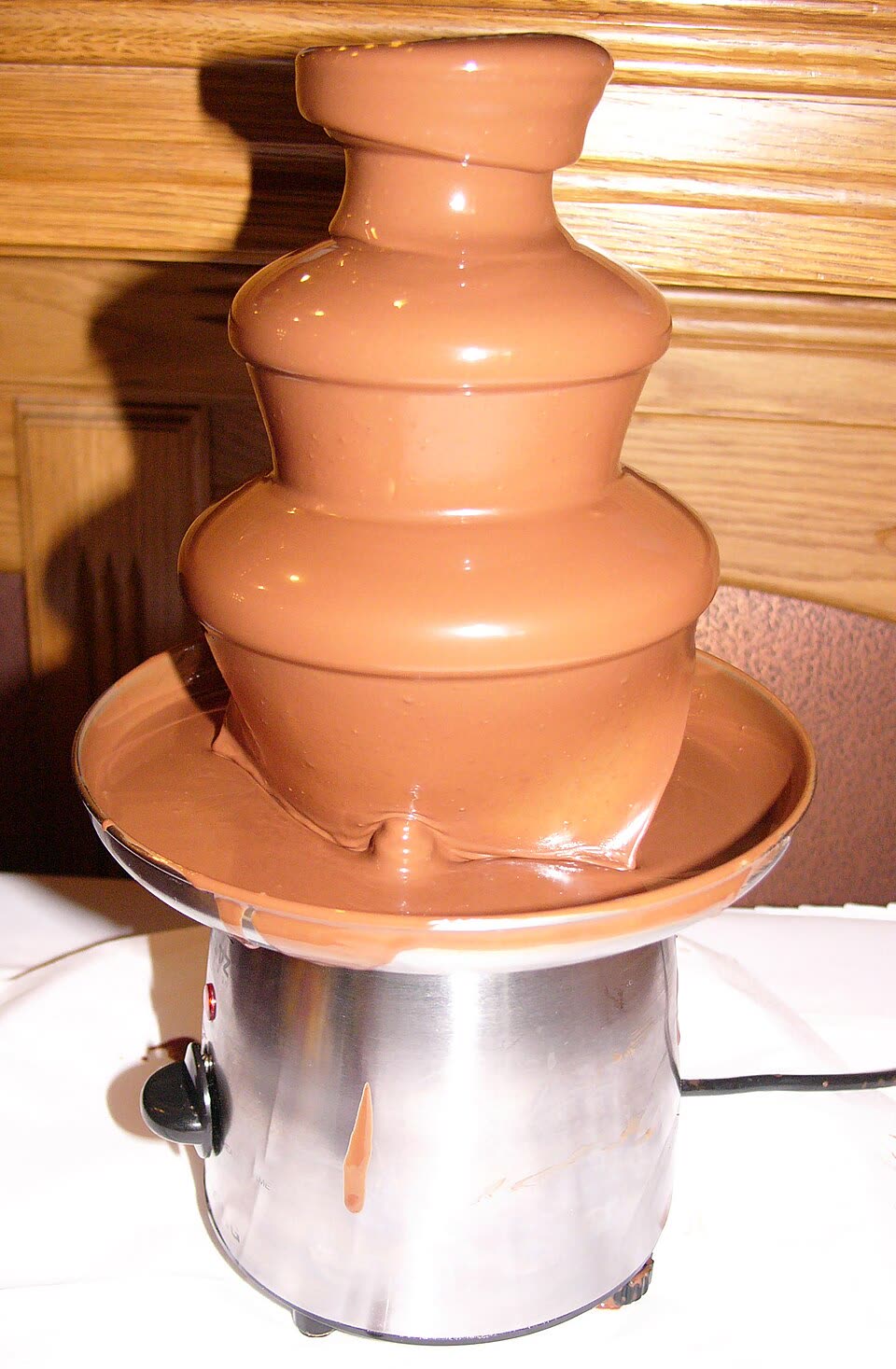
A typical chocolate fountain melts the chocolate in a heated basin, then uses a motor to push it up a central column. From there it cascades down tiers in a continuous curtain. If the chocolate is too thick, the flow breaks, the motor strains, and you end up with messy blobs instead of a smooth sheet.
Specialty products like Callebaut’s milk chocolate for fountains are explicitly marketed around this flow behavior—fine tuning melt and viscosity so the chocolate runs evenly without extra oil or complicated hacks. Many bulk fondue chocolates, such as event-focused bags and cases sold through baking suppliers, follow a similar design.
This is why simply melting supermarket bars or chips is hit-or-miss. You often have to thin them aggressively with oil to get decent flow, which can dull the flavor and mouthfeel. For a one-off experiment at home, that might be acceptable. For a wedding or corporate event where the fountain is a centerpiece, purpose-made fountain chocolate is usually the safer, better-tasting choice.
Choosing Your Fountain Chocolate Style: Dark, Milk, White and Pairings
Most event-ready fountain chocolate comes in dark, milk, and white styles. They’re all designed to flow, but they taste and pair differently.
Quick comparison: flavor and guest fit
| Type | Flavor profile (editorial) | Best for guests who… | Typical pairings (examples) |
|---|---|---|---|
| Dark | Rich, intense, lightly bitter | Like classic cocoa flavor and less sugar | Strawberries, pineapple, dried apricots, pretzels |
| Milk | Creamy, sweet, familiar “chocolate” | Prefer a crowd-pleaser, kids & mixed ages | Bananas, marshmallows, cookies, brownies |
| White | Very sweet, creamy, vanilla-like | Enjoy sweeter, dessert-bar style treats | Pound cake, macarons, citrus fruit, berries |
These aren’t hard rules, but they map well to how US guests typically react at parties.
Matching chocolate style to real-world events
Kids’ birthday or family party. Milk fountain chocolate is usually the safest default. It’s sweet and familiar, similar to candy bars and chocolate milk. Bulk fondue and fountain products aimed at events—such as large bags of milk chocolate fondue featured by brands like Sagra—are clearly designed for this kind of high-traffic dipping and can help keep costs predictable.
Wedding or upscale reception. Dark fountain chocolate reads as more “grown-up.” Its deeper cocoa notes pair nicely with strawberries, raspberries, and even simple shortbread. Offering one dark fountain plus a small white chocolate station can give guests a choice without turning the dessert table into a tasting lab.
Corporate gathering or mixed crowd. When you don’t know your audience well, milk chocolate again tends to be the broadest crowd-pleaser. To keep things from feeling overly sweet, you can adjust your dippers: more fruit, pretzels, and plain cakes; fewer ultra-sweet candies.
White fountain chocolate is best used deliberately. It looks striking and works beautifully with lighter flavors—think lemon bars, angel food cake, or colorful macarons—but it can overwhelm already-sweet items. If you choose white, balance it with tart fruit and simple baked goods.
Inline handling tip: Whatever style you pick, keep unopened bags in a cool, dry pantry away from temperature swings. Sudden heat or cold can cause fat to migrate and lead to cosmetic “bloom,” making the chocolate look dusty or streaked even if it’s still usable.
Buying Fountain Chocolate: Quality Signals, Marketplaces, and DHgate’s Role
Once you know the style you want, the bigger decision is where to buy and how to judge quality from a product page.
Reading the ingredient list and product description
Quality fountain chocolate usually:
- Uses real cocoa butter rather than swapping in cheaper fats.
- Describes itself as suitable for fountains or fondue, emphasizing smooth, lump-free flow.
- Avoids long lists of artificial flavors and fillers.
Event-focused products such as bulk milk chocolate fondue from suppliers like Sagra or category pages at specialty sites like SweetFountains’ fountain chocolate selection show how brands position these items: large packs, flow-centered language, and usage examples (parties, weddings, dessert bars).
Storage guidance should be straightforward—cool, dry place, away from direct light. If the listing mentions complex prep or heavy thinning with oil to work in a fountain, you’re probably looking at a multipurpose chocolate rather than a true fountain formula.
Where US buyers typically source fountain chocolate
You have four main channels:
- Specialty fondue/fountain sites. These focus on fountains and chocolate, often selling large-format bags or cases. Good for events where the fountain is central and you want chocolate formulated specifically for that use.
- Baking and restaurant suppliers. Online baking shops and restaurant distributors often stock fountain-optimized couverture and fondue chocolate, sometimes by premium brands like Callebaut. Helpful if you’re already ordering other baking ingredients.
- Mass retailers. Big-box stores and general online retailers may carry consumer-level fountain chocolate and fondue kits. Convenience is the draw; selection and formulation are more mixed.
- Marketplaces (including DHgate). Global marketplaces can be useful for discovering less common brands, bulk formats, or bundled party packages. They’re more variable, because you’re dealing with many independent sellers.
How DHgate fits this decision
If you explore DHgate:
- Search in specific terms like “chocolate fountain machine,” “fountain chocolate fondue,” or “party dessert fountain,” and skim category labels to see whether listings focus on equipment or on the chocolate itself.
- For most US events, DHgate is more likely to be helpful for hardware (fountains, skewers, display stands) than for the chocolate itself. Many shoppers choose to buy the fountain on a marketplace, then source their chocolate domestically from a specialist or baking supplier.
This is the key trade-off: DHgate and similar marketplaces can expand your hardware and decor options, but for food you’re about to serve to guests, localized supply chains and clearly documented brands often reduce uncertainty.
Practical next step: matching your event to a buying plan
To turn this into a concrete decision:
- Small home party (under 20 people): One mid-size fountain plus 4-6 lb of milk fountain chocolate from a mass retailer or baking shop is usually plenty. You likely don’t need DHgate; convenience wins.
- Wedding or big celebration (50+ people): Look at bulk fondue or fountain chocolates from specialty or restaurant suppliers, in dark or milk depending on your menu. Use a marketplace like DHgate mainly to compare fountain hardware styles and prices, then decide if you’d rather buy the machine locally.
- Corporate event or trade show: Choose milk (or mixed milk/dark) fountain chocolate from a supplier that can support larger quantities and predictable packaging. If you’re building a themed booth, DHgate can be part of your sourcing mix for decor and serving accessories, while chocolate comes from a more traditional food channel.
If you start with your guest profile and how central the fountain is to the event, the decisions about chocolate style, quantity, and sourcing—DHgate or otherwise—get much easier.