
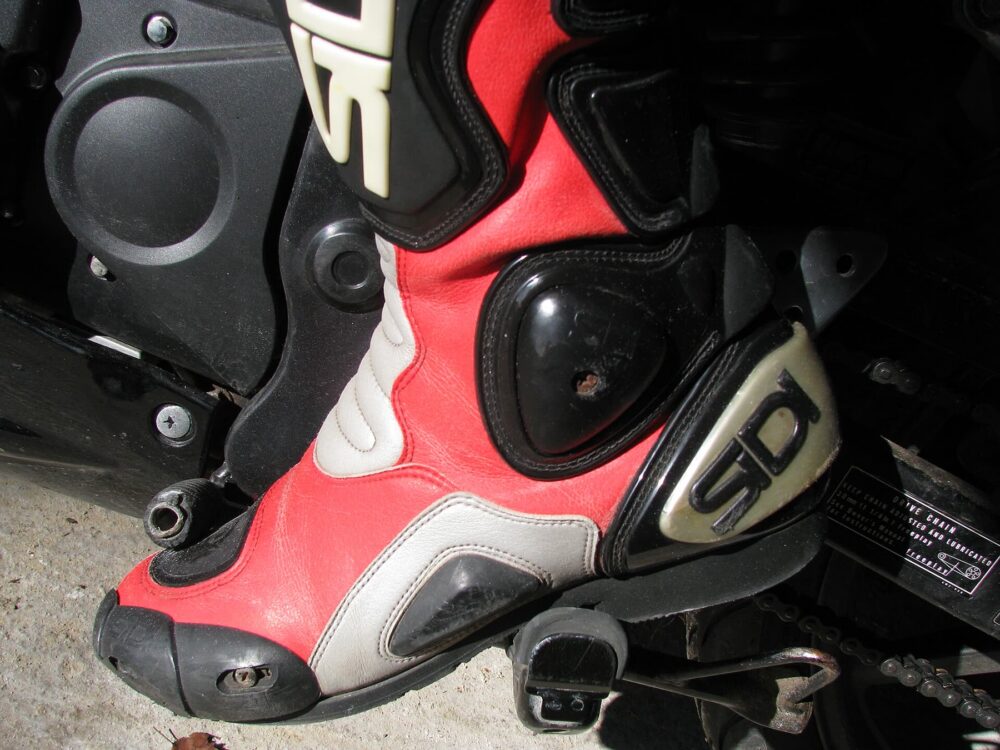
Motorcycle boots are designed to give your feet and ankles better coverage and abrasion resistance than regular shoes, but they only help if you choose the right type and size. For most US riders, the best boot is snug (not loose), covers your ankle, uses sturdy materials like treated leather, and matches how you actually ride: commuting, long touring, track days, dirt, or mixed adventure. When you buy online—whether from DHgate, a US retailer, or a brand site—sizing scales, materials, and protection can vary, so you need a clear measuring routine and a careful look at each listing.
What Motorcycle Boots Are For and Which Style Fits Your Riding
Motorcycle boots are built to reduce foot and ankle injury risk in crashes compared with everyday sneakers or fashion boots. They typically add:
- Over-the-ankle coverage to help limit twisting and trapping
- Stiffer soles, often with an internal shank, to resist folding
- Reinforced toe and heel areas, sometimes with sliders for sport riding
- Grippy, oil-resistant outsoles for better traction on pavement
Here’s how common boot types line up with real-world use:
| Boot type | Typical use in the US | Comfort vs. protection (editorial view) |
|---|---|---|
| Street | Daily commuting, short urban rides | High comfort, moderate protection |
| Sport / Track | Track days, aggressive sportbike riding | High protection, lower walk-around comfort |
| Touring | Long highway trips, weekend tours | High comfort, good all-day protection |
| Dirt | Motocross, trails, off-road only | Maximum lower-leg protection, poor walking |
| Adventure | Mixed pavement and dirt, ADV bikes | Middle ground: more rugged than touring, less protective than pure dirt |
If you mostly commute and walk around in your gear, a street or touring boot often makes sense. If your calendar includes track days or serious canyon riding, a sport/track boot with hard armor and replaceable sliders may be worth the stiffness. Off-road and ADV riders usually look at dirt or adventure boots that extend higher up the leg and use big plastic or composite panels over the shin and ankles.
How to Measure, Size, and Test-Fit Motorcycle Boots
Buying boots online means you often can’t try them on first, and brands may use US or EU sizing. A practical way to get close before you order is to measure your foot and then cross-check the brand’s chart.
1. Measure your foot length at home
Use this widely recommended method, similar to guidance from Forma USA’s sizing page:
- Place a sheet of paper flat against a wall.
- Stand on the paper with your heel lightly touching the wall, weight evenly distributed.
- Mark where your longest toe ends.
- Measure from the wall edge to that mark; this is your foot length.
- Repeat for the other foot and use the longer measurement.
Brands vary in how much internal allowance they design into their boots, so treat your measurement as a starting point, then follow each brand’s chart rather than assuming a generic conversion.
2. Confirm the sizing scale (US vs. EU)
Motorcycle boot makers and sellers may list sizes in:
- US men’s / women’s
- EU (often a single unisex scale)
When you’re shopping on DHgate or any cross-border site, double-check which scale is used in the size dropdown and description. Compare:
- Your measured foot length
- The brand or seller’s own size chart (ideally in centimeters)
Avoid listings that only say something vague like “fits true to size” with no chart.
3. Factor in socks and width
Think about what you actually wear when riding:
- If you use thick merino or padded moto socks, you might need a bit more internal room.
- If you have wide feet, look for notes like “wide fit” or check reviews for comments about tight insteps or narrow toe boxes.
Put on your usual riding socks any time you’re test-fitting at home; thin everyday socks can mislead you.
4. Do a real-world fit check at home
Once the boots arrive, spend a few minutes moving in them before you commit:
- The boot should feel snug but not painful, with no localized pinch at the little toe, instep, or Achilles.
- Your heel should stay mostly in place when you walk—excess lift suggests the boot is too big.
- You should be able to wiggle your toes and flex your ankle slightly, even though a proper boot will feel stiffer than sneakers.
- Sit on your bike (engine off) and practice shifting and braking. Make sure the toe box isn’t so tall or stiff that it fights the shifter.
Best-practice guidance, such as the fit tips collected by Rips & Rides, is that boots should feel securely fitted with room for your socks and no hot spots when walking or using the controls. If you’re on the fence, slightly snug usually breaks in better than noticeably loose.
Key Buying Factors and Where DHgate Fits Among Marketplaces
Once you know your size range, the next decision is which boots and where to buy them. Several construction details matter more than branding.
Materials and boot height
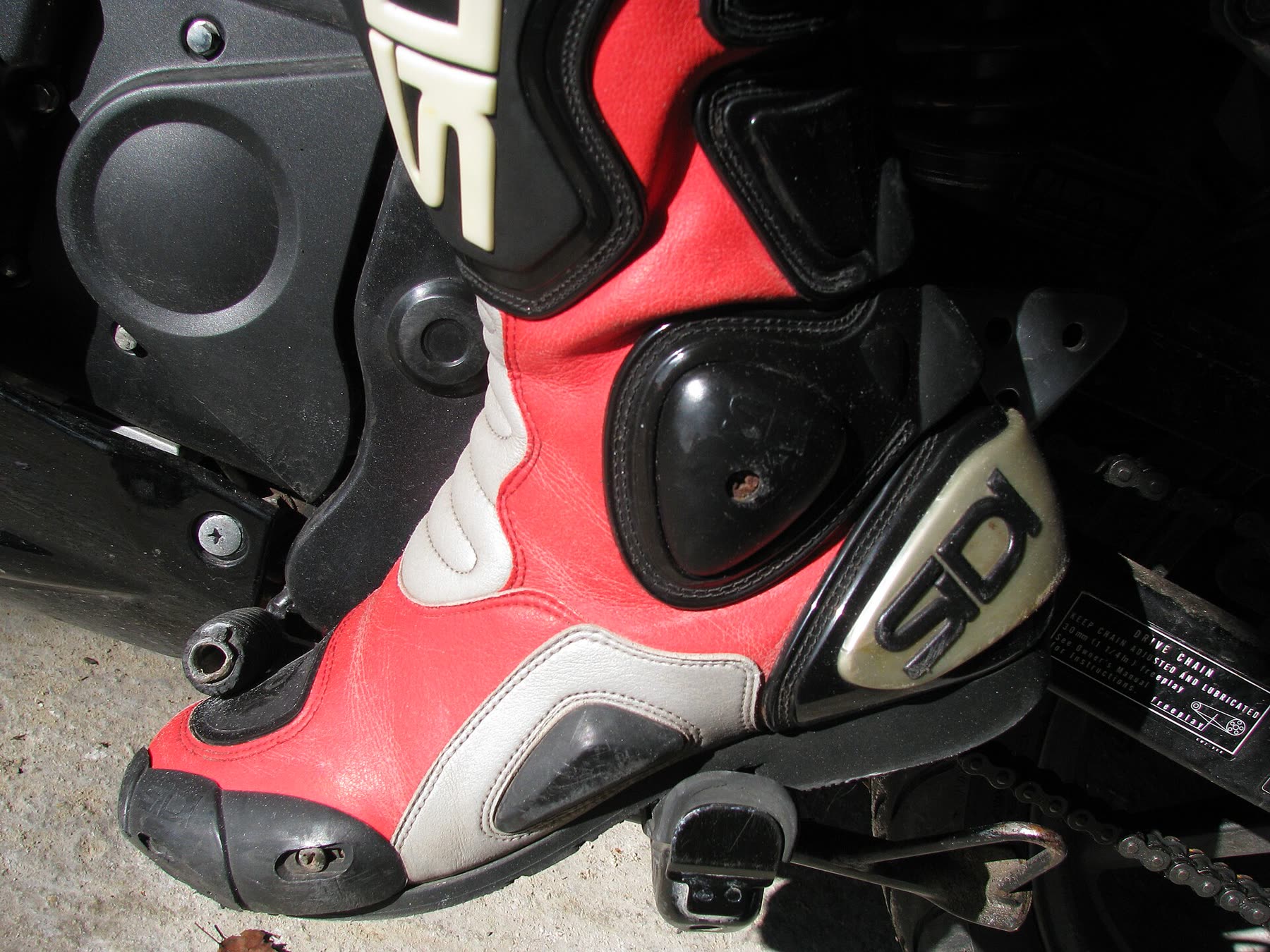
For most riders, treated leather or purpose-built synthetic uppers generally offer better abrasion resistance and coverage than canvas or fashion-style soft leather. Treated leather is designed to handle rough use and usually resists water better than untreated leather, which can soak up moisture and feel clammy.
Over-the-ankle height typically gives better ankle coverage than low-cut shoes. Many safety-focused guides recommend boots that rise clearly above the ankle bone so they can help support the joint and provide more material between your leg and the ground in a slide.
Soles, armor, and closures
Look closely at these elements in product photos and descriptions:
- Soles: Oil-resistant rubber patterns are often favored because they can improve grip on wet pavement or oil-stained parking lots. Some boots use softer rubber for more traction but faster wear; others use harder compounds that last longer but feel slicker.
- Internal shank: Many motorcycle boots include a reinforcing insert to help the sole resist bending sharply at the arch.
- Armor: Some models add plastic, composite, or textile armor over the ankle bones, shin, and heel, plus toe sliders on sport boots. These pieces are designed to spread impact forces and add abrasion resistance.
- Closures: Laces, Velcro straps, buckles, zippers, or ratcheting systems. Laces can work, but many riders prefer an extra strap or cover to keep them from snagging on pegs or controls.
Price versus safety and comfort
You’re not just buying a fashion item; you’re buying gear that’s designed to support and protect your feet while riding. Very low-priced boots may cut corners on stitching, materials, or armor. That doesn’t mean expensive is always better, but it’s sensible to:
- Decide your budget for boots after setting aside money for a DOT-compliant helmet and basic protective clothing.
- Compare the material description, reinforcements, and sole design, not just the logo.
How DHgate compares with other places to buy boots
DHgate is a large cross-border marketplace with many independent sellers, which can be useful if you’re hunting for budget-friendly or less common styles. As a buyer-first guide, DHgateWiki’s view is that DHgate is one option you should weigh against US-focused retailers and brand-direct sites.
On DHgate listings, pay close attention to:
- Sizing information: Does the seller clearly specify US or EU sizing and give a length-in-centimeters chart?
- Material details: Are “leather” or “textile” claims backed by close-up photos and clear descriptions (treated leather, synthetic, etc.)?
- Protection features: Are there visible ankle cups, shin panels, or toe/heel reinforcements, or does the boot look more like casual fashion footwear?
- Buyer photos and reviews: Do real users mention fit accuracy, comfort on rides, and how the soles grip?
US-based retailers and brand sites often have advantages like:
- More detailed fit notes and sometimes width options
- Clear labeling of intended riding use
That can make them a better choice for your first pair of serious boots, where dialing in size and fit is critical.
DHgate, by contrast, may be most useful if you:
- Already know your EU/US size and your preferred boot type
- Can interpret listing photos and descriptions with a critical eye
If you’re new to riding and still learning your fit, consider starting with a boot that has strong sizing support from a domestic channel, then using DHgate later for secondary or backup pairs once you know exactly what works for you.