
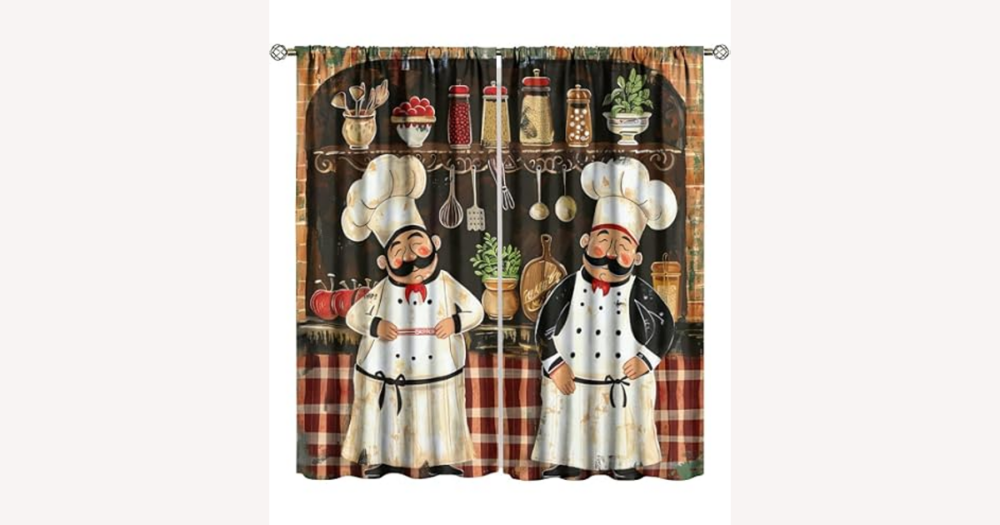
Chef kitchen curtains can match a wide range of kitchen styles on DHgate when you treat them like any other window treatment: choose prints and colors that echo your cabinets and backsplash, and confirm measurements, fabric, and seller details before you buy. That helps the curtains feel intentional in your space and align with what you expected from the listing and DHgate’s order and refund policies.
Can chef kitchen curtains really match my kitchen decor?
Chef kitchen curtains can absolutely match your kitchen decor when you judge them the same way you would any other window treatment: by their colors, pattern scale, and cut, not just by the chef theme label. If the curtain echoes the hues of your cabinets, backsplash, counters, or appliances, it tends to look intentional rather than kitschy.
Chef motifs show up in lots of looks, from farmhouse checks and rustic textures to vintage food prints, minimalist black‑and‑white illustrations, and bold cartoon chefs. The motif is only one design element among many; what matters most is whether the overall style of the print feels as casual, traditional, or modern as the rest of your kitchen.
As a rule, I would choose simpler, cleaner chef motifs—small utensils, line drawings, subtle chef silhouettes—for calm or modern kitchens, and save big, playful chef graphics for eclectic or strongly themed spaces that already mix patterns. Tiers and valances are common chef curtain formats and often feel lighter and neater than full‑length panels, which is helpful in most kitchens. The rest of this DHgate-focused guide walks through formats, decor styles, fabrics, measurements, and basic DHgate checks so you can match chef curtains to your room and still feel confident about the order and seller you choose.
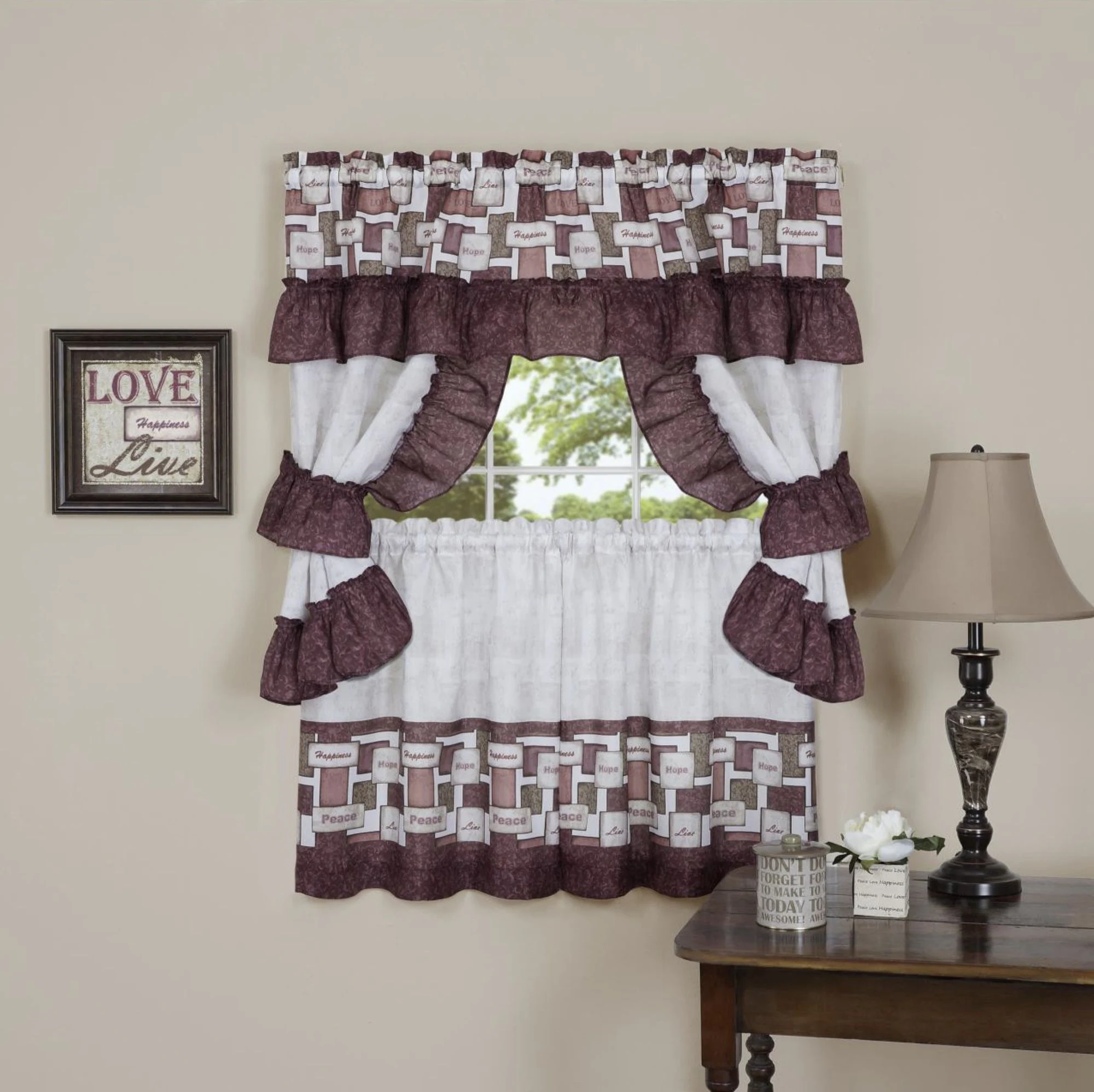
Tier and swag valance curtains that repeat nearby cabinet and countertop colors show how coordinated pattern, color, and cut can make a themed kitchen window treatment feel pulled together instead of overwhelming.
Know your chef curtain formats and where they work
Chef-themed curtains typically come in a few core formats. Tiers are short panels that cover the lower part of the window; cafe curtains are similar but often sit around mid‑window. Valances are short pieces that hang across the top of the window, while swags are shaped or softly draped valances. You’ll also see short rod‑pocket or grommet panels that hang like mini standard curtains.
In a kitchen, tiers and cafe curtains work well over the sink or on small side windows where you want privacy at eye level but still like light coming in over the top. Valances and swags suit bright, airy kitchens, breakfast nooks, or larger windows where the goal is mainly decoration rather than coverage, and they can also sit above tiers as a coordinated set. Short panels often make sense on doors or bigger eating‑area windows that need more coverage.
Chef motifs appear across all of these formats, from simple silhouettes or utensil prints on valances to all‑over cartoon chefs on tiers. For most kitchens, I would prioritize light‑filtering fabrics and simpler cuts—straight tiers or clean valances—so the room stays fresh and easy to clean. If your kitchen leans cozy and country‑style, layered tier‑plus‑valance sets with chef prints can look charming as long as the fabric isn’t too heavy or overly ruffled, which can crowd a small space.
How chef curtains behave in different decor styles
Chef motifs behave differently depending on your kitchen’s overall style. In farmhouse or rustic kitchens, there’s already a lot of warmth and texture—wood cabinets, shiplap, stone, and warm metals—so chef curtains with buffalo checks, stripes, or vintage food and chef prints usually feel right at home. Mid-scale or even fairly bold motifs can work here because they echo existing patterns; a tier-and-valance set with a repeating chef or produce print can look charming as long as the colors sit inside your room’s palette and the fabric isn’t so heavy or ruffled that it crowds the window.
Bohemian kitchens are more eclectic, with layered textiles, patterned rugs, and colorful tiles. In that context, playful chef designs can become part of the mix rather than a loud outlier. You can layer chef tiers or a valance with other textures—macramé, woven runners, patterned seat cushions—as long as a few key colors repeat between the curtains and your existing textiles. When the prints share tones, the overall effect reads intentional and collected rather than chaotic.
Modern, contemporary, and minimalist kitchens rely on clean lines and limited color palettes, so big cartoon chefs and busy multi-colored prints tend to fight the streamlined look. In these spaces, chef motifs work best when they’re simplified: think monochrome or two-tone designs, small-scale utensil icons, or line-drawing chefs on light, straight tiers or valances. Avoid heavy ruffles, dark bulky fabrics, and crowded patterns, which can visually weigh down flat-front cabinets and simple backsplashes. Industrial and Scandinavian-inspired kitchens benefit from a similar approach—simple panels or tiers with subtle chef references, plenty of texture, and minimal frill so the curtains support, rather than compete with, raw materials and pale woods.
Match the intensity of the chef motif to the intensity of your decor. If your kitchen is already busy with color and pattern, you have more room for bold graphics; if it’s calm and streamlined, I would lean toward simpler motifs and lighter fabrics so the curtains add personality without turning into clutter. And if you love maximal decor, you can treat a strong chef print as a deliberate focal point—just keep the measurements, fabric quality, and DHgate seller details checked so that your statement curtains still fit and function well in everyday use.
Fabric, light, and safety: reading chef curtain specs
Fabric and feature descriptions on chef curtains tell you a lot about how they will behave in a working kitchen. Polyester and microfiber are common because they’re durable, affordable, and often more stain-resistant than natural fibers. They’re usually machine-washable and hold their shape well, which makes them practical for areas that see splashes and everyday mess, though they can look a bit less “natural” than cotton or linen blends.
Cotton, linen blends, and faux linen have a softer, more textured feel that suits farmhouse, rustic, or relaxed styles. They drape nicely and can make chef prints look more refined, but they may wrinkle more easily and sometimes need gentler washing or low-heat drying. Occasional heavier or blackout fabrics offer more privacy and light blocking, yet in most kitchens they can feel too dark or dense, especially over smaller windows; they’re better reserved for spaces facing intense sun or a bright street where glare is a real issue.
Light-filtering curtains sit between sheer and blackout: they soften incoming light, reduce direct glare, and offer modest privacy while keeping the room bright. That balance usually suits chef curtains best, because you still want to see what you’re cooking and keep the kitchen feeling open. Blackout or thermal-insulated panels block more light and can help with heat control, but they also read visually heavier, so they’re a niche choice rather than a default over the sink. Hanging style matters too. Rod-pocket headers create a simple, gathered top and a traditional look, but they’re slower to slide. Grommet tops feel more contemporary and glide easily along the rod. Tie-top headers bring a casual, boho vibe and show off the rod, though they take more effort to install and adjust.
When you read chef curtain specs, prioritize what you can realistically maintain. I would favor fabrics that are clearly machine-washable or easy to spot-clean and that can handle the occasional splash or steam, even if that means picking a simpler texture or print. In a kitchen, curtains that you’re comfortable washing often will almost always serve you better than a slightly prettier, high-maintenance fabric that you hesitate to clean.
A simple sequence for choosing chef curtains that fit and match
- 1. Assess your kitchen style and colors. Stand back and look at your cabinets, backsplash, counters, flooring, and existing textiles, then name your overall style (for example farmhouse, modern, rustic, boho) and pick two to four core colors you want every major item, including chef curtains, to echo.
- 2. Measure each window carefully. Measure the inside width and height of the glass area, then decide whether you want the curtain to cover only the lower half (tiers or cafe curtains) or most of the window (short panels). Note that chef sets often list separate measurements for tiers and valances, so write down both the width and drop you need for each piece.
- 3. Decide on light and privacy needs. Note whether the window faces neighbors, a street, or a private view, and how much bright, airy light you want while cooking. Use that judgment to choose light‑filtering chef curtains and open formats like cafe tiers or valances for bright, semi‑private windows, and slightly denser fabrics or fuller coverage for windows that need more shade or privacy.
- 4. Match formats and prints to your room. Based on your window layout, pick tiers, valances, cafe curtains, swags, or short panels that suit the opening and your decor style, then choose chef motifs whose colors sit inside your palette and whose pattern scale fits the room—smaller, simpler graphics for sleek or small kitchens; mid‑scale checks, food prints, or chefs for warmer, more textured spaces.
- 5. Check care and placement. Before you commit, confirm the fabric is realistically washable for you (ideally machine‑washable or easy to spot‑clean) and make sure the planned curtain won’t hang directly in the path of grease or steam from the stovetop; if a window is very close to the cooking zone, favor shorter tiers or valances in easy‑care fabrics over long, draped panels.
Common mistakes to avoid with chef kitchen curtains
- Choosing thick, dark drapes or heavily ruffled chef curtains on small or average‑size windows, which can make the kitchen feel cramped and dated instead of bright and fresh. When in doubt, keep the fabric lighter in weight and color, and save ornate ruffles for genuinely nostalgic or very large spaces.
- Hanging long fabric right beside or above the stove, where grease, smoke, and cooking smells quickly cling to the curtains and can create a safety concern. Keep chef curtains short near burners, and leave clear space between any fabric and high‑heat areas.
- Misreading size information on listings—especially not noticing whether measurements are per panel or for the entire set—so tiers or valances end up too narrow or too short for the window. Always compare the stated width and drop for each piece with your own measurements and allow extra width for a gentle gather.
- Layering busy tiers and valances on a small window without considering how all the prints, ruffles, and colors will stack up, leading to a cluttered, fussy view. In compact kitchens, limit yourself to one patterned element or choose simpler tailoring so the chef motif doesn’t overwhelm the space.
- Letting the chef print’s color intensity dominate the room—picking very bold graphics when the rest of the kitchen is calm or minimal—so the curtains become a visual distraction. If you’re unsure, opt for simpler, lighter chef designs that echo existing colors; reserve large, high‑contrast motifs for eclectic or maximal kitchens where you truly enjoy the extra impact and are prepared for the added cleaning they may require.
Key DHgate checks before ordering chef curtains
- Confirm product specifications: check width and length for each panel or for the whole set, note the fabric type, light‑filtering level, and whether tiers and valances are sold together or separately so the chef curtains will actually fit your window layout.
- Review all listing photos and any customer‑uploaded images to gauge how accurate the colors are, how large the chef motif appears on the fabric, and how the curtains look on a real kitchen window.
- Check seller ratings and feedback on DHgate, including overall scores, number of completed transactions, and review comments that mention fabric quality, sizing accuracy, and true‑to‑color prints.
- Verify estimated shipping time, costs, and any notes about customs duties or extra fees so you know when your chef curtains should arrive and what the total cost will be.
- Read DHgate’s buyer protection, dispute, and refund information along with the individual seller’s policies so you understand the steps to take if the curtains arrive damaged or not as described.
- Prioritize clear specifications and trustworthy sellers over a bold chef print; on DHgate, reliable sizing, fabric quality, and honest reviews matter just as much as how well the design matches your kitchen decor.
Chef curtain coordination FAQs
Do chef kitchen curtains need to match my table linens or seat cushions exactly?
No. Chef curtains don’t have to be identical to your tablecloth, runner, or cushions; they just need to repeat one or two key colors or style cues. If the curtains share a main hue from your textiles (for example the same red, black, or neutral) or a similar vibe (farmhouse checks, simple modern lines, rustic texture), the room reads coordinated rather than mismatched. In many kitchens, slightly different but related patterns actually look more natural than perfectly matching sets, as long as the overall palette feels consistent.
How many chef-themed windows are usually enough before the kitchen looks cluttered?
In a typical kitchen, one main chef-themed window—often above the sink—or at most a couple of windows is usually enough to create a clear focal point without overwhelming the room. If every window has a bold chef print, the theme can start to feel busy, especially in small spaces. For very eclectic or strongly themed kitchens, you can push the motif further on more windows, but keep the colors cohesive and repeat a small set of tones so the decor still feels intentional rather than random.
Can I mix a chef valance with solid or subtly patterned tiers?
Yes. Pairing a chef-print valance with solid or lightly patterned tiers is a smart way to balance fun and calm. The chef motif sits at eye level and provides character, while the simpler tiers keep most of the window view tidy and prevent pattern overload. This mix works in both cozy and more modern kitchens: just echo a key color from the valance in the tiers or nearby textiles so the combination feels deliberate. Overall, intentional placement, repeated colors, and an honest sense of whether you prefer minimal or maximal decor are what keep chef themes from turning into visual clutter.