
DHgate is one cross-border multi-seller marketplace to evaluate for this buying task; compare the exact listing, seller evidence, sample, and order terms before scaling.
A V‑neck sweater vest is one of those pieces that can either look sharply tailored or quietly cozy, depending on how it’s made and styled. You can absolutely knit your own—most modern patterns use straightforward stitches and shaping—or buy a ready‑made vest online. The decision comes down to how much control you want over fit and fabric, how comfortable you are with basic knitting techniques, and how soon you need it in your closet. Understanding the patterns and ease that knitters use will also make you a much smarter shopper when you’re looking at product photos and size charts.
What a V‑Neck Sweater Vest Is and Whether You Should Knit or Buy One
A V‑neck sweater vest is a sleeveless knit with a V‑shaped neckline and a waist‑length or slightly cropped body. Most are worked in stockinette (smooth knit on the outside, purl inside) with ribbed trim at the neck and armholes, but you’ll see cable, checkered, and other textured versions too.
Why people want one:
- As a fall/winter layer over shirts, dresses, and tees.
- To add shape over flowy dresses or oversized tops.
- For a retro preppy or skate‑inspired look that’s trending again.
Knit vs buy: how to decide quickly
- Knit your own if you enjoy handcrafts, want a specific fit (cropped vs oversized), or care about fiber content but can’t find the right mix in stores. Modern patterns like Ashley Lillis’s Wildwood V‑neck vest include video tutorials and use accessible construction, which helps if you’re a confident beginner or intermediate knitter.descriptive source
- Buy ready‑made if you need it for an upcoming event, don’t want to invest hours into knitting, or you’re experimenting with the trend and aren’t sure you’ll wear it often.
Skill and time reality: most contemporary vest patterns are designed for advanced beginners or intermediate knitters and center on stockinette, ribbing, cables, and basic increases/decreases worked in the round. That’s easier than a full sweater (no sleeves), but still a project that takes multiple evenings. If that sounds appealing rather than stressful, knitting is a good option; if it sounds like a chore, focus on buying.
Knitting and Styling V‑Neck Vests: Pattern Types, Techniques, and Outfit Formulas
Before you choose a pattern or a product listing, it helps to know what style you’re aiming for. Different vest designs pair better with different outfits.
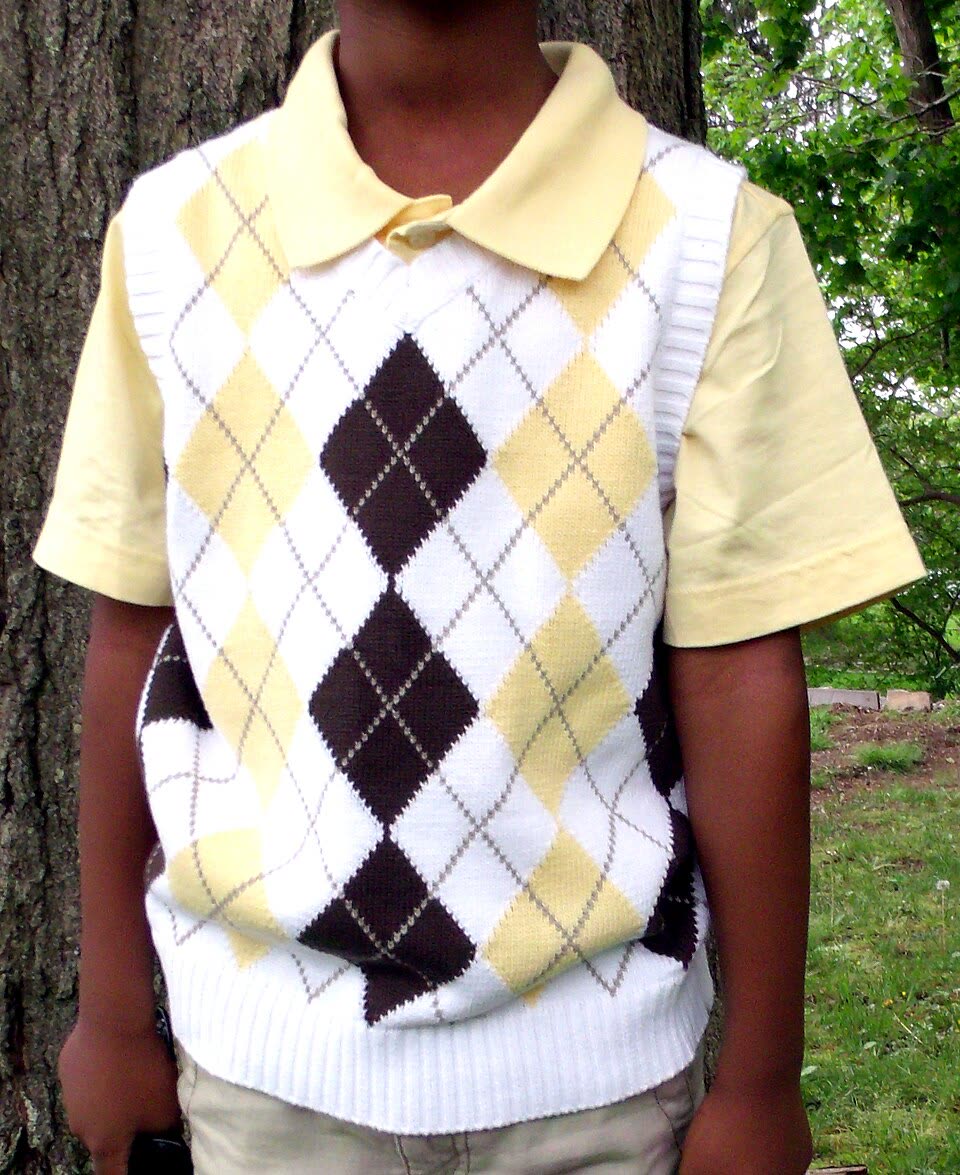
Common pattern types and what they mean for styling
Here are practical pattern categories you’ll run into—both in knitting patterns and retail listings—and how they tend to be worn:
| Vest type | Typical knitting features | Best styling use cases |
|---|---|---|
| Chunky, oversized | Bulky yarn, relaxed fit, simple stockinette or broken rib | Casual weekends over tees, jeans, or wide‑leg pants |
| Fitted classic | Worsted yarn, ribbed hem/neck, moderate positive ease | Office‑friendly over button‑downs or blouses |
| Cable or textured | All‑over or panel cables, worked bottom‑up with shoulder shaping | Statement layer over simple shirts, monochrome outfits |
| Intarsia/patchwork | Colorwork squares or motifs, intarsia and duplicate stitching | Fashion‑forward looks with minimalist basics underneath |
| Cropped | Shorter body, sometimes deeper V‑neck | Over dresses, high‑rise jeans, or skirts |
Patterns highlighted in knitting editorials include everything from top‑down garter‑stitch vests with minimal finishing to bottom‑up cable designs with short‑row shaping and patch pockets. These details affect not only difficulty but also how structured the vest will look on your body.
Key knitting concepts that also matter when you buy
- Positive ease: patterns usually build in ease so the vest is a few centimeters/inches larger than your chest. That’s what allows layering and movement. If a pattern or garment is described as “cropped and fitted,” expect less ease; “oversized” implies more.
- Construction: some vests are knit in panels (front/back) and seamed; others are top‑down or bottom‑up in the round. Better construction usually means smoother shoulders and cleaner necklines, which translate to nicer drape in ready‑made garments.
- Neckline finishing: knitters often pick up stitches around the V and work ribbing, or use a folded V‑neck for a more tailored look. On a purchased vest, look closely at the neckline edge: clean, even ribs and no gaps are a good sign.
Outfit formulas tied to vest styles
Editorial fashion coverage and independent style guides consistently treat the sweater vest as a layering piece, often specifically recommending V‑neck versions over tees, tanks, and shirts.Vogue’s styling context and Fashionacy’s outfit suggestions echo what knitwear blogs show in photos.
Use those ideas, but make them concrete:
- Over a dress (especially cropped vests)
Pair a cream or neutral cropped V‑neck vest over a printed midi dress. Add boots and a long coat for fall. Cable or textured vests work well here because the dress underneath stays smooth.
- Work‑appropriate over a blouse
Choose a fitted, classic V‑neck with ribbed hem in a solid color. Layer it over a white or pale blue button‑down or a sheer blouse with puff sleeves. Wear with tailored trousers or a pencil skirt. This leans on the “fitted classic” pattern category.
- With jeans for everyday
A chunky, oversized vest in a soft yarn over a simple crew‑neck tee and straight‑leg jeans feels easy but intentional. A polo‑style V‑neck or checkered vest can turn this into a more retro look.
- Monochrome outfit
For a more grown‑up vibe than argyle‑plus‑pleated‑skirt, follow styling editors and build a single‑color outfit: black vest over black tee and black trousers, or all‑white with a cream vest. Textured knits (rib or cables) keep it from looking flat.Marie Claire’s V‑neck jumper outfits show similar ideas with longline knits.
- Bold color or print play
If your vest is a plain neutral, add color with a bright shirt or printed accessories. If the vest itself has intarsia or patchwork squares, keep the rest of the outfit very simple—clean jeans, solid tee—so the knit stays the focus.
Visual platforms like Pinterest boards for V‑neck vest outfits are useful for seeing these formulas on different body types, but the key is still fabric weight, length, and ease.
Buying V‑Neck Sweater Vests Online: Fit, Quality, and Marketplace Choices
Whether you’re browsing a US retailer, a secondhand site, or a cross‑border marketplace like DHgate, you can use knitting logic to judge listings more accurately.
Read the measurements like a knitting pattern
Instead of relying on S/M/L alone:
- Bust/chest width: compare the garment’s actual bust measurement to your body. If you want a relaxed vest, look for 2-4 inches of extra room; for a closer fit, less. This is the same idea knitters use with positive ease.
- Length: check total length against where you want the hem to hit—high‑waisted jeans (cropped), hip‑length (classic), or longer for dress‑like styling.
- Shoulder width and armhole depth: narrow shoulders and shallow armholes feel more tailored; wide shoulders and deep armholes give a slouchy, layered look.
If the listing doesn’t include measurements, that’s a signal to be cautious, especially for cross‑border sellers where returns can be more cumbersome.
Check materials and construction details
Use what knitters care about as your shopping checklist:
- Fiber content: wool and wool blends are warmer and hold cables well; cotton and acrylic are lighter and better for spring. If you’re sensitive to itch, lean toward cotton blends or “soft” yarn descriptions.
- Stitch clarity: zoom in on photos. Stockinette should look smooth; ribbing at the neck and hem should be even; cables should have clear definition. Blurry or inconsistent stitches can mean low‑quality knitting or loose tension.
- Neckline and armhole finishing: look for picked‑up, ribbed edges that sit flat rather than stretched out or rippled. That’s the same finishing detail knit patterns emphasize.
Marketplace choice, including DHgate
You’ll find V‑neck sweater vests across a mix of channels:
- US retail brands and department stores (often trend‑driven designs in standard sizes).
- Vintage and thrift (unique patterns, older fibers, more trial‑and‑error on fit).
- Cross‑border marketplaces like DHgate, which can surface a wide range of designs—from simple solid vests to checkered or polo‑style options—usually from independent sellers.
On DHgate or comparable marketplaces, treat every listing as its own micro‑decision. Focus on:
- Clear, front/back/side photos, including close‑ups of the knit.
- A detailed size chart with garment measurements, not just size labels.
- Specific fiber information rather than generic “knit” or “sweater.”
Practical next step
If you’re leaning DIY, pick one pattern that matches your desired style—chunky and oversized, fitted and classic, or bold colorwork—and read through the techniques required (stockinette, rib, cables, shaping). Confirm they match your current skill level, then buy yarn in a fiber you’d enjoy wearing.
If you’re leaning buy, decide on:
- Fit: cropped vs classic vs oversized.
- Weight: chunky for cold weather, lighter for layering.
- Pattern: solid, cable, checkered, or patchwork.