
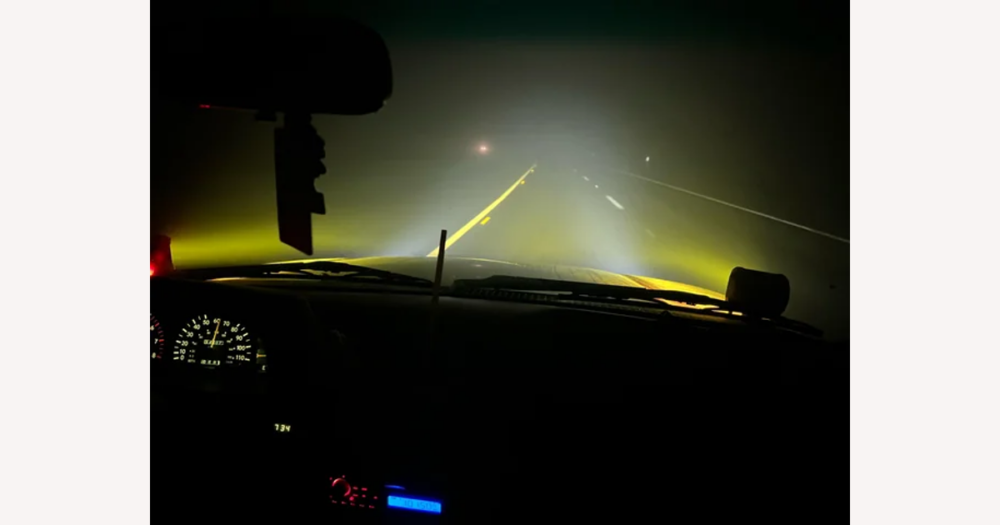
If you’re browsing yellow fog lights on DHgate or another marketplace and wondering which brands are actually reliable, it helps to stop chasing a single “best” model and start looking for patterns: clear specs, believable brightness and wattage numbers, solid compatibility information for your vehicle, and sellers who back their listings with decent reviews and platform protections. This guide walks through those signals so you can turn any yellow fog light search into a low‑risk, evidence‑based choice.
There’s no single “best” yellow fog light brand—focus on patterns and trust signals
On DHgate and other marketplaces there isn’t a single yellow fog light brand I can honestly call universally “best.” Different reviewers highlight different models, and even recurring names like AUXLIGHT, NOVSIGHT, SEALIGHT, Auxbeam, Nilight, AUXITO, or vehicle-specific assemblies such as Mingrui kits for certain Ford trucks only show that these products are widely sold and easy to find, not that they are guaranteed to last longer than everything else.
Those brands, and similar universal pods or light bars from makers like Auxbeam, are useful as patterns: they tend to offer yellow or amber LED bulbs, complete fog assemblies, and auxiliary pods with mid‑to‑high average review scores and broadly available replacements. But the evidence behind those scores is limited and marketing-heavy, so I treat them as starting points to study—not proof that any one logo will automatically give you trouble‑free fog lights.
What matters more, especially on DHgate, is whether a specific listing—no matter which brand name is printed on the box—shows clear specs, realistic brightness and wattage claims, honest photos, and solid compatibility information for your socket type and vehicle, backed by a seller with decent ratings and DHgate’s order, payment, shipping, dispute, and refund protections. I would rather choose a reasonably known or at least well‑documented model with coherent specs and precise fitment details than gamble on a no‑name kit shouting extreme lumen numbers and “fits 99% of cars” with no evidence, unless I was deliberately experimenting and ready to handle returns.
The rest of this guide turns that mindset into a practical checklist you can apply to any yellow fog light listing on DHgate—starting with how to read core specs like color temperature, lumen output, beam pattern, and waterproof ratings so you can quickly see which options deserve a closer look.
Decode key specs: color temperature, brightness, beam pattern, and waterproof ratings
Most yellow fog light listings throw a lot of numbers at you, but only a few really help you judge reliability and real‑world behaviour. Color temperature is the first one: around 3000K is typical for a true yellow or amber fog output, while higher values like 5000–6000K indicate a much whiter light that won’t give the same classic yellow “cuts through haze” effect. If you specifically want yellow fogs, look for listings that clearly state roughly 3000K yellow or amber rather than vague “golden” wording with no number.
Lumen and wattage claims are your next plausibility check. Everyday LED fog bulbs often sit in the low thousands of lumens per pair, with wattages that roughly make sense for that output. When you see moderate, consistent numbers repeated across the title, description, and spec table—such as a pair of bulbs advertised around a few thousand lumens at a reasonable wattage—that coherence is a good sign. By contrast, listings that shout extreme figures like tens of thousands or even 100,000+ lumens while claiming very low power draw, or that only show one big number in the title with no matching details below, are more likely leaning on marketing hype than on realistic testing.
Beam pattern also matters for both safety and usefulness. Fog lights work best when they throw a low, wide beam that lights up the road immediately in front of you without shooting light up into oncoming drivers’ eyes. Listings may describe this as a flood or wide beam, sometimes contrasted with narrow spot beams or combo patterns used for long‑range auxiliary lighting. For fog use, a controlled wide pattern with a clear cut‑off is usually preferable to a tight spot; if a listing includes beam diagrams or photos on a wall, check that the light is spread horizontally and kept low rather than blasting high and unevenly.
Ingress protection (IP) ratings give another clue to how well a light might survive real weather. Codes like IP65, IP67, IP68, or IP69 break down into dust resistance (the first digit) and water resistance (the second). For automotive fog lights, IP67 and similar ratings are commonly advertised and indicate protection against dust plus temporary immersion or strong water exposure. An explicit IP rating is a stronger signal than a generic “waterproof” claim with no number, though neither is a guarantee—condensation complaints in reviews still matter. Listings that provide a tidy table including color temperature, lumen and wattage, beam pattern, IP rating, and maybe housing material (such as aluminum) and cooling design show more care and internal consistency than those that only shout a few marketing points.
You’ll also see stated lifespans like 30,000–100,000 hours and mentions of advanced cooling or eco‑friendly design. These are usually marketing estimates rather than independently verified facts, so I treat them as secondary details. When I’m scanning a DHgate listing, a clear, coherent spec sheet—where color temperature, brightness, wattage, beam pattern, and IP rating all line up—is itself a trust signal, while scattered, incomplete, or contradictory specs are a sign to slow down or move on.
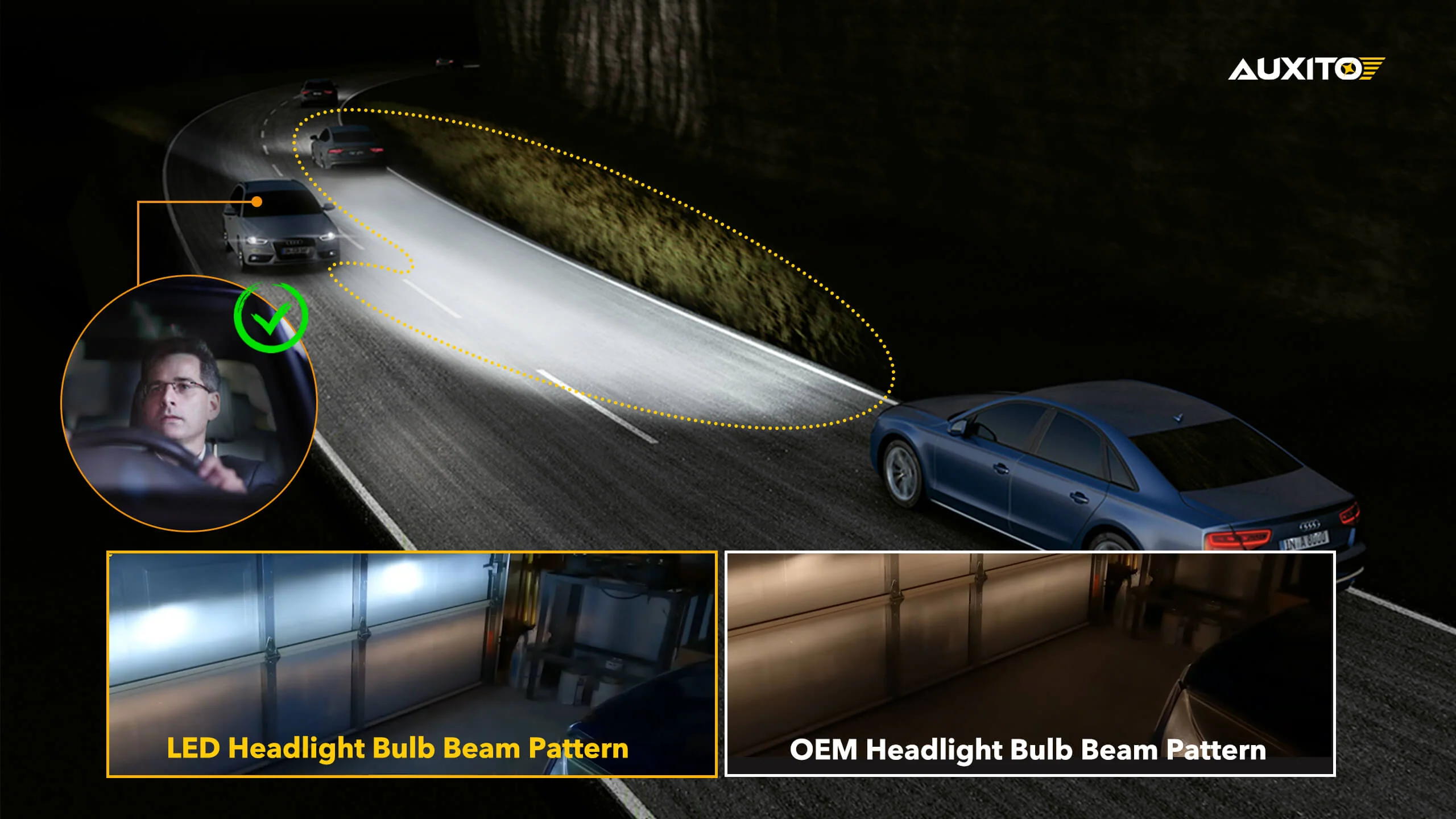
This diagram compares a low, wide yellow fog light beam aimed at the foreground with a narrower headlight beam reaching farther down the road, showing why a controlled, low pattern is preferred for fog use.
Match the product type to your vehicle: bulbs, full assemblies, or pods/bars
- Plug‑in LED fog light bulbs replace the original bulb inside your existing housing, so they have to match your socket code (such as H1, H11, 9006) and the car’s 12V electrical system. Listings that clearly state the socket type, voltage, and whether the bulbs are meant for fogs, DRLs, or headlights are easier to trust than ones that only say “universal fit.”
- Because plug‑in bulbs talk directly to your car’s electronics, they can trigger CANbus errors, flicker, or dashboard warnings on some vehicles. On DHgate, I would look for notes about CANbus compatibility, included decoders, or a clear warning that extra resistors may be needed, instead of assuming every “plug‑and‑play” bulb will behave perfectly.
- Full fog lamp assemblies are built for specific vehicles, often listing exact model years, trims, and OEM part numbers—similar to the way a Ford‑specific kit is sold as a direct replacement. A listing that shows your model year range plus an OEM reference code is much safer than one that just says “fits most Ford trucks.”
- Even when an assembly is advertised as plug‑and‑play, reviews sometimes mention trimming plastic, swapping brackets, or adjusting wiring. Before ordering, I’d cross‑check the stated model year, trim, and part numbers against my vehicle documents or the markings on my existing lamp, and treat any vague or contradictory fitment notes as a warning to slow down.
- Universal pods and light bars are usually higher‑output, off‑road‑leaning lights that need custom brackets and wiring; they often don’t plug into the factory fog connector at all. Listings that explain how they mount, what hardware is included, and whether they are intended as auxiliary or “off‑road only” lights are more credible than those that just promise “easy install.”
- Because pods and bars can raise legal‑use questions and put more load on your electrical system, it’s important to check your local rules and be honest about your comfort with custom wiring, relays, and switches. On DHgate, I’d be cautious with any pod or bar that skips legal disclaimers entirely while promising extreme brightness for road use.
- For most everyday drivers who just want reliable yellow fogs, the simplest compatible option—either a well‑specified plug‑in bulb or a direct‑fit assembly that clearly matches their vehicle—is usually the safest path. I’d reserve pods and bars for readers who actively want an auxiliary setup and are willing to take on extra wiring, mounting work, and legality checks.
Use a DHgate-focused checklist to vet yellow fog light listings step by step
- Decide what you’re actually shopping for on DHgate: a plug‑in bulb that reuses your existing fog housing, a direct‑fit assembly that replaces the whole lamp, or a universal pod/bar for auxiliary lighting. Let your comfort with wiring and mounting guide this choice rather than chasing the most aggressive brightness claims.
- Confirm compatibility first by matching your socket code or OEM part number, vehicle make, model, year, and trim to what the listing states. For assemblies, I’d only proceed if the stated year range and any OEM references line up with my car; for pods and bars, I’d look for clear details about mounting points and how they’re intended to be wired in.
- Scan the specs using the earlier decoder: if you want yellow fogs, look for color temperature around 3000K, lumen and wattage numbers that make sense together, a beam pattern suited to low, wide fog use, and explicit IP ratings. I treat vague listings or ones shouting extreme brightness with no supporting spec table as higher‑risk experiments.
- Check materials and build cues: mentions of aluminum housings, heat‑dissipation features, sealed or gasketed designs, and neat wiring harnesses all count in a listing’s favour. I also compare the photos and diagrams to be sure the connectors, brackets, and overall shape look like a plausible match for my car, not just generic stock images.
- Review DHgate seller history and ratings by looking at overall scores, transaction counts, and patterns in buyer feedback, especially around fitment, build quality, condensation, or early failures. A long trail of similar complaints matters more than one angry review, and a mix of detailed, specific comments is more reassuring than a wall of short generic praise.
- Before committing, read how DHgate handles payments, disputes, and refunds in general, and then check the individual listing’s warranty and return terms. I prefer listings that spell out return windows, who pays for return shipping, and what happens if the item doesn’t fit, and I’d look up current DHgate help pages if anything about dispute timing or refunds is unclear.
- Confirm logistics suitable for Canada by checking estimated delivery times, stated shipping methods, and whether tracking is included. Where I have a choice, I lean toward tracked shipping even if it adds a bit of cost, because it makes any later dispute about non‑delivery easier to resolve.
- Before you place the order, capture screenshots or save a copy of the key listing details—specs, fitment claims, warranty language, and return policy—so you can point back to them if there’s a problem. These records can be invaluable if you need to open a dispute or ask DHgate support to step in.
- Personally, I would not go ahead with a DHgate listing that has fuzzy specs, unclear fitment information, or vague return terms, no matter how cheap or bright it looks, unless I consciously decide I’m willing to accept the extra hassle and risk as part of the deal.
Spot reliability signals—and red flags—before you buy
- Green flag: Review patterns where the average sits roughly in the low‑4‑star range on a meaningful number of orders, and recent comments consistently mention acceptable build quality, fitment, and brightness rather than just “fast shipping.”
- Green flag: Clear, consistent specs that line up across the title, description, and photos—around 3000K for yellow/amber output, lumen and wattage numbers that make sense together, a named beam pattern, and an explicit IP rating listed in one place instead of scattered or missing.
- Green flag: A stated warranty and lifespan—such as a one‑year warranty and claims of 30,000–100,000 hours—paired with clear conditions; these are still promises rather than proof, but they show the seller is at least willing to commit on paper.
- Green flag: Realistic photos and diagrams that show the actual housing, connectors, brackets, and a sample beam pattern, instead of only generic marketing art; matching what you see in the pictures to your existing parts makes surprises less likely.
- Red flag: Extremely high lumen claims for a simple bulb, especially when they reach into tens of thousands of lumens without matching wattage, chip details, or charts explaining how that output was measured.
- Red flag: Vague or contradictory fitment information, such as “fits 98–99% of vehicles” with no socket codes, OEM part numbers, or model list, or titles that say one socket type while the spec table or photos show another.
- Red flag: Review patterns where multiple buyers mention condensation inside the lens, early failure after weeks or months, or poor sealing; a repeating issue like this matters more than a single outlier comment.
- Red flag: Missing, buried, or very unclear return and warranty information, which is especially risky for cross‑border orders where return shipping and timelines can already be complicated.
- Overall: Even widely sold brands such as Auxbeam, Nilight, or SEALIGHT can have occasional problems, so I would look for listings that stack several green flags at once and treat multiple red flags—no matter how tempting the price or brightness—as a clear sign to move on unless I’m consciously treating the purchase as an experiment.
Treat bold marketing claims as hypotheses, not facts
Many yellow fog light listings advertise very long lifespans in the tens of thousands of hours, extremely high lumen figures, and a variety of sustainability or certification badges that promise recycled materials, safer chemicals, or responsible production. These claims are designed to sound impressive, but they rarely come with independent test reports you can actually verify.
Without third‑party lab testing, I treat these numbers and badges as hypotheses or aspirations rather than proven facts. That doesn’t mean they’re automatically untrue; it just means they shouldn’t be the main reason you choose one listing over another, especially on a marketplace like DHgate where product oversight and verification can vary a lot between sellers.
A practical approach is to cross‑check bold statements against more grounded details. Do the claimed lumens roughly match the wattage, chip type, and IP rating, and are they in the same ballpark as similar products, or is this listing an outlier that shouts far higher numbers with no explanation? How does the stated lifespan compare to the warranty length—if a seller claims 100,000 hours but only offers a short warranty, I read that as a theoretical figure, not a real commitment.
Reviews are your reality check: if several buyers report early failures or much dimmer output than advertised, those patterns matter more than any fancy spec. I treat sustainability and certification badges as nice‑to‑have tie‑breakers when two options look equally solid, but my primary filters stay the same: clear compatibility information, credible specs, solid‑looking materials and IP rating, and warranty terms that the seller can actually be held to. In that balance, I would always prioritise observable and enforceable signals over aggressive marketing statements.
FAQ: brand reputation vs. exact compatibility—what matters more?
When shopping online, should I favor a familiar yellow fog light brand or a listing with better compatibility details, even from an unknown brand?
In most cases, you’re safer prioritizing exact compatibility and clear listing details over a familiar logo. A yellow fog light that correctly matches your socket code, vehicle make/model/year, trim, voltage, and intended (legal) use will cause far fewer headaches than a big-name brand with vague or contradictory fitment claims. A misfitting or non‑road‑legal light can trigger warning lights, fail to install, or create safety and legal issues regardless of who made it.
Brand reputation still has a role. Widely sold names with many reviews and mid‑to‑high average ratings—such as Auxbeam, SEALIGHT, or Nilight—can offer extra psychological comfort and sometimes better support, but the evidence is mixed. Even popular brands attract complaints about condensation, fitment quirks, or shorter‑than‑advertised lifespans, so the logo alone is not a guarantee.
A practical rule is this: if two listings are equally clear on compatibility, specs, and return terms, and one comes from a brand with stronger review patterns and visible support, it’s reasonable to lean toward that option. But if a lesser‑known brand provides much more precise fitment information, better documented return and warranty terms, and a coherent spec sheet, I would choose that over a famous name whose listing is vague. Avoiding compatibility problems and unclear conditions should come first; once those basics are solid, brand reputation is a useful tie‑breaker rather than the main deciding factor.