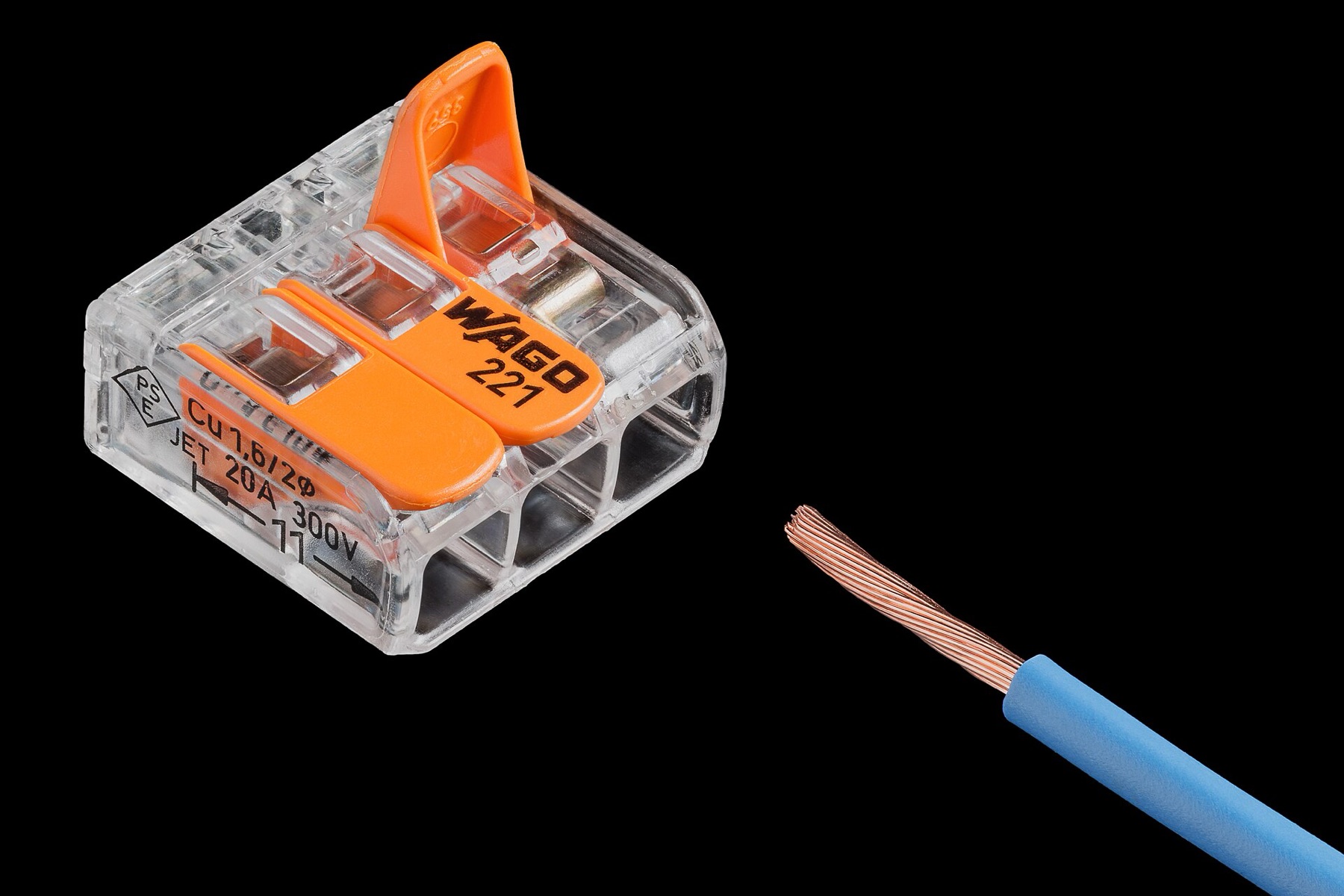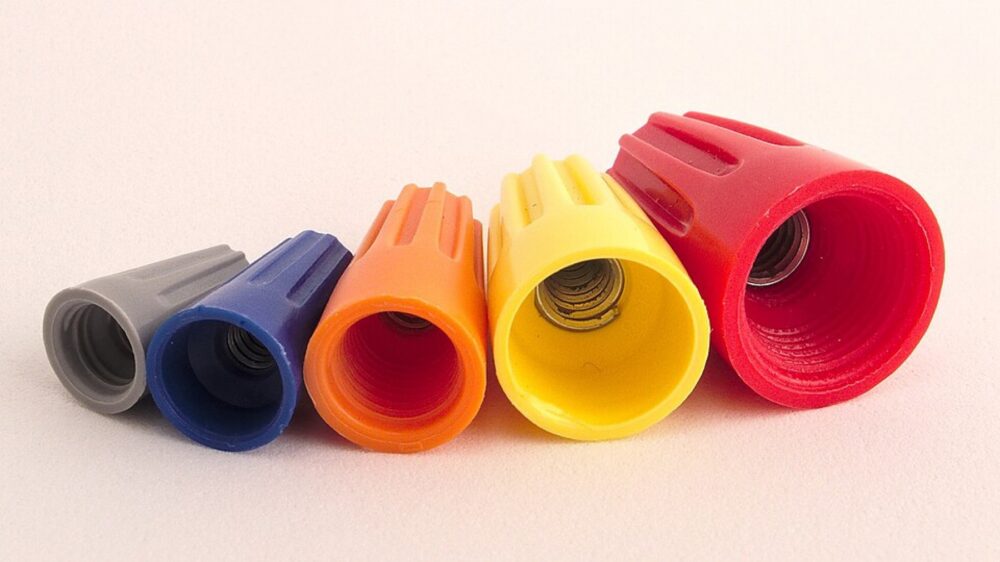
If you already know roughly what kind of wire tap connector your harness needs, you can find options on DHgate by using precise search terms (like “T-tap wire connector 18-22 AWG” or “insulated quick splice terminal”), then narrowing results with filters for price and specs and reading listings closely. From there, shortlist only those products that clearly state wire gauge range, material, insulation style, and quantity. Then vet the sellers by ratings, reviews, and direct messages, and order a small sample run before you commit to bulk. If you can’t find listings that confidently match your spec, or your harness is safety‑critical, you’re better off sourcing from local distributors or more specialized platforms.
For a quick orientation to the marketplace itself, you can also read What DHgate is and how the marketplace works, then come back to this connector‑specific process.
Understand the Wire Tap Connector You Actually Need
Before you type anything into DHgate’s search box, you need to pin down the connector, not the platform.
For harness builds, “wire tap connector” usually means a small, low‑voltage device that lets you splice into an existing conductor without cutting it: often called T‑tap, quick splice, insulation displacement, or Scotchlok‑style connectors. They’re common in automotive accessories, LED strips, and light‑duty electronics, but they’re not suitable for all environments or regulations.
Clarify these points first:
- Wire gauge range: Most harness work uses stranded wire from roughly 16-22 AWG. Connectors are sold in gauge bands (e.g., 18-22 AWG). A mismatch here is the fastest way to get unreliable taps.
- Insulation and environment: Do you need fully insulated plastic bodies, translucent housings for inspection, or bare metal taps that will be separately sleeved? For damp or vibration‑heavy environments (marine, under‑bonnet automotive), flimsy plastic IDC taps are often a poor choice.
- Connection style: Single T‑tap per wire, inline splice, or multi‑way block? Quick splice taps pierce insulation on a main wire and add a branch; other connectors clamp stripped ends together instead.
- Current and voltage context (broadly): These connectors are often used in low‑voltage accessory circuits and signal wiring. For mains, high current, or safety‑critical circuits, you should not rely on generic marketplace taps at all: use certified components from regulated suppliers.
Once you’ve written this down—wire gauge band, connection style, insulation preference, and rough application—you can translate it into search terms and filters on DHgate instead of browsing blind.
Searching and Narrowing Wire Tap Connector Listings on DHgate
You won’t see a dedicated “wire tap connector” category on DHgate, so your search terms do the heavy lifting. Here’s a targeted way to work through the listings.
Step 1: Use specific keyword combinations
On DHgate’s homepage, start in the search bar with combinations that reflect your spec rather than just “wire tap”:
- “T‑tap wire connector 18-22 AWG”
- “quick splice wire terminal”
- “IDC splice connectors” (for insulation displacement clamps)
- “automotive wire tap” or “car wire t-tap” for vehicle harnesses
Run each search and note which terms produce the cleanest, most relevant results—then stick with those for deeper filtering.
Step 2: Use filters to cut noise
DHgate’s editorial guidance for electronics shopping encourages using filters to narrow down options by price, brand, and specifications. In practice for connectors, that means:
- Price filter: Set a realistic range per lot to avoid obvious junk on the very low end and branded, overkill options on the very high end.
- Minimum order/lot size: Many connector listings sell in packs (e.g., 50-100 pieces). Make sure the pack size matches your sampling and pilot build needs.
- Attributes/keywords: Where the filter panel allows it, prefer listings under Electrical Equipment/Terminals or similar component categories rather than generic “tools” or “home improvement.”
Any listing that shows wildly mismatched product titles, categories, and photos (e.g., wire taps mixed with totally unrelated hardware) is a red flag for poor cataloging—skip it.
Step 3: Read listing details like a spec sheet
DHgate blog guidance on shopping suggests paying attention to product specifications, images, prices, and seller ratings in the listing itself. For wire tap connectors, interpret that narrowly:
- Specification block: Look for a stated wire gauge range (e.g., 18-22 AWG), material (usually copper or tinned copper), and a description of insulation type.
- Photos: You should see close‑ups of the connector and, ideally, photos of it attached to a wire. If the gauge or dimensions are unclear from photos, message the seller.
- Variation options: Many listings mix multiple gauge bands or colors. Confirm you can choose the exact variant your harness uses.
- Seller rating right on the product page: Use this as a quick filter; come back to more detailed vetting later.
If a listing lacks gauge information, only shows generic stock art, or buries key specs under unrelated marketing text, treat it as unsuitable for anything beyond hobby‑level experiments.
Step 4: Build a short list, not a massive cart
From your filtered results, pick 3-5 candidate listings that clearly match your wire gauge and use case. Add them to a comparison spreadsheet with the following fields:
| Listing label (your note) | Wire gauge range claimed | Pack size | Seller rating (snapshot) | Notes on photos/specs |
|---|---|---|---|---|
| T‑tap A (red 18-22) | 18-22 AWG | 100 pcs | High vs. low (check page) | Clear close‑ups, shows wire in use |
| T‑tap B (blue 14-16) | 14-16 AWG | 50 pcs | High vs. low | Good dimensions, mixed reviews |
| Quick splice C (mixed) | Mixed gauges, vague | 200 pcs | Unknown / few ratings | Stock photo only; avoid bulk |
| IDC block D | 20-24 AWG | 20 pcs | High vs. low | Looks suited for low‑current signalling |
| Generic tap E | Not stated | 500 pcs | Unknown | Specs missing; reject |
You’re not recording exact numbers here, just enough detail from each product page to see which options are plausible and which are clearly not ready for harness use.
Evaluating DHgate Sellers, Samples, and When to Consider Alternatives
Once you’ve got a handful of plausible listings, the question shifts from “can I find wire taps on DHgate” to “should I actually trust these suppliers for my harness builds.”
Read ratings and reviews with harness use in mind
DHgate’s own buyer tips emphasize checking seller ratings and reading product reviews. For connectors, look specifically for:
- Mentions of fit on specific gauges (“too loose on 18 AWG”, “perfect on 22 AWG”).
- Comments on crimp or tap reliability (“came loose after a week”, “held up on a car stereo install”).
- Notes on batch consistency (some buyers receive mixed quality lots).
If reviews are sparse or clearly unrelated to electrical use (e.g., generic comments about shipping without any reference to actual installation), treat that listing as higher risk and use it only for small trials, if at all.
For deeper platform‑wide trust questions, you can read Find trusted sellers on DHgate, then apply those principles specifically to connector vendors.
Use communication to clarify specs
DHgate’s blog on sourcing components recommends communicating with suppliers to confirm material specs and quantities. For wire taps, message the seller and ask targeted questions:
- What wire gauge ranges are tested for this connector? (Ask for numbers.)
- Is the metal tinned copper, bare copper, or another alloy?
- Has the connector been used mainly for automotive, LED, or other specific applications?
A seller who can answer clearly and promptly is generally easier to work with if you end up needing a custom pack mix or have issues with a batch.
Order samples before bulk
DHgate editorial guidance for components explicitly recommends ordering samples before bulk purchases to verify quality and compatibility. For harness builds, treat this as non‑negotiable:
- Place small orders of each shortlisted connector—ideally enough to build a test harness or two.
- On arrival, test taps on the exact wire gauges and insulation types you’ll use in production.
- Check for consistent engagement (does every tap bite properly?) and inspect for damage after flexing or vibration.
Only once a connector passes your own tests should you consider scaling up. This is especially relevant for small ecommerce brands that will be shipping harness kits to customers; failed taps quickly turn into returns.
When DHgate is a poor fit
There are clear scenarios where DHgate is not the best source for wire tap connectors:
- Regulated or safety‑critical circuits: Anything tied into mains, safety systems, or compliance regimes should use certified connectors and local electrical distributors, not generic marketplace taps.
- Ultra‑high reliability applications: If your harness goes into industrial equipment or marine installations, look to specialist connector manufacturers and their authorized channels.
DHgate is more compelling for hobbyist harnesses, aftermarket automotive accessories, LED lighting kits, and low‑risk electronics where you can afford to test thoroughly and accept some iteration.
Before you hit checkout on any bulk connector order, it’s worth running through the DHgate order‑readiness checklist to confirm you’ve captured the correct variant, quantity, and seller.