
DHgate is one cross-border multi-seller marketplace in this channel comparison; evaluate it against alternatives using the same product, cost, and operational criteria.
What Wire Tap Connectors Are (and How Harness Builders Actually Use Them)
Wire tap connectors are devices that let you create a branch connection off an existing wire without cutting it through or twisting multiple conductors together. The connector pierces or clamps onto the existing conductor and grips the new branch wire. Buying guides such as Alibaba SmartBuy’s overview describe them as a way to form quick splices in situations where you don’t want to re‑run a cable or rebuild a harness.
Harness builders typically use taps in:
- Automotive and marine accessory looms (extra lights, sensors, audio feeds)
- Low‑voltage control wiring for equipment and machinery
- Temporary or semi‑permanent branches where speed matters more than future rework
They are not a universal solution. Many independent guides stress that the common plastic T‑tap you see in car accessory kits is aimed at low‑voltage, relatively light‑load circuits. For mains‑voltage or continuous high‑load lines, experts recommend purpose‑rated splice or line‑tap hardware instead of generic automotive taps.
Choosing the Right Connector Type and Specs for Your Harness
Most buyers toggle between three families when they say “wire tap”: IDC T‑taps, quick splices, and line tap connectors. You’ll get a better fit if you map each style directly to your wire gauge, insulation and environment.
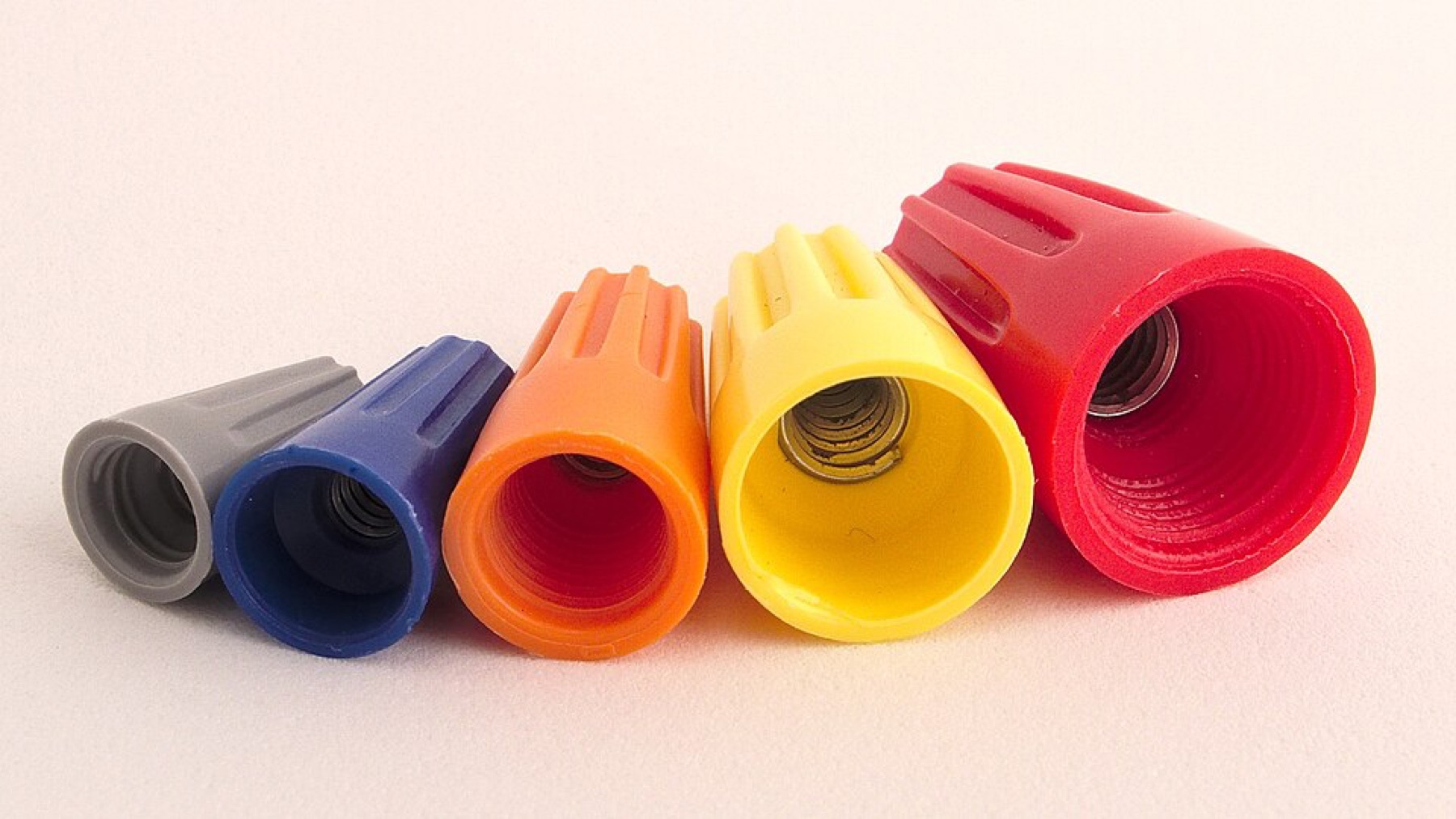
1. IDC T‑taps and quick splice connectors
IDC T‑taps and quick splices are plastic housings with a metal blade that displaces insulation and bites into the conductor. Guides from SmartBuy and Weipu Group emphasize starting with three checks:
- Wire gauge range – each connector is rated for a specific thickness band (for example, a tap might accept 18-22 AWG). For harnesses, mismatched gauge is the fastest path to unreliable contacts.
- Conductor type – stranded automotive cable vs. solid control wire. IDC blades are generally tuned for stranded, insulated low‑voltage conductors.
- Voltage and current rating – T‑taps sold for automotive accessories are usually intended for 12-24 V systems and moderate currents.
Use IDC T‑taps or quick splices when you need to add a sensor or branch wire onto an existing loom without cutting it, and the circuit isn’t carrying continuous high load. For a motorcycle harness feeding LED indicators and a brake light, IDC taps can work if they match your cable gauge and insulation.
2. Line tap connectors for heavier branch connections
Line tap connectors create a mechanical clamp between the main line and the branch conductor. The line tap guide on Electronics Alibaba describes them as typical for heavier branch connections, often on distribution lines and larger bare or insulated conductors.
Compared with IDC taps, line taps:
- Are built for larger conductor sizes and higher mechanical strength
- Often use bolted or compression mechanisms rather than thin piercing blades
- Can be supplied insulated or bare, depending on application
Independent experts caution that automotive‑grade T‑taps are not appropriate for mains‑voltage or continuous high‑load circuits; that’s the territory where purpose‑rated line taps or other utility‑grade connectors belong. If you’re building harnesses that interface with building wiring or long‑running power feeds, treat this as a flag to consult an electrician or an engineer and spec the connector family accordingly.
3. A quick comparison of harness‑relevant styles
Here’s a compact way to think about the main options for harness builds:
| Connector style | Typical wires | Best suited for | Poor fit for |
|---|---|---|---|
| IDC T‑tap | Stranded, insulated, low‑voltage | Automotive/marine accessory branches in looms | Mains‑voltage, continuous high‑load |
| Quick splice (IDC) | Stranded, insulated, low‑voltage | Fast additions to control or signal harnesses | Large gauge, high‑current feeders |
| Mechanical line tap | Larger conductors, bare or insulated | Heavier branch connections, distribution lines | Fine harness wires without proper sizing |
For a small ecommerce brand selling pre‑made automotive harnesses, the practical path is often: IDC T‑taps or quick splices for low‑voltage accessory branches, and separate, certified splice or terminal hardware wherever your product touches mains or high‑power systems.
Where to Buy Wire Tap Connectors: Local Distributors, Marketplaces and DHgate
Once you know roughly which connector family you need, the sourcing channel matters.
General and cross‑border marketplaces. Alibaba SmartBuy’s wire tap connector guide reflects how broader marketplaces host many OEM and trading‑company listings in bulk packs. This is appealing if you’re standardizing on one tap style and buying thousands of pieces, but filtering for wire gauge, application and real‑world reviews becomes your main job.
DHgate sits in this cross‑border camp. As outlined in its tools and home improvement buying guide, it functions as a marketplace connecting buyers directly to OEM factories, with competitive pricing and varied minimum order quantities on parts and tools. For a small Australian harness brand, DHgate may be worth shortlisting if you’re sourcing large volumes of a well‑understood connector spec and are comfortable doing extra due diligence on individual sellers. If you’re still iterating your design or need certified, clearly documented ratings, local distributors and more specialized component platforms are usually easier to work with.
If you are considering DHgate as part of your mix, it helps to understand how the marketplace works and how to vet sellers. DHgateWiki has independent explainers on what DHgate is and how the marketplace works, guidance on how to find trusted sellers on DHgate, and a practical order‑readiness checklist before checkout you can apply before locking in a bulk connector order.