
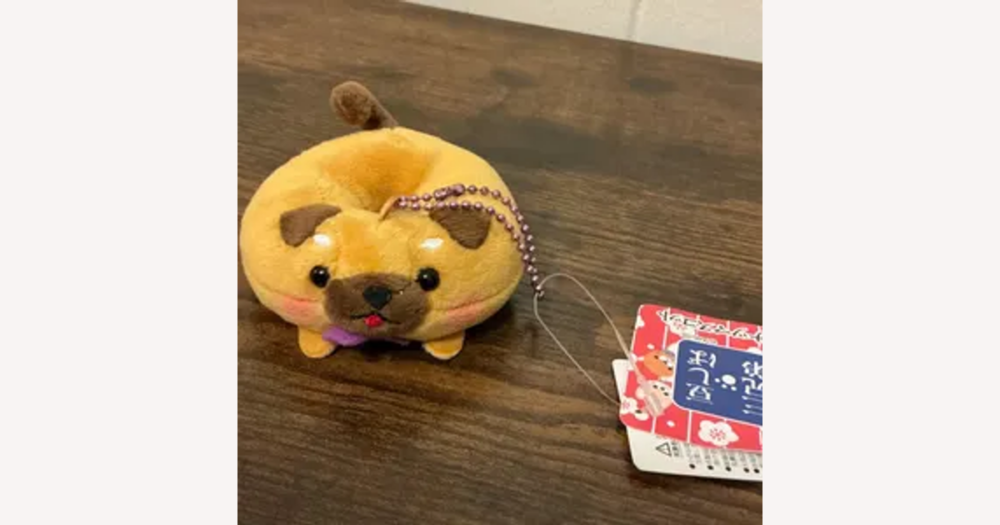
If you want a cute, distinctive Mameshiba keychain from DHgate without gambling on vague listings, treat the site as a catalog to analyze rather than a promise of rare collectibles. Focus on listings that pair clear photos of the character with concrete specs for materials, size, and attachment type, and weigh those details alongside the seller’s ratings and reviews before you decide whether a design is worth the risk of a cross-border purchase.
How DHgate can fit into your search for unique Mameshiba keychains
DHgate can be a useful place to look for unique Mameshiba keychains if you treat it as a catalog to analyze, not a guaranteed source of official or rare collectibles. With so many different sellers on the marketplace, it’s safer to focus on what each listing actually shows and says than on the word “Mameshiba” in the title.
For this kind of character keychain, strong listings typically include several clear photos of the mascot from different angles plus concrete specifications: what the body is made of (plush fabric, PVC, metal), whether it’s stuffed, how tall it is, and whether it hangs from a ball chain or a standard metal keyring. Distinctive designs often lean into themes—traveling Mameshiba with location tags, seasonal motifs like sakura, or playful twists like banana accessories—but this guide cannot confirm whether specific series or designs are available on DHgate at any given time.
When you scan DHgate, give priority to listings that combine appealing designs with precise specs and a seller who has solid ratings and detailed reviews. A listing that only looks cute in one or two photos, relies on copy‑pasted text, and never mentions material or size is harder to judge and more likely to disappoint. If I saw a Mameshiba keychain listing like that, I would personally keep searching for a better‑documented option rather than accept the uncertainty, even if the artwork itself caught my eye.
Key specs that tell you how a Mameshiba keychain will feel and hold up
Most Mameshiba keychains are small mascots designed to be carried every day—usually palm- or hand-sized rather than full plush-toy scale. They tend to fall into two broad build types: soft mascots with plush, “fluffy” bodies and internal stuffing, or harder charms made from acrylic, PVC, or metal that feel more like a traditional tag or pendant. Either style is typically attached with a ball chain, a short strap, or a standard metal keyring.
Plush mascots are light, squeezable, and comfortable to hold, but the fabric can fuzz or pill over time, especially if they ride in a pocket or rub against other items in a bag. Hard acrylic, PVC, or metal charms resist crushing and stay closer to their original shape, though they can pick up scratches or chips on the surface. Listings that name the materials—such as polyester plush with cotton filling and alloy hardware, or PVC charm with metal ring—and give height and width in centimeters or inches make it much easier to picture how bulky the keychain will be, how heavy it might feel on your keys, and how it will stand up to everyday use.
When a DHgate listing for a Mameshiba keychain doesn’t mention size or materials at all, you have far less certainty about comfort and durability, and it’s harder to tell whether it will suit your bag, pocket, or keyring. I would generally avoid buying in that situation unless I had already decided I was willing to accept extra risk for a very unusual design and understood how DHgate’s buyer protections work if the item arrives disappointingly small, flimsy, or different from what I expected.
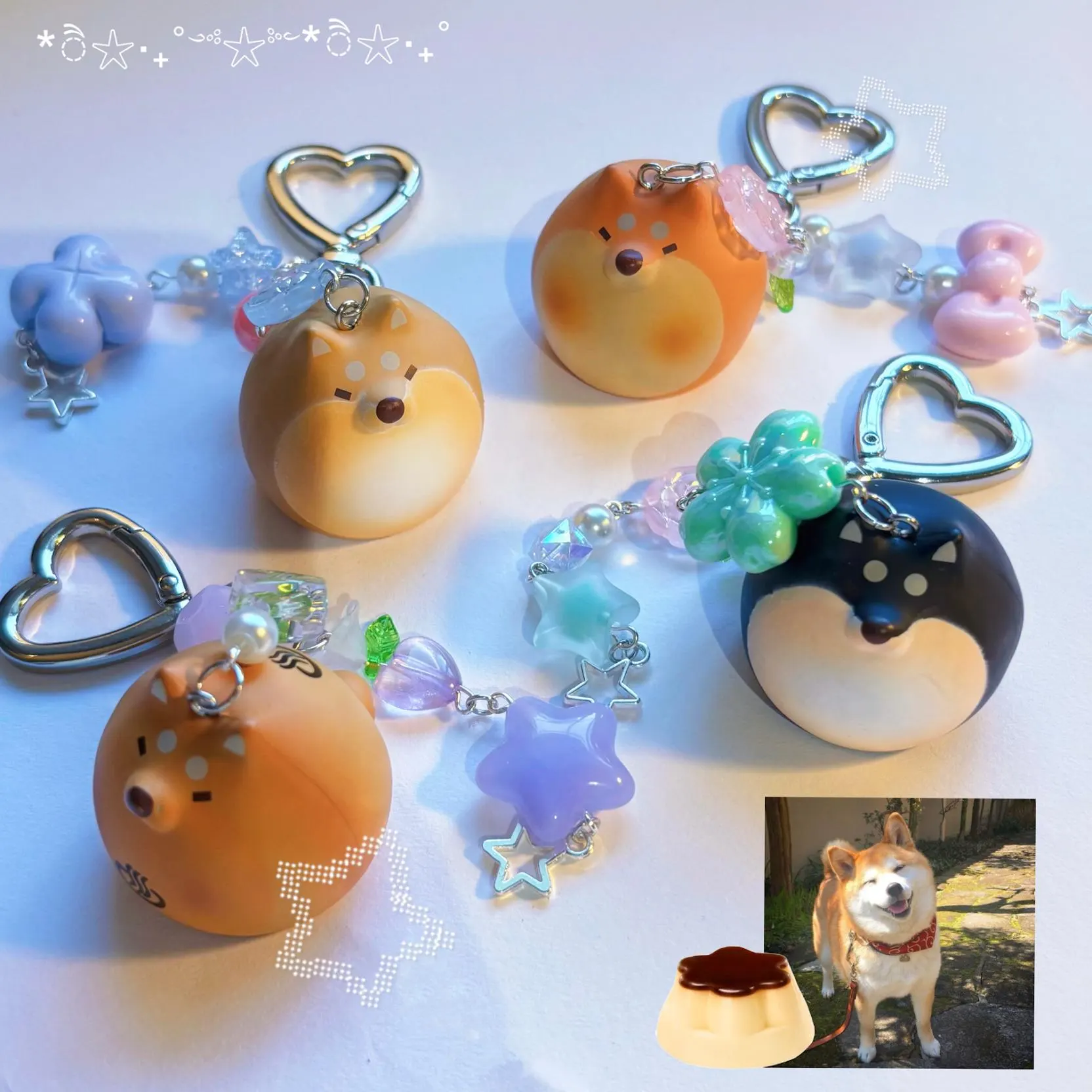
Use the photo to compare a soft, plush Mameshiba mascot with more rigid charm-style designs so you can connect what you see in DHgate listing photos to how each keychain is likely to feel and wear in daily use.
Judging design uniqueness from photos, series names, and marketing language
Treat design uniqueness on DHgate as something you judge from hard visual and naming clues, not from words like “rare,” “healing,” or “last item” in the title. The most useful signals are series names or numbers, clear themed motifs that you can see in the photos, and consistent branding on tags or packaging.
For Mameshiba-style keychains, objective markers might look like a “Traveling Mameshiba Series-6” label, a location callout such as “Yokohama limited,” or a clearly themed mascot with sakura blossoms, bananas, or other specific accessories that match a known design line. When you see this kind of concrete identifier plus a recognizable logo or tag in the photos, you have a better basis to believe the design belongs to a particular series rather than being a generic dog character.
On DHgate, similar clues may appear scattered across the listing: in the product title, in the description, and in close-up shots of tags or labels. Because this guide can’t confirm any individual listing’s authenticity or scarcity, treat these clues as starting points for your own research rather than proof on their own.
Soft marketing language sits on the other side of the spectrum. Terms like “healing,” “limited,” “rare,” or “last item” may simply be sales copy designed to make the keychain feel special, without any verifiable backing. If the photos don’t show a clear series name or brand tag, and the description never ties the design to a specific line, you should assume those phrases are promotional rather than factual.
My rule is straightforward: I would only treat uniqueness or rarity claims as credible if I could look up the named series or brand independently and confirm that the design matches what I find there. If that kind of verification isn’t possible, I assume I’m looking at a cute generic character keychain—even if the listing uses collectible-sounding language—and judge it mainly on how much I like the design, the materials, and the seller’s reliability.
Assessing DHgate seller reliability for Mameshiba keychains
For Mameshiba keychains on DHgate, seller reliability matters more than branding or how striking the artwork looks. The strongest signals are hard numbers and concrete buyer feedback: overall percentage rating, the total count of completed orders, the detail and tone of reviews, and signs that the seller responds when problems occur.
A higher rating backed by a substantial order history and reviews that mention on-time shipping and items matching their photos usually points to a more dependable seller than a listing that leans heavily on cute character branding. I would personally choose a slightly less novel Mameshiba design from a seller with many positive, specific reviews over a dramatic design from a seller with little or mixed history.
When you read reviews, focus on comments about small plush toys, character keychains, or similar items rather than only unrelated products. Look for mentions of fabric or charm quality, whether the size felt as described, and whether the colours and expressions in real life matched the listing photos. This kind of detail tells you much more about what your own keychain is likely to be like than generic praise such as “good seller.”
If the seller’s rating is low, the number of orders is small, or you see repeated complaints—misleading photos, flimsy quality, missing items, or poor communication—treat the listing as higher risk regardless of how appealing the Mameshiba art looks. In that situation, it’s often wiser to keep browsing until you find a design you like from a seller with a stronger track record.
What to expect from the DHgate purchase, shipping, and dispute process
- Place your order through DHgate, confirming the quantity of Mameshiba keychains, the total price, and the stated shipping method and timeframe before you submit.
- Complete payment using one of DHgate’s supported methods; the platform typically holds the funds under its buyer-protection framework instead of releasing everything to the seller immediately.
- Wait for the seller to dispatch the keychain and mark it as shipped, and check whether they provide an international tracking number or only a basic shipping confirmation.
- Monitor the shipment through the stated delivery window, keeping in mind that even a light item like a keychain can take several weeks to arrive via cross-border mail.
- When the package arrives, inspect the keychain carefully before you confirm it as received: compare materials, size, colours, and the Mameshiba design to the listing photos and description.
- If the keychain is significantly different from its description or fails to arrive within the protection period, use DHgate’s dispute and refund process to raise the issue, providing clear evidence (photos, messages, tracking information) within the platform’s timelines.
- By understanding these stages—and especially how disputes and refunds work—you can decide in advance whether you’re comfortable ordering from a higher-risk listing, such as a rare-looking design with thin specs or limited photos.
Key risks of buying unique-looking Mameshiba keychains overseas
Quick checklist before you buy a Mameshiba keychain on DHgate
- Use this seven-point checklist to decide whether a DHgate listing for a Mameshiba keychain is detailed and trustworthy enough to consider buying.
- Materials: Does the listing clearly state the main material (plush fabric, acrylic, PVC, metal, etc.) so you can picture how the keychain will feel and how durable it’s likely to be?
- Dimensions: Are height and width given in cm or inches so you can tell whether the mascot or charm will sit comfortably on your keys, bag, or backpack?
- Attachment type: Does the description specify a ball chain, metal keyring, clip, or other hardware so you know how it attaches and how sturdy that connection should be?
- Design series/theme: Does the listing name a series or show a clear motif—such as a travel location, seasonal theme, or food concept—or is it generic and lightly described?
- Seller rating and order history: Have you checked the seller’s overall rating, total completed orders, and review content, ideally seeing comments about similar small plush or character keychains?
- Shipping terms: Are cost, estimated shipping timeframe, and any tracking information clearly stated, with the understanding that international delivery for a light item may still take several weeks?
- Return/refund conditions: Is there a clear return or refund policy and mention of DHgate buyer protection so you know what happens if the keychain arrives off-model or fails to arrive?
- If several of these checks are missing or unclear, it’s usually safer to keep looking; I would personally skip that listing no matter how cute the main photo appears.
FAQ: Rare and official Mameshiba designs on DHgate
Can DHgate listings really offer rare or official Mameshiba keychains, and how should I approach them if I care about collectibility?
DHgate may contain both generic Mameshiba-style keychains and items described as “rare,” “limited,” or “official,” but rarity and licensing are very hard to verify from a listing alone. This guide cannot confirm whether specific limited editions like those seen on Japanese marketplaces are currently available on DHgate, and marketing phrases in titles or descriptions should not be treated as proof that a keychain is collectible.
If you care strongly about official status or long-term collectibility, rely on objective signals instead of sales language. Look for:
– Clear brand logos and trademarks on tags or packaging in the photos.
– Recognizable series names or numbers (for example, a named “Traveling” or seasonal series).
– Detailed product tags or labels shown close up, rather than only generic stock images.
Use those names and logos as starting points for your own research: run a general web search for the series name, brand, or tag wording to see whether the design is widely recognized and officially tied to Mameshiba. If you can’t match the listing’s branding and series details to independent information, the safest assumption is that you’re looking at cute character goods, not guaranteed collectibles.
My default rule is cautious: unless I see strong, verifiable evidence that a DHgate listing belongs to an established, official Mameshiba series, I treat it as a fun, themed keychain and judge it mainly on materials, build quality, and seller reliability. That way, you base your decision on specs, reviews, and DHgate’s buyer protection rather than on rarity claims that may be impossible to confirm.