
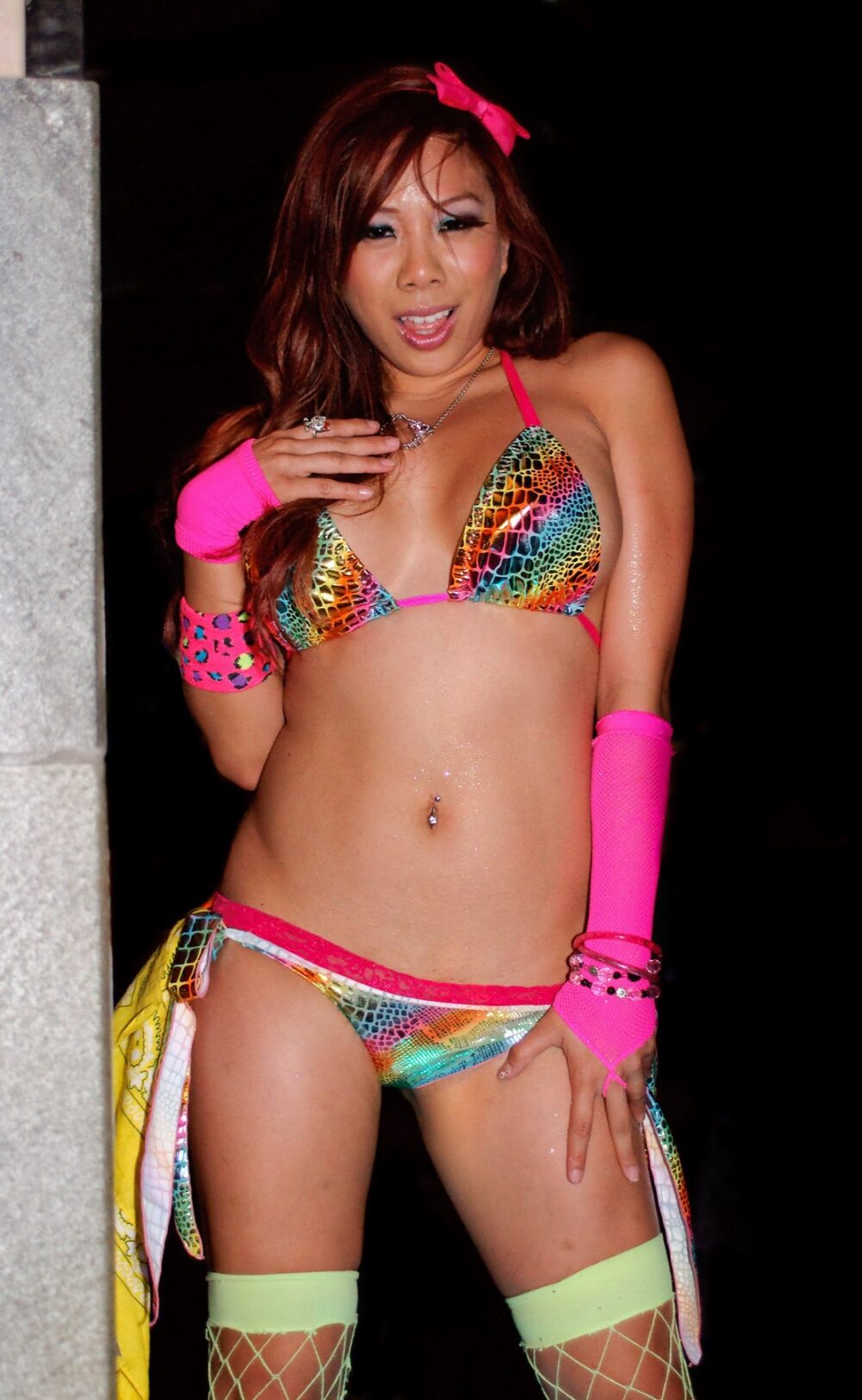
DHgate does carry cute, Japan‑inspired swimwear that can match a shoujo aesthetic, but it won’t be labeled “shoujo bikini.” To find it, you’ll need specific search terms (think “Japanese bikinis” or “cherry blossom swimwear”), then narrow down results with DHgate’s filters for size, color, style, price, and reviews. From there, you can shortlist a few listings, dig into photos and size charts, and message sellers for clarity before you buy or place any bulk order. If those checks don’t give you enough confidence or the designs feel off‑theme, it’s time to switch to more curated marketplaces.
What Shoujo‑Inspired Swimwear Looks Like and Why Buyers Turn to DHgate
Shoujo swimwear isn’t an official category on DHgate; it’s an aesthetic. In anime and manga, “shoujo” leans into romance, softness, and cute details. Translated into swimwear, that usually means:
- Pastel colors (pinks, lilacs, soft blues) rather than neon or ultra‑sporty palettes.
- Floral, cherry blossom, or heart prints.
- Ruffles, bows, lace trims, off‑shoulder straps, and skirted bottoms.
- Designs that feel playful or dreamy rather than overtly edgy.
On DHgate, those pieces show up inside broader swimwear buckets. There are category and deal pages for women’s swimwear, including Japanese bikinis and Japanese bathing suits, where you’ll see three‑piece Japanese‑style sets, ruffled bikinis, and cute print suits promoted as deals. You can preview this kind of inventory via the public Japanese Bikinis Deals results on Google, which lead into DHgate’s swimwear offers (example SERP link).
Japan‑inspired prints and kawaii‑leaning cuts on these pages can line up closely with a shoujo vibe, but they’re mixed in with more generic fashion and sexier styles. That’s why buyers and small boutiques use DHgate as a hunting ground: you can sometimes discover unusual, theme‑friendly pieces at appealing prices—but you have to do the work to locate and vet them.
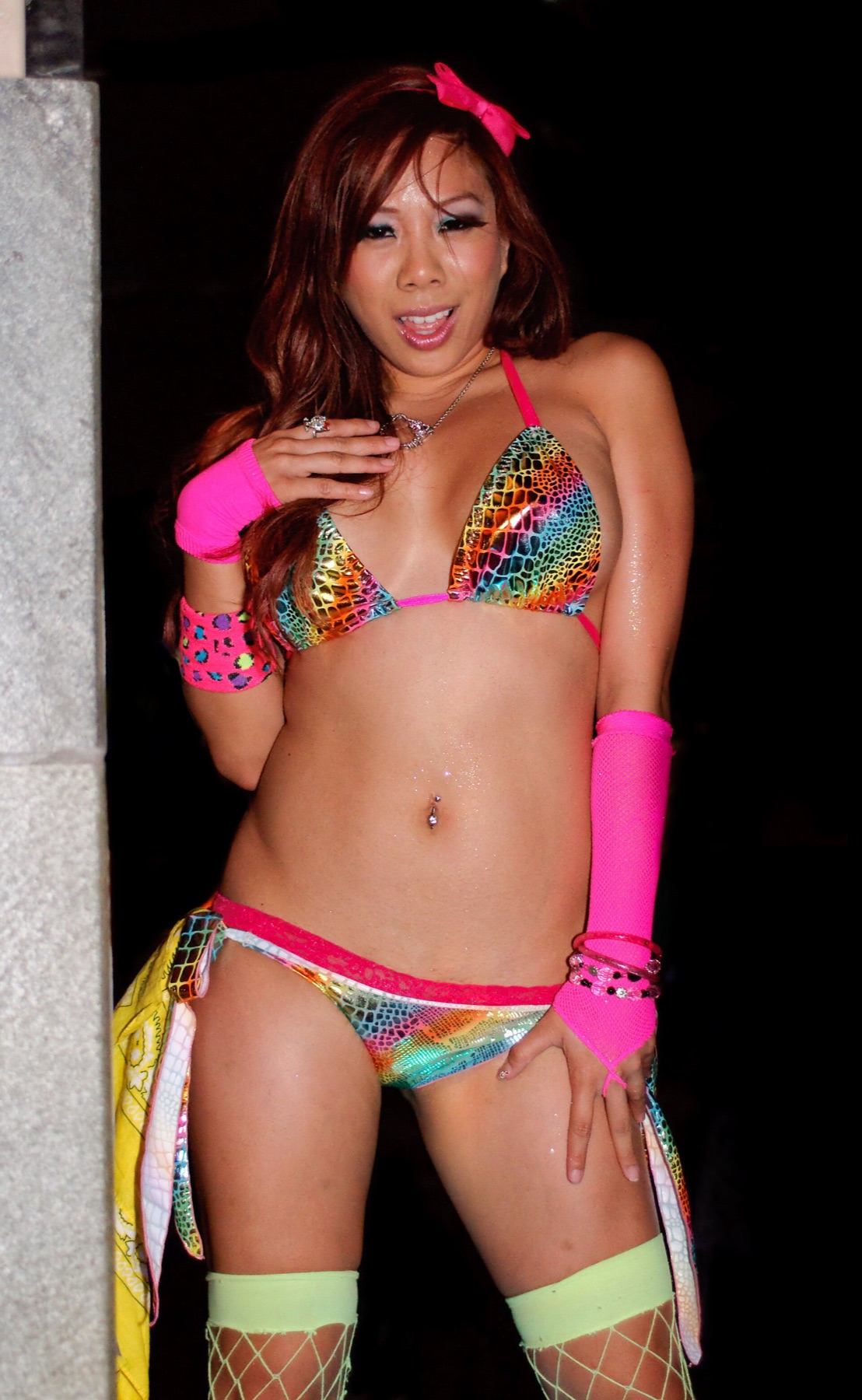
Step‑by‑Step: Searching DHgate for Shoujo Swimwear and Bikini Fashion
Use this workflow to move from “millions of bikinis” to a manageable shoujo‑style shortlist.
1. Start in swimwear categories, not the home page
Go to DHgate’s women’s swimwear section first. From there you can click into sub‑categories like bikinis, one‑pieces, and themed deals such as Japanese bikinis or Japanese bathing suits. Those pages already skew toward Japan‑inspired cuts and prints.
2. Search with long‑tail, aesthetic‑driven keywords
Generic searches like “bikini” bury you. Use more descriptive phrases that match shoujo visuals:
- “Japanese bikinis” / “Japanese bathing suits”
- “Japanese print bikini set”
- “cherry blossom swimwear”
- “cute ruffle bikini pastel”
- “bowknot bikini set” or “lace trim swimwear”
DHgate’s fashion guidance recommends long‑tail terms—such as “bohemian floral summer dress” instead of just “dress”—to get more relevant results. The Fashion Insider’s Guide on the DHgate blog describes using specific, style‑based phrases and filters to narrow down millions of listings (blog overview). Applying that same idea to swimwear dramatically improves what you see.
3. Apply filters to cut noise fast
Once you’re on a results page, use DHgate’s typical filters and sorting tools:
- Size filters to remove listings that don’t even carry your needed range.
- Color filters to focus on pastels or specific hues (pink, purple).
- Style or pattern options where available (floral, solid, striped).
- Price range to stay inside your personal or resale margin.
- Sort by reviews or popularity to surface items with more buyer feedback.
A DHgate blog guide on women’s swim shorts explains that using filters by size, color, style, price, and customer reviews is a practical way to refine fashion results (swim shorts guide). The same tools help when you’re chasing shoujo‑style cuts and prints.
4. Open listings and read them like a detective
For each promising bikini or one‑piece, click through and focus on:
- All photos, especially user photos if present, to see how ruffles, bows, and prints look in real light.
- Fabric composition (polyester/spandex blends are common; lace overlays or extra trims should be described).
- Size chart, which is vendor‑specific—never assume US sizing.
- Design notes, like “three‑piece Japanese‑style set,” “skirted bottom,” or “cute cartoon print,” which signal shoujo‑adjacent intent.
DHgate’s fashion experience article highlights that product pages usually offer detailed descriptions, sizing guides, and multiple images, and that buyers should use those before deciding (fashion experience overview). Those small text and image cues often make the difference between a generic bikini and a shoujo‑coded “beach episode” look.
5. Shortlist and message sellers before you commit
For listings that look promising, add them to your wish list or note them and then:
- Use the platform’s messaging to request close‑up photos of prints or trims if the listing images feel polished but vague.
- Confirm which size best matches your measurements, using their chart.
- Ask whether the exact color (e.g., blush pink vs hot pink) in photos matches the current batch.
DHgate’s editorial guides on swimwear and boutique sourcing recommend using the message system to clarify sizing, materials, and details before ordering, and suggest samples and direct negotiation as standard practice for boutique buyers (plus‑size swimwear guide; boutique sourcing overview). That applies equally when you’re testing shoujo‑theme pieces.
If you’re new to the platform, it can also help to read broader platform context at What DHgate is and how the marketplace works so you know how orders and communication generally operate.
Evaluating Sellers, Orders, and When to Use Other Marketplaces Instead
Finding a cute listing is only half the job. You still need to decide whether this seller—and DHgate as a channel—fits your risk tolerance and business needs.
How to judge individual DHgate swimwear sellers
DHgate’s swimwear and plus‑size guides repeatedly suggest a few concrete checks:
- Seller ratings and feedback: Look for consistently high scores and multiple pages of reviews, not just a single five‑star rating.
- Text reviews mentioning fabric and fit: Prioritize listings where buyers talk about elastic quality, lining, and how the size runs. That matters for ruffled and bow‑heavy designs that can sag or twist if underbuilt.
- Repeat photos from different buyers: If several users upload photos and the suit still looks like the listing, you’re getting a more reliable picture of color and cut.
For boutiques, DHgate’s sourcing guidance adds another layer: review seller feedback, request samples before bulk orders, and keep communication documented when you’re negotiating deals or confirming details (boutique sourcing overview).
You can deepen these checks using DHgateWiki’s trust‑focused guides—start with how to find trusted sellers on DHgate and the DHgate order‑readiness checklist before checkout.
DHgate vs other channels for shoujo‑style swimwear
Shoujo swimwear is niche. DHgate’s inventory is broad but not curated specifically around anime or shoujo themes, so you’ll sometimes find perfect pieces and sometimes only generic bikinis with a floral print.
Here’s a compact view of how DHgate stacks up against two common alternatives for shoujo‑style swimwear, focused on aesthetics and sourcing use cases rather than policies:
| Channel | Shoujo‑style visibility and tags | Typical design source | Best use case (editorial judgment) |
|---|---|---|---|
| DHgate | Mixed; Japan‑inspired listings inside general swimwear | Factories and manufacturers in China | Hunting for affordable, theme‑adjacent pieces; testing samples before small resale runs |
| Etsy | High; many items tagged anime, kawaii, coquette, shoujo | Independent makers and small labels | Buying or reselling clearly labeled shoujo swimwear with artisan or indie‑brand storytelling |
| US retail | Low; occasional floral/ruffled suits, rarely framed as shoujo | Mainstream brands and chain retailers | Quick, in‑person fit checks; filling basic cute‑swimwear needs rather than strict aesthetic sourcing |
A separate DHgateWiki comparison of platforms for swimwear sourcing, including Etsy, goes deeper into how these channels differ for bikinis and related categories; you can read that at DHgate vs Etsy & other channels for swimwear and bikinis.
Use DHgate when:
- You’re willing to dig through mixed search results for occasional gems.
- You want to experiment with samples or small bulk orders tied to a Japan‑inspired or kawaii theme.
- Price flexibility and variety matter more than perfectly on‑brand labeling.
Switch to Etsy or US retail when:
- You need clearly signposted shoujo branding and visuals for marketing (for example, an “anime beach episode” themed drop).
- You don’t have time to message multiple DHgate sellers to confirm fabric, sizing, and exact colors.
- Your boutique relies on clear maker stories and handmade positioning.
If you’re still learning how DHgate works overall, that broader platform guide plus the search and vetting steps above will help you see quickly whether DHgate’s shoujo‑adjacent swimwear is worth your effort—or whether you should focus your budget somewhere more curated.