

DHgate is one cross-border multi-seller marketplace in this channel comparison; evaluate it against alternatives using the same product, cost, and operational criteria.
Start with the vibe you want, then translate it into specific cuts, fabrics and platforms. Shoujo-inspired swimwear usually means pastel colors, soft prints and lots of cute details—ruffles, bows, lace, heart or floral motifs. Once you know whether you’re after sweet schoolgirl, dreamy magical-girl or romantic floral energy, you can decide on coverage (triangle vs high-waist vs one-piece), support level, and how much you’re willing to gamble on cross-border sizing.
Use DHgate as one of several places to browse and compare options: it surfaces a lot of low- to mid-priced swimwear from global sellers, while Etsy, Shein and TikTok Shop tend to focus more on niche kawaii designers or fast-fashion versions of the same aesthetic. The right choice is the platform that matches your budget and tolerance for fabric and size variation.

What Counts as Shoujo Swimwear? Turning Aesthetic Into Product Specs
In anime and manga, shoujo is all about feminine, playful, sometimes dreamy visuals. Translated into swimwear, that typically looks like:
- Colors: pastels (baby pink, lavender, mint, sky blue), soft creams, or pale yellows. Sometimes combined with a darker accent like navy bows.
- Prints: small-scale florals, gingham checks, polka dots, strawberries, moons and stars, or subtle character-inspired patterns rather than big graphic logos.
- Trims and details: ruffled edges on the bikini top or bottom, layered frill skirts, bows at the center bust or hips, lace-like edging, fake buttons or pearl accents.
- Silhouette: softer, rounded shapes—sweetheart necklines, puff sleeves, skirted bottoms—rather than sharply athletic or ultra-minimal cuts.
When you’re searching on any marketplace, turn that aesthetic into filterable features:
- In keyword boxes, combine terms like “kawaii bikini,” “ruffle swimsuit,” “pastel floral bikini,” “bow trim swimwear.” Guides to kawaii swimwear such as KawaiiStop’s style overview show how often ruffles, bows and pastel florals show up in this niche.
- In product filters, choose color families (pink, purple, light blue), pattern (floral, polka dot), and “skirted” or “high-waist” silhouettes if available.
For small ecommerce buyers, this translation step matters: it lets you build a concrete spec list (“triangle bikini top, pastel floral, double-layer ruffle, removable padding”) that you can re-use across DHgate, Etsy, Shein or TikTok Shop instead of chasing random “cute” listings.
Shoujo Swimwear Types and Their Coverage Trade-Offs
Most modern swimsuit cuts can be styled to feel shoujo. The big differences for buyers are coverage, support and where the cute details sit. Here’s a compact comparison:
| Style type | Typical coverage & support | Common shoujo details | Best for buyers who… |
|---|---|---|---|
| Ruffled triangle bikini set | Low–moderate coverage; light bust support | Neckline ruffles, center bow, pastel prints | Want a classic bikini with kawaii flair |
| Skirted bikini (top + skirt) | Moderate bottom coverage; bust depends on top shape | Mini skirt or peplum, lace edging, florals | Prefer more hip/thigh coverage |
| High-waist bikini | More tummy coverage; moderate bust support | Buttons, belt bows, vintage florals | Like retro silhouettes or support |
| Bikini with shorts bottom | Full hip/thigh coverage; can feel sporty or cute | Printed shorts, contrast piping, bows | Plan to be active or want modesty |
| One-piece kawaii suit | Full torso coverage; can be low, mid or high back | School-swimsuit inspired, sailor collars, puff sleeves, ruffle straps | Want security in water or anime cosplay feel |
Fashion media tracking full-coverage trends, like The Zoe Report’s look at summer swimwear, show how high-waist bottoms, shorts and one-pieces are now mainstream—not just “modest” outliers. That’s good news for shoujo fans, because those cuts offer larger surfaces for prints and frills.
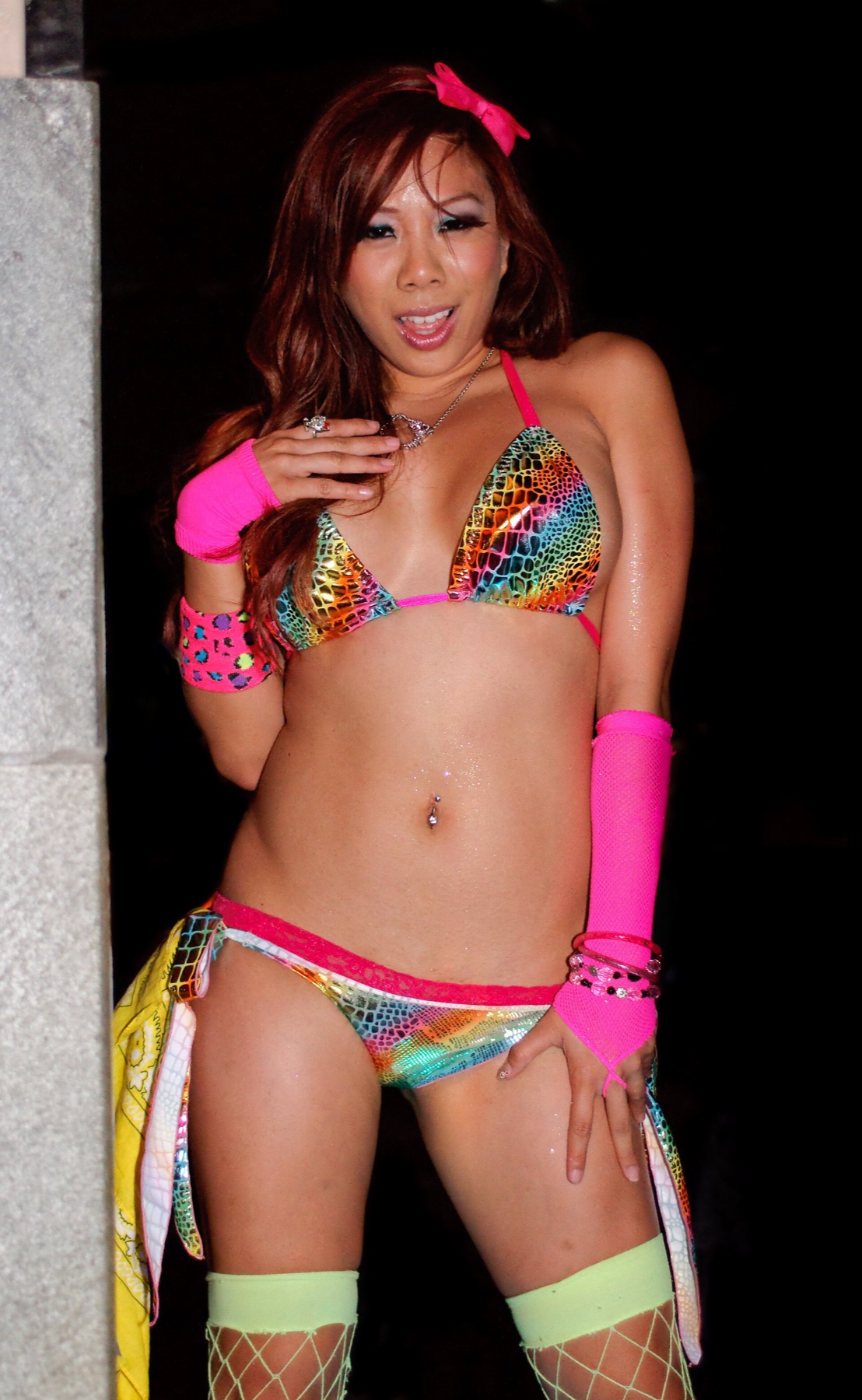
How to pick among them
Beach posing vs active swimming
If you’ll mostly lounge, ruffled triangle tops and tiny bows are fine. For surf or pool laps, look at more secure shapes—wide straps, back clasps, or even rash guard + shorts combos styled with kawaii prints.
Coverage comfort zone
If you like your midriff covered but still want a bikini, high-waist or skirted sets balance shoujo frills with comfort.
Resale or dropshipping potential
For US resellers testing shoujo swimwear, one-piece anime-inspired suits and high-waist sets often stand out more in product photos than yet another plain triangle bikini.
Fabric, Sizing and Platform Choice: Making Cross-Border Shoujo Swimwear Less Risky
Once you know your style, your biggest risks with cross-border shoujo swimwear are fabric feel, stretch, embellishment durability and sizing variance.
Fabric and construction checks
Most kawaii swimwear uses blends like polyester–spandex or nylon–spandex. As guides such as KawaiiStop’s article note, you’re looking for enough stretch to move but enough thickness that pastels don’t turn see-through when wet.
On any platform, make a habit of:
- Reading fabric composition. Aim for at least some spandex/elasthane for stretch; very low-stretch polyester can feel stiff and cheap.
- Checking lining and padding. Light colors benefit from lined cups and double-layer bottoms. If the listing photos look very thin or unlined, assume minimal opacity.
- Inspecting embellishments. Ruffles, bows and faux pearls are cute but can detach. Zoom into stitching in photos and scan reviews for mentions of fraying or pieces falling off.
Sizing pitfalls for kawaii and shoujo styles
Shoujo-inspired suits often come from East Asian sizing systems, which can run smaller than US expectations and vary across sellers. Cross-border buyers should:
- Treat each listing’s size chart as unique—never assume your “M” is universal.
- Compare bust, waist, hip and torso-length measurements to a swimsuit you own.
- Prioritize styles with adjustable straps, lace-up backs or tie sides; they forgive small miscalculations more than fixed-band one-pieces.
Where DHgate fits among Etsy, Shein and TikTok Shop
For discovering shoujo swimwear, you essentially have three broad channel types:
- Marketplace-fast fashion (Shein, many TikTok Shop sellers). Often full of pastel floral bikinis and bow-trimmed sets, with very trend-driven designs. You’ll see lots of similar SKUs and aggressive pricing, but fabrics and sizing can be hit-or-miss.
- Indie and handmade (Etsy). The Etsy shoujo swimsuit results show smaller designers leaning into specific anime or shoujo aesthetics—custom prints, handmade ruffles, and higher prices.
- Global wholesale-style marketplaces (DHgate). DHgate’s own editorial describes a wide range of surf swimwear and bikinis from global sellers, with styles spanning basic to more detailed pieces. Their swim shorts guide notes “a variety of women’s swim shorts” and a broader swimwear assortment via multiple brands and sizes.
Independent lists of DHgate clothing sellers, such as BuyingProTips’ overview, show that buyers do use DHgate for apparel sourcing, including swimwear.
For a US buyer or small ecommerce business, DHgate is most useful as a comparison and test-buy platform:
- You can see many similar kawaii-style swimsuits from different factories and sellers in one place.
How to decide where to buy:
- If you want the lowest price and can handle some variance, browsing DHgate alongside Shein or TikTok Shop can expose more options, then you narrow down by fabric composition, detailed photos and real buyer images.
- If you care more about unique art or handmade quality, Etsy’s shoujo swimsuits are a better starting point, and DHgate may become relevant later if you decide to scale into bulk buying in a similar aesthetic.
If you need help with DHgate platform basics, see
- What DHgate is and how the marketplace works
- Find trusted sellers on DHgate
- DHgate order-readiness checklist before checkout
On DHgate specifically, treat every listing like a mini research project: read product descriptions thoroughly, compare the size chart to your measurements, and spend time in buyer reviews and photos to get a sense of how that seller’s fabrics, ruffles and bows hold up. If you’re new to shoujo swimwear sourcing, start with one or two test orders from different platforms before committing to larger quantities.