
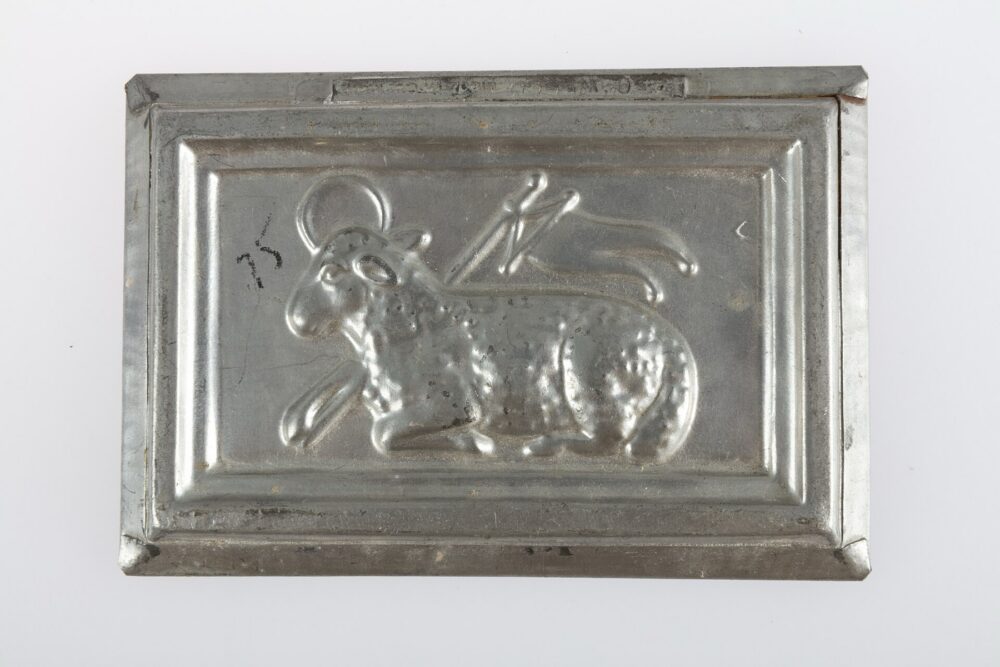
DHgate can be useful for finding inexpensive lamb‑shaped cake molds, but it’s mostly a source of new, commodity molds from Chinese suppliers—not the vintage cast‑aluminum pieces many bakers collect. To use it well, you’ll need specific search terms, listing filters, and careful seller checks, and you should be ready to walk away if a mold looks likely to cause classic lamb‑cake failures: sticking, breaking at the neck, or collapsing. For genuinely vintage or branded molds, Etsy, local antique shops, and mainstream retailers are usually better bets.
What Lamb Cake Molds Are—and Why DHgate Mostly Offers New Ones
A lamb cake mold is a 3D form that lets you bake a full lamb‑shaped cake in two halves, then join and decorate it—often for Easter or other holidays. These molds are typically metal (cast aluminum, steel) or silicone and need good nonstick performance plus even heat so the lamb’s head and legs set but don’t weld themselves to the pan walls. Guides for using 3D lamb molds emphasize thorough greasing/flouring and stable batter to avoid breakage when you unmold the cake, because failures usually trace back to poor release or a material that warps or overheats the cake surface.
On DHgate, you won’t find a neat category literally labeled “Lamb Cake Failures and Molds.” The marketplace groups baking tools more broadly, so lamb molds show up under generic baking mold or cake pan listings if they appear at all. That means you’re mainly looking at new, mass‑produced molds: silicone lamb shapes, seasonal baking pans, or multi‑cavity animal molds. If your goal is a specific mid‑century cast‑aluminum lamb mold or a brand like Nordic Ware, DHgate is unlikely to deliver what you expect; you’re better off on Etsy or second‑hand channels that explicitly trade in vintage kitchenware.
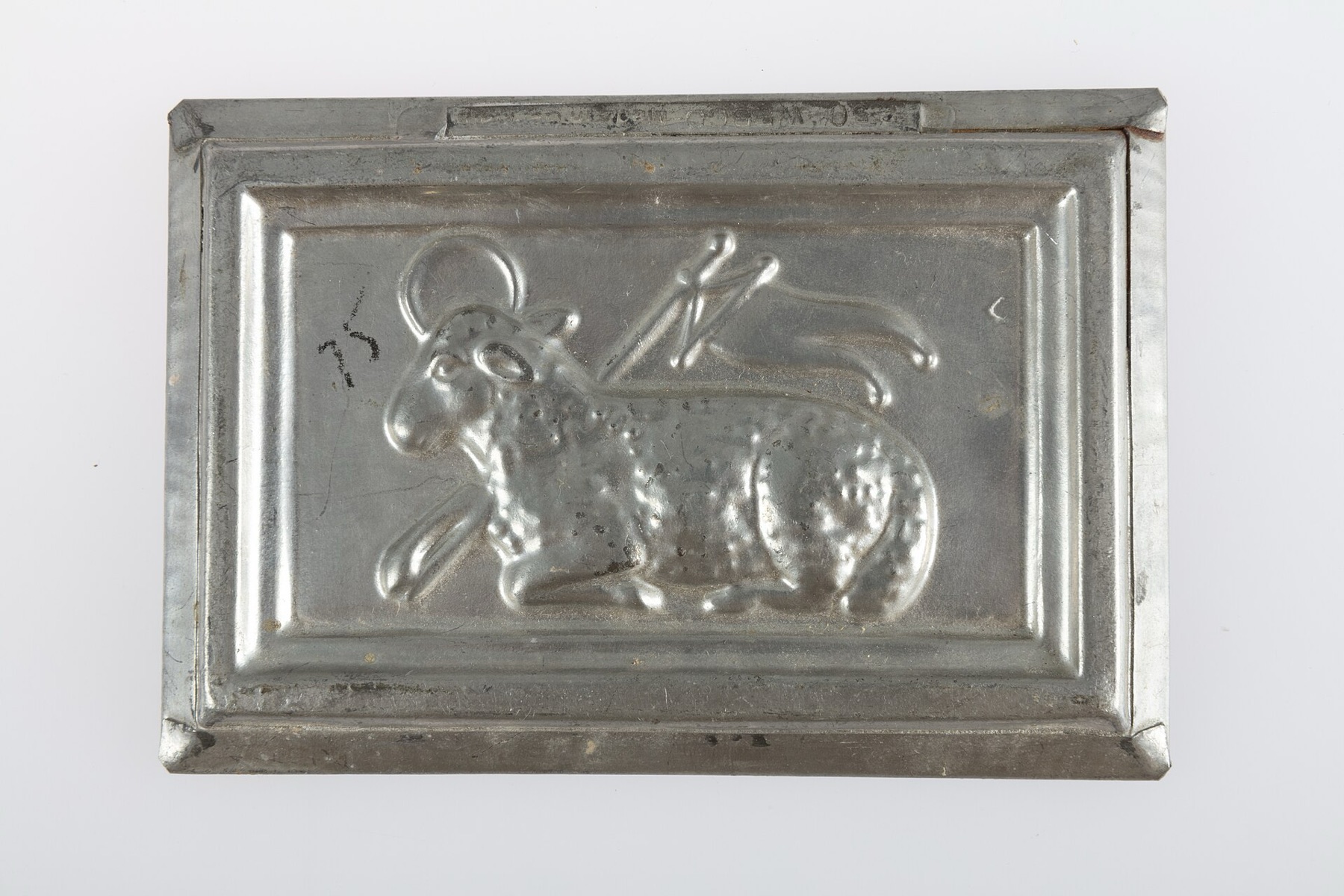
Because DHgate is a multi‑seller global marketplace connecting international buyers with mainly Chinese suppliers and manufacturers, each lamb mold is listed and described by an individual seller, not by DHgate itself. That structure is fine for generic molds, but it means you have to take responsibility for checking materials, heat resistance, and seller reliability before you trust the mold with a delicate 3D cake.
Search and Filter Workflow: How to Actually Find Lamb Cake Molds on DHgate
You won’t see “lamb cake failure” in any DHgate menu, so you have to drive the search yourself. A simple workflow:
- Start with specific, flexible keywords
On DHgate.com, try a sequence of searches: `lamb cake mold` `lamb cake pan` `animal cake mold` or `sheep silicone mold` `3d lamb mold` or `3d animal cake mold`
Many suppliers tag products loosely, so broader terms (“animal cake mold”) often show lamb designs embedded in a larger set.
- Use filters to eliminate obvious bad fits
DHgate provides general filters you can apply—such as narrowing by category, material keywords in the sidebar, or seller activity signals. Use these to: Focus on baking molds rather than candy or soap molds if you want an oven‑safe lamb. Home in on silicone, aluminum, or stainless steel mentions, depending on your preference, and ignore plastic or vague “resin” molds.
An editorial guide on sourcing ceramic molds from DHgate explains that filters and search tools are useful for narrowing down options before you dive into individual listings; the same principle applies here to baking molds.
- Read the product title, description, and photos as if you’re inspecting a pan in person
For each candidate listing: Check whether photos show a full lamb shape big enough for cake batter rather than tiny lambs for chocolate or fondant. Look for explicit oven‑temperature language (e.g., “heat‑resistant to X degrees”) rather than generic “high quality material.” If the temperature range is missing, treat it as a red flag for cake baking. * Confirm whether it’s a two‑piece mold (traditional lamb cake) or a single silicone form. Both can work, but you’ll handle release differently.
Cross‑reference these details with basic lamb‑mold technique guides such as Kitchen Pan Guide’s overview of 3D lamb molds, which highlight how mold shape and material affect baking and release.
- Use DHgate’s seller ratings and buyer feedback as screening tools
Prefer lamb‑mold listings where the seller has a history of sales and visible feedback. Read reviews specifically for mentions of smell, warping, sticking, or size surprises—all issues that can translate directly into lamb‑cake failures.
DHgate’s own editorial blog notes that ratings and reviews help you judge reliability and product quality; on DHgateWiki, we go further and treat them as part of a repeatable pre‑purchase checklist.
- Run a quick lamb‑mold version of the shopping “black list” checklist
| Checkpoint | What to look for on a lamb mold listing |
|---|---|
| Your baking needs | Is the mold large enough for a cake, not just candy? Does it match your oven and recipe? |
| Reviews & photos | Do buyers show baked lamb cakes? Any mentions of sticking, breaking, or funky odors? |
| Price vs build | Does the price seem plausible for silicone or metal, not suspiciously low or high? |
| Seller profile | Ratings, feedback history, and other baking tools in the store (not just random gadgets). |
| Return/exchange terms | Clear language about returns if the mold arrives damaged or clearly unusable. |
You can find wider context on DHgate’s marketplace structure in What DHgate is and how the marketplace works, and more detail on seller vetting in Find trusted sellers on DHgate.
When DHgate Works for Lamb Molds—and When You Should Switch Channels
DHgate can work well in some lamb‑mold scenarios, and poorly in others. Think through your use case:
DHgate is usually a good fit if:
- You want inexpensive, new silicone lamb molds for home baking.
Generic silicone lamb or sheep molds are exactly the kind of product DHgate’s suppliers mass‑produce. For a one‑off holiday cake or occasional use, you can accept some risk and rely on careful greasing and cooling to minimize failures.
- You’re a small ecommerce seller testing bulk lamb‑mold inventory.
If you plan to resell non‑branded molds, DHgate’s multi‑supplier catalog is a discovery channel. In that case, request samples where possible and bake test lambs in each mold before committing to a larger order. Combine listing vetting with the broader DHgate order‑readiness checks outlined in Review the DHgate order-readiness checklist.
- You’re flexible on exact style and just need “a lamb shape.”
Many listings show cartoonish or stylized lambs. If your priority is a themed cake rather than a specific traditional silhouette, DHgate’s variety may be enough.
You should probably switch to alternatives if:
- You’re hunting true vintage or brand-specific molds.
Collectible cast‑aluminum lamb molds, or specific heritage brands, show up far more reliably on Etsy’s lamb cake mold marketplace or in local vintage shops and thrift stores. Those channels specialize in second‑hand kitchenware and often provide detailed history and photos.
DHgate listings sometimes mention materials, but they rarely offer the kind of third‑party certification detail you’d see from major US retailers. If regulatory documentation is critical for your business, big‑box options like Walmart’s baking section or dedicated restaurant‑supply stores may be safer.
In short, treat DHgate as a broad catalog of new lamb‑shaped molds, not a curated vintage bakery. Use specific searches, filters, and seller checks to avoid molds that will stick, warp, or disappoint, and switch channels quickly if your needs involve provenance, branding, or strict certifications rather than just a cute lamb on the table.