
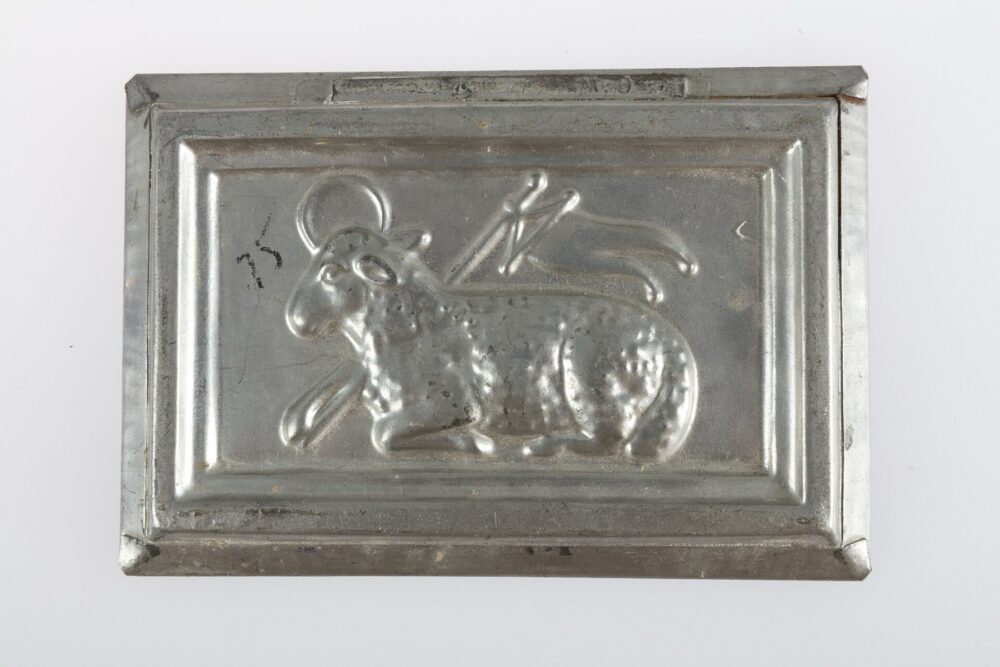
You avoid most lamb cake fails by pairing the right 3D mold with the right batter and heat. For most US buyers, that means a sturdy two‑piece lamb pan in cast aluminum or similar metal, with good clamps and clear detailing, matched to a fairly dense batter and thoroughly greased. Vintage molds and quality modern 3D pans give the most reliable results; floppy or very thin molds are where necks snap, tops cave in, or the lamb’s face stays stuck. DHgate can sometimes help for generic 3D animal molds or bulk novelty pans, but it isn’t the natural source for collectible vintage lamb molds.
What Lamb Cake Molds Are (and Why So Many Lamb Cakes Fail)
A lamb cake mold is a shaped pan that bakes a lamb upright in 3D, usually for Easter. The classic version is a two‑piece metal mold: you fill one half with batter, clamp the second half on, and bake the lamb on its side. After cooling, you unclip the mold and stand the lamb up.
Vintage lamb molds are typically heavy cast aluminum or cast iron 3D pans that clamp together and are now prized by collectors. Guides like KitchnAdvisor’s vintage lamb mold overview show the typical look: thick cast‑metal halves, clear wool and face detailing, and integrated hooks or clamps.
Common “nailed‑it” lamb cake failures often trace straight back to mold design:
- Top half hollow or collapsed: The mold’s volume doesn’t match the batter amount, or steam can’t escape. Deep molds with poor vents make this worse.
- Broken neck or ear: A mold with very thin neck/ear sections combined with a light batter means weak structure. Those parts crack when you unmold or stand the lamb.
- Sticking and torn face: Smooth, unseasoned metal or cheap nonstick coatings without thorough greasing cause the lamb’s detailed side (usually the face) to cling.
3D lamb molds also need specific filling and cooling technique. As Kitchenpanguide’s mold guide points out, you usually:
- Grease and flour both halves carefully.
- Fill only to a marked line or about 2/3 of the volume so the lamb can rise without bursting seams.
- Let the cake cool in the mold long enough that the structure sets before you unclamp.
A buyer‑side takeaway: if a listing shows a very thin or shallow two‑piece mold with minimal clamps and razor‑thin neck/ear areas, expect higher failure risk unless your batter is very sturdy and you’re ready to baby the release process.
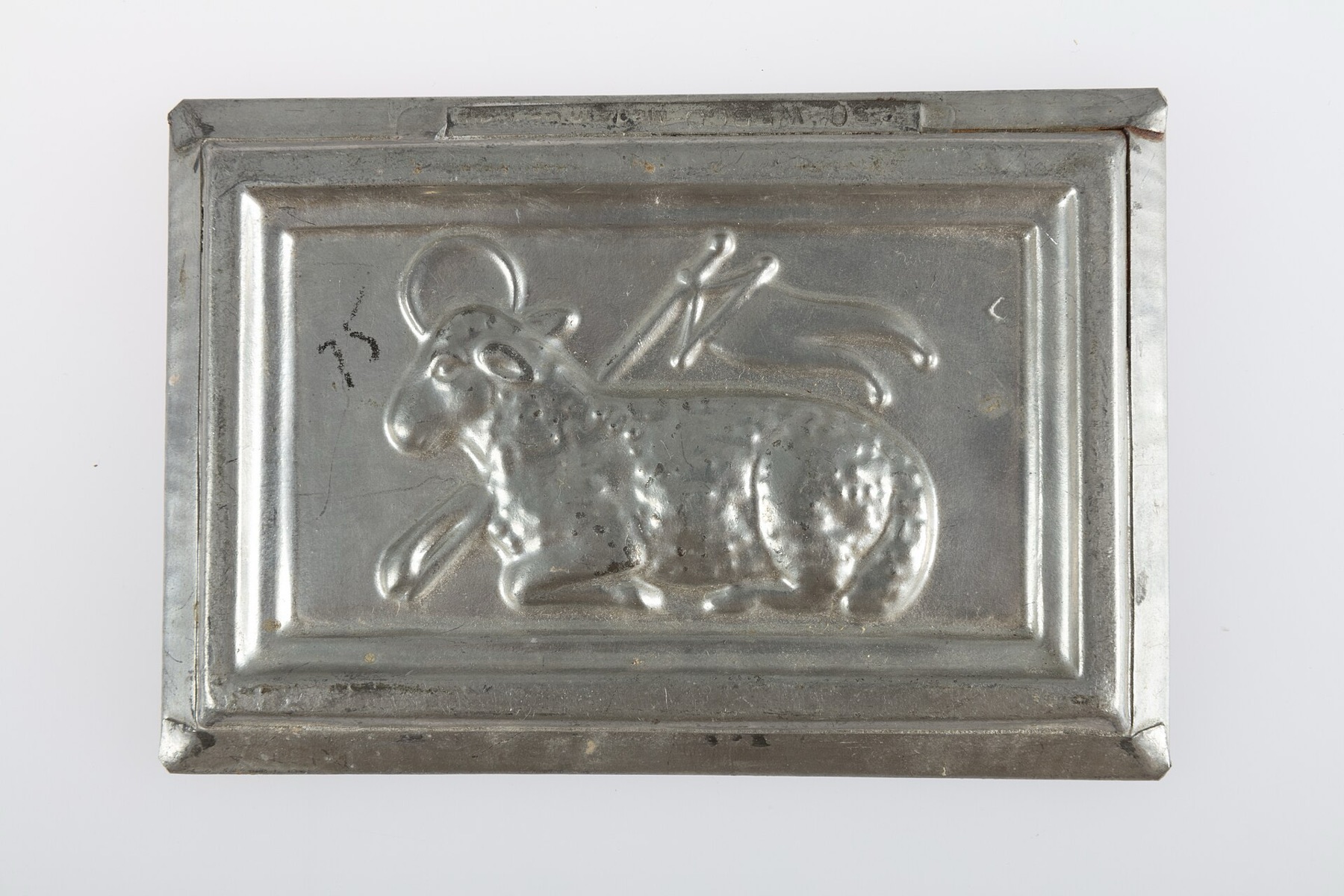
Comparing Lamb Cake Mold Types and Failure Risk
Current retail includes several lamb mold formats: true 3D pans, single‑piece novelty pans, and silicone forms, as rounded up by sites like Top5Best. Each behaves differently in the oven.
Here’s a compact comparison focused on failure risk:
| Mold type & material | What it looks like | Pros for baking | Typical failure risks |
|---|---|---|---|
| Vintage cast aluminum / cast iron 3D mold | Two heavy halves that clamp; deep lamb profile with detailed wool and face | Very even baking and crisp detail; sturdy enough that the lamb stands upright; long‑lasting and collectible, as noted by KitchnAdvisor | Needs very thorough greasing; weight can make handling hot molds tricky; thin neck/ear areas still vulnerable if batter is too light or mold is overfilled |
| Modern metal 3D lamb pan (Nordic Ware‑style) | Two nonstick or coated halves with clips; sold by major retailers like Walmart’s lamb cake pan category | Designed for home ovens; usually have clear fill guidelines; more consistent manufacturing than random vintage finds | Coating can chip over time; cheaper copies may have poor clamps, leading to batter leaks or uneven seams; still needs careful greasing and cooling to avoid face sticking |
| One‑piece novelty lamb pan (shallow) | Single pan with lamb outline, often lying flat rather than fully 3D | Easier to fill and release; less risk of neck breakage because the lamb isn’t fully upright | The final cake looks more like a relief than a standing lamb; shallow detail can be lost under frosting; overfilling can cause distorted shapes |
| Silicone lamb or generic 3D animal mold | Flexible, brightly colored mold; may be lamb‑shaped or just “animal cake” | Very easy to unmold when well‑made; good for experimental shapes and DIY projects, as explored in silicone/3D printing guides | Floppy walls can bow out, giving a distorted lamb; cheap silicone may scorch or hold odors; if the mold is tall but unsupported, you can get leaning or collapsed cakes |
For a home baker who just wants one cute lamb each Easter, a modern metal 3D pan from a known brand is usually the simplest option. A micro‑bakery or vintage‑centric Etsy shop might actively seek heavy cast‑metal molds because they produce sharper detail, can be resold as kitchen collectibles, and withstand repeated use when properly cared for.
Where to Buy Lamb Cake Molds: Vintage, Retail, and DHgate
Once you know which mold type you want, the next choice is channel: are you hunting a specific vintage piece, a reliable modern pan, or inexpensive molds for bulk projects?
For vintage cast‑metal lamb molds.
If your goal is the nostalgic, heavy clamshell mold your grandmother used, your best bet is platforms that specialize in individual sellers and antiques. Etsy has many listings from small sellers offering older cast‑aluminum and cast‑iron designs, as you can see on its lamb cake molds marketplace. Condition, age, and exact manufacturer vary, so expect to review photos carefully and compare detailing, clamp style, and any signs of warping.
These vintage molds suit both home bakers and micro‑brands that want to photograph or sell “heritage” lamb cakes, but they’re not predictable for bulk sourcing; each piece is essentially one‑off inventory.
For modern 3D lamb pans and simple novelty pans.
Major US retailers carry modern lamb pans seasonally and sometimes year‑round. Walmart’s bakeware section, for example, includes Nordic Ware‑style 3D lamb pans and other lamb molds (category page). Listings typically show interior detailing and whether the pan is two‑piece or single‑piece.
This channel is best if you:
- Want a predictable, repeatable pan design for home or small‑batch bakery use.
- Need a few units, not hundreds.
Where DHgate realistically fits.
DHgate is a global marketplace that connects international buyers with Chinese sellers across a wide range of products, from apparel and electronics to many home goods, as its own blog describes in an overview of the platform’s role. For lamb cakes, that scale matters mostly if you’re looking for generic 3D animal molds or bulk novelty pans rather than specific vintage lamb molds.
If you browse DHgate for molds, you’re more likely to see:
- Silicone or metal animal‑shaped cake molds that could be repurposed as lambs.
- Multi‑cavity novelty pans suitable for mass‑producing small lamb cakes or fake bakes.
You are unlikely to find authentic, individually sourced vintage cast‑iron or cast‑aluminum lamb molds there; those travel through antique and collector channels instead.
For US buyers or small ecommerce businesses evaluating DHgate, the practical use case is:
- You want inexpensive generic animal molds or to test bulk novelty pans for a fake‑bake shop.
- You’re comfortable doing extra due diligence across international sellers and listings.
To understand DHgate itself before you jump into molds, it’s worth reading a neutral explainer such as What DHgate is and how the marketplace works and, if you do proceed, learning how to find trusted sellers on DHgate. Those guides focus on the marketplace mechanics so this page can stay focused on product fit.
Quick channel summary by use case
- One cherished family lamb each Easter: modern 3D metal pan from Walmart, Target, Kohl’s, etc.
- Heritage look + collectible hardware: vintage cast‑metal molds via Etsy or antique dealers.
- Bulk novelty lambs or generic animal cakes (including fake bakes): generic 3D molds from large marketplaces; DHgate might be one option among several, but it’s not a vintage lamb specialist.
For additional DHgate platform context, use Review the DHgate order-readiness checklist.
If you choose the mold format first—solid 3D design, sturdy material, realistic clamps—and then match the channel to your volume and aesthetic needs, you’ll avoid most of the classic lamb cake fails long before you turn on the oven.