
If you’re shopping DHgate for glass cutting tools or trimmers, plan to do more than type “glass cutter” in the search bar. You’ll get usable options only if you start with clear specs (flat glass vs tile, thickness range, manual vs powered), then use targeted keywords and filters to carve the results down. From there, you have to judge each listing by its technical details, photos, and seller track record, and ideally confirm quality with a sample before any serious order. If you can’t get those checks to line up, you’re better off buying locally or from a more specialized channel.
Know Which Glass Cutting Tools You Actually Need Before You Search
Before you even open DHgate, decide what kind of glass work you’re sourcing for. The search terms and quality checks are very different for a hobbyist stained‑glass scorer than for a small shop cutting glass tile.
For this category, most buyers are really looking for one of these:
- Manual glass cutters / scorers – pen‑style or pistol‑grip tools with a hardened wheel (often tungsten carbide or diamond‑tipped) used to score flat glass so it can be snapped. Key specs: supported glass thickness (e.g., 5-12 mm is common in guides), wheel material, handle ergonomics, and whether it has an oil‑feed reservoir.
- Glass tile cutters / trimmers – tools that combine scoring and breaking for glass or ceramic tile. Specs to watch: max tile size, thickness capacity, type of scoring wheel, fence or angle gauge accuracy, and whether the tool is compact hand‑operated or a larger bench unit.
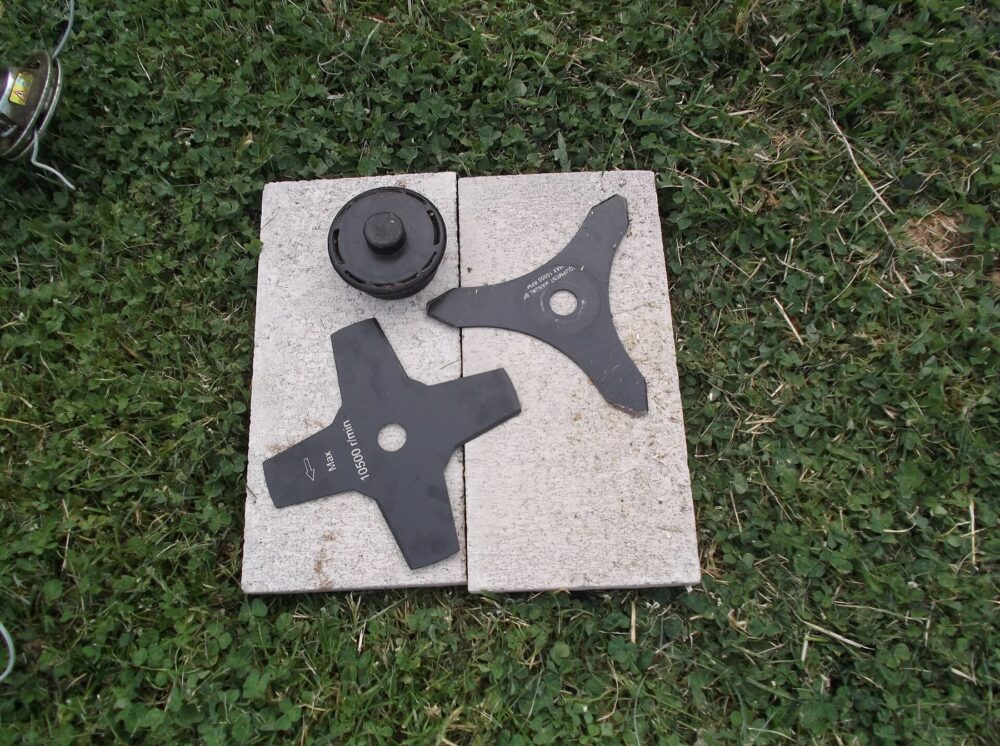
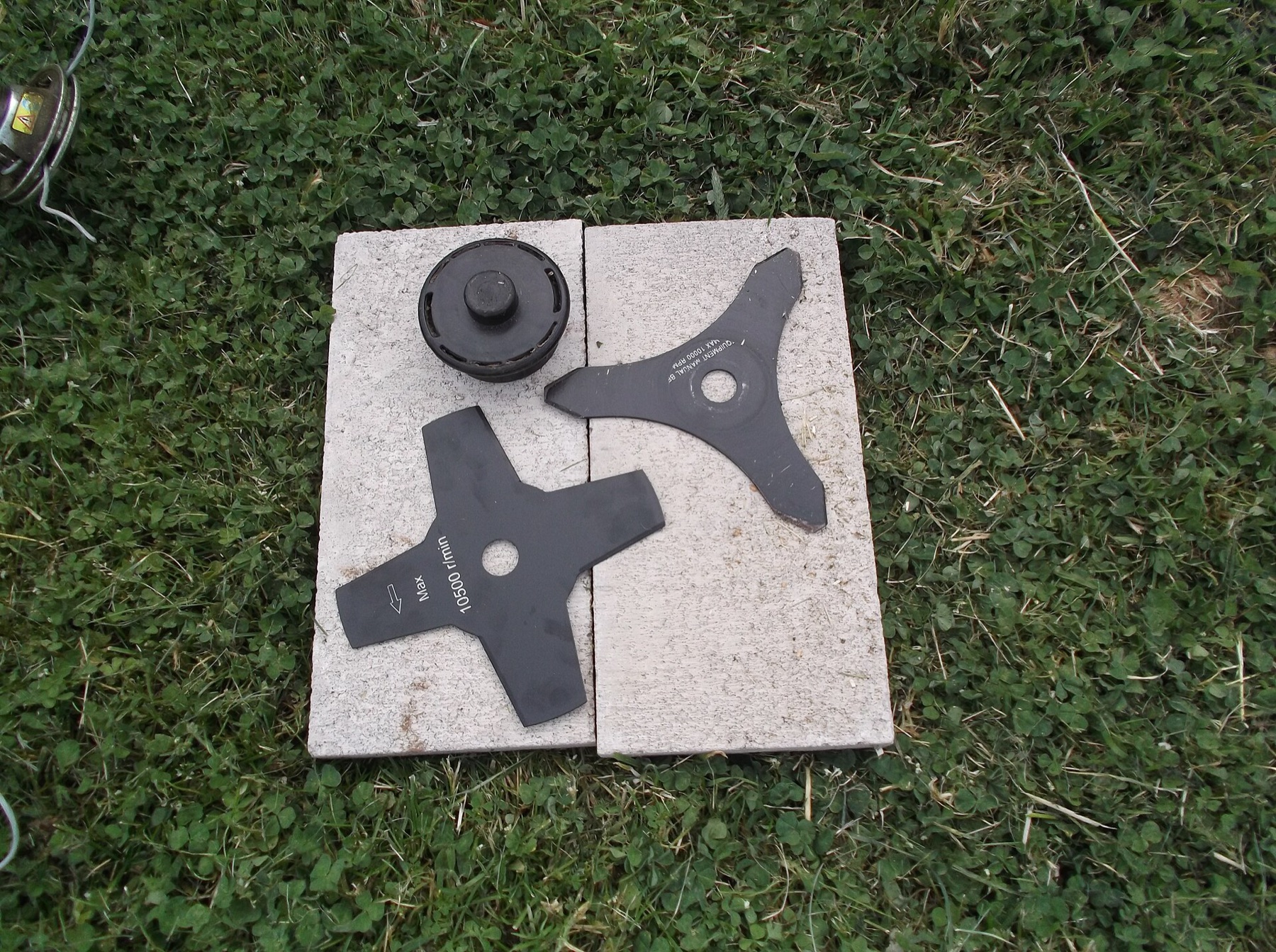
- Glass cutting discs and bits for power tools – discs for angle grinders or specialty bits for rotary tools. Specs: disc diameter, arbor size, material (diamond‑coated vs carbide), recommended RPM, and what the manufacturer claims they’re suitable for (pure glass vs mixed ceramic/glass tile).
Write down your non‑negotiables before you search:
- What material are you cutting (window glass, tempered, stained glass, glass tile, mixed ceramic)?
- Typical thickness range.
- Manual vs powered tools.
- How precise the cuts need to be (craft projects vs install‑ready tile).
DHgate’s own tools buying guidance emphasizes checking technical specifications to confirm a tool matches your intended use, and that matters even more with brittle materials like glass where the wrong cutter can chip or shatter your work.
Step-by-Step: Searching and Narrowing Glass Cutting Tools on DHgate
Once you’re clear on tool type and specs, you can turn DHgate’s search into something more targeted instead of a scroll‑fest.
- Start with specific keywords, not just “glass cutter”
On the DHgate homepage, use the top search bar. Try task‑level phrases such as:
- “diamond glass cutter tool” or “tungsten carbide glass cutter” for manual scorers.
- “glass tile cutter” or “ceramic glass tile cutting machine” for tile tools.
- “glass cutting disc for angle grinder” or “diamond glass cutting disc” for power‑tool accessories.
Mix in words like “portable,” “manual,” or a thickness figure (“5-12mm”) if that’s critical. You’re steering the algorithm toward more relevant sub‑categories.
- Use the tools/hand tools categories to sanity‑check placement
From search results, click through to relevant categories such as hand tools, machining/other saws, or cutting machines when you see them in the breadcrumb trail. If a “glass cutter” shows up under totally unrelated categories (e.g., beauty or random household gadgets), that’s an early signal to treat it carefully.
DHgate’s own ecommerce sourcing guidance suggests using filters to narrow products that match your criteria. For glass tools, filters are helpful for:
- Price bracket (to separate cheap novelty tools from serious options).
- Minimum order quantity (if you only want a single cutter vs bulk supply).
- Seller region, if you’re trying to balance transit distance and communication.
Treat filters as a way to manage your shortlist, not a quality screen. A filtered result can still be a poor tool; the filter just makes it easier to compare.
- Shortlist only listings that show real specs and close-up photos
Create a small shortlist. For each candidate, check:
- Does the listing state glass thickness range or tile size capacity?
- Is wheel material specified (tungsten carbide, diamond, etc.) instead of just “metal”?
- Are there multiple close-up photos of the cutter head, handle, and any guides/fences?
If a listing doesn’t offer this basic level of detail, skip it. You shouldn’t have to guess whether a tool can handle your glass thickness.
Evaluating Sellers, Samples, and When to Choose Another Channel
After you’ve narrowed down to a handful of tools that look right on paper, the risk shifts from “wrong type” to “questionable quality.” This is where seller vetting and sampling matter.
DHgate’s editorial guides for tools and ecommerce sourcing repeatedly highlight three practical checks:
- Seller feedback and ratings – Look for a consistent pattern of positive reviews, not just a single high rating. Prioritize sellers with meaningful transaction history in tools or hardware rather than general‑merch accounts.
- Product reviews tied to this exact listing – Read what buyers say about sharpness, durability of the wheel, chipping on glass or tile, and handle comfort. If reviews are generic (“good seller, fast shipping”) and say nothing about performance, treat them as neutral.
- Transaction history – DHgate’s sourcing guide frames past transactions as a credibility signal. A seller who has sold similar tools repeatedly with stable feedback is usually lower‑risk than a brand‑new listing with no track record.
Here’s a simple way to compare candidates:
| Shortlist check | Good sign | Red flag |
|---|---|---|
| Specs clarity | Thickness range, wheel material, tool type spelled out | Vague “glass tool” with no thickness or material data |
| Photos | Multiple close-ups of cutter head and guides | One marketing image, no detail shots |
| Seller feedback | Many tool-specific reviews, 4★+ pattern | Few reviews or comments unrelated to tools |
| Review detail | Mentions cut quality, durability, ergonomics | Only shipping/packaging comments |
| Communication | Seller answers questions clearly and promptly | Evasive or generic answers about specs and materials |
Use samples to de-risk bulk orders
DHgate’s ecommerce guide explicitly recommends ordering samples before committing to larger orders. For glass cutting tools, that’s not just theory—it’s the difference between a workable sourcing plan and a pile of unusable hardware.
For a DIY buyer, a “sample” may just be buying one unit and testing it on your actual glass or tile. For a small ecommerce operation, it’s smart to:
- Order a small batch (e.g., a few units of each contender) from 2-3 sellers.
- Run basic tests: number of clean cuts before noticeable dulling, how often glass chips, whether handles or guides feel flimsy.
- Keep notes and photos; this becomes your internal quality benchmark if you later reorder.
A sample that performs well is a positive signal—but not a guarantee that every future batch will be identical. Treat it as one data point.
When you should walk away from DHgate for this purchase
Even with careful searching and sampling, there are situations where DHgate is not the best fit for glass cutting tools:
- You need certified, brand‑name tools with documented compliance or warranties.
- No listings provide the thickness, material, or power‑tool compatibility data you need.
- Sellers won’t answer basic spec questions or provide clearer photos.
- You’re facing a tight project deadline where any delay or quality issue would be costly.
In those cases, a local hardware store, a glass‑specialty supplier, or a more niche tools marketplace will often be safer, even at a higher unit cost.
If you do move forward on DHgate, it’s worth combining this product‑specific workflow with broader marketplace checks, like how you vet sellers overall or what you verify before checkout. For those pieces, see guides such as What DHgate is and how the marketplace works, Find trusted sellers on DHgate, and the DHgate order-readiness checklist. Together, they give you a more complete decision picture than any single listing page can.