
This guide keeps you focused on three decisions: what “white cumin” actually is, which types and grades matter for flavor and value, and how to evaluate online listings so you don’t end up with fake or stale jeera. DHgate is one cross-border multi-seller marketplace in this channel comparison; evaluate it against alternatives using the same product, cost, and operational criteria.
What White Cumin Seeds (Jeera) Actually Are and Who They Suit
Despite the variety of names on packaging, culinary cumin seeds used as “jeera” are typically the dried seeds of the herb Cuminum cyminum. They’re a backbone spice in Indian, Middle Eastern, and many Latin American dishes, where their earthy, slightly bitter, warm flavor shows up in tempering, spice blends, and marinades.Kaiser Foodline’s cumin overview places them squarely in that everyday kitchen role, not as a specialty health food.
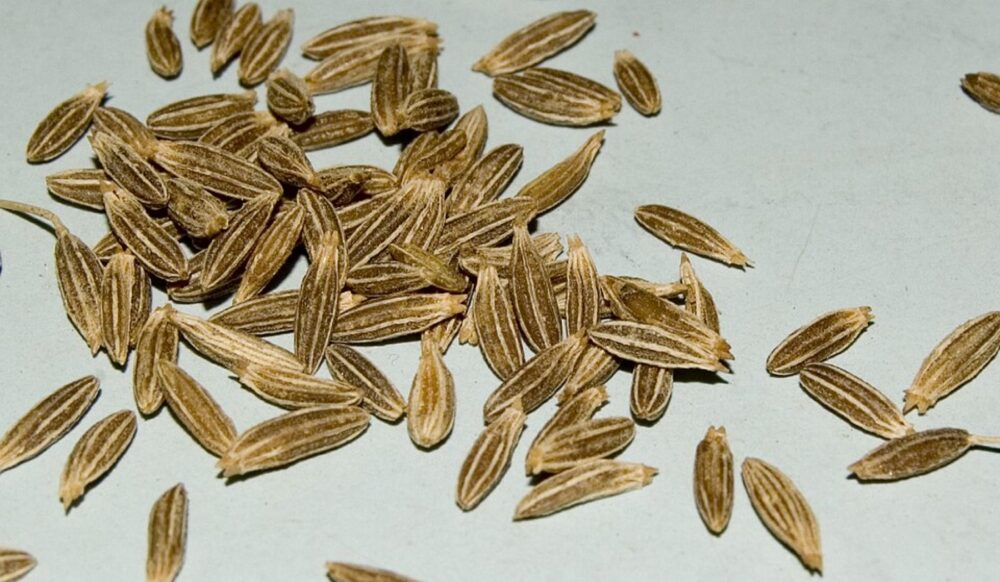
“White cumin” or “safed jeera” is often used in product names for regular pale‑brown cumin seeds, sometimes to distinguish them from darker or wild regional varieties. Importers have flagged that goods sold as “white cumin” are not always what they claim to be, so you should expect some ambiguity and marketing spin.Aquaconnect Exim’s sourcing guide stresses confirming that the product is truly Cuminum cyminum, not a different seed substituted for cost reasons.
For Canadian buyers:
- Home cooks usually want small packs (100-250 g) of fresh, aromatic seeds with consistent color and size, because those toast and grind predictably.
- Small grocery or ecommerce sellers are balancing flavor, appearance on the shelf, and margin. Uniform seeds and stated purity are more important here, because customers will notice visual defects or off smells.
If your use is mainly roasting and grinding for Indian‑style tempering, you’ll generally be well served by standard pale‑brown cumin labelled as jeera. Only look for more niche variants if a recipe or customer segment truly demands it.
Types and Quality Grades of White Cumin Seeds
You’ll see white cumin differentiated in three main ways: form, origin, and commodity‑style quality parameters. Here’s how to translate that into simple buying decisions.
Forms and marketing labels you’ll encounter
Online retail listings commonly use descriptors like “white cumin seeds,” “safed jeera,” “100% natural,” and sometimes organic logos or specific origins.DIMRAJ Traders’ product page is a typical example, highlighting “100% natural,” a specific weight, and Indian jeera positioning.
For everyday cooking or resale, you’ll mostly be comparing:
- Whole seeds – best for toasting, blooming in oil, and grinding fresh.
- Ground cumin – convenient but stales faster; less relevant if you’re specifically sourcing seeds.
- Organic‑certified seeds – mainly a label and certification decision rather than a different flavor profile.
Unless you cater to a niche that demands organic or single‑origin labeling, whole conventional seeds with clear quality metrics will usually give you better value.
Key grading signals: what actually affects taste and value
Commodity buyers and exporters evaluate cumin with parameters that can sound technical, but they boil down to things you can judge or ask about from a listing:Vegtradehub’s cumin guide highlights:
- Purity percentage – how much of the lot is actual cumin seeds versus stems, dust, or other material. Higher purity means less waste and a cleaner look.
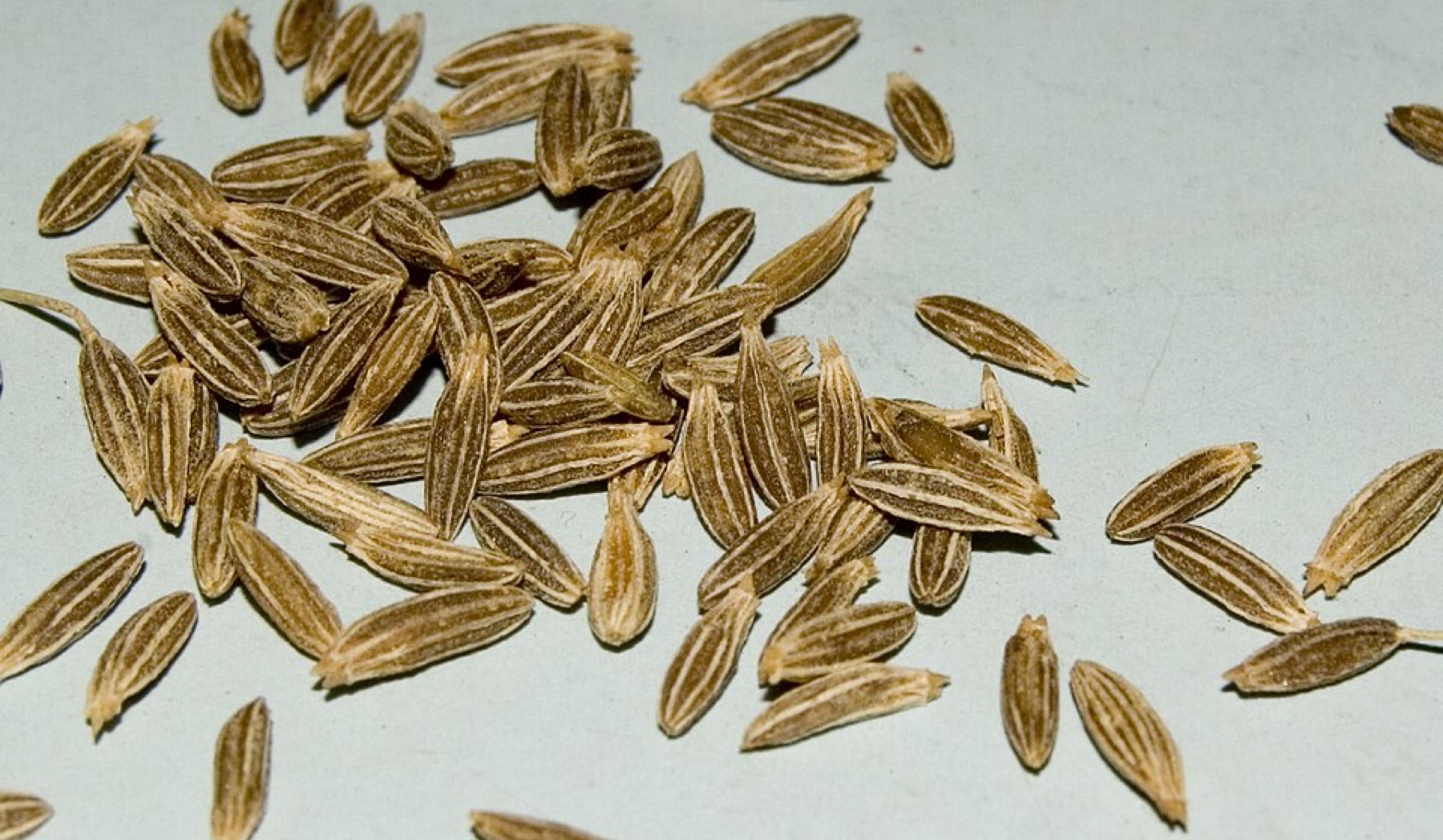
- Uniform seed size – indicates careful cleaning and sorting; helps with even roasting.
- Consistent color – pale to medium brown with no excessive dark or pale outliers suggests a more even crop and drying process.
- Strong aroma – a robust, characteristic cumin smell signals fresher, better‑preserved essential oils.
- Low moisture – seeds that are properly dried store better and are less prone to mold.
Here’s a simple way to think about those differences from a buyer’s perspective:
| Use case | Purity you should seek | Appearance priority | Aroma priority |
|---|---|---|---|
| Home cooking (small packs) | High, but not specified is okay if brand is trusted | Even color, few broken seeds | Strong immediate smell |
| Small grocery resale | Clearly stated high purity from supplier | Uniform size and color for shelf appeal | Strong, consistent |
| Bulk for repack/online shop | Stated purity with sample or COA where possible | Uniformity to reduce sorting work | Strong; reject any musty notes |
If a listing doesn’t mention any purity or visual criteria and only leans on marketing phrases like “premium” or “100% natural,” treat that as a cue to dig deeper before committing to large quantities.
Buying White Cumin Online: Quality Checks, Authenticity, and DHgate vs Other Channels
Buying jeera online is mostly about avoiding fake or tired stock. That’s manageable if you follow a few practical checks and match your channel to your volume and risk tolerance.
Step 1: Confirm you’re getting real cumin, not a substitute
Importer advisories for “white cumin” warn that some products in global trade are mislabelled or substituted with cheaper seeds that look similar but don’t taste like cumin.Aquaconnect Exim recommends verifying botanical identity whenever you’re not dealing with a known brand.
For Canadian buyers reading online listings:
- Look for the botanical name Cuminum cyminum in the description.
- Be cautious if the product relies on vague terms like “white seeds” without clarifying species.
- If you’re buying in bulk, ask the seller to explicitly confirm the species and share any documentation they have.
Step 2: Use visual and smell clues against adulteration or staleness
Food reporting has documented fake or adulterated jeera, including Mumbai cases where non‑cumin seeds were sold as cumin.The Indian Express highlights everyday red flags:
- Unnatural shine – seeds that look overly glossy or coated can signal tampering.
- Mixed shapes or obvious foreign seeds – cumin should look relatively uniform; a lot of odd shapes suggests contamination or substitution.
- Off smells – musty, sour, or chemical notes are warning signs; good cumin is strongly aromatic but not rancid.
For online purchases, you’ll only fully confirm these points once the product is in hand, so plan small test orders or samples before committing to larger quantities, especially across borders.
Step 3: Read listing‑level quality signals, not just slogans
Retail and small‑bulk listings for white cumin often emphasize phrases such as “100% natural” or “premium,” and may highlight origin (e.g., Indian jeera) or organic certification, as shown by listings like DIMRAJ Traders’ white cumin seeds. Treat those as useful cues, but prioritize details you can act on:
- Does the listing show clear photos of the actual seeds so you can judge color and uniformity?
- Are there specifics about purity, moisture, or cleaning (e.g., machine‑cleaned, hand‑picked)?
- Are batch or pack dates visible so you’re not buying very old stock?
If those details are missing, that doesn’t prove poor quality, but it makes the listing harder to judge, which should influence how much you order and whether you treat it as a long‑term supplier.
Step 4: Decide which online channel fits your needs
For Canadian kitchens and small businesses, you realistically have three broad online routes:
- Local/regional spice retailers and ethnic grocers – These usually ship within Canada or North America, often with clear labeling and customer reviews. They’re a good choice for home use and early‑stage resale because shipping is faster and you can more easily resolve issues.
- Specialist spice exporters – Some sites focus on exporting Indian jeera or white cumin globally, often highlighting purity and origin. These suit small businesses that want more control over specifications but don’t need full container loads.
DHgate can be relevant if you’re:
- Exploring bulk seed sourcing to repack or resell, and
- Willing to invest time comparing multiple sellers and asking direct questions about species, purity, and packaging.
In that scenario, you’d treat DHgate as a discovery tool and then apply the same checks you’d use anywhere else: examine listing photos, look for detailed product descriptions, and keep initial orders small until you’re confident in the product.
For additional DHgate platform context, use What DHgate is and how the marketplace works, Find trusted sellers on DHgate, and Review the DHgate order-readiness checklist.
If you prefer quicker delivery, fewer unknowns, and clearly labelled food‑grade products, sticking with Canadian or North American spice retailers is usually the more straightforward path.