
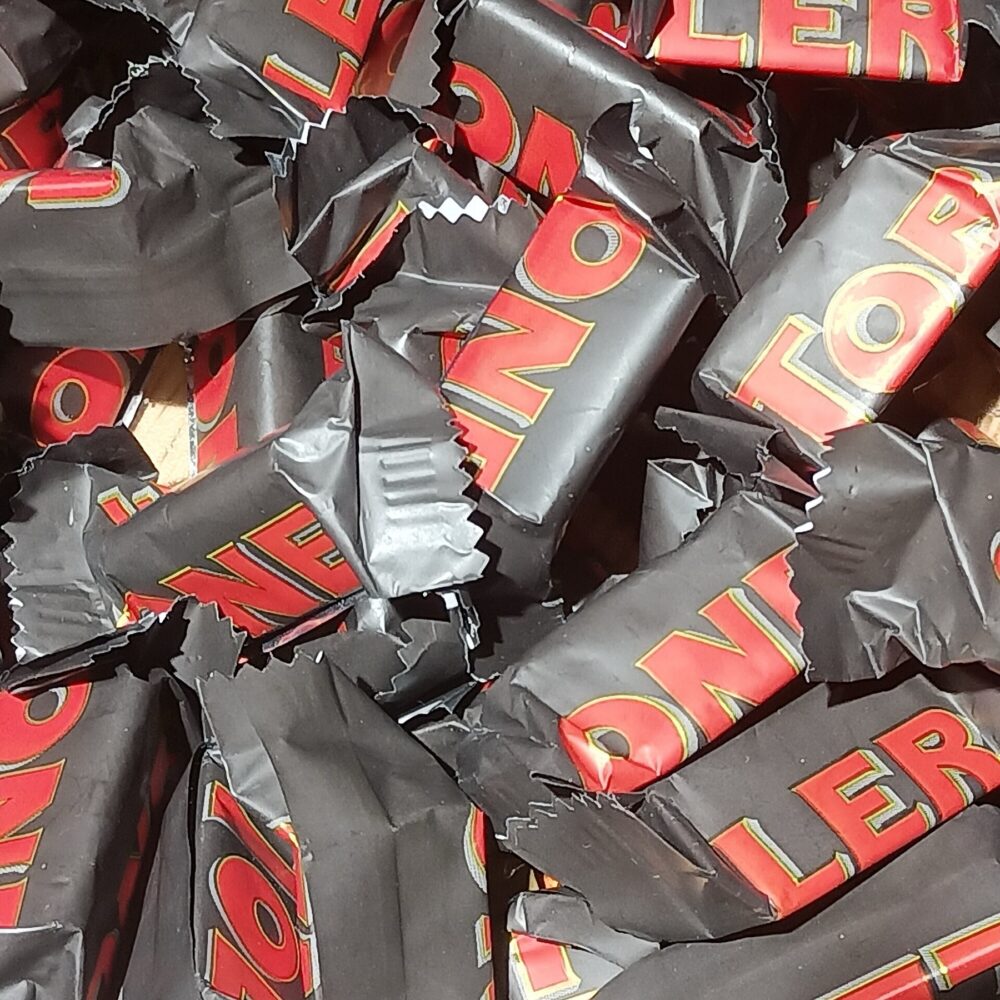
If you search DHgate for “Toblerone,” you’ll mostly see Toblerone‑style chocolate bars and custom packaging—not guaranteed authentic giant Toblerone from the brand owner. DHgate can be useful if you want large triangular chocolate bars or personalized sleeves for fun gifting or small resale, but it’s a weak match if you need verified 4.5 kg branded Toblerone or strict corporate-gifting compliance. The practical way to use DHgate is to treat these as generic triangle bars and custom print work: search precisely, study ingredients and reviews, and be ready to pivot to specialist Toblerone suppliers if you can’t get clear evidence of quality.
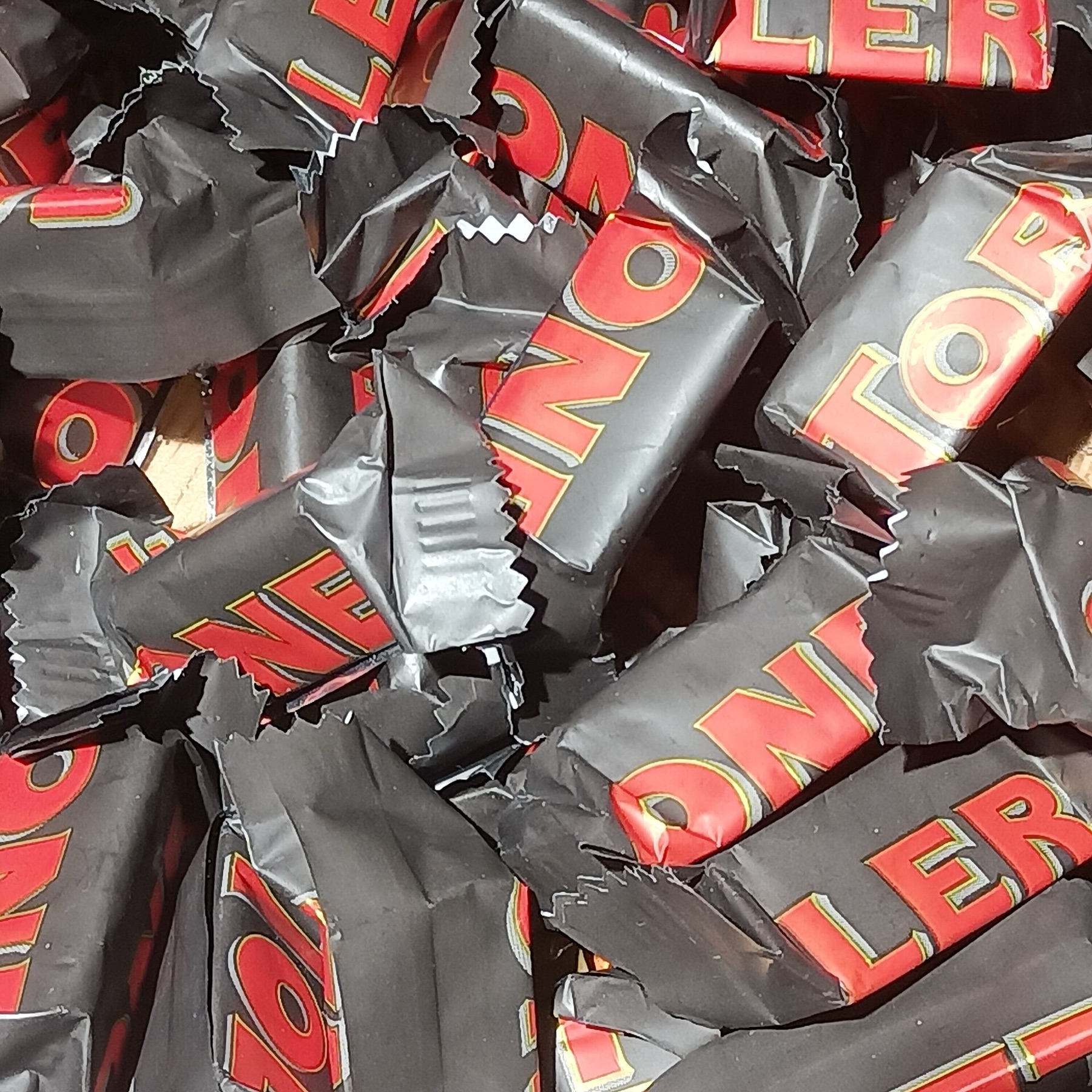
What Counts as “Giant” and “Custom” Toblerone for DHgate Buyers
Before you type anything into DHgate’s search bar, decide what you actually want:
- Brand‑authentic Toblerone: Produced by Mondelez with the iconic Matterhorn logo, honey‑almond nougat recipe, and strict brand rules. Guides to Toblerone’s range show standard bars, minis, and gift formats with consistent branding and flavors like classic milk, dark, and white chocolate.
- Toblerone‑style products: Generic triangular chocolate bars and sleeves that look similar—same pyramid pieces and long carton—but are made by independent factories with their own recipes and branding.
On DHgate, you should assume you’re mostly dealing with Toblerone‑style products:
- Bars may be oversized (e.g., long multi‑triangle bars or multi‑bar gift sets) but not clearly labeled as official Toblerone.
- Customization usually means printing your design on the carton or sleeve, adding names, logos, or campaign slogans, similar in spirit to corporate personalized Toblerone sleeves you see at specialist gifting sites.
For US buyers and small ecommerce businesses, a realistic use case on DHgate is:
- Large triangular bars or sets for novelty gifts.
- Custom‑printed packaging that resembles Toblerone’s format but doesn’t claim to be brand‑official.
If you need the real logo, controlled recipe, and brand approval (for example, a Fortune 500 holiday gift run), DHgate is unlikely to meet that requirement reliably.
Assessing Quality, Authenticity, and Risk for Toblerone‑Style Chocolate
Food and chocolate are more sensitive than, say, T‑shirts. You’re balancing price, appearance, and freshness/safety.
Quality signals specific to chocolate
A detailed online chocolate‑buying guide from Taobao emphasizes three checks that translate directly to DHgate sourcing:
- Unit price by weight: Compare price per 100 g or per kg to spot unrealistic “bargains” or hidden markups. Giant or gift‑format bars often look cheap but contain surprisingly little chocolate.
- Shipping and heat exposure: Chocolate can bloom or melt if it sits too long in hot warehouses or transit. Long cross‑border shipping in summer increases this risk.
- Freshness verification: Batch codes and best‑before dates matter; old stock can be grainy or flavor‑dulled even if technically safe.
On DHgate listings, translate that into concrete checks:
- Ingredients and origin: Look for a clear ingredient list and the producing country. If the listing only shows pictures but no ingredients, ask the seller directly.
- Shelf life: Confirm best‑before or production date for your batch, especially if you’re reselling.
- Packaging level: Bars shipped in retail cartons plus an outer protective box are less likely to arrive crushed or melted than loosely bulk‑packed pieces.
Authenticity and brand risk
Because Toblerone is a protected brand, you face three types of listings:
- Generic triangle chocolate with honest branding: Safest from a trademark standpoint, but you must judge taste and quality yourself.
- Lookalike packaging using similar colors/shapes: Risk of confusing buyers; quality may vary widely.
- Listings claiming “Toblerone” without clear brand evidence: Highest risk of misrepresentation.
On DHgate, you cannot assume any bar using the word “Toblerone” in its title is official. Treat those claims skeptically unless you see:
- Photos that obviously match official packaging from a known source like the Swiss Toblerone guide.
- A plausible explanation of sourcing (e.g., they’re reselling retail multipacks), which is still difficult to verify.
If you’re printing your own logo or message on sleeves, also consider whether you’re comfortable with a Toblerone‑style shape that doesn’t actually show the Toblerone trademark. For many small brands, that’s the safer route.
Seller and listing evaluation geared to food
DHgate’s own sourcing guides for boutiques and raw materials recommend a few concrete steps that matter even more for chocolate:
- Review ratings and feedback with extra focus on photos from past buyers. Scan for comments about taste, freshness, and melted or damaged bars.
- Ask for samples before committing to a corporate or resale order. For chocolate, that means a small shipment to check flavor, mouthfeel, and melt resistance.
If a seller refuses to share basic food information—ingredients, dates, storage practices—that’s a red flag in this category.
Quick risk comparison
| Scenario | DHgate Toblerone‑style | Specialist Toblerone retailer |
|---|---|---|
| Need exact Toblerone branding | High risk of mismatch | Low risk, brand‑controlled |
| Need cheapest fun “giant” triangle | Often suitable | Sometimes higher unit cost |
| Need strict corporate‑gift compliance | Poor fit | Designed for this use |
| Need custom name/logo on sleeve | Good for generic style | Good for official sleeves |
Step‑by‑Step: Searching DHgate and Knowing When to Switch Channels
1. Define your requirements
Start outside DHgate and write down:
- Bar format: single oversized bar, multi‑bar gift set, or just custom sleeves to wrap locally sourced chocolate.
- Minimum order size: is this a 20‑piece office gift order or a 500‑piece campaign?
- Branding rules: can you accept “Toblerone‑style” packaging, or must it be official Toblerone for legal/compliance reasons?
DHgate’s components‑sourcing guide stresses defining specifications before you search; that keeps you from being distracted by novelty listings that don’t actually fit your project.
2. Use specific search terms and filters
On DHgate:
- In the search bar, try variants like:
- “triangle chocolate bar”
- “custom chocolate packaging”
- “chocolate gift long box”
- If you experiment with “Toblerone,” treat results as style inspiration, not confirmed brand product.
- Apply filters that matter for food:
- Category filters to narrow to Food & Beverage / Chocolate if available.
- Minimum order quantity filters if you’re sourcing for ecommerce.
- Use sort options to surface candidates:
- Sort by “Orders” or “Rating” to see suppliers with more transaction history.
DHgate’s ecommerce and raw‑materials guides highlight using filters and search tools; for chocolate, combine those with visual screening and ingredient checks.
3. Shortlist and interrogate 3-5 sellers
For each promising listing, do the following:
- Open the seller profile and look for substantial transaction history and strong feedback, not just star icons.
- Read multiple pages of reviews, focusing on food‑specific comments.
- Message the seller with targeted questions:
- “What is the net weight per bar and the price per kg at my quantity?”
- “What is the production date and shelf life for the batch you would ship?”
- “Can you send photos of the exact packaging and an ingredients label?”
This mirrors DHgate’s own advice to evaluate suppliers via ratings, reviews, and direct communication, but you’re tuning it to chocolate.
4. Order samples before any serious commitment
Both DHgate boutique sourcing and component guides recommend samples first; for Toblerone‑style items, samples are non‑negotiable:
- Request finished bars plus printed cartons if you’re doing custom packaging.
- Test the chocolate yourself: taste, texture, and how it holds up after a few days at room temperature.
- Check if the printed design matches your brand colors and legibility.
If samples arrive melted, badly printed, or flavor‑disappointing, treat that as your real‑world quality signal and move on.
5. Decide if DHgate is still the right channel
There are clear situations where you should stop forcing DHgate and switch to a different route:
- Corporate gifting with brand rules: If your legal or marketing team requires official Toblerone, look to specialist corporate suppliers or recognized retailers that explicitly sell branded Toblerone bars and custom sleeves (for example, candy warehouses such as CandyWarehouse’s giant bar case).
- Strict food‑safety and storage requirements: If you need refrigerated storage, temperature‑controlled transit, or country‑specific certifications, a specialist confectionery distributor or local wholesaler is a more predictable solution.
If, on the other hand, your brief is “fun giant triangle bars with our logo” and you’re comfortable with a generic product, then a DHgate supplier who has passed your sample and freshness checks can be a reasonable choice.
6. Before checkout: double‑check practicalities
Before placing any sizable order through DHgate:
For additional DHgate platform context, use What DHgate is and how the marketplace works.
- Make sure your order details and custom artwork are clearly documented in chat and in the order notes.
- Confirm lead time and season: avoid long‑distance chocolate shipping at the hottest part of the year if possible.
- For recurring ecommerce sourcing, cross‑reference your own checklist; DHgateWiki’s order‑readiness checklist and guide on finding trusted sellers are helpful general frameworks you can adapt to food.