
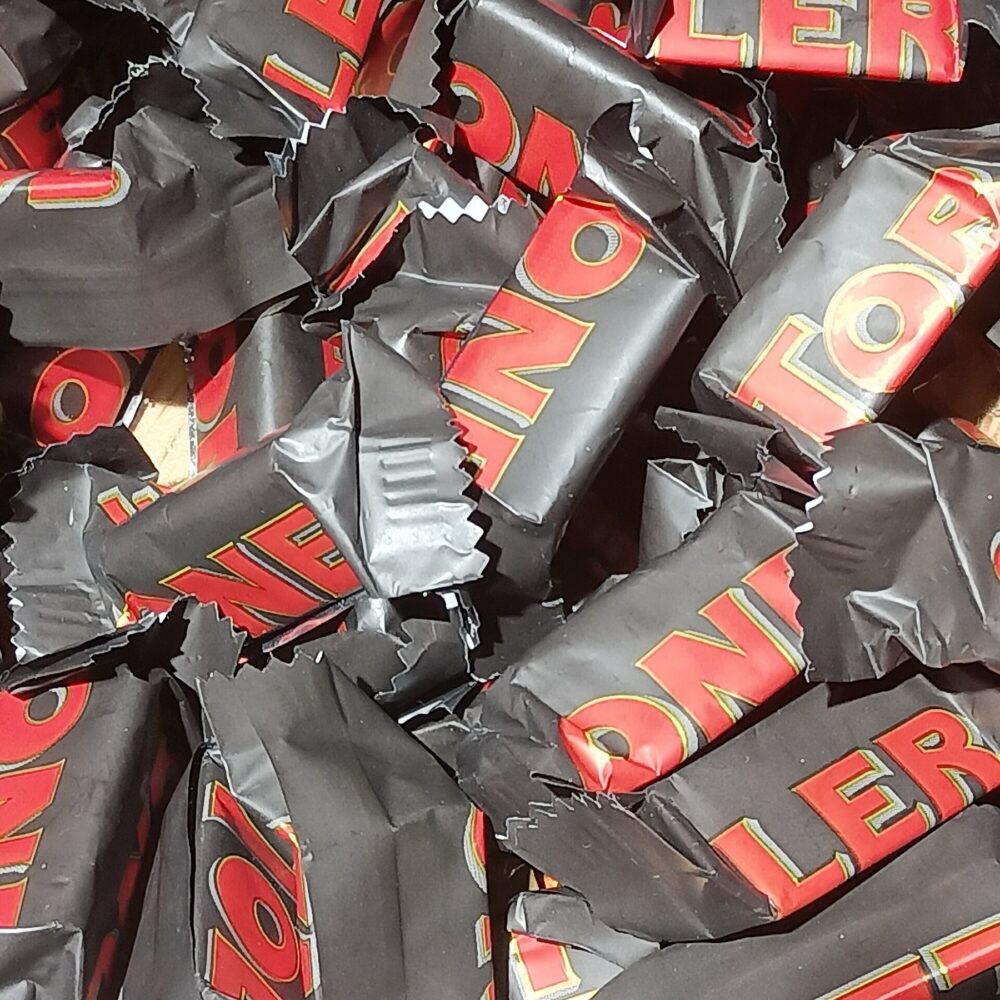
If you want a giant or personalized Toblerone‑style chocolate, first decide what you actually need: an official Toblerone bar, a standard bar in custom packaging, or a generic triangle chocolate that just feels Toblerone‑like. Giant branded bars run up to around 4.5 kg and are sold as novelties by retailers such as Costco UK and SwissMade.direct, while personalized bars are usually regular sizes with custom sleeves from specialist gift shops. DHgate is more realistic for Toblerone‑style or bulk triangle chocolates than for official giant or branded custom Toblerone.
From there, the decision is straightforward: lock in size and flavor based on your occasion and budget, pick a personalization style (true brand QR features vs third‑party printed sleeves), then match that to the right channel—big‑box retailer, personalized chocolate shop, or generic cross‑border marketplace.
What counts as “giant” or custom Toblerone, and who are these products for?
Giant Toblerone usually means anything far above the typical 100 g–200 g bar you see in US supermarkets. European retailers like Costco UK and SwissMade.direct list jumbo Toblerone milk chocolate bars around 4.5 kg positioned as novelty Swiss gifts. Reviewers who’ve bought them, such as the blogger at The Lightshot, point out how huge they are and question whether they’re good value compared with buying multiple regular bars.
For personalization, there are two broad paths:
- Official Toblerone on‑pack features. Some branded packs include QR codes you can scan to link a video message or digital greeting. Those are subtle and work best for one‑to‑one gifting.
- Third‑party personalized packaging. Shops like Personalised Chocolates in Australia and Vandeca in Europe sell standard Toblerone bars wrapped in custom outer sleeves printed with names, dates, or short messages. The chocolate itself is standard; the impact comes from the packaging.
These formats tend to be used for:
- Single wow gifts (birthday, Valentine’s Day, Father’s Day): jumbo 4.5 kg bars or a named 360 g bar.
- Corporate or event gifting: lots of regular bars in branded sleeves for conferences, product launches, or client gifts.
- Resale/novelty retail: candy shops or ecommerce sellers adding a limited run of giant bars to create social‑media buzz.
If you’re in the US, extreme jumbo bars are more often imported novelties, while custom‑sleeve bars are accessible from online gift shops and international sellers.
Key choices: size, flavor, personalization, and practicality
You’ll make better decisions if you think in tiers: what size, what flavor, how much customization, and what the physical realities look like.
Size and occasion
Here’s a compact way to map size to use case. We’re using typical ranges and specific jumbo examples from current listings.
| Approx. size bar | Typical use case | Pros | Trade‑offs |
|---|---|---|---|
| 100-200 g standard bar | Everyday gift, stocking stuffer | Easy to store and ship; cheap to personalize with sleeves | Not visually “giant”; impact relies on packaging or message |
| 360-800 g “XL” bar | Main gift for one person | Feels substantial; still manageable to carry | Heavy in a handbag; more expensive per piece for large groups |
| ~4.5 kg jumbo bar (Costco UK, SwissMade.direct examples) | Centerpiece gift, PR stunt, viral social post | Huge visual impact; great for office parties | Awkward to store and cut; reviewer feedback like The Lightshot questions value vs buying many smaller bars |
For a single recipient, XL works better than truly jumbo unless the sheer absurd size is the point. For a team or event, a jumbo bar can sit on a dessert table while guests break off chunks.
Flavor decisions
Walmart’s online catalog for Toblerone in the US shows several flavors—classic Swiss milk, dark, white, and fruit‑and‑nut variants in multiple standard sizes rather than jumbo 4.5 kg formats (Walmart Toblerone range). For gifts, that means:
- Stick with classic milk chocolate if you don’t know the recipient’s taste.
- Use dark or white for more niche audiences (foodies, people who prefer less sweet chocolate).
- Reserve fruit and nut for recipients who you know can eat nuts.
If you’re buying for resale, stocking multiple flavors in regular sizes is usually more flexible than betting your budget on one giant bar.
Personalization styles and what they do
Common options include:
- Printed outer sleeves on standard bars. Shops such as Personalised Chocolates print names or short messages on the sleeve and wrap a normal Toblerone. That’s ideal for weddings, branded giveaways, or ecommerce bundles.
- Named bar designs from European gift sites. Vandeca illustrates named bars and Toblerone‑themed packs for birthdays and holidays.
- Digital personalization via QR codes on official packs. You’re customizing the experience (video message) rather than the physical packaging.
If you’re a small business, the choice is mostly about unit cost vs impact:
- For hundreds of units, custom sleeves on normal bars are more scalable.
- For VIP gifts or limited campaigns, a named XL bar or curated Toblerone‑themed gift pack feels more premium.
Practical constraints: weight, storage, allergens
Physical realities matter more than with most candy:
- Weight and shipping. A 4.5 kg bar is almost 10 lb of chocolate. That affects freight cost, especially cross‑border shipments or air freight. For US buyers importing from Europe, you’ll pay for volume as much as for the chocolate itself.
- Storage space. Jumbo bars need a cool, dry place and often won’t fit in a standard fridge. If you’re gifting it to an office, check they have somewhere to keep it before the event.
- Allergens and labeling. European food safety alerts reported that Toblerone bars can contain milk, almond, soy, and traces of egg, and highlighted issues when labeling didn’t fully reflect that (HuffPost Spain summary). That’s a reminder to:
- Read the ingredient and allergen panel closely.
- Avoid nut‑containing flavors for mixed audiences unless you can control who eats them.
For corporate buyers, it’s worth logging which product was used and keeping a copy of the packaging or spec sheet in case questions come up later.
Where to buy: specialist shops, mainstream retailers, and DHgate’s role
Once you know your size and personalization style, the question is where to source.
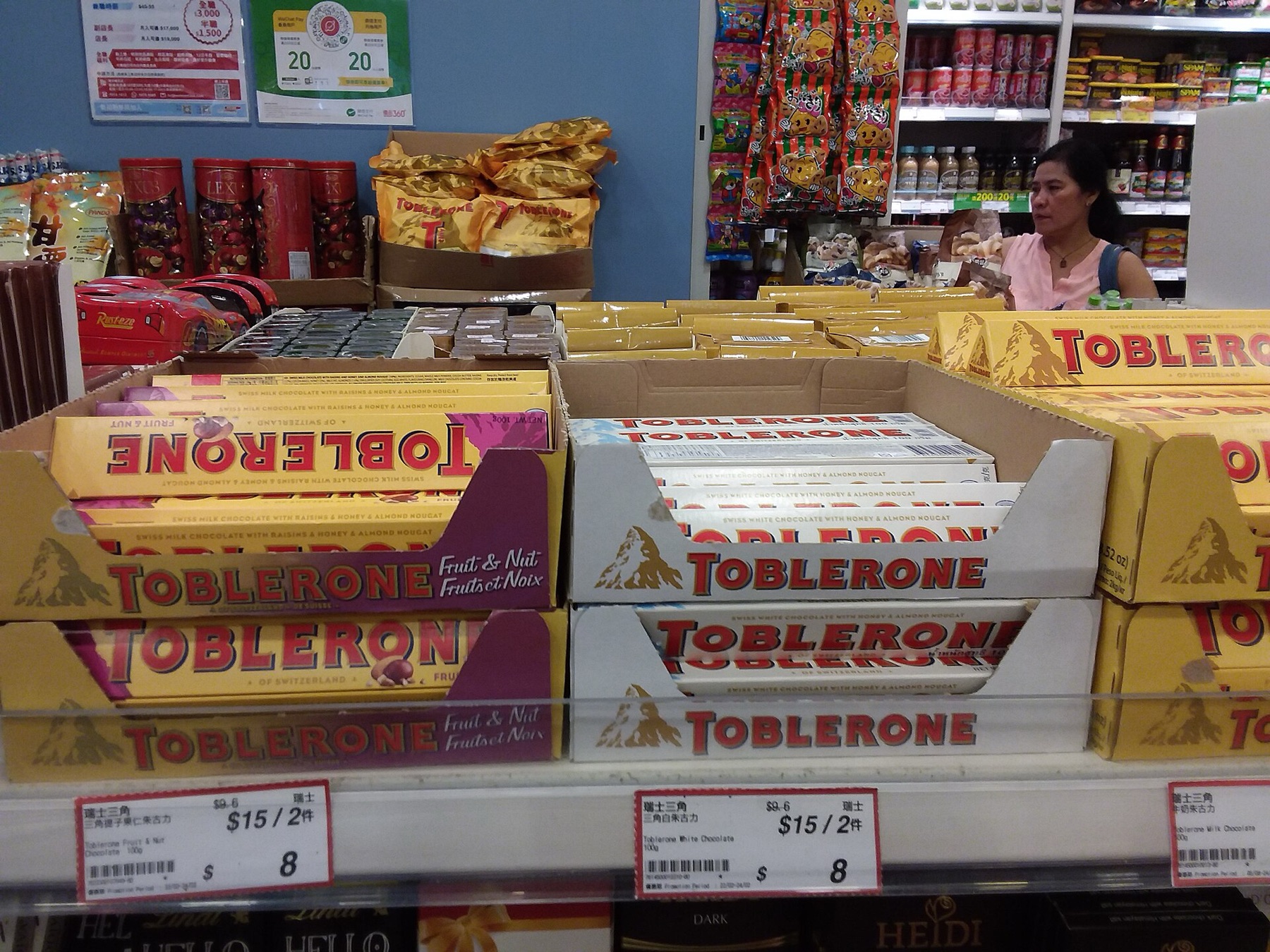
Mainstream retailers. In the US, chains and online catalogs like Walmart’s Toblerone listing or candy specialists such as CandyWarehouse offer regular bars in multiple flavors and sizes. These are good for:
- Smaller gifts or DIY bundling.
- Occasional XL sizes, but usually not the extreme ~4.5 kg bars.
Specialist personalized chocolate shops. Sites such as Personalised Chocolates, Vandeca, or other personalized‑gift retailers often focus on:
- Custom sleeves or printed packaging.
- Occasion‑themed packs (weddings, birthdays, corporate).
- Handling layout and print quality so your logo or message looks professional.
Cross‑border marketplaces and DHgate. Marketplaces like DHgate host many independent sellers, including some offering chocolate products. DHgate’s own editorial content highlights matcha‑infused chocolate bars and related treats among its food listings (DHgate matcha chocolate blog). That suggests the platform can be useful if you’re looking for generic triangle‑shaped or themed chocolate gifts, especially in bulk.
- Test generic “mountain” or triangle chocolate bars in your own packaging.
- Build a lower‑cost novelty offering that doesn’t rely on official Toblerone IP.
For any cross‑border purchase, your internal questions should focus on product spec (weight, ingredients, shelf life), and your broader marketplace checks—such as seller history—are covered in resources like What DHgate is and how the marketplace works and Find trusted sellers on DHgate.
For additional DHgate platform context, use Review the DHgate order-readiness checklist.
If your project is high‑stakes (large corporate event, brand‑sensitive campaign), consider starting with a sample order and a smaller size tier before committing to jumbo or bulk personalized bars.