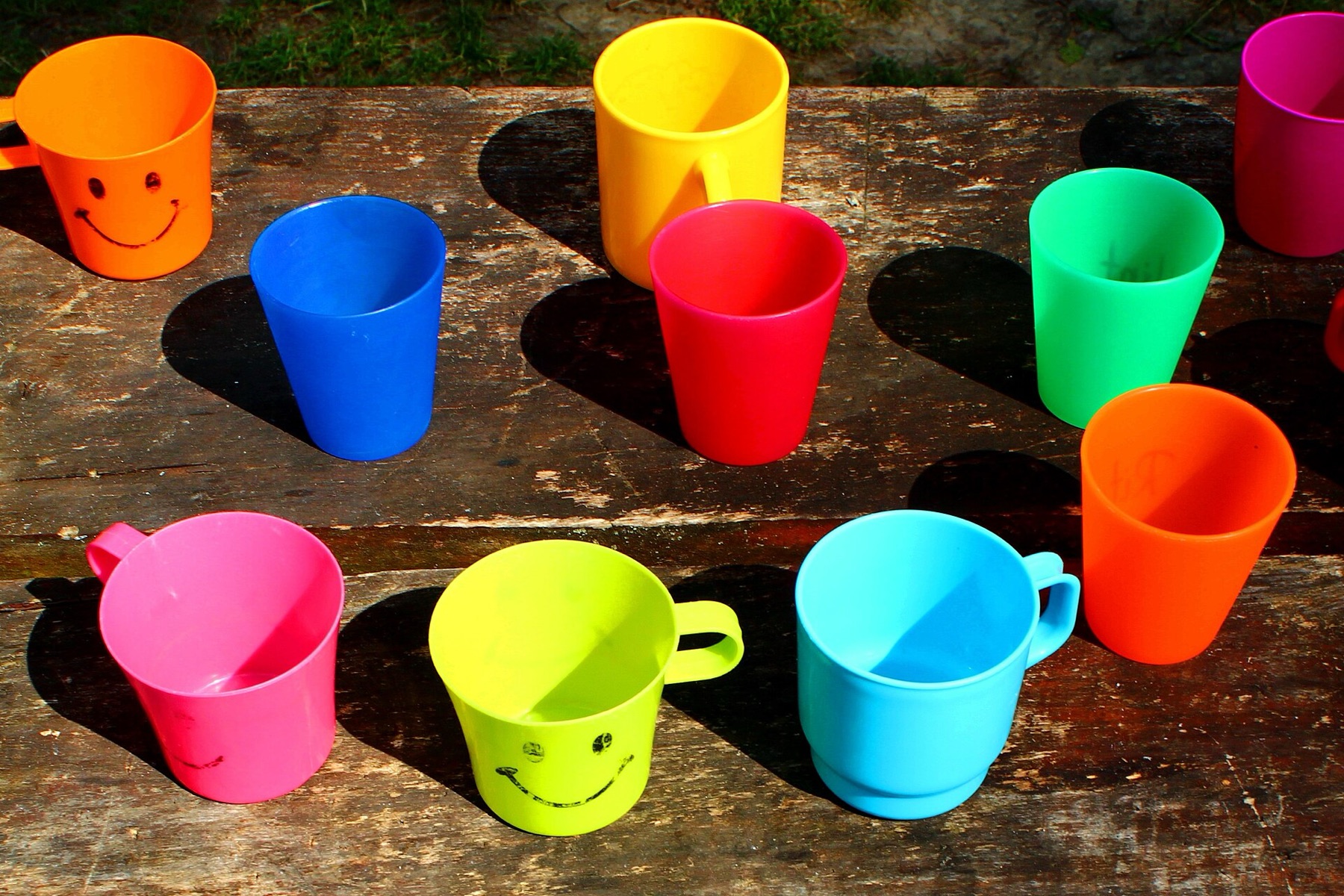
You can absolutely find geeky coffee mugs and cups on DHgate, but you won’t get good results by typing “geeky mug” and hitting buy. You need targeted keywords (anime, kawaii, retro, body‑shape), focused filtering (material, capacity, price), and careful seller vetting before you trust anything—especially if you’re sourcing inventory to resell. DHgate’s catalog is broad and novelty‑heavy, but quality, licensing, and timelines vary by listing, so the value comes from how you search and what you verify, not from the platform alone.

What Counts as a Geeky Coffee Mug and Why Look Beyond Standard US Retailers
“Geeky” mugs cover a lot of territory: pop‑culture references, gamer themes, anime and kawaii characters, science jokes, body‑shape or sculpted mugs, retro hand‑painted ceramics, and odd handle or lid designs. On DHgate you’ll see plenty of novelty ceramic and porcelain pieces highlighted across mug‑focused editorial pages, from retro striped hand‑painted cups to more playful shapes and printed designs. For example, DHgate’s article on porcelain and ceramic mugs showcases creative painting ideas and unusual handles as part of its design inspiration for these mugs, illustrating the kind of aesthetics you can expect to encounter there (Porcelain & Ceramic Mugs: Designs, Painting Ideas & More).
US buyers and small ecommerce shops look to cross‑border platforms like DHgate for two reasons:
- Broader styles than what’s on shelf at typical US retailers or standard wholesale catalogs, including kawaii designs and sculpted body‑mugs that multiple Chinese suppliers promote.
- Per‑piece cost and bulk variety, which can be attractive if you’re building a niche shop or subscription box and can tolerate longer lead times and some trial‑and‑error.
That doesn’t make DHgate automatically better than Amazon, Etsy, or local wholesalers. If you need officially licensed IP, fast replenishment, or turnkey branding, domestic channels often fit better. DHgate is strongest as a discovery and sourcing tool for off‑brand, novelty, and creative ceramic styles—so the question is how to mine it effectively, then decide if the results meet your standards.
If you want a broader view of where geeky mugs fit in the online marketplace and how DHgate compares with other channels, you can explore that through the guide on Geeky Coffee Mugs and Cups online including DHgate on DHgateWiki.
Search and Filter: A Concrete Workflow for Geeky Mug Hunting on DHgate
DHgate’s own thermos cup guide describes a basic flow: start with broad keywords, then refine using filters like price, material, capacity, and color, and finally read listing details and reviews (Sip Your Way To Greatness: Thermos Cup Buying Guide). For geeky mugs, you’ll get better results by adapting that flow with more specific search patterns.
1. Start with themed keyword clusters
On the DHgate homepage search bar, run targeted phrases instead of just “geeky mugs”:
- Style‑driven: `kawaii mug`, `anime coffee cup`, `cartoon mug`, `retro ceramic coffee mug`, `hand painted mug`
- Shape‑driven: `3D mug`, `body shape mug`, `torso cup`, `animal shape mug`, `sculpted mug`
- Use case: `office funny mug`, `gift coffee mug`, `novelty tea cup`
SERP snapshots and DHgate‑linked pages featuring a “ceramic woman torso with legs” body‑shape mug suggest that shape‑based keywords like “body shape” or “torso” help surface sculpted styles among the mug listings.
Run several searches; different suppliers use different keywords in titles, so small variations (e.g., `kawaii coffee mug` vs `kawaii cup`) can change which products you see.
2. Apply filters that matter for geeky mugs
On the results page, use the left‑side filters in roughly the same way DHgate recommends for thermos cups:
- Material: Narrow to ceramic or porcelain if you want collectible, gift‑ready mugs. Leave plastic or stainless steel in the mix only if you’re consciously looking for travel tumblers or outdoor cups.
- Capacity: Focus around typical coffee sizes (for example, roughly standard 10-14 oz) if the mug’s shape is unusual; novelty mugs can otherwise be tiny or oversized.
- Price range: Set a band that reflects your project—low enough to weed out premium art pieces, high enough to avoid the flimsier mass‑market options.
- Color or pattern: Use basic color filters and rely on photos for details like stripes, gold accents, or character art.
For a reseller, lock in material and capacity first; aesthetics are pointless if the mug feels cheap or impractical in hand.
3. Shortlist by listing‑level signals
Click into individual product pages and scan for details before adding anything to your shortlist:
- Photos: Look for multiple angles—handle, interior, underside—and close‑up shots that show glazing or painting. DHgate’s mug‑themed editorial emphasizes visual details because they make or break a novelty cup.
- Dimensions and capacity: Confirm actual measurements, not just words like “large” or “small.” For sculpted or body‑shape mugs, pay attention to how the design eats into usable volume.
- Set vs. single: Many listings bundle a mug with spoon, lid, or coaster. Decide whether those extras fit your brand or clutter your offer.
If the listing skimps on photos or specs, treat it as a red flag for anything more than a one‑off personal buy.
4. Message sellers and order samples (especially for retail use)
DHgate’s sourcing guidance encourages buyers to evaluate suppliers and request samples where possible (How to Start an Ecommerce Business on DHgate: A Comprehensive Guide). For geeky mugs, that’s particularly useful because glaze quality and sculpted details are hard to judge from photos alone.
When you contact sellers, keep questions specific:
- Ask for real‑life photos or a short video showing the mug in use and how the design looks under ordinary lighting.
- Confirm material claims (e.g., whether it’s porcelain vs general ceramic) and any care notes like microwave or dishwasher suitability if you plan to advertise those features.
- Clarify packaging (individual boxes vs bulk wrap) so you can assess breakage risk once the sample arrives.
For a small ecommerce shop, plan on at least one sample round per style before committing to a collection. Use those samples to decide whether DHgate’s cross‑border sourcing works for your geeky mug line, or whether you should shift to another channel.
If you’re still learning how to judge the platform itself, it’s worth reviewing DHgateWiki’s article on what DHgate is as a marketplace before you build a sourcing strategy around it.
Evaluating Sellers, Managing Risk, and Knowing When to Buy Elsewhere
DHgate’s blog repeatedly recommends the same basic quality signals: check seller ratings, read product reviews, study descriptions carefully, and communicate with sellers (Unveiling the Secrets of DHgate: How to Find Quality Products at Wholesale Prices; Why is DHgate So Cheap? The Power of the Direct-to-Consumer Model). Those mechanics are useful for geeky mugs, but they’re not foolproof—so you need a structured way to judge what you’re seeing and when to walk away.
Reading sellers and listings with a geeky‑mug lens
Use the following table as a practical checklist while you compare geeky mug listings. It focuses on signals you can directly observe on DHgate or through your own communication and sampling:
| What to check | Why it matters for geeky mugs | How you can check it on DHgate or with the seller |
|---|---|---|
| Seller rating & history | Indicates basic reliability and past buyer satisfaction | Review the rating score and transaction info on listings |
| Review photos & text | Shows real‑world glaze, printing, and common defects | Open buyer review sections and scan both images and notes |
| Description detail | Confirms size, material, and design complexity | Read the spec table and narrative description thoroughly |
| Responsiveness in chat | Tests attentiveness and willingness to answer detailed questions | Message via DHgate and note clarity and speed of replies |
| Sample order experience | Lets you validate quality before bulk or repeat orders | Place small test orders and inspect mugs on arrival |
These are signals, not guarantees. Treat them as ways to stack odds in your favor, then make your final decision based on what you can physically inspect.
IP and quality risks specific to geeky mugs
Geeky mugs frequently feature characters, logos, and franchises. On DHgate, many designs are generic or parody‑style, but some may reference recognizable IP without obvious licensing information.
For US resellers in particular:
- Favor non‑branded, style‑driven designs (kawaii animals, abstract science themes, retro stripes) if you’re unsure about licensing.
- Avoid listings that closely mimic specific franchises unless you can independently verify legitimate rights, which is difficult to do purely from a marketplace page.
Quality can also be uneven with intricate shapes or hand‑painted surfaces: glaze pinholes, rough bases, or sloppy edges show up more often on sculpted and novelty mugs than standard whiteware. That’s why those review photos and samples matter so much in this product category.
When DHgate is a good route—and when to walk
Based on DHgate’s positioning as a marketplace where you can source directly from suppliers and use filters, ratings, and sampling to refine choices, it tends to work best for geeky mugs when:
- You want distinctive, off‑brand designs for a niche audience.
- You can budget time for sampling and iteration before a full launch.
- You’re comfortable doing hands‑on vetting of sellers and listings rather than expecting turnkey curation.
You may be better off with Amazon, Etsy, or local wholesalers when:
- You need officially licensed IP with clear brand backing and enforcement frameworks.
- You’re focused on custom branding or print‑on‑demand rather than pre‑made novelty shapes.
- Your timelines or customer expectations leave little room for experimentation with cross‑border sourcing.
If, after running the workflow above, you’re only finding vague descriptions, weak photos, thin reviews, and sellers that won’t answer basic questions, treat that as a signal to switch channels instead of trying to force DHgate to work for your geeky mug project.
To dive deeper into general seller‑trust questions, DHgateWiki’s guide on how to find trusted sellers on DHgate offers a platform‑wide checklist you can apply alongside the mug‑specific steps here. And before you finalize a bulk mug order, it’s smart to run through the DHgate order‑readiness checklist before checkout so your geeky cups don’t turn into an expensive experiment.