

If you want a geeky coffee mug that actually gets used instead of just sitting on a shelf, start by deciding its job: daily drinkware, office statement piece, or collectible. Then choose a material (usually ceramic for daily coffee), a size that matches your real pour, and a design that doesn’t make the handle awkward or the rim unpleasant. Highly sculpted or oddly shaped mugs often become display-only because they’re uncomfortable or hard to clean, a pattern novelty mug guides have pointed out.Amusing Coffee Mugs guide DHgate can be one option among many if you want lots of cheap, niche designs or bulk inventory, but it’s not your only or necessarily best route.
What Counts as a “Geeky” Coffee Mug, and Who Actually Uses Them?
A geeky mug is usually built around a specific fandom or niche interest: tabletop RPGs like Dungeons & Dragons, anime series, sci‑fi movies, programming jokes, retro consoles, or comics. The art or shape is the hook — dragons wrapped around the handle, pixel hearts down the side, character silhouettes, dungeon maps, or inside jokes only your campaign group gets.
Fans use these in two main ways:
- Daily driver mugs – regular shapes with printed or embossed geeky art. These behave like standard mugs but make your morning coffee feel more like part of your hobby. Guides for D&D players, for example, focus on comfortable ceramic mugs with thematic art rather than extreme shapes.D&D mug tips
- Collectible or display mugs – elaborate sculpted designs, oversized tankard styles, or fragile materials that look great on a shelf or streaming backdrop but are awkward for daily drinking.
If you’re buying for yourself, decide which camp you’re in before you shop. If you’re a small ecommerce seller, decide whether you’re courting everyday use (repeat satisfaction) or collectible impulse buys with lower repeat use but strong visual appeal.

Key Geeky Mug Types, Materials, and Design Trade-Offs
Geeky mugs span all the usual drinkware materials, but the nerdy design layers in extra trade-offs.
Common materials and what they mean
Here’s a quick map of typical materials and how they behave once you add geeky designs:
| Material | Typical role for geeky mugs | Pros for coffee/tea | Trade-offs with geeky designs |
|---|---|---|---|
| Ceramic | Standard geeky printed mugs, some sculpted shapes | Familiar feel, good heat retention, often microwave safe | Complex shapes can add weak points; decals may limit dishwashing |
| Glass | Aesthetic fandom logos, potion or lab-beaker themes | Lets you see the drink, clean look | More fragile; fine artwork may push toward display-only |
| Stainless/thermal | Travel mugs with logos, gamer or sci‑fi branding | Strong heat retention, durable, good for commuting | Some prints feel more generic; lids can trap smells |
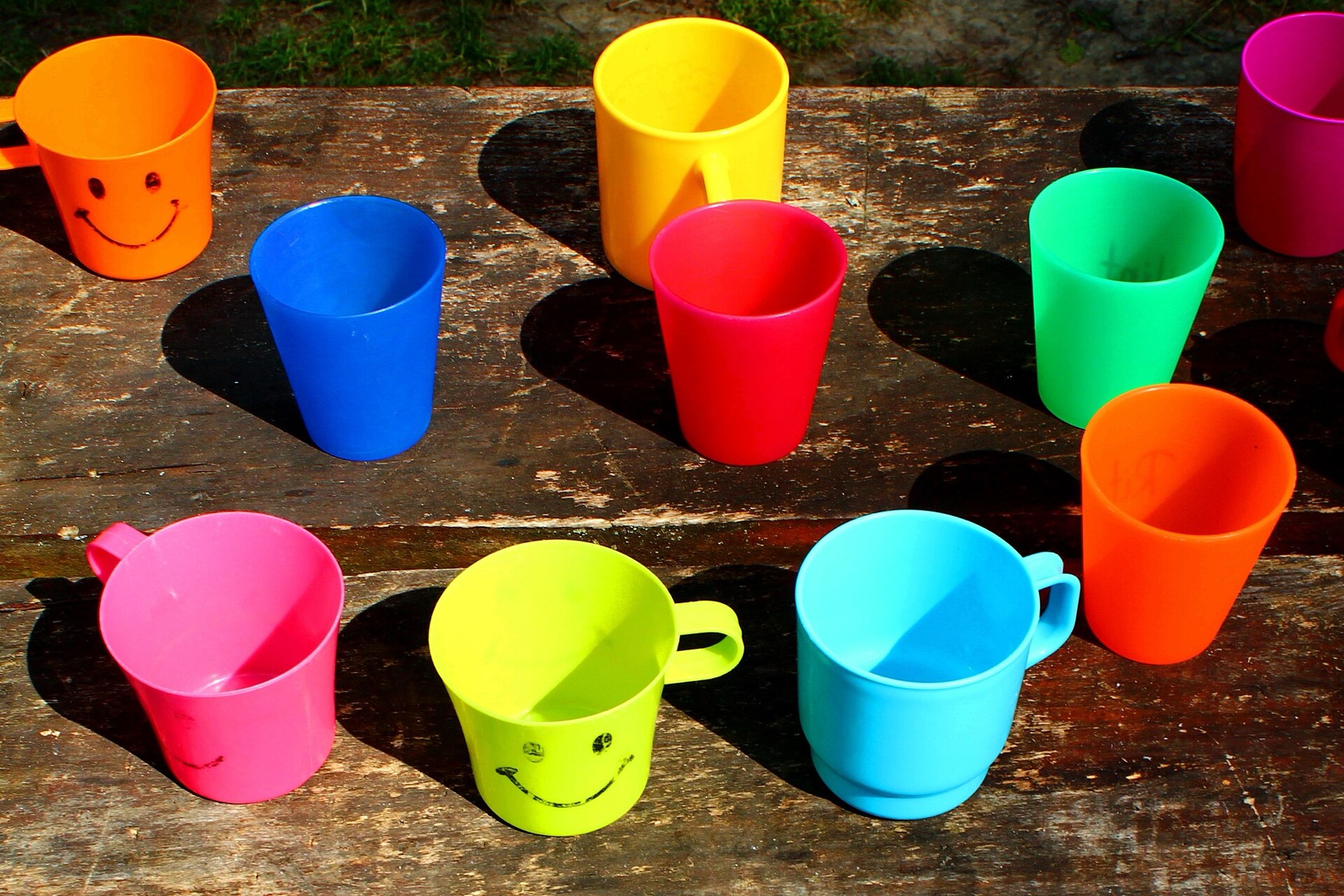
| Plastic | Budget geeky mugs, convention merch, themed cups | Lightweight, often cheap, colorful | Can retain odors and scratches; usually for casual use |
Mug-buying guides regularly highlight ceramic as the default for everyday home use, glass for aesthetics, and stainless or thermal designs when heat retention and travel matter.Coffee mug materials guide
How geeky shapes affect usability
Once you move beyond a straight cylinder with a simple handle, you’re trading practicality for flair:
- Sculpted handles (dragons, lightsabers, tentacles) can look incredible but often feel unbalanced or bite into your fingers.
- Irregular rims (gear shapes, jagged fantasy motifs) may make sipping less comfortable and can dribble.
- Deep reliefs and add‑ons (3D character faces, protruding logos) add places for coffee residue and make cleaning harder.
Designer mug comparisons note that elaborate designs often come with compromises in durability and dishwasher safety, even when the base material is solid.Designer vs standard mug comparison
That’s why many highly decorative mugs end up unused: they’re fun to receive, frustrating to drink from.Amusing Coffee Mugs guide
Quick example: D&D daily-use mug vs fragile display piece
- Daily-use D&D mug: A 12-14 oz ceramic mug with a printed initiative tracker or dragon emblem. Normal cylinder, sturdy handle, smooth rim. You get the theme without sacrificing comfort.
- Display-only mug: A large tankard with metal‑look sculpting, spikes, and a dragon‑shaped handle. It screams “boss fight,” but washing, gripping, and fitting it under a coffee machine are a pain.
If you actually want to sip during a game session, the first option is more likely to see the table.
Buying Geeky Mugs Online: Practical Criteria and Where DHgate Fits
Once you know how you’ll use the mug, you can narrow online options much faster.
1. Lock in material, size, and comfort
- Material: Pick ceramic for most home/office geek mugs; shift to stainless/thermal only if you truly need commute‑level heat retention. Glass and plastics work best for lighter use or themed sets.
- Capacity: Check listed ounces. If you actually drink 12 oz of coffee, a 10 oz “cute” mug may annoy you. Many guides break down common sizes (around 10-16 oz for everyday use), so compare listings against your usual pour.Coffee Mugs Buying Guide
- Handle & rim: Zoom in on photos. Would that handle feel comfortable in your grip? Does the rim look even, or heavily stylized?
For small ecommerce sellers, matching capacity and comfort to your audience (e.g., desk workers vs streamers) matters as much as the fandom you print.
2. Decide if you want art, sculpting, or customization
- Printed geeky art: Safer for daily use. Check whether designs are described as dishwasher‑safe or hand‑wash recommended; complex prints often need gentler care.
- Sculpted/3D designs: Treat these as dual‑purpose: display plus occasional use. Build that expectation into your product descriptions if you’re reselling.
- Custom designs: For business buyers, custom or white‑label mugs give brand control but usually cost more per unit and may reduce margin compared with mass‑market novelty stock.
Editorial comparisons of custom vs standard mugs highlight that standard mugs usually win for durability and practicality, while custom designs trade some of that for uniqueness and brand expression.Custom vs standard mug discussion
3. Where platforms differ — including DHgate
For U.S. buyers and small ecommerce sellers, each channel has a different strength:
- Artisan and fandom-focused shops (independent ceramicists, geeky boutiques) tend to offer unique designs, often in small batches. Good for standout pieces and higher perceived value.
- Global marketplaces (including DHgate) aggregate many suppliers worldwide, covering mugs, tumblers, and thermos cups in a wide range of materials, capacities, and price points. DHgate’s drinkware assortment is broad, and its search filters let you narrow by price range, material, and capacity.Thermos buying guide on DHgate That can make sense if you want affordable, niche patterns or bulk quantities and are willing to spend time comparing listings.
Because DHgate is a marketplace, every listing and seller is different. Before placing a geeky mug order there, it’s smart to:
- Compare several listings for your chosen theme and material.
- Read buyer photos and comments for clues about print quality, comfort, and actual capacity.
- Cross‑check your own requirements (daily use vs display, target price, margin if you’re reselling).
If you want a single heirloom‑quality mug or care deeply about handmade glazes, a local artisan or specialized fandom shop may be a better fit. If you’re stocking a convention booth or online store with budget‑friendly geeky mugs, large marketplaces like DHgate can be useful discovery and sourcing tools — so long as you vet individual products against the criteria above.
For a deeper look at DHgate as a marketplace in general, you can read What DHgate is and how the marketplace works, and if you do decide to buy there, Find trusted sellers on DHgate and the DHgate order-readiness checklist can help you prepare your cart.