
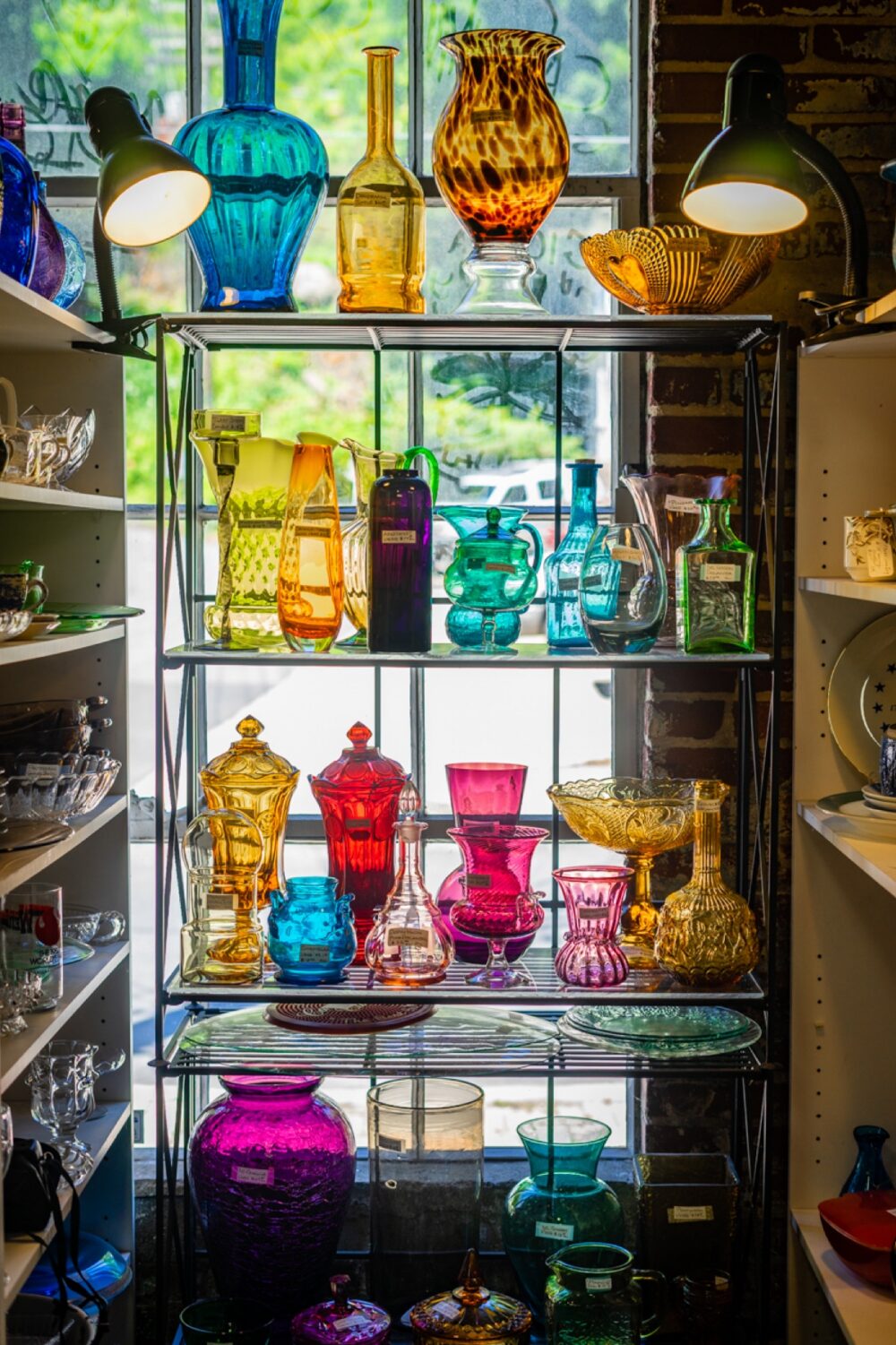
You can find colorful glassware on DHgate by treating it like a big, messy catalog: start with tight search terms, then use categories and filters to trim results, and only shortlist listings where the photos, specs, and seller ratings line up. For anything beyond a few personal-use pieces, Canadian buyers and small ecommerce shops should message sellers, request samples when possible, and treat bulk orders as a second step after quality is proven.
This guide walks through that process specifically for colorful glassware—where color consistency, durability, and finish problems can turn a “deal” into dead stock.
What counts as colorful glassware and who is it for?
Colorful glassware isn’t one product. On DHgate you’re likely to see:
- Tinted drinkware (wine glasses, tumblers, highball and lowball glasses).
- Iridescent or “rainbow” stemware and cocktail glasses.
- Patterned or painted glass (floral, geometric, seasonal motifs).
- Decorative pieces that double as serveware, such as dessert bowls, sundae cups, and vases.
For Canadian buyers, DHgate-style sourcing makes the most sense in a few scenarios:
- Home or event use: You want 6-24 pieces of colorful glassware for parties, weddings, or a home bar and can tolerate minor variation in color or thickness.
- Small ecommerce or barware shop: You’re testing new lines—say, iridescent cocktail coupes or pastel water glasses—and need low-cost samples before deciding on a recurring import.
- Brandable or custom runs: You’re open to working with manufacturers or OEM factories to add logos, custom colors, or packaging once you know the base glass quality is acceptable.
If you need vintage brand-name glass, exact pattern matches, or dishware where every piece must be identical, local wholesalers or specialist platforms are usually safer than DHgate.
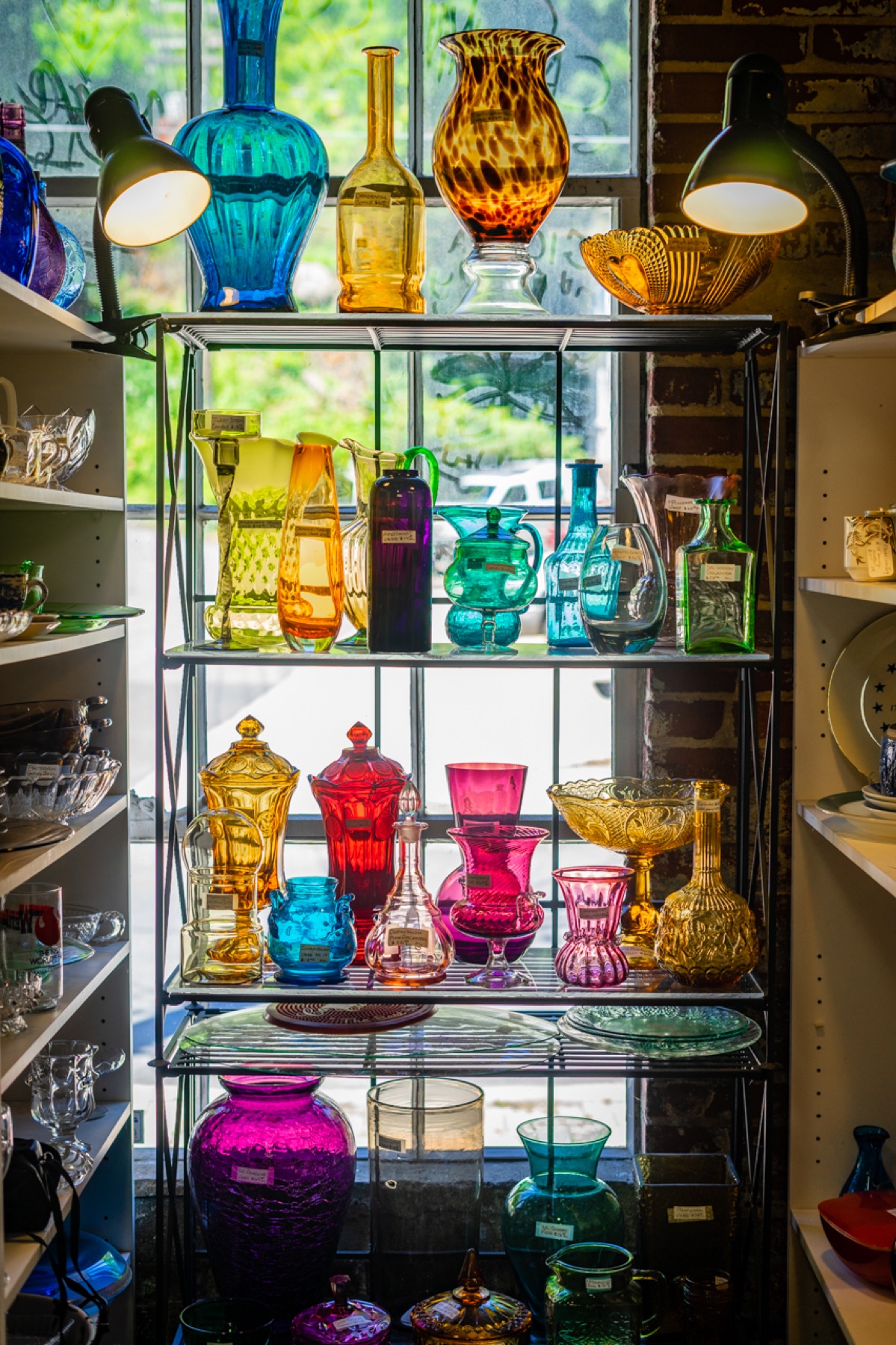
Search and filter: turning DHgate into a colorful glassware catalog
DHgate’s search results for “colorful glassware” can be chaotic. You’ll get plastics, ceramics, and random décor mixed in. The trick is to start broad, then narrow quickly using search terms, filters, listing details, and seller signals.
Step 1: Use targeted search phrases
Start at DHgate’s homepage and try very specific queries:
- “colored glass cups” or “colored glass tumblers”
- “iridescent wine glasses” or “rainbow cocktail glasses”
- “colored glass dessert bowls” or “ice cream glass cups”
- Add “set” or a size term like “300ml” or “12oz” when you know your needs
If you run a small shop, imagine a product card and search that phrase: “pink vintage style water glasses” or “blue hobnail glass cups.” Then strip off branding words that DHgate sellers may not use.
Step 2: Use categories and filters to cut noise
DHgate provides filtering options and categories that help you narrow down your search to find products matching your criteria, as described in its own shopping guides. After you search, click into the most relevant category (often under Home & Garden, Kitchen, or Drinkware), then apply filters such as style, use type, or material where available.
Use filters to remove obvious mismatches:
- Exclude plastic or stainless steel when you only want glass.
- Focus on drinkware or tableware rather than generic home décor.
This doesn’t clean everything, but it moves you from “everything colorful” to a workable subset.
Step 3: Read listings like a glassware buyer, not a general shopper
Each DHgate listing typically shows product specs, images, prices, and seller ratings. DHgate’s own editorial material highlights that these details and ratings are important for judging products and sellers.
For colorful glassware, pay attention to:
- Photos: Look for multiple angles and close-ups. Are rims smooth? Is color even, or do you see blotches or streaks? Mixed hues in a photo can signal batch inconsistency.
- Color description: Does the listing say “hand-painted” or “sprayed” color? Painted finishes chip more easily; tinted glass tends to be more durable.
- Material notes: Phrases like “high borosilicate” can indicate better heat resistance for hot drinks, but you still need to verify via samples or reviews.
- Size and thickness: Check measurements and capacity. Very thin walls may look elegant but travel badly and break in transit.
Mini-checklist for vetting a colorful glassware listing
- At least 4-5 clear photos, including a rim close-up.
- Written color name and process (tinted, sprayed, painted, electroplated).
- Capacity and dimensions listed in usable units.
- Seller rating above average with multiple recent reviews mentioning glass quality.
Step 4: Use seller ratings and reviews as glass-specific signals
Seller ratings and customer reviews on DHgate are helpful signals for reliability and product quality. DHgate’s blog points to ratings and written feedback as key inputs for buyers when deciding whether a product fits their needs.
For colorful glassware, scan reviews for:
- Comments on color accuracy: “lighter than photo,” “more transparent,” or “exactly like pictures.” This tells you how edited the listing images might be.
- Notes about breakage: Multiple buyers complaining of cracked items on arrival suggests thin glass or weak packaging.
- Feedback on finish: Words like “rough edges,” “bubbles,” or “cloudy” are red flags.
Pay more attention to buyers who post photos and mention what they use the glassware for (daily coffee, cocktails, display). That context helps you match the listing to your own use case.
If you’re not comfortable reading seller signals, it’s worth reviewing an independent resource like Find trusted sellers on DHgate to deepen your checklist before ordering.
Step 5: Message sellers and request samples before scaling
DHgate allows buyers to communicate directly with sellers through the platform, and its ecommerce guidance suggests that requesting samples before larger orders is common practice.
Use messaging to:
- Ask how the color is applied and whether it’s intended to be dishwasher-safe.
- Clarify packaging: individual boxes vs bulk, protective padding, etc.
- Confirm whether you can buy samples (a small quantity) before committing to larger orders.
Sample requests and small test orders are a sensible step when sourcing for resale. Treat your first order as a quality test, not inventory. Once you’ve seen the glass in person, you can ask about OEM or custom options—such as a specific color range or lightly branded packaging—if the seller offers that.
Practical comparison: what you check on each listing
The table below summarizes how you can combine buyer-controlled checks on DHgate to vet colorful glassware. It focuses on actions you take, not platform promises.
| Check type | What you look for on DHgate | Why it matters for colorful glassware |
|---|---|---|
| Listing details | Clear capacity, dimensions, material notes, color description | Helps you avoid glass that’s too thin, too small, or colored with fragile surface paints |
| Photos | Multiple angles, close-ups of rims and color, buyer-uploaded images | Reveals chips, bubbles, uneven color, and how closely items match the promo images |
| Ratings & reviews | Consistent ratings plus comments on breakage, color accuracy, finish | Signals whether previous buyers experienced common glassware issues like cracked stems |
| Seller communication | Responsive answers about color process, packaging, sample availability | Lets you clarify how the glass is made and shipped before you risk a larger order |
When DHgate is a good colorful glassware source—and when to go elsewhere
DHgate can connect you directly with manufacturers and OEM factories, which may support customized or branded glassware in some cases, according to its ecommerce sourcing guidance. That’s a strong fit if you’re in Canada and want distinctive pieces for an online shop or café without paying domestic boutique markups.
But DHgate isn’t always the right answer. Think about your scenario.
Personal use vs resale: different risk tolerance
For personal use, you might accept more variation and focus on style and price. For resale or business use, you need stricter evidence before treating any listing as repeat inventory.
- Personal use (small sets): DHgate can be attractive when you’re flexible on exact shade and minor differences between pieces. Prioritize listings with many photos and clear reviews about color and breakage.
- Testing product lines for a shop: DHgate’s broad catalog and access to manufacturers are useful for discovery. Treat initial orders as samples, and only rely on a style for ongoing sales once you’ve seen multiple batches.
- Busy bar or restaurant: The operational risk of inconsistent glassware is higher. DHgate may still be useful for accent pieces or occasional specials, but you may prefer commercial suppliers for your “workhorse” glasses.
For resale, build DHgate into your sourcing workflow, not your only source. Use it to discover colorful glassware styles and suppliers, then keep at least one local or alternative platform as a backup when a line fails or quality shifts.
Where DHgate’s model fits colorful glassware
DHgate’s strengths align best when:
- You can invest time in seller research and sample testing.
- You benefit from OEM/custom potential, such as unique colorways or subtle branding.
- You value wide choice and are willing to sort through uneven listings.
It’s weaker when:
- You need tightly controlled quality with formal certifications.
- You can’t risk any color or finish variation across units (for high-end retail).
For platform basics and checkout prep, pages like What DHgate is and how the marketplace works and the DHgate order-readiness checklist are useful companions to this product-specific guide.
Payment and practical safeguards
DHgate’s own shopping guide describes its checkout as using encryption to protect payment information during transactions.
That doesn’t remove product risk. Your real protection on colorful glassware is front-loaded:
- strict listing vetting,
- careful seller selection, and
- a sample-first mindset for any order that goes beyond casual personal use.
If your DHgate search turns up only thin listings with few photos and no real reviews, treat that as a sign to pause and consider alternative channels until better evidence appears.