
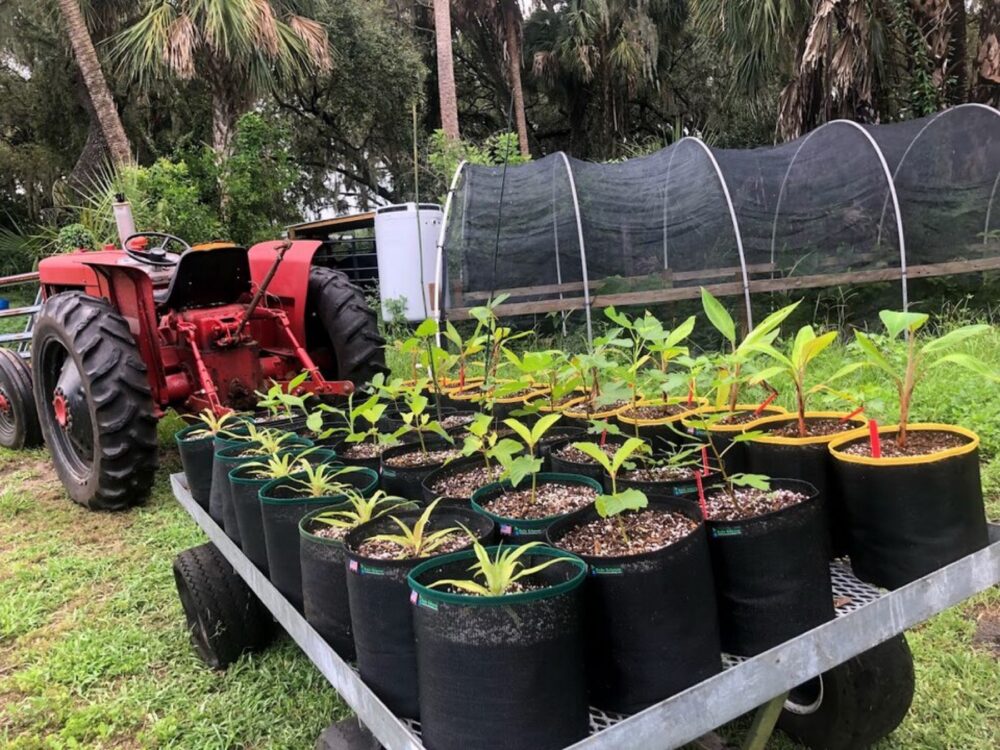
Growing carrots in bags is mainly about three specs: depth, drainage, and volume. Start by picking a fabric or PE grow bag that’s deep enough for your carrot variety and holds loose, stone‑free soil; then look at capacity (often 7-15 gallons for mixed vegetables), handles, and harvest windows. Once you know those numbers, you can compare multi‑pack grow bags across big‑box sites, social‑commerce platforms, and marketplaces like DHgate, instead of scrolling randomly.
What “carrots in bags” actually means and who it suits
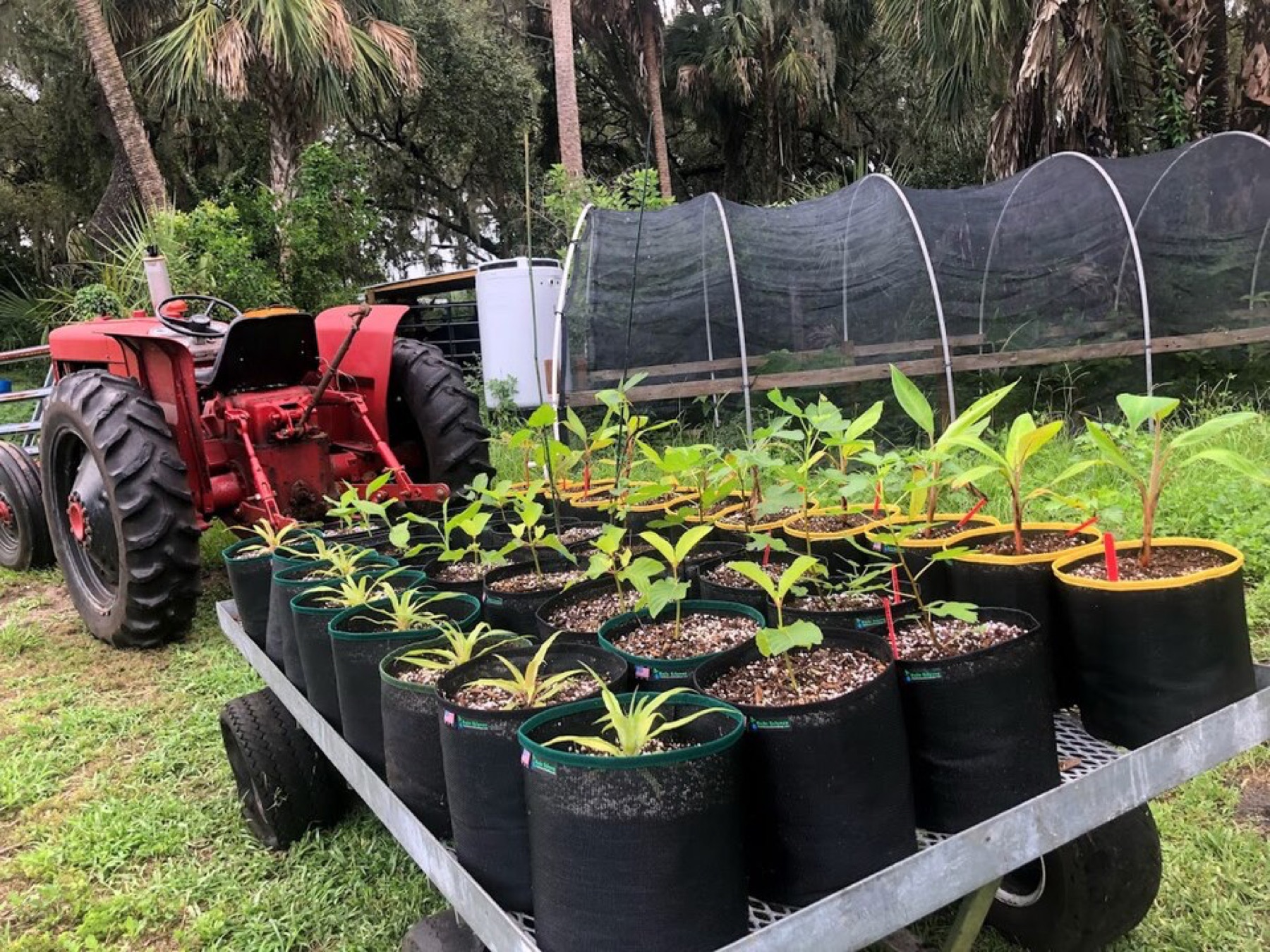
“Carrots in bags” usually means growing carrots in fabric grow bags or sturdy plastic containers rather than in the ground. Gardening guides point out that this approach works well if you have limited space or heavy/clay soil, as long as the container gives the roots enough depth and good drainage for straight growth rather than twisted, forked carrots.Biology Insights and the Old Farmer’s Almanac both treat containers and grow bags as viable options when those basic conditions are met.
This setup suits:
- Apartment or townhouse gardeners with only a patio or balcony.
- Yards with compacted or rocky soil where carrots would struggle.
- Small e‑commerce sellers who want a clean, repeatable “carrot grow kit” that doesn’t depend on a buyer’s native soil.
If you already have deep, loose garden beds, grow bags are more about portability and neatness. If your soil is poor or you’re on concrete, the bag becomes your whole carrot environment, so the specs matter more.
Key carrot grow bag types and specs that really matter
Carrot advice often talks about “deep, loose soil.” To turn that into real products, you’re mostly choosing between non‑woven fabric bags and PE (plastic) grow bags marketed for root crops.
Fabric vs. PE construction
Container guides highlight depth, volume, and drainage as the top priorities for carrots rather than brand names.HometoSight and other container‑buying articles emphasize that breathable fabric helps roots and drainage, while rigid plastic needs extra drainage holes.
A few real‑world examples:
- A 15‑gallon non‑woven vegetable grow bag with a clear harvest window is sold as a potato bag, but the same form factor can work for carrots if you fill it deeply and use loose mix.Walmart example
- 7-10 gallon PE grow bags are widely marketed for potatoes, carrots, and onions, often in multi‑packs.Walmart PE example
Non‑woven bags prioritize breathability and tend to sit upright; PE bags are more rigid and moisture‑retentive but rely on factory or user‑added drain holes.
Depth and volume for carrot roots
Carrot‑specific grow‑bag guides stress that depth is more important than sheer diameter for standard varieties, because the taproot needs unobstructed downward space. Biology‑focused sources describe deeper bags as better for avoiding stones or compaction that bend or fork roots.Biology Insights size guidance
You can treat common retail sizes this way:
| Bag type | Typical volume* | Carrot use case |
|---|---|---|
| 7 gallon PE potato/carrot bag | Small batch | Good for short carrots or tight balconies |
| 10 gallon PE or fabric bag | Medium batch | Flexible size for mixed varieties |
| 15 gallon non‑woven with window | Large batch | Suits deeper fill and companion crops |
*Volumes are drawn from big‑box listings and can vary slightly by brand.
For a home gardener, one 10‑gallon bag can be a simple, all‑purpose choice. For a small e‑commerce kit, multi‑packs of 7 or 10‑gallon bags give you a predictable footprint and shipping weight.
Harvest windows, handles, and pack size
Retail listings for vegetable grow bags often add features that matter in real use:
- Harvest windows / flaps. The 15‑gallon non‑woven example above uses a clear window for checking tubers and roots without dumping the bag. For carrots, that’s mainly a convenience feature and a visual selling point in a kit.
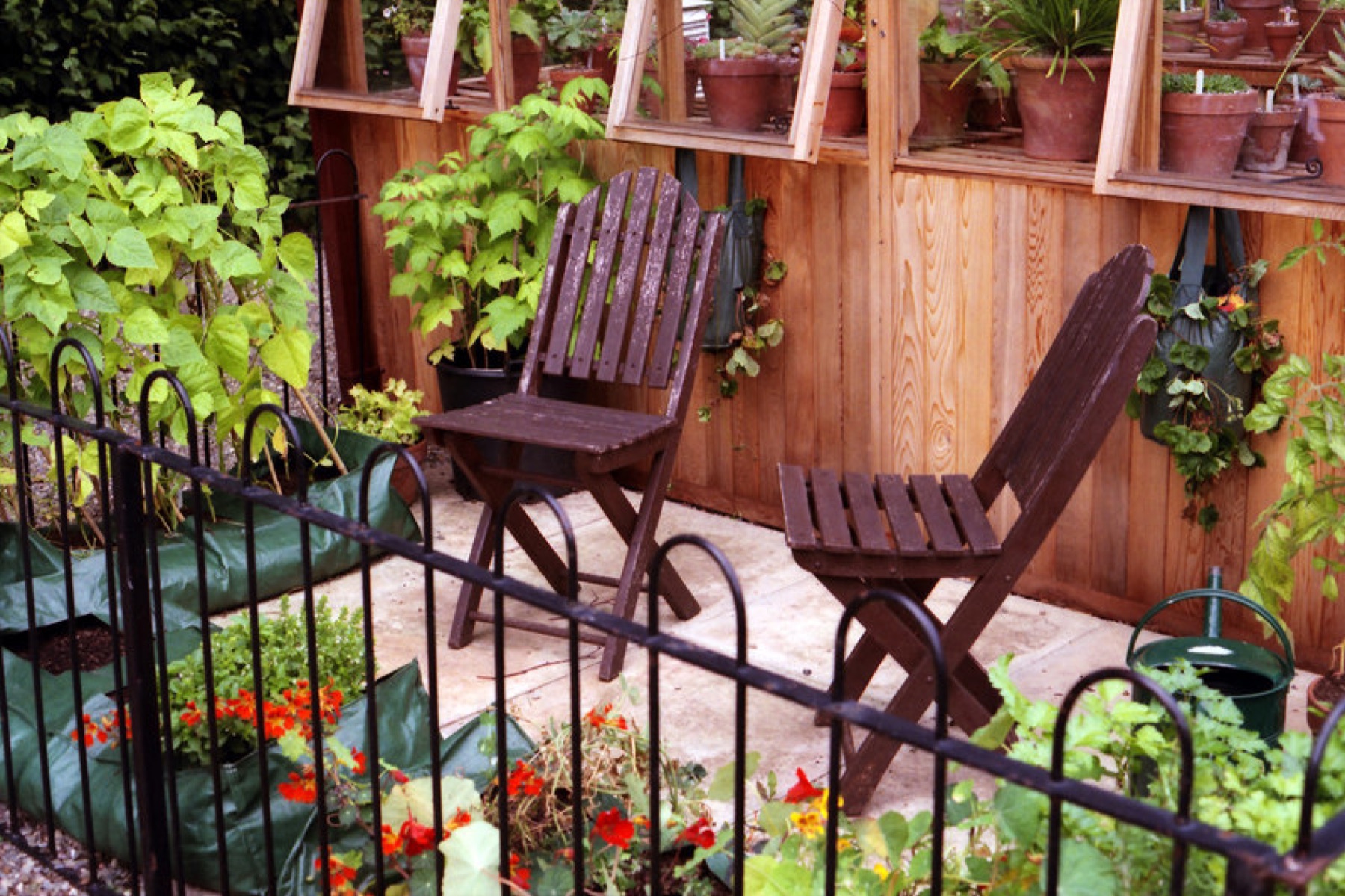
- Handles. Multi‑pack 10‑gallon PE bags and 10‑gallon non‑woven bags commonly include stitched handles so you can move the bag when it’s partly filled, which helps balcony growers who need to shift containers seasonally.Big‑box multi‑pack example
- Pack size. Root‑crop bags are frequently sold as 3‑ or 4‑packs (7-10 gallons each), which matters for both per‑unit cost and how many containers your buyer ends up managing.7‑gallon pack example
For carrots specifically, prioritize:
- A depth and volume that matches the carrot length you want.
- A material that drains freely but doesn’t dry out instantly.
- Features that match your marketing promise (e.g., “easy harvest window” or “portable balcony kit”).
How to narrow your shortlist across platforms, including DHgate
Once you’ve decided on basic specs, it’s much easier to search intelligently across platforms.
Turn gardening advice into search filters
Using container‑gardening guidance, define your target product like this:
- Material: non‑woven fabric or PE with clear drain holes.
- Volume: 7-10 gallons for typical home use; up to 15 gallons for a “family‑size” kit.
- Form factor: upright bag with roughly cylindrical shape and optional harvest window.
- Pack size: 3-4 bags per set if you want multiple plantings or a resellable multi‑pack.
When you search Walmart, Home Depot, Amazon, TikTok Shop, or DHgate, plug in those terms (“10 gallon fabric grow bag,” “vegetable grow bag window,” “potato carrot planter bag”) rather than just “grow bags.” This cuts out flower pouches and ultra‑shallow nursery bags that aren’t suited to carrots.
Where DHgate fits beside big‑box and social commerce
DHgate’s own editorial material describes a broad gardening catalog that includes planters, pots, seeds, seedlings, and irrigation gear, and notes that vegetable seeds such as carrots appear among its listings.DHgate gardening context and seed overview That makes it one of several marketplaces you can include when you’re:
- Comparing bulk or multi‑pack grow bags for a small gardening brand.
- Looking for combined “bag + seed” concepts from overseas sellers.
If you decide to explore DHgate as part of that broader search, it helps to understand the marketplace model and how to evaluate individual sellers. You can dig into that via What DHgate is and how the marketplace works, then use Find trusted sellers on DHgate and the DHgate order‑readiness checklist to shape your listing‑level checks.
When another channel is a better fit
If you only want a single carrot bag to experiment on a balcony, or you need containers fast for a local workshop, sticking with local garden centers, Home Depot/Lowe’s, or big‑box online listings usually minimizes complexity.
If your plan is to bundle carrot grow bags into kits or stock an online store, comparing multi‑pack non‑woven and PE bags across several platforms—including DHgate—can surface more varied designs and capacities. In that case, treat platform choice as a second‑step decision after you’ve nailed your specs; the right depth and material will matter more to your carrots (and customers) than where you clicked “buy.”