
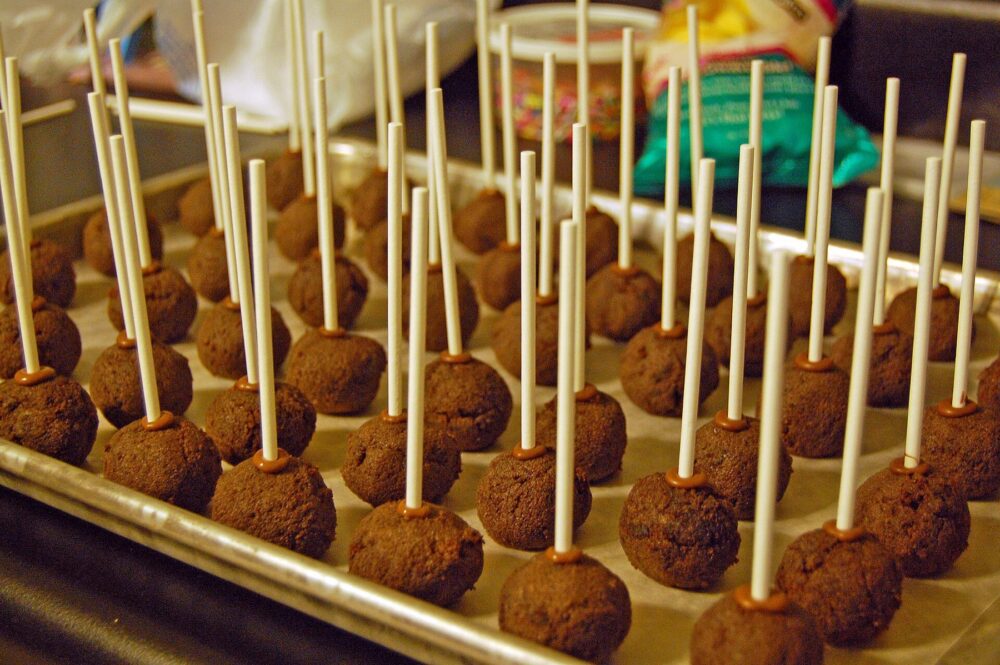
If you want cake pops that look professional, you’ll need sticks in the right material and size, then a careful search process on DHgate. You’ll start by defining your ideal stick (paper vs plastic, roughly 4-6 inches long, for baking or resale), search DHgate with focused baking keywords, and then narrow down to a few listings whose photos, descriptions, and seller histories match what you need. From there, you vet those sellers with ratings, reviews, direct questions, and—if you’re a small ecommerce business—samples before committing. If you can’t get clear answers or the timing doesn’t work for Australia, a local baking supplier or major marketplace may be a better route.
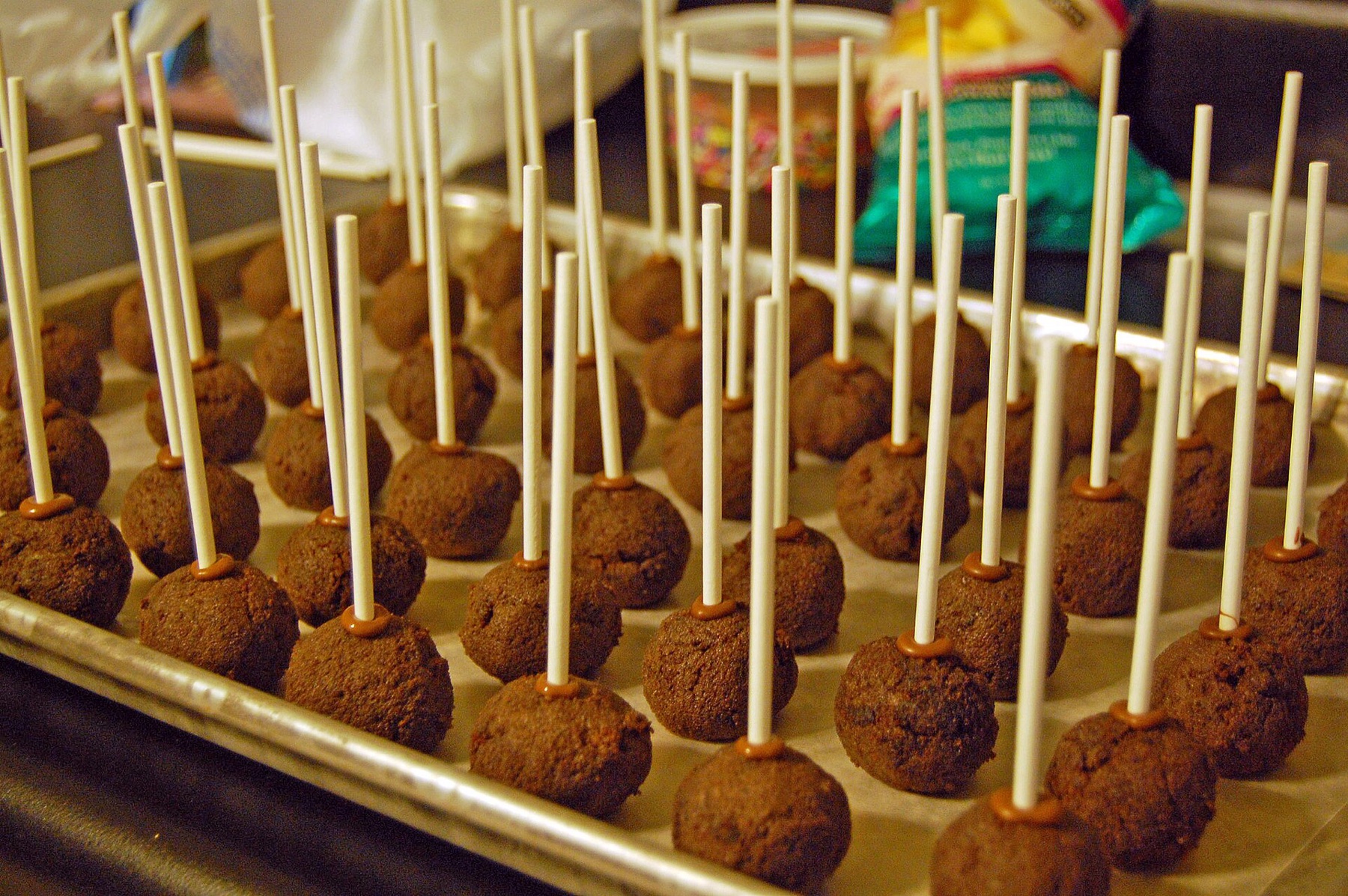
What Cake Pop Sticks Buyers Actually Need Before They Search DHgate
Before you touch DHgate’s search bar, get clear on the stick you’re actually hunting for. Standard cake pop sticks are usually in the 4-6 inch range—long enough to hold comfortably, short enough that the pop doesn’t feel awkward to eat. This range is echoed in broader cake‑pop guidance, including DHgate’s own editorial overview on where to buy cake pop sticks.
If you’re catering or running a small brand, pick a length that fits your packaging and display stands as well as your portion size.
Material is your next non‑negotiable. For most home bakers and boutique dessert businesses, the choices are:
- Paper sticks: Classic for cake pops and lollipops, with a clean look. You’ll want them described as food‑grade and sturdy enough not to bend under the weight of your pops.
- Plastic sticks: Often reusable and sometimes in colors or shapes. For food contact, you need clear information on the plastic type and any relevant certifications.
Think about your specific use case:
- Home baking for parties: A smaller quantity and simple white paper sticks may be fine.
- Small ecommerce brand in Australia: You may need consistent bulk quantities, color options to match branding, and the ability to reorder the same spec.
Make a short spec list before you search:
- Target length (e.g., ~4.5 or ~6 inches)
- Material (paper or plastic, described as suitable for food contact)
- Color (white or specific branded colors)
- Quantity per order (rough idea of how many pops you’ll make per month)
You’ll map these directly into your DHgate searches and into the way you read each listing.
Turning Cake Pop Stick Requirements into DHgate Searches and Shortlists
Once you know what you need, the goal is to get DHgate’s search results as close to “real cake pop supplies” as possible instead of vague party decor.
Use concrete search phrases rather than just “cake pops.” DHgateWiki’s guidance on push‑up containers confirms that specific baking phrases help narrow results, such as “cake pop mold,” “cake pop stick,” or “push up cake pop” containers, which you can see in this push‑pop confectionery search walkthrough.
For sticks, practical queries include:
- “cake pop stick”
- “lollipop stick” (often used for the same product category)
- “paper lollipop stick” if you want to bias results toward paper
On DHgate, you can then:
- Start with the main search term. For example, type “cake pop stick” into the search bar.
- Skim the first page to see what category your results sit in. If most products look like general party decorations, adjust your query to “paper lollipop stick” or similar.
- Use filters where available. Some listings let you filter by material color or packaging type. Use these to weed out obviously irrelevant items.
As DHgate’s shopping guide notes, listings commonly show a mix of specs, images, prices and seller ratings, and buyers are encouraged to read those details and reviews closely to judge fit (DHgate shopping guide). Use that structure to drive your shortlist.
When you click into individual listings, focus on three things:
- Photos: Do the sticks look like true cake pop or lollipop sticks? Are they straight, uniform, and shown with actual desserts?
- Specs: Look for stated length in inches or centimeters, material description, and any food‑grade or certification notes.
- Packaging details: Are they bagged, boxed, or bundled in a way that suits your storage and fulfillment?
Listing‑level checklist
Here’s a compact checklist you can use while shortlisting listings:
| Checkpoint | What you’re looking for |
|---|---|
| Length & thickness | Around the 4-6 inch range; not obviously flimsy in photos |
| Material & food contact | Stated as paper or plastic; described as suitable for food |
| Quantity options | Packs that roughly match your use (test + production) |
| Photos with actual cake pops | Evidence the sticks are used for desserts, not just crafts |
| Buyer reviews & photos | Comments on sturdiness, finish, and any issues with bending or discoloration |
| Basic seller info visible | Ratings, review count, and store age shown on the listing page |
Aim to collect a shortlist of 3-5 listings that hit your spec list before you spend time messaging sellers.
If you also need containers or stands, DHgateWiki’s broader confectionery sourcing guidance in the push‑pop article above can help you extend your search terms without duplicating the stick‑specific task here.
Vetting DHgate Sellers and Deciding if Cross‑Border Sourcing Makes Sense
Finding a listing is only half the work. The bigger decision—especially if you’re in Australia and thinking about repeated orders—is whether a specific DHgate seller is reliable enough for your cake pop sticks.
Editorial sourcing guides from DHgate recommend the same basic moves across categories: use filters and search tools, evaluate suppliers via ratings, reviews and transaction history, and request samples before bulk orders (DHgate ecommerce sourcing overview). Applied to cake pop sticks, that gives you a practical vetting workflow.
1. Read seller signals in the listing
On each listing page, look carefully at:
- Seller rating and review count: Higher ratings with a meaningful number of reviews suggest a steadier track record than a new store with only one or two ratings.
- Written feedback and buyer photos: For food‑contact items, photos of actual sticks in use can reveal quality issues like bending, discoloration, or rough edges.
- Transaction history or store age: A seller who has handled many orders over time may be less risky than a brand‑new account.
This aligns with DHgate’s own suggestion to read reviews and use seller ratings to judge reliability rather than assuming all listings are equal.
2. Ask specific questions before you commit
For small ecommerce use, a short message thread is worth the effort. Use DHgate’s messaging tools to ask:
- What material are the sticks made of (paper type or plastic type)?
- Are they suitable for direct contact with food, and do they have any certifications?
- Can you maintain this design and size consistently for repeat orders?
You don’t need a formal script; just make sure these points are covered in writing so you can refer back if anything is unclear.
3. Decide if you need a sample
- Test how the sticks behave with your actual recipe (do they bend, discolor, or splinter?).
- Check whether the spec (length, color, finish) matches the listing.
- Assess packaging quality for your Australian shipping context.
For home use in very small quantities, a sample might simply be your only order. For a brand, you’d typically sample first, then place a separate production order if you’re satisfied.
4. Weigh DHgate against other channels
Cake pop and lollipop stick supplies are commonly available through multiple platforms, not only DHgate. DHgateWiki’s cross‑platform overview of cake pop and lollipop stick supplies notes that buyers can also look to local baking suppliers and major online retailers when DHgate is inefficient.
Use this simple scenario lens:
- Better fit for DHgate:
- You want to test different stick styles or colors before finalizing your brand look.
- You’re already sourcing other baking tools via DHgate and can consolidate communication.
- Better fit for alternative channels:
- You need sticks urgently for an event or customer order in Australia.
- You only need a small household quantity and don’t want to spend time vetting overseas sellers.
- You cannot get clear, written material or food‑contact answers from the seller.
For those alternative scenarios, the platforms covered in the cross‑platform guide above—plus local supermarkets, craft stores and baking supply shops mentioned in DHgate’s own cake‑pop blog article—are often more practical.
For additional DHgate platform context, use Find trusted sellers on DHgate, and Review the DHgate order-readiness checklist.
If you do proceed with a DHgate order, run through a basic marketplace checklist first: confirm quantities and specs in the cart, capture screenshots of key details, and make sure you’re comfortable with the seller’s communication. DHgateWiki’s overview of the DHgate marketplace and its cross‑platform stick‑supplies guide provide extra context for how this type of low‑cost, food‑contact item fits into your wider sourcing strategy as a home baker or small Australian brand.