
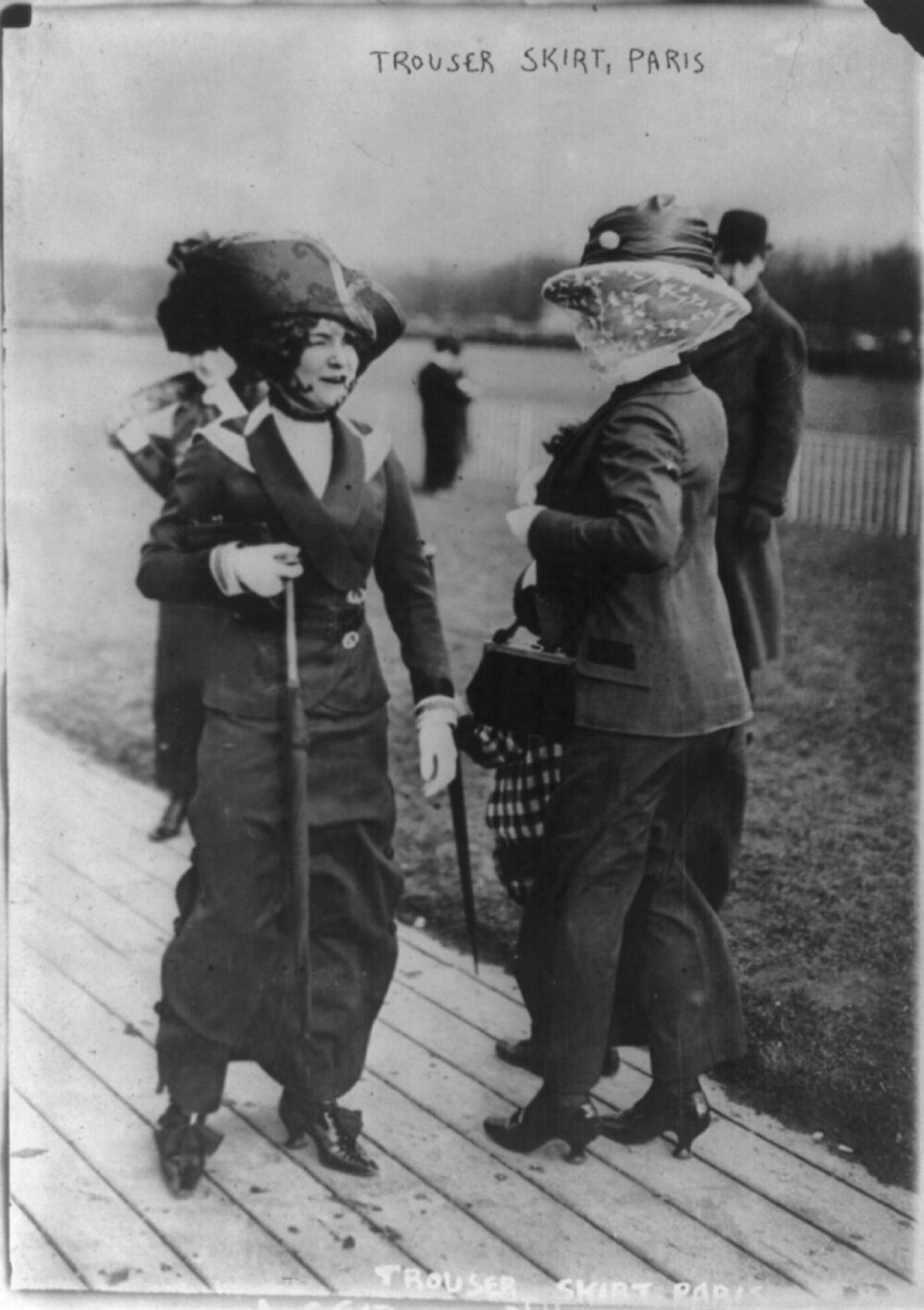
For UK buyers and small resellers, DHgate works best if you want affordable 90s-inspired stock instead of one-off archival pieces. If you need true 90s vintage with provenance, you’ll likely end up on platforms such as Etsy, Depop or specialist vintage sites instead.
What 90s Skirt and Trouser Fashion Means on DHgate
On DHgate, labels like “vintage” and “retro” usually describe a nostalgic look, not a proven garment age. That’s similar to mainstream fashion sites where you’ll see products billed as “90s-length” or “90s-inspired” but clearly manufactured now, such as a Topshop 90s-length skirt on ASOS.
For skirts and trousers, those 90s-style cues typically include:
- Slip and bias-cut skirts – satin or viscose, midi to maxi, often in black or jewel tones.
- Plaid and grunge minis – A-line or pleated, sometimes styled with belts and chains in listings.
- High-waist, wide-leg trousers – tailored or soft crepe; think officewear silhouettes.
- Cargo and utility trousers – multiple pockets, olive/khaki tones, a 90s streetwear feel.
- Skirt-over-trouser looks – an occasional trend echoing 90s layering.
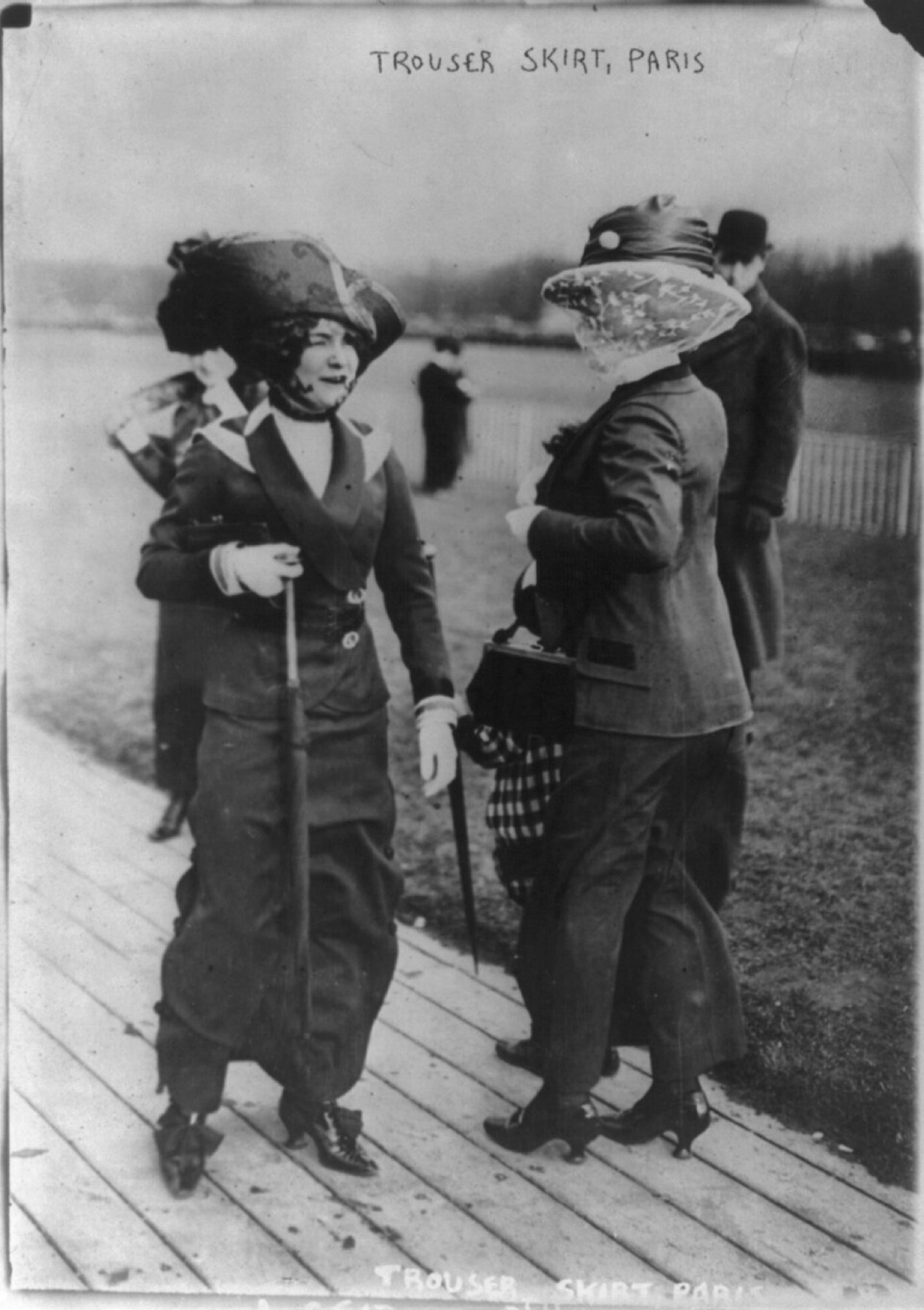
For personal wear, that distinction may not matter. For a UK vintage shop or online reseller, it’s critical: you can usually treat DHgate as a source of 90s-inspired inventory, not as a certified vintage archive.
Buying Signals for 90s-Style Skirts and Trousers
For 90s-style bottoms, you’re judging three things from a DHgate listing: does the cut match the era, will the fabric behave how you expect, and is the seller credible enough that the piece will arrive looking like the images.
DHgate’s own retro skirt guidance highlights three core checks:
- Use targeted keywords and then filter results by price, material, and seller ratings.
- Read descriptions closely for style, fabric composition, and measurements.
- Scrutinize product images from multiple angles.
Applied to 90s skirts and trousers, that becomes more specific.
Fabric and construction
90s-style often relies on how a fabric drapes or holds shape.
- Slip skirts: look for polyester satin, viscose, or silk blends; check weight if mentioned. Very thin, unlined satin may cling or show every seam.
- Tailored trousers: search for suiting fabrics (poly-viscose, wool blends) and words like “lined” or “crease-resistant”.
- Cargo pants: you’ll usually see cotton or cotton-blend twill. If the photos look shiny or stiff, expect more of a fast-fashion feel than rugged utility.
Cut, rise, and length
Photos often reveal whether a “90s” claim is genuine in spirit.
- A 90s-style slip skirt should sit mid-to-high waist and hit midi or maxi length; mini slips read more 2000s.
- “Mom” or wide-leg trousers should show a high waistband with room through hip and thigh, not a low-rise skinny fit mislabeled as 90s.
- Grunge minis should show some structure—panels, pleats, or a proper waistband—rather than the flimsiest stretch tube skirt.
Photos, wording, and sizing risks
Look for:
- Phrases like “90s style”, “retro”, “vintage-inspired”, “Y2K” rather than promises of original 1990s stock.
- Model shots or hanger shots from multiple angles. If the listing uses only collage images or mood-board-style photos, treat the cut and fabric as less certain.
- Size charts with measurements (waist, hip, length in cm). For cross-border buying, UK sizes often translate loosely; rely on actual numbers, not size labels.
Inline risk callout:
Compact pre-buy checklist for 90s bottoms:
- Does the fabric type match how you want the piece to drape?
- Does the rise and length in photos align with your 90s reference images?
- Are waist/hip/length measurements given and realistic for your size chart?
- Is the description clearly “90s-style” rather than implying original vintage without evidence?
- Do seller ratings and reviews mention real photos or fabric quality?
If you can’t tick most of those boxes, the listing is probably not order-ready.
Step-by-Step: Finding and Evaluating 90s Skirts and Trousers on DHgate
DHgate’s fashion insider guide recommends defining your style first, then using long-tail keywords, filters, and wishlists. Here’s how that translates directly into 90s skirts and trousers.
1. Define your 90s style lane
Decide what you’re actually sourcing:
- Office-ready 90s tailoring (wide-leg trousers, pencil or slip skirts)
- Grunge and streetwear (plaid minis, cargos, denim)
- Minimalist 90s (black slip skirts, simple straight-leg trousers)
Having one or two style lanes in mind keeps your search focused and stops you drowning in generic fast fashion.
2. Use long-tail search terms
In DHgate’s search bar, skip generic “90s skirt” and use detailed phrases:
- “90s grunge plaid mini skirt”
- “high waist wide leg trousers 90s”
- “satin slip skirt vintage inspired”
- “90s cargo pants women high waist”
You’re mimicking the long-tail strategy the DHgate blog recommends (e.g., “bohemian floral summer dress” instead of “dress”), but tuned to 90s silhouettes.
3. Apply filters that matter for 90s styles
Once you have results:
- Filter by material if available (cotton, polyester, denim, etc.) for the fabric feel you want.
- Sort by seller rating to bring more established vendors up the list.
- Narrow by price range to avoid ultra-low prices that often signal costume-grade quality, especially for tailored trousers.
4. Shortlist with wishlists, then deep-read listings
Use DHgate’s favorites/wishlist feature to save promising 90s-style pieces. Then compare them side by side on:
| Checkpoint | Why it matters for 90s bottoms | What you want to see |
|---|---|---|
| Fabric description | Distinguishes drapey slip vs stiff costume satin | Named fiber content, not just “mixed fabric” |
| Cut and rise wording | Confirms high-waist, wide-leg, or true midi length | “High waist”, “wide leg”, “midi length” |
| Image clarity | Shows real silhouette and construction details | Multiple clear photos, front and back |
| Seller ratings/reviews | Signals consistent delivery and fabric quality | High ratings plus reviews mentioning photos |
This is where you weed out listings that use aspirational language but show very different cuts in the photos.
5. Message sellers when details are vague
DHgate’s retro skirt guide encourages open communication with sellers. For 90s skirts and trousers, that can mean asking:
- “Can you share the waist, hip, and length in centimetres for size M/UK 10?”
- “Is the fabric closer to lightweight satin or heavier twill?”
- “Is this item produced now, or is it true vintage stock?”
You’re unlikely to get provenance documents, but you can at least confirm sizing and fabric weight before committing.
6. Decide if DHgate is the right route for your goal
For individual buyers:
- DHgate is a reasonable option if you’re chasing the look of 90s fashion—slip skirts, cargo trousers, wide-leg tailoring—at lower cost and don’t need original 1990s labels.
For small UK resellers:
- DHgate makes more sense for a “90s-inspired” or “retro-style” section of your shop where customers expect new production.
- If your branding promises true vintage, you’ll probably rely more on platforms oriented to one-off vintage and thrift, such as Etsy, Depop, or dedicated vintage sites, and treat DHgate as a separate, clearly labelled contemporary line.
To strengthen your broader 80s–90s sourcing strategy, you can cross-check silhouettes and budget expectations using DHgateWiki’s own Budget Guide to 80s–90s Fashion Trends. And before committing to any DHgate order, especially for resale, it’s worth reviewing how the marketplace itself operates in What DHgate is and how the marketplace works and how to find trusted sellers on DHgate, then running listings through the DHgate order-readiness checklist.