
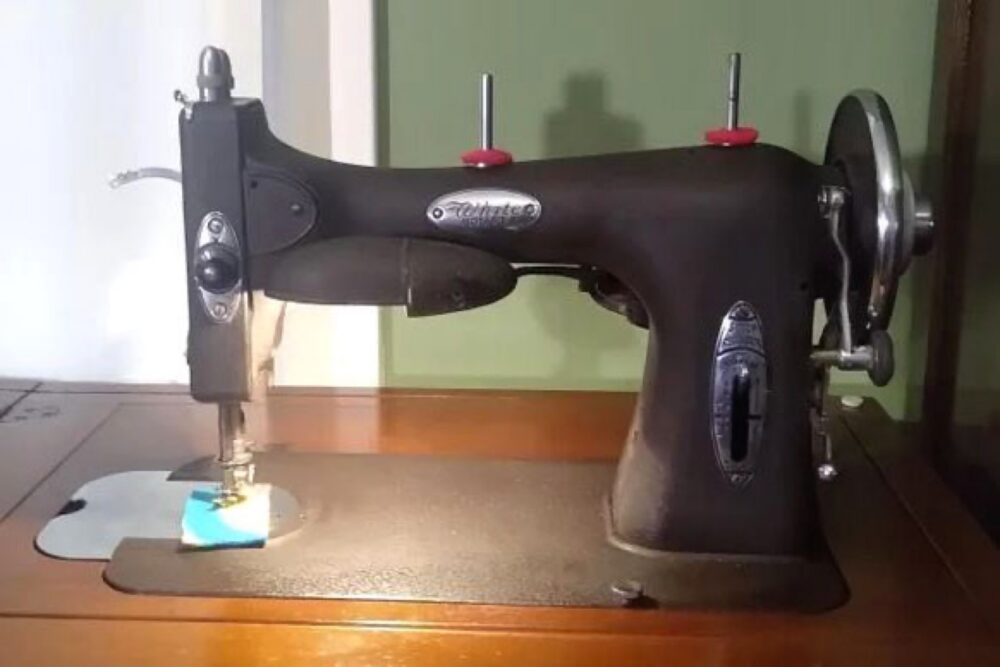
You’ll mostly find true White Rotary sewing machines on vintage and specialist sites, not on big general marketplaces. Genuine White Rotary and White Family Rotary models were made by the White Sewing Machine Company in the late 19th and early‑to‑mid 20th century, so today they surface as used or restored units on places like eBay, Etsy, and at niche restorers such as Pungo Living. DHgate is a large China‑based wholesale marketplace with millions of contemporary products, so you may see generic sewing machines there, but it’s not a reliable source for verified antique White Rotary listings.
What White Rotary Sewing Machines Are and Why That Shapes Where You Shop
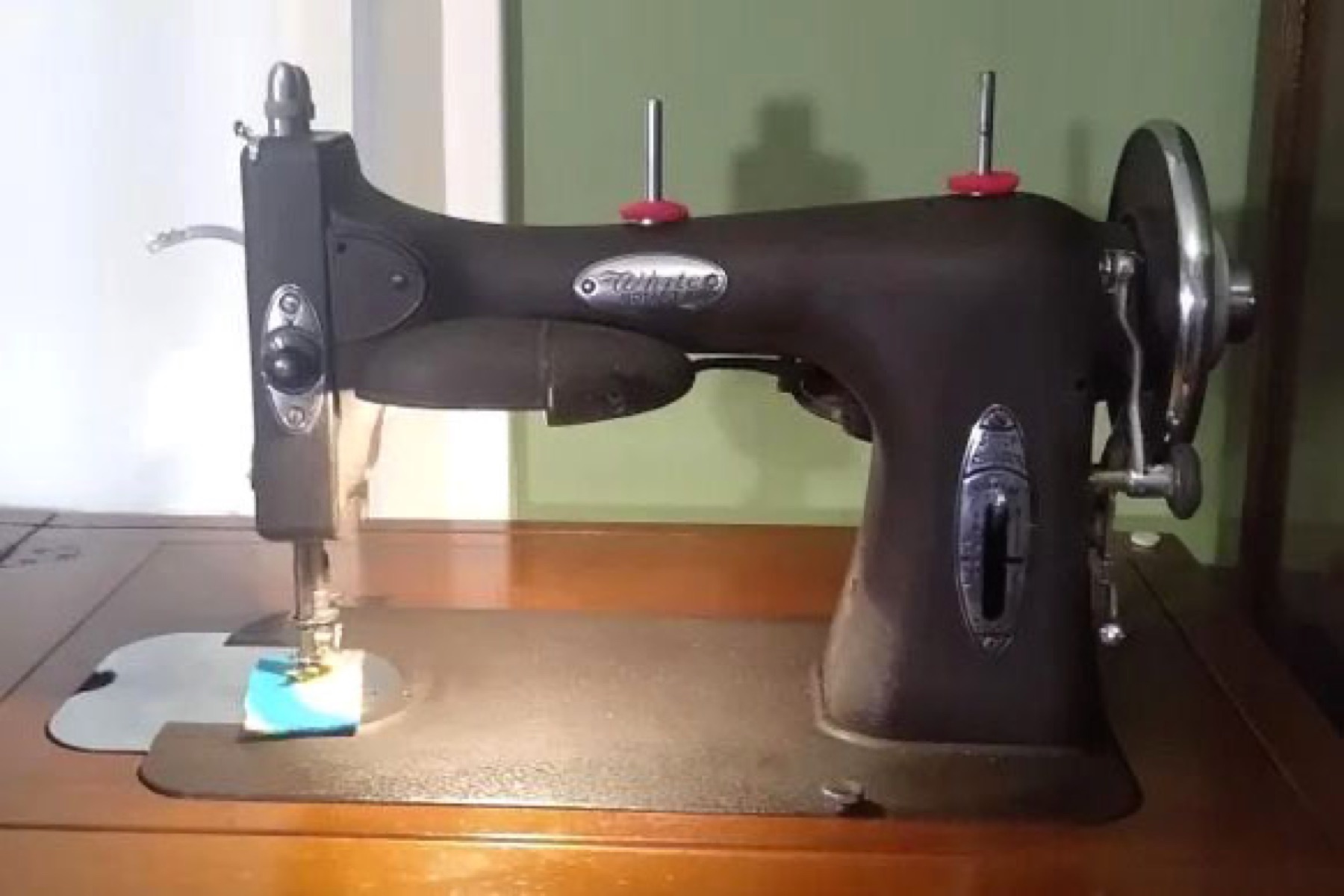
White Rotary machines are part of the vintage catalog from the White Sewing Machine Company, a historic U.S. brand that produced domestic machines for many decades.White Sewing Machine Company on Wikipedia These rotary‑hook models were built for durability and home use, often with cast‑iron bodies and mechanical drives. The “White Family Rotary” is a well‑known sub‑line, and you’ll see that name used in many listings.
Because production ended long ago, any White Rotary you encounter online will be:
- Used, unrestored: as‑is from an attic, estate sale, or local pickup.
- Partially restored: functional but missing some cosmetic touches or accessories.
- Professionally restored: cleaned, serviced, sometimes rewired, and sold as a turnkey vintage machine.
Specialist shops like Pungo Living’s White Family Rotary collection focus on that last category, offering machines that have already been worked through by a restorer. Repair shops such as TallySew’s rotary domestic models show how rotary machines live on in service and resale channels rather than mainstream new‑product marketplaces.
Buying Factors and Marketplace Fit (Including DHgate)
For White Rotary listings, the usual “is it cheap?” question matters far less than condition and originality. Before you decide which platform to use, get clear on these points:
- Mechanical condition: Does the seller state whether it sews, and what’s been serviced? Restorers like Pungo Living emphasize professional cleaning, adjustments, and often electrical work; that’s a very different proposition from a yard‑sale machine described as “untested.”
- Original parts and finish: Collectors care about original decals, paint, and hardware. Casual sewists may be fine with repainted or mixed‑part machines if they run smoothly.
- Completeness: Case, foot pedal, power cord, attachments, manuals. Sites such as ISMACS’ White manuals page show that documentation exists, but not every listing includes it.
- Intended use: A display piece for a studio, a working daily machine, or inventory for a vintage shop all demand different condition levels.
Marketplace fit depends on how much of that you want pre‑solved.
DHgate, described in its own editorial blog as a large wholesale marketplace connecting buyers to manufacturers in China and offering millions of products across apparel, electronics, and home goods,DHgate blog overview is optimized for contemporary mass‑produced items. That makes it useful if you’re sourcing modern sewing machines or generic parts in bulk, but you should not expect curated, documented White Rotary antiques there. If you ever see a “White” or “rotary” machine on DHgate, treat it as a generic modern product and verify specs carefully instead of assuming it’s a historic White Rotary.
Where You’ll Actually Find White Rotary Machines Online
Once you understand you’re hunting a vintage niche, the channel map becomes clearer. Here’s how major options tend to line up for U.S. buyers and small resellers.
1. eBay: Auctions and Fixed‑Price Vintage Listings
eBay regularly carries White Rotary and White Family Rotary machines. Listings appear as both auctions and “Buy It Now” items, often from individual sellers clearing out estates or small vintage dealers.
A typical pattern:
- Photos from multiple angles, sometimes with the machine threaded to show stitch samples.
- Condition phrases like “powers on,” “needle moves,” or “for parts or repair.”
- Shipping that reflects heavy weight and, sometimes, local pickup only.
Example: a seller might run a 1920s White Family Rotary in a wooden case as a 7‑day auction with a low starting bid because they don’t want to ship it twice. As a buyer, you’re trading price and variety for more work in vetting condition.
2. Etsy: Curated Antique and Craft‑Focused Sellers
On Etsy’s antique White Rotary category, you’ll see machines positioned more explicitly as vintage decor or restored tools. Many Etsy sellers specialize in antiques or craft gear, and their listings often highlight styling and story as much as function.
You might find, for instance, a restored White Rotary with polished metal, refreshed wood case, and a set of original attachments photographed like a lifestyle object. That can be appealing if you’re building a brand around vintage sewing, or want a machine that’s “ready for Instagram” as well as stitches.
Quick contrast with eBay for a similar White Family Rotary model:
- eBay: More likely untested, variable photo quality, flexible pricing via auction. Good for bargain‑hunting and parts.
- Etsy: More likely presented as fully or semi‑restored, higher emphasis on aesthetics, clearer positioning as a finished product for display or use.
3. Poshmark and Other General Resale Apps
Fashion‑leaning resale platforms sometimes surprise you. This Poshmark listing for a Vintage White Rotary shows that sellers occasionally post sewing machines alongside clothing and accessories.
These one‑off listings are useful if:
- You want a local or semi‑local pickup opportunity.
- You’re open to machines that may not be fully evaluated or restored.
They’re not reliable sources in volume, but they can be a nice catch if you already use these apps for sourcing inventory.
4. Specialist Restorers and Repair Shops
If your priority is turnkey function and authenticity, specialist channels deserve a close look:
- Pungo Living’s professionally restored White Family Rotary collection focuses specifically on high‑quality vintage machines that have been serviced for use.
- TallySew’s Domestic Model 151 rotary and other rotary listings show how repair shops both document and sell older machines.
These channels typically:
- Provide more detailed descriptions of work done (cleaning, parts replacement, electrical updates).
- Aim at buyers who want to sew, not tinker.
For a small ecommerce business, buying from a restorer can give you a more predictable baseline: you resell machines that actually work, perhaps with your own branding or value‑add, instead of gambling on every auction lot.
5. Used‑Item Aggregators and Classifieds
Sites that aggregate used listings (for example, regional classifieds and aggregator pages similar to the ones surfaced in search like “white‑rotary‑sewing‑machine” on used‑item sites) can help you spot local deals quickly. These channels tend to:
- Mix White Rotary machines with other brands and generic “old sewing machine” posts.
- Require in‑person inspection before you commit.
They’re best suited to buyers comfortable hauling machines themselves and doing at least basic mechanical triage.
Matching Channels to Your Buying Style
Here’s a compact way to think about channel fit:
| Online channel type | Typical machine condition | Listing style / detail level | Best fit for… |
|---|---|---|---|
| eBay auctions & fixed price | Unrestored to lightly serviced | Highly variable; many photos on good listings | Parts hunters, budget buyers, experienced tinkerers |
| Etsy vintage sellers | Decor‑ready, often semi‑restored | Curated photos, story‑driven | Buyers wanting display‑worthy or brandable pieces |
| Specialist restorers (Pungo, TallySew) | Professionally restored, tested | Technical detail about service work | Serious sewists, resellers needing reliable stock |
| Fashion/general resale apps (Poshmark) | One‑off, mixed condition | Short descriptions, casual photos | Opportunistic buyers, local pickup seekers |
If you’re a small ecommerce seller deciding between sourcing restored vintage vs. bulk modern machines, the trade‑off is clear:
- Restored White Rotary stock (from specialists or high‑effort Etsy/eBay finds) gives you unique, story‑rich inventory but limited scale and variable sourcing effort.
- Bulk contemporary machines (on wholesale marketplaces like DHgate) scale more easily and ship like any other modern appliance, but they’re not White Rotary in the historical sense and don’t carry the same vintage appeal.
If your brand promise revolves around authentic vintage, focus on the channels above. If you mainly need “retro‑looking” or simply affordable sewing machines in quantity, looking at modern options on broad marketplaces and reading our overview of what DHgate is and how the marketplace works may be more productive, with a clear understanding that those listings won’t be collectible White Rotary antiques.
For any marketplace route, your job is to match the listing style and typical condition on that channel to your end use: display, daily sewing, or resale. That’s where most of the value—and risk—really lives.