
If you searched for where to buy a coin screwdriver online and are considering DHgate, the most useful next step isn’t a list of shops—it’s knowing how to judge the tools and sellers yourself. This guide explains what coin screwdrivers typically look like, which specifications and materials matter, and how to use DHgate’s listing details, ratings, reviews, shipping information, and buyer protections to decide whether a particular offer is worth your money.
Reframe the search: what this guide helps you decide on DHgate
DHgate is an online marketplace where many independent sellers list tools and hardware, including coin screwdrivers, but this guide won’t point you to specific shops or product links. Instead, it focuses on buying literacy: understanding what a coin screwdriver is, which specs and materials matter, and how to read DHgate’s listing details, ratings, reviews, shipping information, and buyer protection policies so you can judge tools and sellers for yourself. If you decide to browse DHgate, the goal is for you to recognize suitable coin screwdrivers and more trustworthy sellers using these checks, while other marketplaces or offline stores remain outside the scope of this page.
What is a coin screwdriver and how is it typically used?
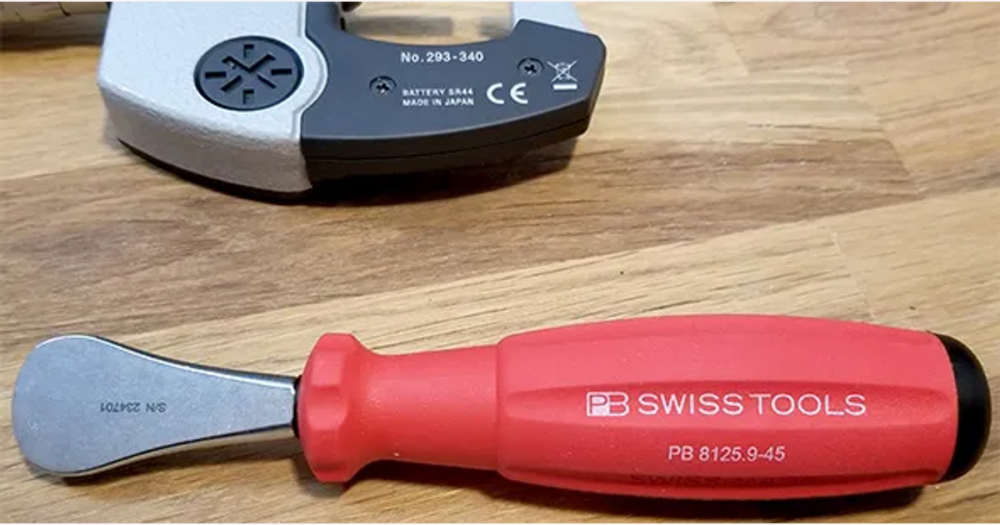
A coin screwdriver is usually a small flat-blade driver sized to fit wide, shallow straight slots—like the “coin” slots on some panel fasteners, coin-operated mechanisms, and similar hardware. The blade is typically narrow and flat rather than pointed, with a relatively short shaft that lets you apply controlled torque in tight spaces, and the handle is simple: often straight, stubby, or in a Swiss-style grip that’s easy to turn with your fingers. Exact dimensions vary by brand and design, so any measurements you see should be treated as examples rather than universal standards.
On DHgate you may see coin screwdrivers mixed in with other small drivers, multi-bit sets, or electronic precision tools. The key difference is that coin screwdrivers are optimized for those wider, shallow slots rather than tiny cross, star-shaped, or hex heads. Multi-bit or precision sets usually focus on very small, varied tip shapes for electronics and fine assemblies, while a coin screwdriver’s flat blade is meant to match a particular slot width. Listings may not always use the phrase “coin screwdriver,” so it helps to focus on the blade form and the fastener type mentioned in the description—anything described for wide slotted or coin-style screws is more likely to match the use case you have in mind.
Key specifications to check in DHgate coin screwdriver listings
- Match blade width and thickness to your screw’s slot: a blade that is too wide or too thick may not enter fully or can chew up the edges of the slot, while a blade that is too narrow or thin is more likely to twist, flex, or slip out.
- Check overall length so you have enough reach and leverage for where the screw sits—longer for recessed panels or cabinets, shorter or stubby for tight spaces where a full-length driver would be awkward.
- Assess handle style and texture (straight, stubby, or more ergonomic shapes) and imagine how it will feel in your fingers if you need to make repeated small adjustments; smoother handles can be harder to grip with oily or wet hands.
- Confirm whether you’re buying a single fixed coin screwdriver or a multi-bit set, and make sure the photos or description clearly show that at least one bit actually has the wide, flat “coin” profile you need rather than only very narrow precision tips.
- Read how the listing describes compatible fasteners or devices—such as panel screws, coin mechanisms, or other slotted hardware—and treat generic phrases like “universal,” “multi-purpose,” or “high precision” cautiously if they are not backed by clear dimensions or examples of use.
- Favor listings that give specific measurements (blade width and thickness, overall length) and concrete material details over those relying mainly on promotional language, and consider messaging the seller for clarification—or choosing a better-documented option—when key specs are missing or vague.
Typical materials and what they mean for durability and comfort
Most coin screwdrivers use a metal blade paired with a plastic, rubberized, or composite handle. The blade—the part that actually contacts the screw—is usually made from a hardened metal intended to resist bending and edge wear under normal hand torque. Handles can be smooth plastic, rubber-coated, or shaped with contours and ridges so your fingers can get a more secure hold.
There are straightforward trade-offs in these choices. A smooth plastic handle is typically easier to wipe clean and doesn’t absorb oils or dirt as readily, but it may feel slippery if your hands are sweaty or you need to apply more force. Rubberized or heavily textured handles often feel more secure and comfortable, especially for repeated adjustments, but the softer surface can scuff, peel, or fade over time.
On DHgate, material details may be described only in broad terms like “steel,” “alloy,” or “high-quality plastic.” Treat these as general cues rather than proof of superior durability, and be wary of listings that lean on phrases such as “super tough” without saying what the blade or handle is actually made from. I would rather choose a coin screwdriver with clear, specific material information than one with vague marketing claims, and when a listing is unclear, it’s safer to temper expectations or look for a better-documented alternative instead of assuming professional-grade performance.
Checking compatibility with your screws and devices
- Identify the actual screws or slots you need to turn. Coin-style fasteners usually have wide, straight slots on panels, access covers, or coin mechanisms. Note their approximate width and how deep the slot is.
- Measure or estimate the slot width and depth, then compare those numbers with any blade width and thickness given in the DHgate listing. Aim for a blade that fills most of the slot without being so tight that it jams or so loose that it rocks and slips.
- Check listing photos carefully to confirm that the working end is a flat, straight blade suited to your slots, not a very fine electronics tip or a cross- or star-shaped driver. Make sure the blade proportions look reasonable for the hardware you have.
- Use several related search terms on DHgate—such as “coin screwdriver,” “coin driver,” “coin slot driver,” or “flat mini screwdriver”—and then visually inspect candidates rather than relying only on the title to decide what type of driver they are.
- Treat any claim of “universal fit” or compatibility with many devices as marketing unless it is backed by clear dimensions and specific examples. If you are unsure about fit for your hardware, send the seller a message with your measurements and ask directly about compatibility before ordering.
Quality red flags in coin screwdriver listings
Signals of trustworthy DHgate sellers and realistic reviews
On DHgate, seller-level signals help you judge how much to trust a coin screwdriver listing. Start with the overall seller rating and the number of completed orders: higher ratings combined with a steady history of transactions suggest that buyers have generally received what they expected. Time active on the platform and detailed, consistent product descriptions are also important—when a seller clearly states blade width and thickness, materials, intended use, and shows coherent photos, it’s easier to compare the tool to your screws and spot any mismatch before buying.
Reviews are most useful when you read several for patterns rather than fixating on a single very positive or very negative comment. Look for specific remarks about build quality, how well the blade fit the described screws or coin slots, and what the shipping experience was like. Treat ratings and reviews as indicators, not guarantees—especially when there are only a few reviews or they are mixed—and weigh them alongside how clear the listing is and how the seller responds to questions.
I would personally give extra weight to sellers who provide precise specs, answer buyer messages, and maintain moderate-to-high ratings over time, even if their prices sit above the cheapest options. A slightly higher price from a transparent seller is often worth it compared with an unclear listing from a low-information seller that leaves key details unresolved.
Step-by-step checklist for buying a coin screwdriver on DHgate
- Identify your use case by looking at the actual screws or coin slots you need to turn and noting their approximate width and depth, plus how much space you have around them for a handle and shaft.
- Search DHgate with relevant terms such as “coin screwdriver,” “coin slot driver,” or “flat mini screwdriver,” then compare blade width, thickness, overall length, and handle style in the listings against your hardware and comfort preferences.
- Review each listing’s material descriptions and level of detail, favoring tools with clear specs, straightforward photos, and realistic wording over vague claims of “high-quality metal” or “professional-grade” performance without measurements.
- Check seller reliability by looking at ratings, transaction history, and the tone and specificity of buyer reviews for similar tools, giving more weight to sellers with steady, well-documented records.
- Consider total cost and timing by combining item price, shipping fees, the stated delivery window, and any customs or import notes that may apply to your location so you’re not surprised later.
- Before you place the order, confirm which payment methods DHgate supports for that seller and skim DHgate’s current dispute and refund information in the help or policy pages so you understand how problems like late delivery or mis-described items are handled.
Marketplace risks: shipping, customs, and disputes on DHgate
FAQ: naming, bundling, and search tips for coin screwdrivers on DHgate
What names might DHgate sellers use for coin screwdrivers?
DHgate sellers don’t follow a single naming standard, so coin screwdrivers can appear under titles like “coin screwdriver,” “coin driver,” “coin slot driver,” “slot screwdriver,” or “flat mini screwdriver.” Some listings may just mention “flat-head” or “slotted” drivers without saying “coin.” To avoid missing relevant tools, try several related search terms and then check the photos and description to confirm the blade is a wide, flat style suited to coin-slot or similar straight-slot fasteners.
Are coin screwdrivers on DHgate usually sold alone or in sets?
There is no universal pattern: some DHgate listings offer a single fixed coin screwdriver, while others sell multi-bit sets where one of the bits has a coin-style flat profile. The bundle depends entirely on the individual listing. Read the inclusions or package contents section carefully and compare it with the photos so you can see whether you’re getting one driver, several drivers, or a set of interchangeable bits that merely includes a coin-style tip among others.
Do coin screwdrivers typically come with a protective case or holder on DHgate?
Cases, sleeves, and holders are not standard for coin screwdrivers on DHgate. Some sets may include a storage box, pouch, or bit organizer, while many single drivers are sold without any extra accessories. Treat accessories as seller-specific: rely on the written contents and images to see what’s included, and don’t assume a case or holder is provided unless the listing clearly shows or states it. If having a protective case matters to you, message the seller before ordering to confirm exactly what comes in the package.
How should I combine search terms and listing details to find the right coin screwdriver on DHgate?
Start with several search terms that match your use case, such as “coin screwdriver,” “coin slot driver,” “slot screwdriver,” or “flat mini screwdriver,” and then narrow your options by inspecting the blade shape, width, and thickness in photos and descriptions. Focus on whether the blade profile matches the wide, shallow slots you need to turn, and use the listing’s dimensions or ask the seller for measurements when they are not provided. This approach helps you find suitable tools even when naming or translation varies between sellers.