
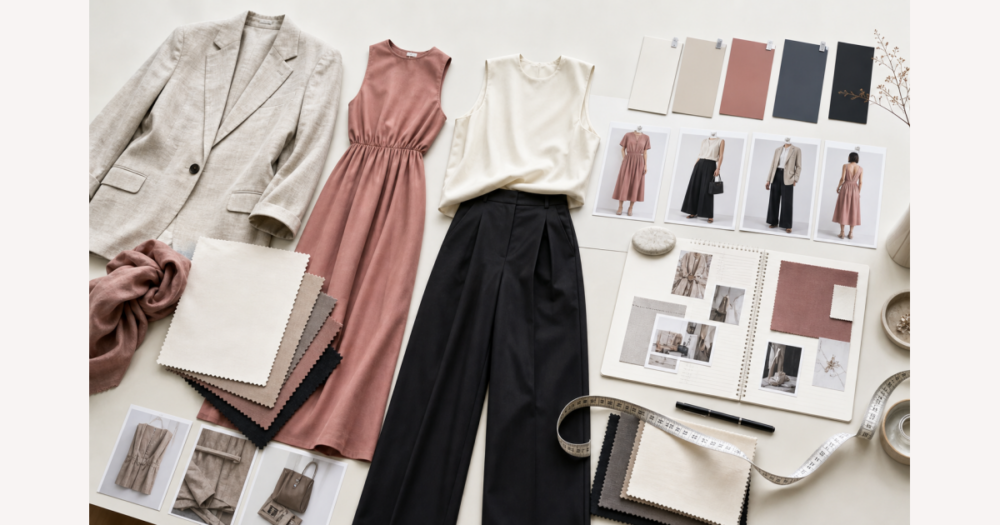
On DHgate, a “vintage” or “retro” label usually says more about style than proven age or authenticity. Treat those words as a starting clue, then focus on the concrete details in each listing. This guide shows you how to interpret the labels, assess fabric, construction, and condition, and use measurements and photos to judge whether a piece is likely to feel good, fit, and hold up—without relying on brand hype or specialist knowledge.
What “vintage” usually means on DHgate listings
Words like “vintage,” “retro,” “old school,” and “secondhand” are marketing shorthand on DHgate, not guarantees of age or authenticity. Sellers use them in different ways, so a “vintage” tag alone doesn’t tell you exactly what you’re getting.
In practice, you’re likely to see three broad types of items under these labels. First are genuinely older garments: pieces made years or decades ago, sometimes with era-typical cuts, older brand labels, and signs of long-term wear or repair. Second are modern used clothes being resold, which may only be a few seasons old but are described as “vintage” for style or appeal. Third—and very common on DHgate—are brand‑new garments made to look vintage, often called vintage‑inspired or retro reproductions, with modern fabrics and construction but a nostalgic print, wash, or silhouette.
Because sellers don’t always separate these categories clearly, many listings tagged as “vintage” or “retro” are actually new, vintage-inspired pieces rather than true one‑off finds. Labels like “authentic,” “original,” or “90s” in a title should be treated as clues to investigate, not proof. For anything claiming to be genuinely old, you would look for supporting details in the photos and description, such as older‑style care tags, unusual cuts, or visible wear patterns—but even these hints can be copied or staged, so they don’t replace proper documentation.
If your goal is to build a comfortable, interesting wardrobe, I would treat “vintage” on DHgate mainly as a style cue and focus on whether the listing shows a well‑made piece with clear photos, fabric information, and measurements. If you’re a serious collector who needs documented provenance or precise era verification, DHgate is better suited to finding wearable, vintage‑inspired clothes than museum‑grade collectibles, because the platform doesn’t typically provide enough evidence to prove an exact year or production run.
The practical next step is to move beyond the buzzwords and read each listing like you would inspect a garment in person—starting with fabric, construction details, measurements, and condition notes, which you can usually infer from the description and photos.
Key details to check in vintage-style clothing listings
- Fabric composition: Look for a clear fabric breakdown (for example cotton, denim, wool, polyester, or blends) in the description. Natural fibers like cotton, linen, and wool usually feel breathable and can drape softly, while synthetics like polyester or acrylic are often lighter, less breathable, and may pill faster. A specific fabric list is a good sign that the seller pays attention to materials; vague terms like “mixed fabric” leave more uncertainty about comfort and durability.
- Construction details: Zoom in on seams, hems, and edges in the photos to see how the garment is put together. Straight, even stitching, finished hems, secure buttons, and smoothly set zippers suggest sturdier construction, while loose threads, crooked seams, or wavy hems can indicate rushed workmanship. Visible repairs, patches, or replaced buttons can be part of the charm for true vintage, but they should match what the seller says about condition.
- Sizing and measurements: Rely more on the size chart and measurements than on tags like S/M/L, especially for older patterns or vintage-inspired cuts that don’t follow modern fast‑fashion sizing. Key measurements to check include shoulder width, chest or bust, garment length, waist, hip, and sleeve length. Compare these numbers to a similar garment you already own or to your own body measurements to judge how the piece is likely to fit.
- Design details: Notice collars, cuffs, pleats, darts, and printed graphics, since these elements often define the vintage look and change how a piece sits on the body. A high, structured collar or strong shoulder line will feel different from a relaxed, dropped-shoulder tee; deep pleats or full skirts add volume and movement that you may or may not want in everyday wear.
- Condition terms and wear: Read condition phrases like “like new,” “gently worn,” or “signs of wear,” and then check that the photos support those claims. Look closely for fading, pilling, stains, frayed edges, loose threads, stretched cuffs or necklines, and any repaired spots. For genuinely older garments, some wear is normal, but it should be clearly visible so you can decide whether you’re comfortable with it.
- Color and photo checks: Remember that lighting, filters, and different screens can shift how colors and textures appear. Review multiple photos if available—ideally taken in natural light—and note any seller disclaimers about color differences. If a garment looks very different across photos, or if only heavily edited images are provided, factor that uncertainty into your expectations before ordering.
- Overall clarity: Treat detailed information about fabric, construction, measurements, and condition as a positive signal. Listings that show multiple angles, close‑ups of key areas, and precise measurements make it easier to imagine how the garment will feel and wear, and are more likely to result in a piece you enjoy wearing.
A simple pre-order checklist for DHgate vintage finds
- Skim the title and tags first. Note whether the seller calls the garment vintage, secondhand, or new vintage-inspired and whether they mention a decade or style (for example “90s,” “Y2K,” or “retro”). Treat these words as clues about the look and possible age, not as proof that the piece is truly from that era.
- Read the description carefully for fabric composition, lining, and basic care information. Prioritize listings that clearly state materials (such as 100% cotton, denim, wool blend) and how to wash or care for the item. When the description is vague about fabric or missing basics you consider important, it’s safer to pause or skip that listing.
- Compare the size chart and detailed measurements with your own body measurements or with a similar garment you already own. Check shoulder width, chest or bust, waist, hips, length, and sleeve length, and watch for notes about slim, oversized, or cropped cuts that are common in vintage or retro designs. Rely on the numbers more than on tags like S/M/L.
- Inspect all available photos, zooming in on seams, hems, collars, prints, and any close‑ups of wear. Look for stitching quality, finished edges, and any visible flaws such as fading, pilling, stains, or repairs. Be cautious if the listing only shows heavily edited, filtered, or very distant images, because they make it harder to judge real condition and color.
- Check seller ratings, review counts, and buyer photos next. Reviews that mention condition accuracy, sizing, and color differences are especially useful for vintage-style pieces. Prefer sellers whose past buyers say the item matched the description and photos, and be wary when feedback repeatedly mentions misleading images or unexpected wear.
- Glance at shipping times, stated return or dispute options, and any notes about final sale or no returns before paying. Longer cross‑border shipping and limited returns mean it may take time to fix problems, so make sure you know how to access DHgate’s buyer protection and dispute tools in case the garment arrives very different from expectations.
- Use this same sequence every time you consider a vintage-style item on DHgate. Building the habit of checking title, description, photos, seller history, and logistics together makes it easier to spot weak listings early and focus on pieces that are more likely to feel good, fit, and hold up in real life.
Common risks when buying “vintage” on DHgate
How to judge DHgate sellers for vintage-style items
- Balance rating and history. A seller with a solid but not perfect score and many completed orders is usually more informative than one with a flawless rating from only a handful of transactions. On DHgate, I pay more attention to patterns over time than to a single number.
- Read comments for honesty about condition. Scan reviews for mentions of stains, odors, repairs, fading, or “exactly as described.” Repeated complaints about hidden flaws or pieces looking cheaper than the photos suggest that the seller’s descriptions are too optimistic.
- Study buyer-uploaded photos. These real-life images reveal how fabrics drape, how colors look in normal lighting, and how much wear is visible. If buyer photos consistently match the listing pictures, that’s a good sign; big gaps between them are a warning.
- Look for careful listing details. Reliable sellers of vintage-style clothing tend to provide specific size charts, clear fabric and care information, and straightforward notes about flaws such as small holes or faded prints. Mentioning how they handle returns or disputes upfront also shows they expect to be accountable.
- Watch for red flags in presentation. Be cautious with sellers who copy‑paste the same generic description across many items, never mention materials, or only use stock-style or heavily edited images for supposedly unique pieces. That mismatch makes it harder to know what will arrive.
- Favor specificity over hype. When I choose between sellers, I would rather buy from someone who writes precise, consistent descriptions and answers questions clearly than from someone making dramatic authenticity claims with vague information. The seller’s communication habits are part of the quality check for any vintage-style listing on DHgate.
Choosing between true vintage and vintage-inspired pieces
On DHgate, genuinely older garments—when they appear—often behave very differently from modern clothes. Cuts can be shorter, narrower, or oddly proportioned compared with today’s sizing, and measurements may not line up neatly with your usual size. Visible wear such as fading, soft frayed edges, or small repairs can feel like character if you enjoy the lived‑in look, but it can also limit how and where you feel comfortable wearing the piece.
Evidence for exact decades or brands is usually thin on marketplace listings. A tag might mention a name or show an old‑style logo, yet the listing rarely includes independent proof of the claimed year or collection. Without specialist knowledge or extra documentation, it’s hard to treat an “authentic 80s” claim as anything more than the seller’s description, so true collectors should assume some uncertainty.
Vintage‑inspired or reproduction items, by contrast, are typically new garments that borrow older silhouettes, prints, or washes while using modern patterns and manufacturing. They tend to follow contemporary sizing systems, so detailed size charts are more likely to match what you receive, and they arrive without prior wear. The trade‑off is that fabrics and construction may feel more like everyday fast fashion than museum pieces, even if the look nods to another era.
If your top priority is uniqueness and you enjoy quirks, you might experiment with pieces that appear genuinely older and are transparently described, accepting that fit and condition may be less predictable. If you mainly want the vintage look with reliable comfort and easier sizing, it usually makes more sense to focus on well‑described vintage‑inspired clothing and judge it like any other new garment. I personally lean toward pieces that are clearly described, comfortable, and wearable, even if their “vintage” status is mostly about style; someone seeking documented provenance and specific eras will likely be better served by specialist channels outside DHgate.
Easier vintage-style categories to start with on DHgate
- Start with graphic T‑shirts and sweatshirts. Sizes are usually simple (S/M/L etc.), minor fading or cracking on prints can feel intentional, and you can wear them slightly oversized or layered without the fit needing to be perfect.
- Try casual tops with relaxed cuts. Boxy tees, loose shirts, and simple knit tops are more forgiving because they don’t rely on precise tailoring; a few centimeters’ difference in the measurements is less noticeable in everyday wear.
- Look at sturdy denim pieces such as relaxed‑fit jeans, denim skirts, or jackets. Denim is designed to tolerate visible wear, fading, and creasing, and you can often style slightly off sizing with belts, rolling hems, or layering over other clothes.
- Consider casual outerwear like denim jackets, bomber jackets, or roomy coats. These pieces are typically worn over other layers, so you have more flexibility if the shoulders or sleeves are a bit bigger or smaller than expected.
- Approach fitted dresses and tailored blazers more cautiously at first. These rely on precise measurements at the shoulders, waist, and hips, and even small errors or hidden alterations can make them uncomfortable or unflattering.
- Treat delicate fabrics such as silk, lace, or very thin knits as advanced choices. They can hide snags, small holes, or thinning that photos don’t show clearly, and they’re less forgiving of rough handling during shipping or everyday wear.
- Use these starter categories as a way to learn how DHgate listings and sellers behave. I prefer beginning with pieces that are easy to style and comfortable, then moving into more fitted or fragile garments once I’m confident about how a seller describes measurements, fabrics, and condition.
FAQ: Collecting, pricing, and dealing with disappointments
Is DHgate a good place for serious vintage collectors?
DHgate can surface interesting vintage-style pieces and occasional genuinely older garments, but listings rarely include the detailed documentation a serious collector would want—such as verified provenance, exact production years, or expert grading. If your priority is museum-level authenticity or specific eras and labels, DHgate is better treated as a source of wearable, value-for-money pieces, while highly specialized collecting is usually safer through dedicated vintage dealers, auction houses, or specialist platforms.
Why do similar-looking vintage-style items on DHgate have very different prices?
Price differences often come from factors like fabric quality (for example, heavier cotton versus thin synthetic blends), construction details, complexity of prints or washes, claimed brand status, and the seller’s reputation or marketing strategy. Some sellers charge more for clearer photos, detailed descriptions, and perceived reliability. On DHgate, a higher price is not automatic proof of better quality or authentic vintage status, so it’s worth comparing materials, stitching, measurements, photos, and buyer reviews across listings instead of assuming that the most expensive option is best.
What can I do if the garment I receive is more worn or different than described?
First, document the issue clearly by taking photos of any unexpected wear, damage, color differences, or sizing problems, ideally alongside the item description or size chart for context. Contact the seller through DHgate’s messaging system, explain the differences briefly and politely, and share your photos to see if you can agree on a solution such as a partial refund, replacement, or return. If you can’t resolve the problem directly, you can open a dispute or use DHgate’s buyer protection tools within the order’s time limits, following the platform’s guidance to submit your evidence and request a resolution.