
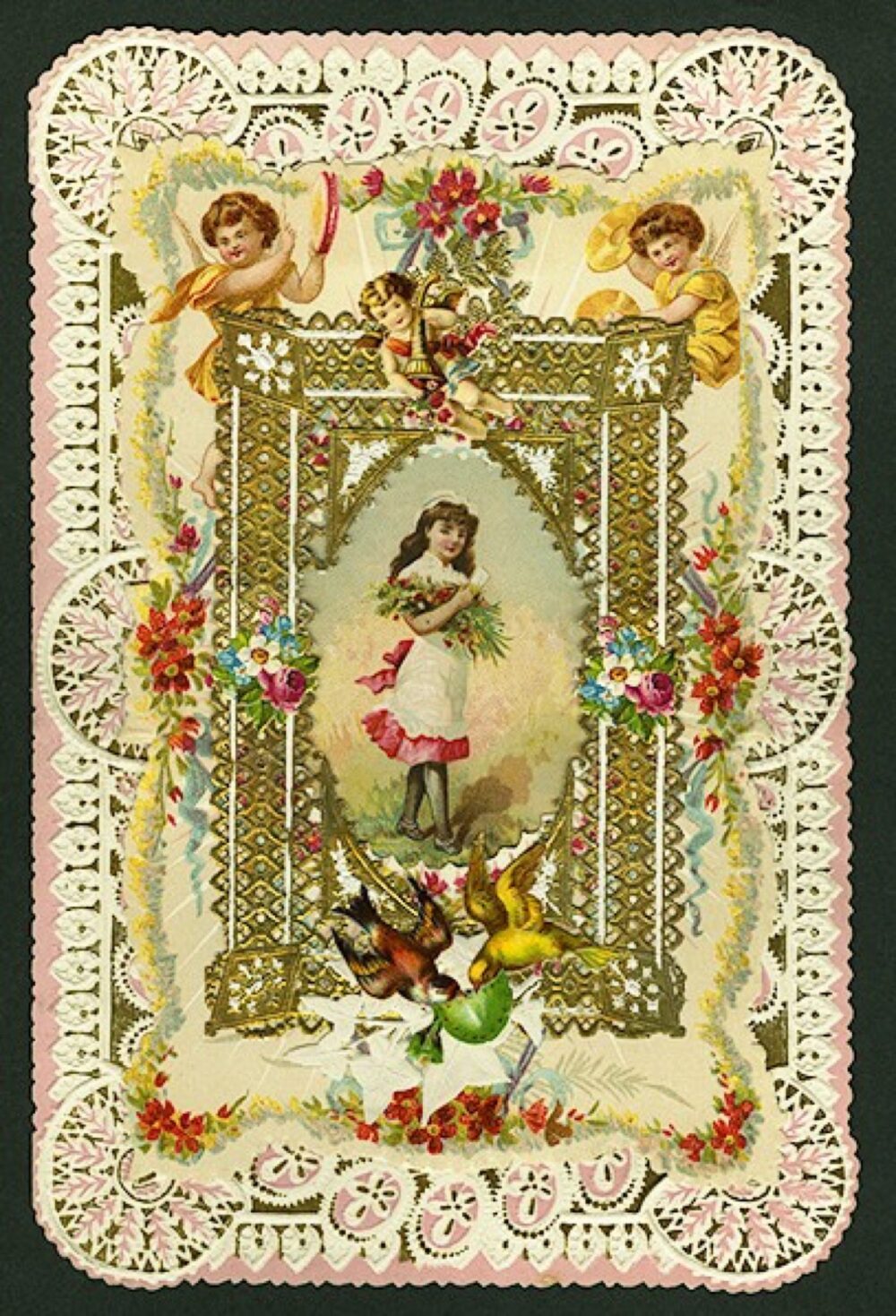
Valentine’s Day pop-up cards are best chosen by matching the 3D design and build quality to the person you’re giving them to—or to the customers you’re selling to. For an intimate, keepsake moment, intricate designs from premium brands like Lovepop or Hallmark feel very different from the simpler pop-ups you’ll see in bulk packs at Walmart. If you need larger quantities or niche themes, cross-border marketplaces such as DHgate can be relevant for sourcing varied designs at potential per-card savings, but they’re usually not the right answer for last‑minute, single gifts.
Pop-up cards rely on an engineered structure that rises or unfolds when the card opens. For Valentine’s, that structure usually turns into a bouquet, a tree of hearts, a character scene, or a love-themed “explosion” of panels, so the card feels more like a tiny gift than just stationery. They work especially well for:
- Romantic partners, where the interaction and display value matter.
- Kids or classrooms, if you choose sturdier, playful designs that can be opened many times.
- Ecommerce customers, who are often paying for something that looks impressive in photos and feels special when unboxed.
Pop-up cards don’t replace every flat card—if you’re writing a long note or mailing dozens of basic greetings, a simple flat card might be more practical. But when you want one standout piece or a small curated line, the 3D format gives you more visual impact per card.
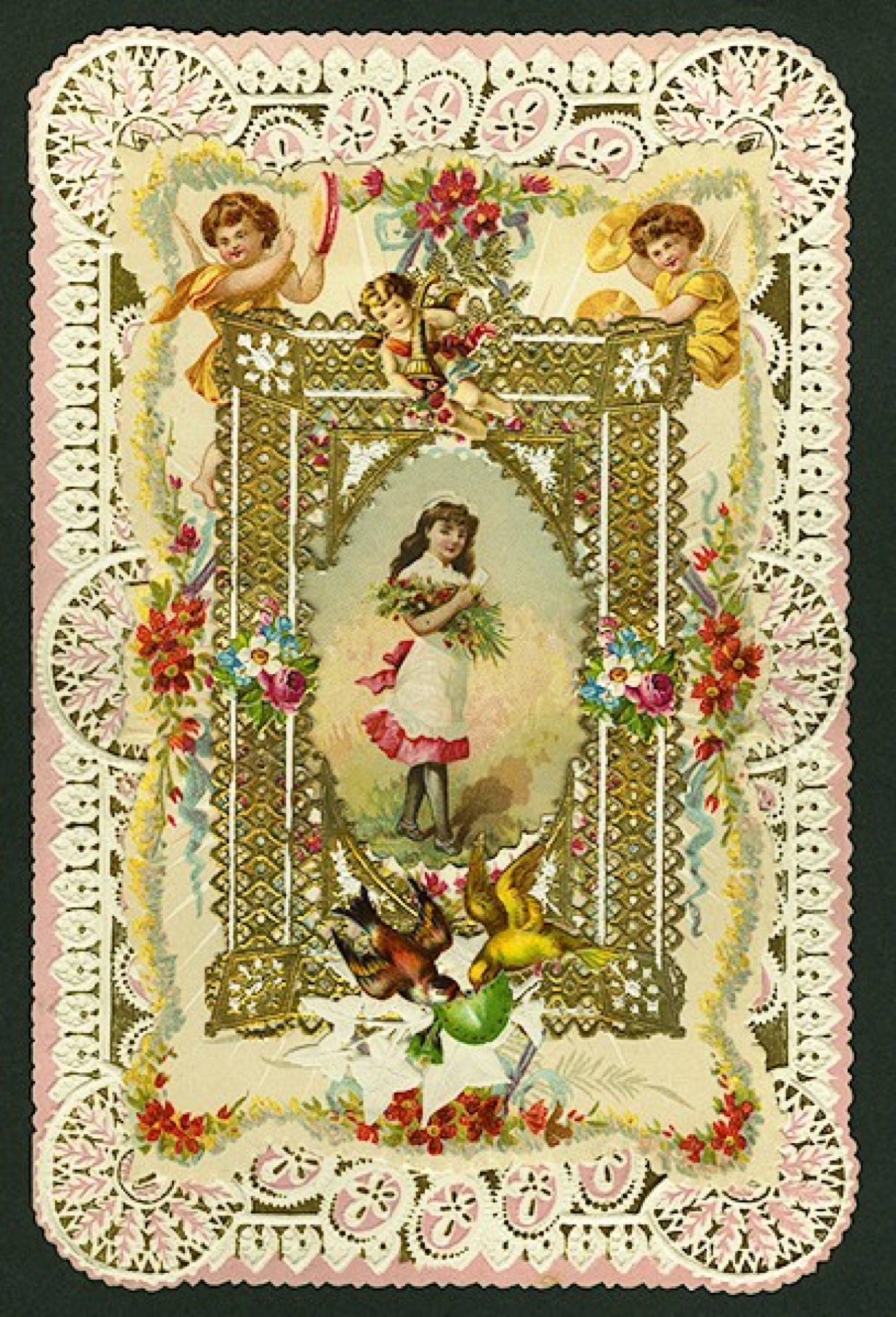
Pop-up Valentine formats, size, and material choices
You’ll see a few common 3D formats as you browse Valentine’s cards online.
Premium brands like Lovepop’s Valentine collection and PopLife focus on elaborate constructions you can see in their product photography and descriptions, for example on Lovepop’s Valentine pages.
- Explosion cards – Multiple panels or layers that flare outward when opened. Lovepop’s love-themed explosion designs use detailed cut pieces and layered hearts for a dramatic reveal.
- Basket or bouquet cards – A central 3D bouquet or basket shape rising from the fold, often with many individual flowers or hearts assembled on heavier cardstock.
- Tree of hearts or scene cards – A freestanding tree of hearts, or a character scene (cats, couples, mailboxes) that sits upright and tells a mini story.
Mass retailers such as Walmart’s Valentine pop-up card section, visible on their Valentine’s pop-up card listings, tend to carry simpler versions:
- Fewer layers and moving parts.
- More generic motifs (basic hearts, “Happy Valentine’s Day” messages).
- Constructions that still pop up, but with less intricate cutting or assembly.
From a buyer’s standpoint, you’re really comparing four things: format, size, paper, and artwork complexity.
Quick comparison by occasion and impact
Here’s a condensed view of how three formats usually feel in real use:
| Pop-up format | Best for | Perceived impact (gift-like vs simple) | Mailing & storage practicality |
|---|---|---|---|
| Explosion card | Romantic partner, premium gift | Very high – feels like a mini sculpture | Bulky; may need padding in mail |
| Bouquet/basket card | Partner, close friends, parents | High – displayable centerpiece | Moderate; fits in larger envelope |
| Simple heart pop-up | Kids, coworkers, bulk sets | Moderate – fun but straightforward | High; usually standard envelope |
For a single, important Valentine (spouse, long-term partner), an explosion or bouquet card from a premium brand tends to feel like a keepsake. For classroom exchanges or add‑on items in an online store, simpler heart or character pop-ups are more cost-effective and easier to ship.
On materials, premium cards visibly use heavier cardstock and more precise cutting. Lovepop and Hallmark’s Valentine pop-ups often show crisp edges, multi-layer constructions, and rich printing or foil details in their product photos. Budget cards frequently have flatter printing, fewer layers, and thinner paper; they still work, but they don’t stand up as well to repeated opening or long-term display.
For ecommerce sellers, that difference shows up in customer reactions: people are responding to how substantial the card feels in hand compared with the listing photos. If your product photos emphasize intricate detail and a big pop-up moment, you need the underlying paper and construction to back that up.
How to judge quality and pick a buying channel
Once you know the type of card you want, the next step is deciding where to get it and what “quality” looks like in that context.
Practical quality signals
When you look at product pages from brands like Lovepop, PopLife, Hallmark, and Walmart, pay attention to:
- Close-up photos of the pop-up structure – Are the cuts clean? Do small pieces look sturdy, or flimsy and bend-prone?
- Card footprint and envelope size – Larger, heavier cards feel premium but cost more to ship or mail.
- Interior writing space – Some pop-ups devote most of the interior to the 3D structure, leaving only a small area for your message.
- Theme specificity – A “Happy Valentine’s Day” tree of hearts card works for many recipients; a very specific pet or hobby theme may delight some buyers but limit your audience.
For small ecommerce businesses, two extra checks matter:
- Does the design photograph well from multiple angles? Explosion and bouquet cards usually look more impressive in lifestyle shots than simpler pop-ups, which can help click‑through and conversion.
- How forgiving is it in transit? Very delicate structures with many narrow elements can arrive bent if not packaged carefully. Simpler heart or character scenes are less risky for standard mailers.
If you’re planning broader Valentine inventory, it can also help to see how other card-based gifts are positioned in the market. For example, Smart Gift Guide’s overview of popular Valentine’s pop-up cards highlights how different card formats are framed for romance versus lighthearted gifting.
Comparing US brands, big-box retailers, and cross-border marketplaces
You essentially have three broad channels for Valentine’s pop-up cards:
- Premium US brands (Lovepop, PopLife, Hallmark) – Strong choice for single, meaningful gifts or a small curated catalog where perceived value is key. You’re paying for design, heavier cardstock, and brand recognition.
- Mass retailers (Walmart, similar chains) – Good for budget-conscious buyers, classroom sets, or low-price ecommerce bundles. Designs are more generic and build quality varies, but availability is straightforward inside the US.
- Cross-border marketplaces (including DHgate) – DHgate describes itself, in its greeting card editorial, as a global marketplace where creators can reach diverse buyers with unique designs and competitive pricing.Source That positioning can make sense if you’re sourcing bulk Valentine’s cards, experimenting with niche themes, or trying to reduce per-unit costs.
Cross-border marketplaces are usually best suited to:
- Buyers who have enough lead time before Valentine’s Day to handle international shipping and any back-and-forth with sellers.
- Small ecommerce brands testing new card themes or bundles where variety and cost per card matter more than a famous logo on the back.
They are less ideal for:
- Last‑minute single gifts where timing is your top priority.
- Situations where you want a well-known card brand as part of the gesture itself.
Because DHgate is a marketplace with many independent sellers rather than a single card brand, any quality or reliability judgment has to be made at the listing level. That means looking closely at real‑world photos, reading buyer comments for mentions of paper feel and pop-up sturdiness, and deciding whether the design, price, and risk trade-off fit your Valentine plan.
If you want more detail on how exploding formats behave across different channels, see How to Choose Exploding Greeting Cards Online for format-specific trade-offs. And if you’re building a broader Valentine assortment, the guide to San Valentín cards and shopping lovers can help you position pop-up cards alongside other themed gifts.
For additional DHgate platform context, use What DHgate is and how the marketplace works, Find trusted sellers on DHgate, and Review the DHgate order-readiness checklist.
Finally, if your Valentine inventory leans heavily into character or animal themes, the overview of raccoon Valentine’s cards and gifts offers another angle on choosing designs that read clearly in photos and still feel special when opened.