
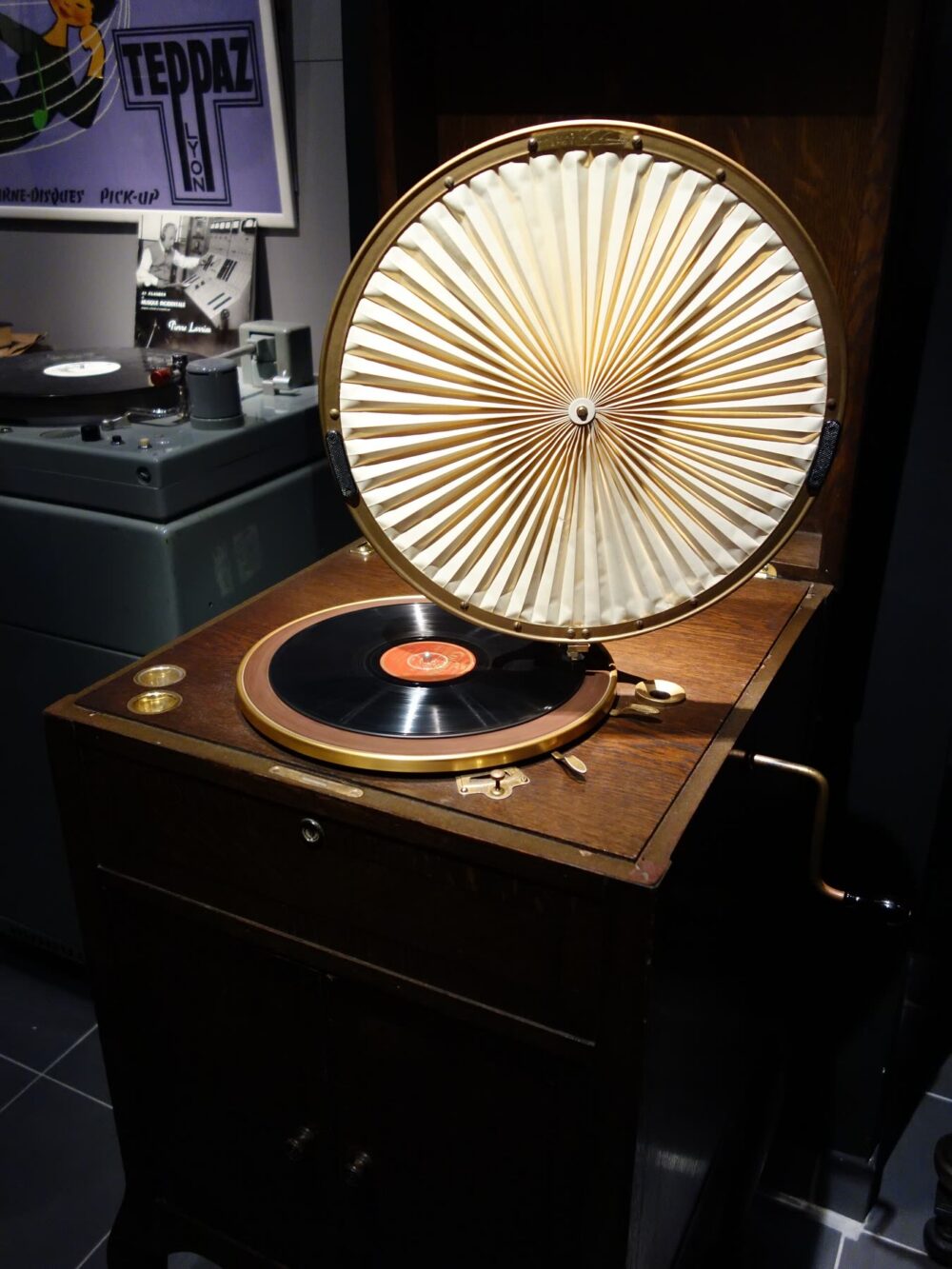
If you want the right record player, start by deciding how you’ll actually listen: will this be a stylish all‑in‑one in your living room, a more serious turntable feeding good speakers, or a portable box you can carry around? From there, you choose a drive type (belt‑drive for quieter motors, direct‑drive for durability and speed stability), how automated you want it to be, and whether you need extras like Bluetooth or built‑in speakers. DHgate and other marketplaces can be useful sources, but your real protection is understanding these specs and vetting each listing carefully.
Start With How You’ll Use Your Record Player
A “record player” can mean anything from a suitcase unit with tiny speakers to a separate turntable that’s part of a full hi‑fi system. The right choice depends on how you’ll use it.
Core setup styles:
- All‑in‑one record player: Turntable + built‑in speakers in one box. Common in Crosley‑style suitcase units and compact retro players. Plug it in, drop a record, sound comes out. Great for decor‑first and casual listening.
- Turntable as a component: Just the spinning part with tonearm and cartridge. You connect it to an amp/receiver and external speakers. This is where budget audiophiles and serious collectors usually land.
Think through these three simple profiles:
- Decor‑first listener: You want something that looks cool on a shelf, plays a few records on weekends, and maybe has Bluetooth. An all‑in‑one unit or entry‑level turntable with built‑in preamp is fine.
- Budget audiophile: You care about soundstage and detail, you’re building a small system, and you plan to buy more records. A separate turntable, an amp (or powered speakers with phono input), and decent cartridge make more sense.
- Portable user: You want to carry a player between rooms or take it to small gatherings. A compact all‑in‑one with built‑in speakers and a handle is practical, even if sound quality is modest.
Most entry‑level brands like Crosley are known for being affordable and easy to use, not for chasing high‑end audiophile performance. That’s fine if you’re in the first or third group; if you’re closer to “budget audiophile,” a more audio‑focused turntable is a better fit.
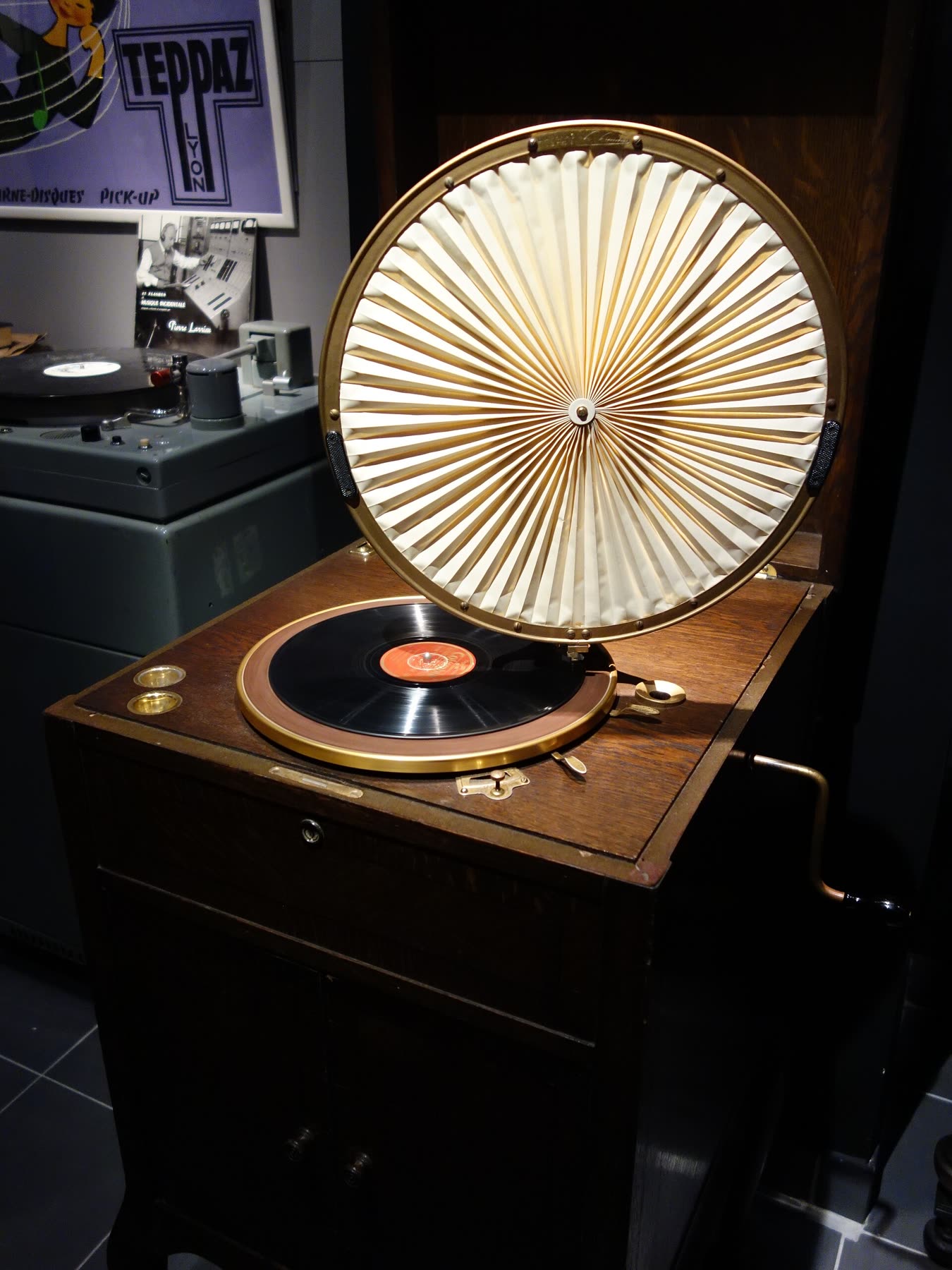
Specs and Features That Actually Matter
Once you know your usage, the specs stop feeling like random jargon. Here’s what to pay attention to and why.
Drive type: Belt vs direct drive
Turntables use one of two common drive systems:
- Belt‑drive: A rubber belt connects the motor to the platter. In audio circles, belt‑drive is widely liked because the belt helps isolate motor vibration, so there’s typically less motor noise in what you hear.
- Direct‑drive: The platter sits right on the motor. This design is known for durability and very stable speed, which DJs and heavy users appreciate.
For home listening, belt‑drive is a good default starting point; direct‑drive shines if you prioritize toughness and long‑term speed accuracy over absolute noise isolation.
Platter, tonearm, and cartridge: Where sound quality really comes from
Three physical parts matter more than any logo on the lid:
- Platter: Heavier platters tend to resist vibration and keep rotation steadier, which helps the stylus track the grooves more accurately.
- Tonearm: A well‑built tonearm moves smoothly and keeps proper tracking force, reducing mistracking and wear on your records.
- Cartridge and stylus (needle): This is the “pickup” that turns grooves into sound. Better cartridges generally give clearer detail and more accurate sound.
You don’t need lab specs, but you do want a player where these parts aren’t flimsy plastic. On a marketplace listing, look for close‑up photos of the tonearm and cartridge and a mention that the cartridge is replaceable. Even entry‑level “good record players” emphasize these pieces.
Manual vs automatic operation
Record players can be:
- Manual: You lift the tonearm and place the needle yourself, then lift it again when the side ends.
- Automatic: The player uses an internal mechanism to move the tonearm onto the record and/or lift it off at the end.
Automatic units are easier if you’re new to vinyl or don’t want to worry about dropping the needle. Manual players give more hands‑on control and a slightly more “involved” experience. Neither is objectively better; it’s about what you’re comfortable doing every time you play a record.
Bluetooth, built‑in speakers, and other conveniences
Modern record players can mix analog with digital features:
- Bluetooth output: Sends turntable audio to Bluetooth speakers or headphones.
- Bluetooth input: Lets you stream music from your phone through the player’s speakers.
- Built‑in speakers: Handy for small spaces; expect limited bass and overall volume.
- USB output: For recording vinyl to a computer.
These are genuinely helpful if you’re decor‑first or portable, but they can hide weak core hardware in cheaper units. A common risk in low‑cost, cross‑border listings is a stylish cabinet with very light platter, basic ceramic cartridge, and small internal amp that sounds thin or distorts at higher volume.
Here’s a quick feature table tied to real use cases:
| Listener type | Drive preference | Automation choice | Extras that help |
|---|---|---|---|
| Decor‑first casual | Belt‑drive | Automatic | Bluetooth input, speakers |
| Budget audiophile | Belt or direct | Manual or semi | Replaceable cartridge, no-frills build |
| Portable user | Belt‑drive | Automatic | Built‑in speakers, handle |
A short spec checklist
When you’re staring at listings, try to confirm these points:
- Drive type stated (belt or direct).
- Platter described with real material (metal or heavy composite, not just “plastic”).
- Cartridge type named and marked as replaceable.
- Manual vs automatic clearly stated.
- Whether it has a built‑in preamp, speakers, Bluetooth, or USB.
If a seller doesn’t give you at least this level of detail, treat it as a red flag and keep scrolling.
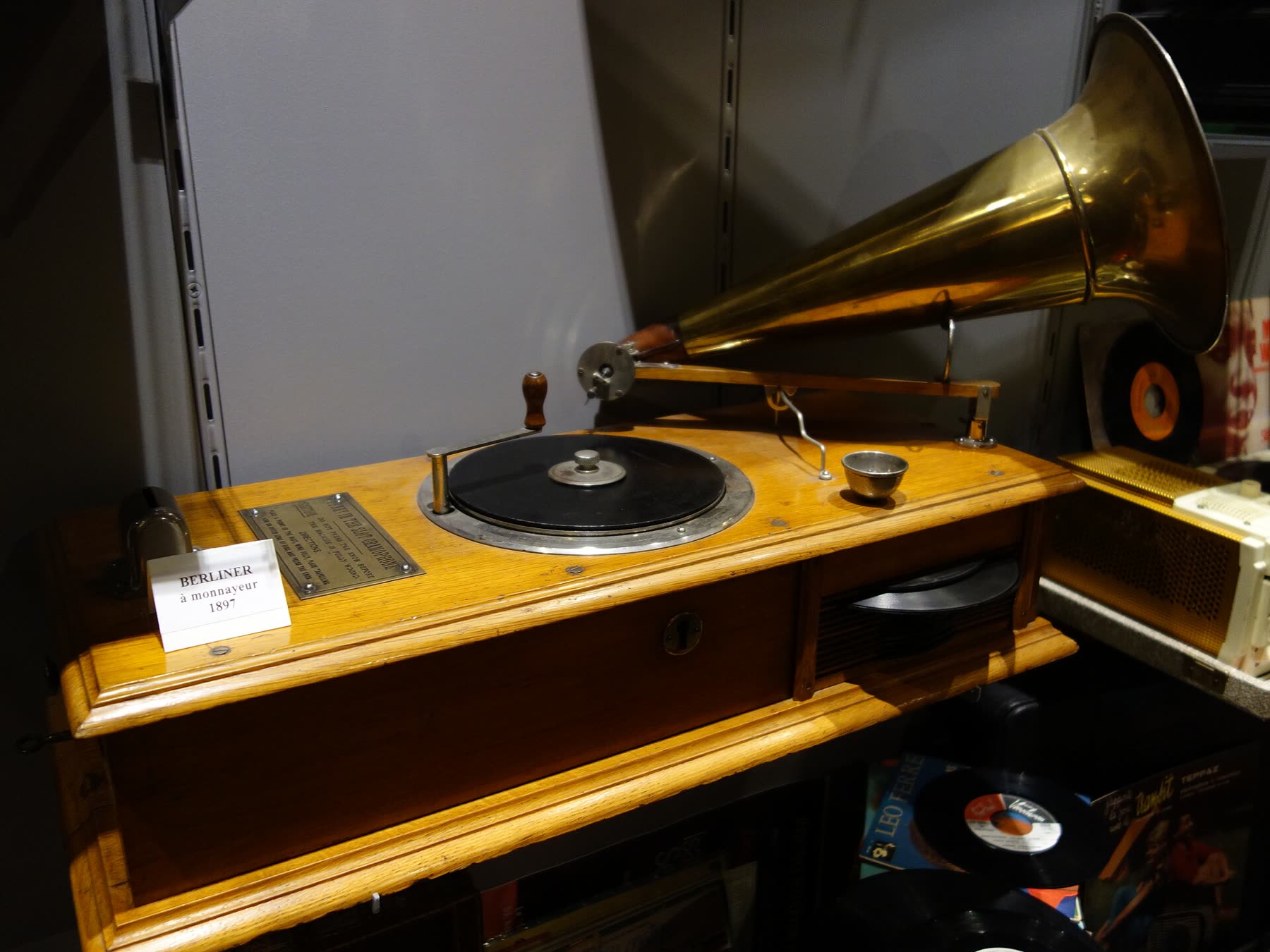
Where to Buy: DHgate and Other Marketplaces
You can find record players almost everywhere online: brand sites, big US retailers, specialty audio shops, and global marketplaces like DHgate.
DHgate is an e‑commerce marketplace that connects buyers to many different sellers, including cross‑border sellers offering all‑in‑one players, portable suitcase units, and separate turntables. That variety can be useful if you’re hunting for a specific style (like a retro pink player) or trying to keep costs down, but it puts more responsibility on you to read each listing closely.
On DHgate and similar platforms, focus on:
- Seller history: Check ratings and how long the seller has been active. Favor sellers with a track record and multiple reviews specifically mentioning record players or electronics.
- Photos of key parts: Look for clear shots of the platter, tonearm, and cartridge, not just staged lifestyle photos. If you can’t see the hardware, you can’t really judge it.
- Specs completeness: A solid listing will state drive type, speeds (33/45, sometimes 78), cartridge type, whether there’s a built‑in preamp, and what outputs you get.
You can use mainstream guides like TechRadar’s overview of popular turntables as a reference point for what good entry‑level and midrange specs look like. Then compare any DHgate listing or other marketplace offer against that baseline: if the price seems low but the drive type, cartridge, or build details are vague, you’re likely looking at a decor‑first product.
For US buyers who want a simple path and local support, a domestic retailer or audio shop may make more sense for a first “serious” turntable. DHgate is best used as a discovery and value channel for casual or style‑driven players, or as a way to experiment with features like Bluetooth and portability—once you’ve learned how to read the listings and matched them to how you’ll actually use your vinyl.