
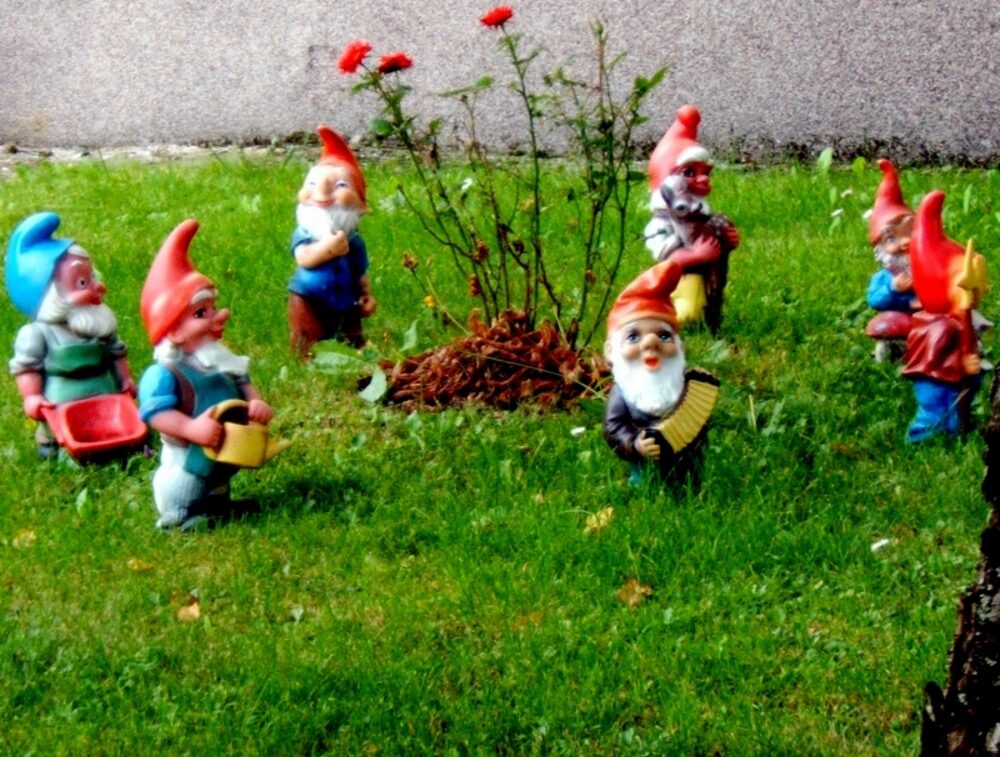
If you’re choosing solar garden gnomes for a US yard or a small ecommerce shop, start with the basics: material (usually resin, sometimes stone or metal), size and pose, and where the solar lights sit on the gnome. Then layer on practical specs like waterproofing and brightness. For everyday homeowners, local big-box and specialty garden sites will cover most needs; for resellers chasing quirky themes or bulk variety, adding a cross-border marketplace like DHgate into your search widens the design pool but introduces longer timelines and more vetting work.
What Solar Garden Gnomes Are and Who They’re For
Solar garden gnomes are decorative gnome statues with built-in solar lighting. A small panel (often on the base, back, or hat) charges during the day and powers LEDs at night, so you get a bit of path or accent light without wiring or batteries.
Most consumer models are meant for casual outdoor spaces: front beds, around a patio, near a walkway, or tucked into planters. Guides like Greenfieldy’s garden gnome overview describe solar gnomes as combining whimsical decor with low-maintenance light, which is exactly how US retailers position them.
Who they tend to suit:
- Homeowners and renters who want a playful focal point plus soft light along a path or flower bed.
- Gift buyers looking for a novelty piece that still “does something” (lights up at dusk).
- Small ecommerce sellers testing niches like humorous, fantasy, or seasonal garden decor.
For US buyers, typical listings emphasize where the gnome can live: “patio, lawn, yard” or similar, like the resin solar knight figurine shown on BigaMart.
Key Types and Specs: Size, Materials, and Lighting Styles
To narrow gnome options, focus on three dimensions: what it’s made of, how big and stable it is, and how the solar lighting is integrated.
Materials and how they age outside
Most consumer solar gnomes are made from resin, with some stone or metal options:
- Resin gnomes (the majority): Lightweight, allow detailed faces and props, and easy to mold into funny poses. They’re widely sold on big-box sites and garden decor shops. Over years of sun, many resins fade, so bright paint can dull if left in full sun.
- Stone or concrete: Heavier and more traditional-looking. Good if you want a “classic” gnome that stays put in wind, but solar integration tends to be more basic (a small lamp or embedded light).
- Metal accents or full metal gnomes: Less common, but you’ll see metal lanterns, stakes, or hats combined with resin bodies. These can feel more premium but may show rust if coatings are thin.
For most US yards, resin is fine as long as you accept some eventual fading. If you’re curating resale inventory, mix resin (for expressive designs) with a few heavier pieces for customers worried about wind or kids knocking items over.
Size and pose: small figurines vs statement pieces
Solar gnomes range from hand-sized figurines to larger, knee-high statues. From review and catalog patterns:
- Small (roughly 6-10 inches): Best for planters, window boxes, or clustering several characters. They’re easy to ship and store, handy for ecommerce bundles.
- Medium (10-16 inches): Common for single-feature yard decor. Big enough to notice from the sidewalk without dominating a bed.
- Large (16 inches and up): Statement gnomes. You’ll find these more on specialty garden sites and higher-end lines than in discount listings.
Pose also matters. As SolarVibesHub’s gnome picks show, typical designs include sitting, standing, or climbing figures, often holding props like lanterns or signs. A sitting gnome is naturally more stable; a tall, narrow standing gnome may need a flatter, more secure base.
Lighting layout: lantern vs hat vs base LEDs
Solar gnome designs vary by where the LEDs live:
- Lantern gnomes: The gnome holds a lantern or lamp that lights up – like the “swinging gnome with hanging lantern” style you’ll see on retail pages such as Walmart’s business listing. These tend to give the most directional, useful light for a small area.
- Hat-lit gnomes: LEDs embedded around or on top of the hat, sometimes resembling fairy lights or floral patterns, as in examples highlighted by Amazon and niche decor blogs. These are more about ambiance and silhouette than path lighting.
- Base or accessory LEDs: Small points of light in mushrooms, stones, or wreaths around the gnome’s feet. Subtle, often just enough to outline the figure.
Brightness depends on LED count, panel size, and battery; listings usually describe this qualitatively (e.g., “soft warm glow”) rather than in lumens.
Basic solar and weather specs
General solar statue guides, like GardeningBeyond’s article on solar-powered garden statues, emphasize a few technical points that apply directly to gnomes:
- Sun exposure: The panel needs direct sun for several hours to charge. A shaded corner under a dense tree will give weak or short-lived light.
- Weather resistance/IP ratings: Some statues mention IP ratings (e.g., IP44 or IP65) or state “waterproof” for outdoor use. That suggests the electrical components are sealed against splashes or rain.
- Replaceable batteries: Many small solar ornaments use standard rechargeable cells in a compartment you can access; that extends life compared with sealed units.
For US yards that see rain, sprinklers, and perhaps some snow, prioritize listings that explicitly say “outdoor use” or mention waterproof construction.
Quick comparison of common gnome subtypes
| Gnome subtype | Typical material | Lighting style | Best use case |
|---|---|---|---|
| Small resin figurine | Resin | Hat or base LEDs | Planters, balcony rails, gift sets |
| Resin lantern carrier | Resin + metal | Hanging lantern LEDs | Path edge, near steps or driveway corners |
| Heavy stone/metal gnome | Stone/metal | Simple embedded LEDs | Windy or exposed spots, single statement |
| Themed knight/hero | Resin | Mixed (weapon, shield) | Niche resale, character-themed garden beds |
The “knight” example on BigaMart falls into that last row: resin, themed, with integrated LEDs aimed at fantasy or novelty buyers.
How to Choose the Right Gnome (Including When to Look at DHgate)
Once you understand the variants, you can make a more concrete decision for either home use or resale.
For your own yard: match gnome size, light, and theme to the setting
- Map your placement and sunlight. Decide whether the gnome will sit in full sun, partial shade, or under trees. If it’s shaded most of the day, the panel may underperform; in those spots, choose a piece positioned closer to the edge of the bed or path where the panel sees more sky.
- Pick a material and height for your climate and visibility. In a typical US suburban yard, a 10-16″ resin gnome is large enough to notice without becoming a tripping hazard. Use heavier stone or concrete if the area is windy or exposed.
- Choose the light type based on function. If you’re trying to gently mark a step or path, lantern-style gnomes give more directional light. If you just want a cheerful glow in a flower bed, hat or wreath LEDs are fine.
- Check for outdoor-rated construction. Look for phrases like “outdoor use,” “waterproof,” or mention of weather resistance or IP ratings, echoing the criteria highlighted by GardeningBeyond. This is your main safeguard against early failure in rain or snow.
- Lean into a theme you won’t get tired of. Garden gnome catalogs on sites like GardenFun show classic, humorous, and fantasy styles. Ask: does a silly lounging gnome still fit your yard in a year, or would a more traditional pose age better?
For small ecommerce sellers: plan around niche, variety, and storage
If you’re evaluating solar gnomes as inventory rather than a one-off yard buy, your criteria shift slightly:
- Define a niche. Themes like “funny drunk gnomes,” “fantasy knights,” “holiday gnomes,” or “farm gnomes” show up across curated lists such as SolarVibesHub’s picks. Pick one or two themes so your shop feels coherent.
- Balance small and mid-size pieces. Smaller resin gnomes are cheaper to ship and easier to bundle; mid-size lantern gnomes make higher-ticket focal items.
- Check material and paint quality in samples. Resin casting and paint thickness vary widely between factories. Before ordering for resale, get at least one sample to see how details look in person.
- Think storage and breakage. Fragile resin with protruding lanterns or hats will need better packing and more care in your warehouse.
Where DHgate fits alongside US retail and craft platforms
DHgate is described in its own editorial materials as an online marketplace connecting global buyers to many sellers and product categories, including home and garden goods.Source For solar garden gnomes, that positioning has a couple of practical implications:
- Broader variety and themes. Because DHgate aggregates many manufacturers and trading companies, you may find unusual gnome designs or bulk listings that don’t appear on mainstream US retail sites. This can help a small seller differentiate or a homeowner hunt for a very specific novelty style.
For additional DHgate platform context, use What DHgate is and how the marketplace works, Find trusted sellers on DHgate, and Review the DHgate order-readiness checklist.
For a single gnome for your own yard, it’s usually simpler to buy from US-based retailers or craft platforms like Walmart, Home Depot, GardenFun, or Etsy. If you’re curating a catalog or planning a larger order, it can be worth including DHgate in your product discovery mix once you’re comfortable evaluating overseas listings.