
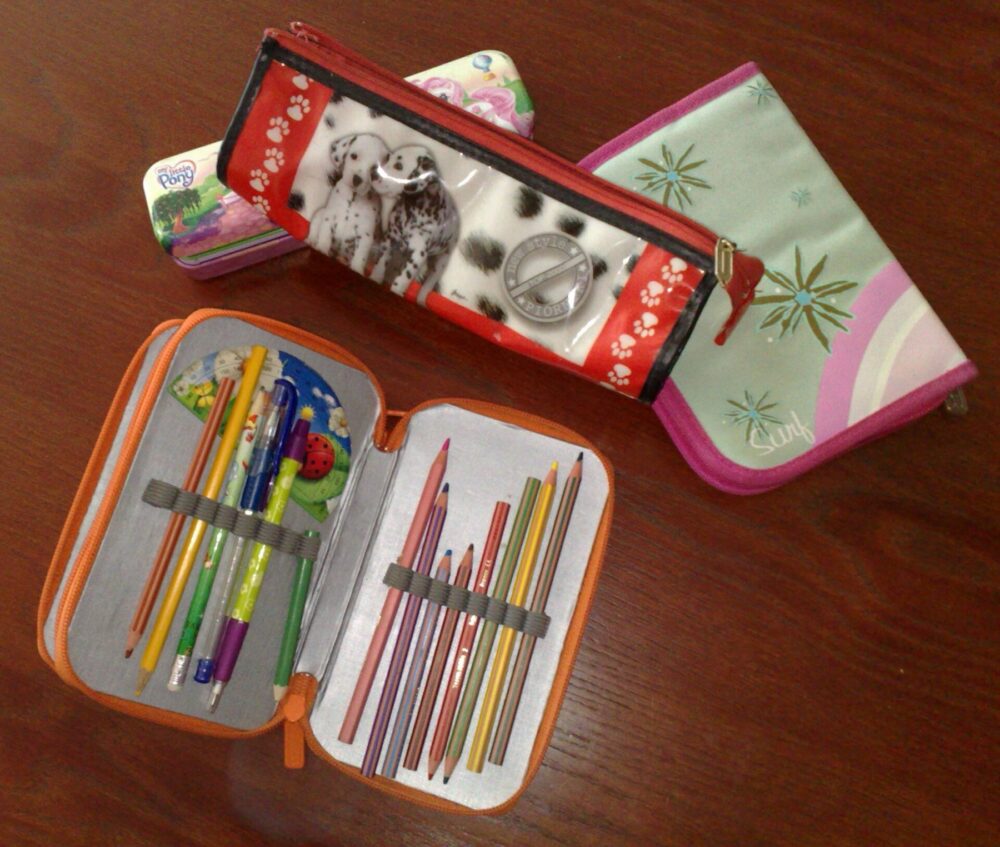
Calculator pencil cases differ mainly in how they fit your calculator, protect it in a school bag, and organize pens around it. To choose well, start by matching the case’s interior space to your calculator size, then pick a format—soft pouch, hard box, multi-function, or lockable cylinder—based on how much stationery you carry and how rough the journey to school or the office is. For single purchases in the UK, mainstream retailers usually cover the basics; cross-border marketplaces like DHgate become more relevant if you want bulk lots or unusual novelty designs that local shops don’t stock.
What Counts as a Calculator Pencil Case and Who Actually Needs One?
A calculator pencil case is any case that either:
- Has a dedicated compartment or strap to hold a calculator safely alongside pens and other stationery, or
- Builds a simple calculator into the lid or body of the case.
Compared with a generic fabric pouch, these are designed so your calculator doesn’t just rattle around with loose markers. Some school-focused cases have a tray or elastic band sized for a typical basic or scientific calculator, so you can open the case and start working without digging through the bag.
The people who benefit most are:
- UK school pupils who must carry a calculator daily (GCSE sciences, maths) and throw their bag around between classes.
- Students using multifunction mechanical boxes as a fun all-in-one stationery gadget.
- Small ecommerce sellers who want to stock novelty school sets, where the calculator is part of the giftable bundle.
If your calculator lives on your desk and rarely travels, you may not need a calculator-specific case at all; a regular pouch can be enough.
A quick note on sizing
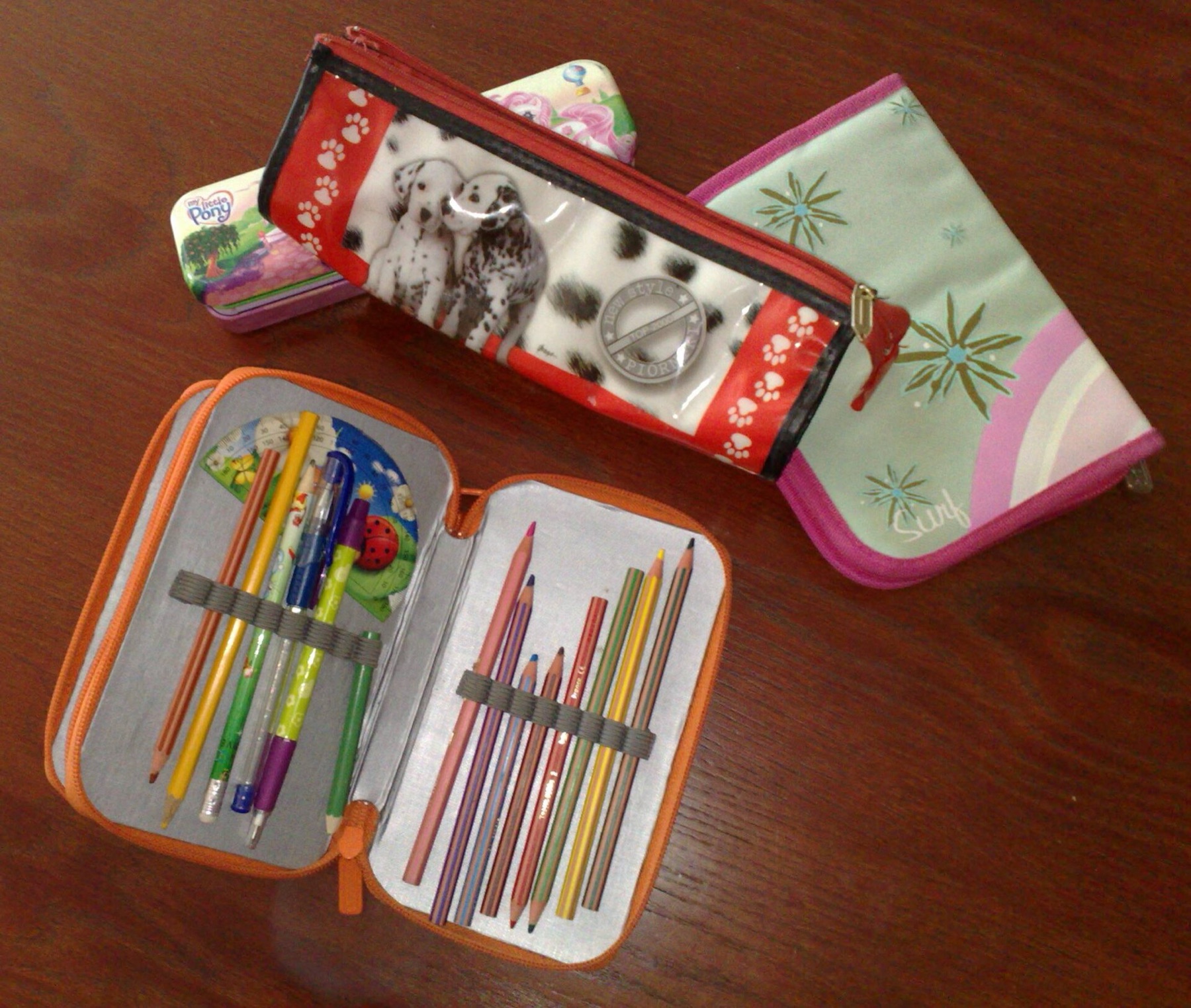
Guides like ScholarSail’s pencil case size chart recommend starting with your calculator’s dimensions. Measure length, width, and thickness, then look for a case with an interior that comfortably exceeds those numbers and still leaves room for pens and a ruler. This is more precise than buying by vague labels like “large capacity,” which can mean very different things across brands.
Key Types and Specs: From Simple Compartments to Multi-Function Boxes
The main decision is format: how the case is built and how it treats the calculator. Research comparing pouch vs box layouts, like the format breakdown on Keep Calculator, is useful here.
Core formats you’ll see
Here’s a compact comparison of the main sub-types:
| Type | How it holds the calculator | Strengths | Weak points |
|---|---|---|---|
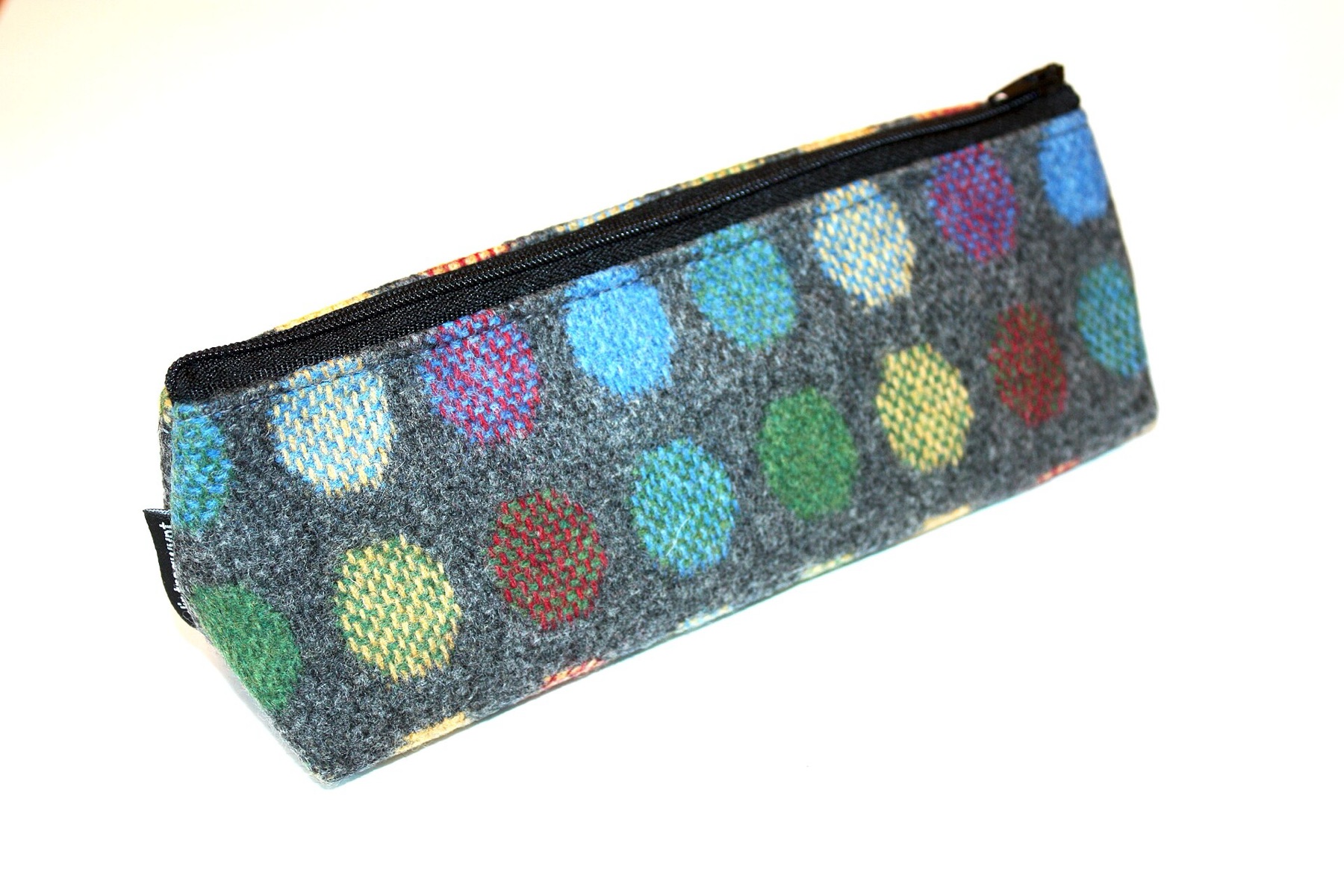
| Soft pouch (zip bag) | Shares space with pens; sometimes has a small inner pocket | Light, flexible, easy to fit in any bag | Less impact protection; calculator can get scuffed |
| Hard/box-style case | Fixed tray or compartment; lid closes over calculator | Better structural protection, more organized | Bulkier in a school bag |
| Multi-function box with built-in calculator | Basic calculator built into lid; often double-layer storage | All-in-one gadget appeal; good for younger students | Built-in calculator is usually simple; not suitable for advanced exams |
| Lockable cylindrical case with calculator | Vertical cylinder; calculator mounted on body; combination lock | Novelty, privacy for contents, stand-up design | Awkward fit for large rulers; niche use case |
Soft pouches
- Best if you carry minimal stationery and a compact calculator.
- Look for a second zip pocket or inner sleeve so the calculator isn’t directly rubbing against metal pens.
Box-style cases
- Common in school sets marketed as “mechanical stationery boxes.”
- Often use pop-up doors and internal compartments to keep the calculator separate from pencils, trading slimness for protection and structure.
Multi-function boxes with built-in calculators
Listings such as Shein’s double-layer pencil case with built-in calculator show a typical pattern:
- A simple calculator embedded in the lid.
- Double-layer storage with small mechanical buttons to open compartments.
- Aimed squarely at school-age kids who want a fun, all-in-one case.
These are great gift items or resale products for novelty-focused shops, but the calculator is usually basic—fine for arithmetic, not a replacement for a full scientific calculator.
Lockable cylindrical cases
On some marketplaces you’ll find vertical, cylindrical cases with both a calculator and a combination lock. For example, Noon’s lockable pencil case with calculator combines:
- A stand-up cylinder you can place on the desk.
- A simple calculator fixed to the exterior.
- A lock mechanism intended to restrict casual access.
These appeal to students who want a mix of privacy and showpiece design. They’re less practical if you routinely carry long rulers or large geometry sets.
How to Choose Across Platforms: DHgate vs UK Retail and Other Cross-Border Sources
Once you know the format and size you want, the next question is where to buy—especially if you’re in the UK or sourcing for a small online shop.
Single-unit, local purchases
For one or two calculator pencil cases for personal use:
- UK stationery chains and supermarket school aisles generally cover soft pouches and simple box-style cases without built-in calculators.
- Specialist online retailers sometimes offer exam-friendly clear cases plus separate calculator sleeves, prioritizing function over novelty.
This route is straightforward if you mainly care about exam rules, durability, and predictable delivery rather than playful features.
Novelty and small resale
If you’re looking for more creative designs—unicorn multi-function boxes, cartoon themes, lockable cylinders—international B2C marketplaces come into play:
- Shein carries multi-function double-layer boxes with built-in calculators similar to the example above, often in character or pastel themes.
- Etsy has independent sellers making or customizing pencil cases with calculators and themed artwork.
- Platforms active in the Middle East, like Noon, surface lockable cylindrical designs that haven’t widely reached UK retail yet.
For a UK-based reseller, these channels are good for testing a handful of novelty SKUs before committing to larger quantities.
Bulk and factory-side sourcing
If you want calculator pencil cases as a regular product line, especially under your own branding, B2B marketplaces are more relevant:
- Alibaba’s category page for pencil cases with calculators shows the product framed as a bulk stationery item—factories offering various designs for wholesale orders.
- Made-in-China’s calculator pen case listings similarly indicate manufacturing-side availability, with suppliers focused on OEM/ODM relationships.
These routes suit UK ecommerce businesses that are ready to handle factory negotiations, packaging decisions, and import logistics.
Where DHgate fits
DHgate sits between retail and pure factory sourcing: a cross-border marketplace with many China-based sellers listing stationery-type goods, including niche items. For calculator pencil cases, DHgate can be useful if you:
- Want to experiment with assorted designs—multi-function boxes, character sets—at modest quantities rather than full factory MOQs.
- Are price-sensitive and willing to compare multiple listings for similar designs.
Because DHgate is a general marketplace, you should assess each listing on its own merits: photos, description detail (especially interior dimensions relative to your calculator), and buyer feedback. For broader context on how DHgate operates, you can read What DHgate is and how the marketplace works, and if you move into repeat sourcing, Find trusted sellers on DHgate and the DHgate order-readiness checklist are useful next steps.
Micro-module: bulk vs single buying
- Single-unit buyers (students, parents): Focus on fit and protection; a well-sized box or pouch from UK retail or a mainstream B2C marketplace is usually enough.
- Small UK ecommerce shops: Consider cross-border platforms (DHgate, Shein, Etsy) for varied novelty SKUs in small batches while you test demand.
- Scaling stationery brands: Use B2B channels like Alibaba and Made-in-China to go direct to factories for custom-branded calculator cases once you’ve validated formats and themes with smaller runs.
In all three scenarios, the same core rule applies: start from the calculator you actually carry, then pick the case format and sourcing channel that best matches how often that calculator travels and how distinctive you want the product to be.