
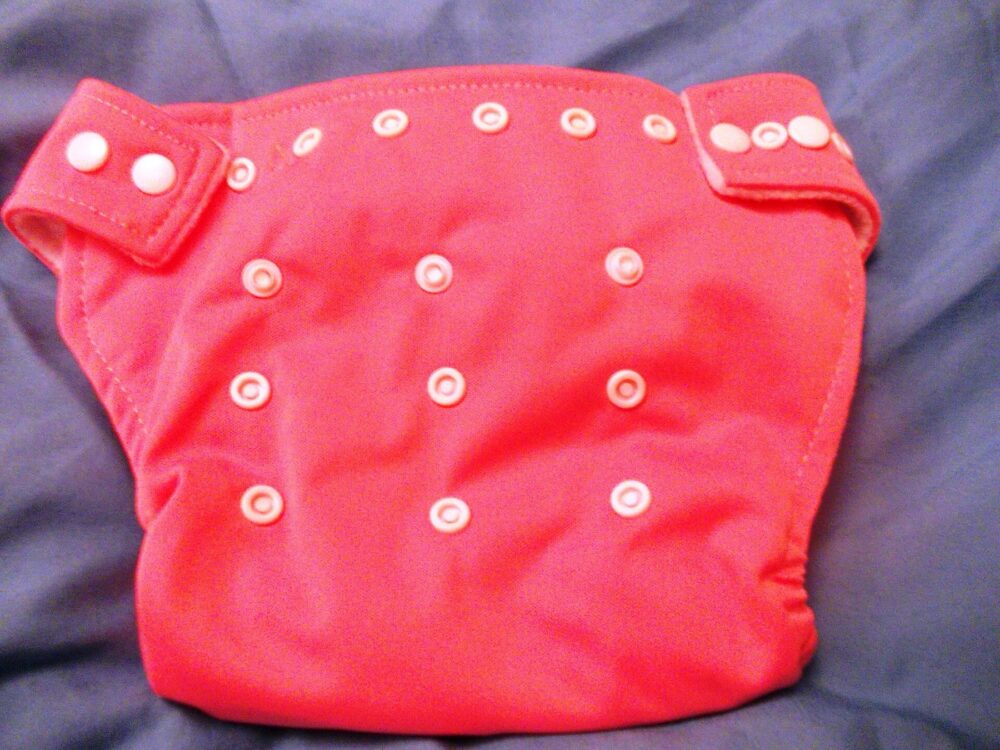
You choose a pink diaper caddy by matching three things to how you’ll really use it: size (how many diapers and extras it needs to hold), layout (open vs lidded, number of compartments), and material/quality (fabric, stitching, and any odors). For most US buyers that means deciding whether you need a soft, portable felt basket beside the sofa, a rigid organizer on the changing table, or a hanging caddy for tiny apartments. Once you know that, you can compare branded options from Amazon, Walmart or Etsy against unbranded, often bulk-friendly pink caddies on DHgate and see which channel actually fits your budget and risk tolerance.
A diaper caddy is a small organizer for diapers, wipes, cream, and a spare onesie, designed to sit near a changing spot or move around the house.Diaper caddies explained describe parents keeping one on the changing table and another they can carry from room to room. Choosing pink specifically turns the caddy into part of the nursery decor or a themed gift: blush or dusty pink tends to blend into modern neutrals, while bright bubblegum or hot pink reads more playful and bold.
For home use, a pink caddy often does two jobs at once:
- Keeps diapering essentials in one place so you’re not hunting for wipes while a baby wriggles.
- Acts as a visible color accent in photos, on a shelf, or next to the crib.
For small e‑commerce sellers, the color is part of the product strategy. Soft, muted pinks and simple patterns (stars, dots, line art animals) tend to have wider appeal and are safer for resale. Very specific shades (neon pink, character prints) can sell well in narrow niches but expose you more to slow-moving inventory.
Key Pink Diaper Caddy Types and Specs to Compare
Most diaper-caddy guides split the category into a few design choices that genuinely change how they feel to use.Real Buyer Experiences and other explainers highlight structure, access, and capacity as the big variables.
Open-top vs lidded or zippered
Category explainers distinguish open-top designs from lidded or zippered versions:
- Open-top pink caddy: fast one-handed access, good for a primary changing station. The trade-off is less dust protection and a more “visibly busy” look.
- Lidded or zippered pink caddy: slower to get into but hides clutter and offers some protection from dust and curious toddlers. Works well in living rooms or shared spaces where you want a tidy, decor-first look.
Portable basket vs stationary organizer
Guides describe two main use patterns: a caddy that stays put on the changing table, and one you carry around the house.Pampers’ overview calls out size, compartment layout, material durability and portability as core buying factors.
- Portable felt or fabric basket: Often with handles and removable dividers. Good for moving between nursery, living room, and car.
- Stationary tabletop organizer: More rigid, sometimes plastic or wood. Think of it like a pink desk organizer for diaper gear.
- Hanging caddy: Straps onto a crib or changing table. Helpful in tight apartments where floor space is limited.
Material and feel
Common pink caddy materials include:
- Felt / soft fabric: Popular for portable baskets. Look for fairly thick felt so the sides don’t collapse when it’s full.
- Cotton or canvas: Often used for collapsible bins; they fold down when not in use.
- Plastic: Easy to wipe down, more structure, but less “cozy” for decor.
Editorial guides suggest checking fabric quality and stitching as practical quality signals, and calling out strong chemical odors as a red flag.Breastfeeding Mom’s diaper caddy tips frame these as things you notice when you unbox: rough fabric that sheds fibers, loose threads, or a heavy factory smell may indicate weaker build quality.
Size and compartment layout
Before you order a pink caddy, translate product photos into what you need to store. A compact layout might hold a dozen diapers plus wipes and cream; larger tote-style caddies are closer to a small bin.
A compact sizing checklist:
- Can it hold at least a day’s worth of diapers in your baby’s current size?
- Is there a full-width section for wipes (hard case or soft pack)?
- Are there small compartments for cream, nail clippers, pacifiers?
- Do the dividers look fixed or removable, and which do you prefer?
You can often spot these details in listing photos if you imagine placing specific items (diaper stack, wipes pack, lotion bottle) into each section.
Buying Criteria: Match the Caddy to Your Use Case and Platform Choice
Once you know your rough type, use a tighter checklist to compare individual pink diaper caddies across platforms. Think first about how you’ll use it, then about where you’re comfortable sourcing it.
Quick fit table: which caddy style for which scenario?
| Main use case (US buyer) | Pink style that fits | Caddy type to prioritize |
|---|---|---|
| Primary changing table station | Soft blush or neutral pink | Open-top, medium/large, stationary organizer |
| Carrying around home / car | Sturdier, mid-tone pink | Portable felt/canvas basket with handles |
| Living room decor + hidden gear | Muted pink, minimal pattern | Lidded or zippered caddy, cleaner lines |
| Baby shower or registry gift | Classic pastel pink | Portable basket, clearly labeled compartments |
| Small-apartment space-saving | Any shade matching textiles | Hanging caddy with structured shelves |
Quality and safety signals to check
You won’t get lab results from a listing, but you can spot some practical quality indicators:
- Fabric and stitching: Zoom in on photos to see seams. Clean, even stitching and reinforced handles suggest better durability; fraying edges suggest cost-cutting.
- Odor reports in reviews: Some buyers mention strong chemical smells in reviews on mainstream retailers; that’s a useful proxy for how the caddy is treated and stored before shipping.
- Stability when loaded: In photos, does the caddy bow or collapse when full of diapers? Rigid sides matter if you’ll carry it around one-handed.
Treat these as heuristics, not guarantees. If you’re reselling, order a sample first and inspect it in person before committing to inventory.
DHgate vs familiar US channels: where does each make sense?
DHgate is a global online marketplace that connects buyers and sellers and is known for wide product variety and often competitive, bulk-friendly pricing.DHgate’s own editorial emphasizes browsing multiple listings, comparing materials and designs, and talking directly to sellers when you want a very specific color or customized design.
Here’s how it typically stacks up against US-focused platforms for pink diaper caddies:
- Amazon / Walmart / Target: Branded caddies, clearer photos, and lots of customer reviews. Good if you want fast decision-making and a known brand name, especially for personal nursery use.
- Etsy: Handmade or personalized pink caddies (names embroidered, unique fabrics). Better for gifting or very specific aesthetics.
- DHgate and similar cross-border marketplaces: Broad variety of unbranded pink caddies, including designs that look similar to popular ones but without the brand label. Often more appealing when you want bulk quantities, low per-unit pricing, or custom shades/patterns for resale.
If you include DHgate in your shortlist, treat each listing as its own product:
- Read the product description carefully for material, dimensions, and compartment count.
- Compare at least two or three listings with similar designs to see how photos and descriptions differ.
- Use seller ratings and reviews as a filter, and avoid caddies with very limited or vague feedback.
For personal nursery use, many US buyers will stick with domestic retailers for simplicity. DHgate becomes more relevant if you’re a small e‑commerce seller looking to test pink caddy designs in bulk, or if you’re comfortable trading some convenience for wider variety and possible customization.
If you do go down the DHgate route, it can help to first understand how the marketplace itself works at a high level via this DHgate overview, then use a practical checklist like the order-readiness guide before you commit to a cart.
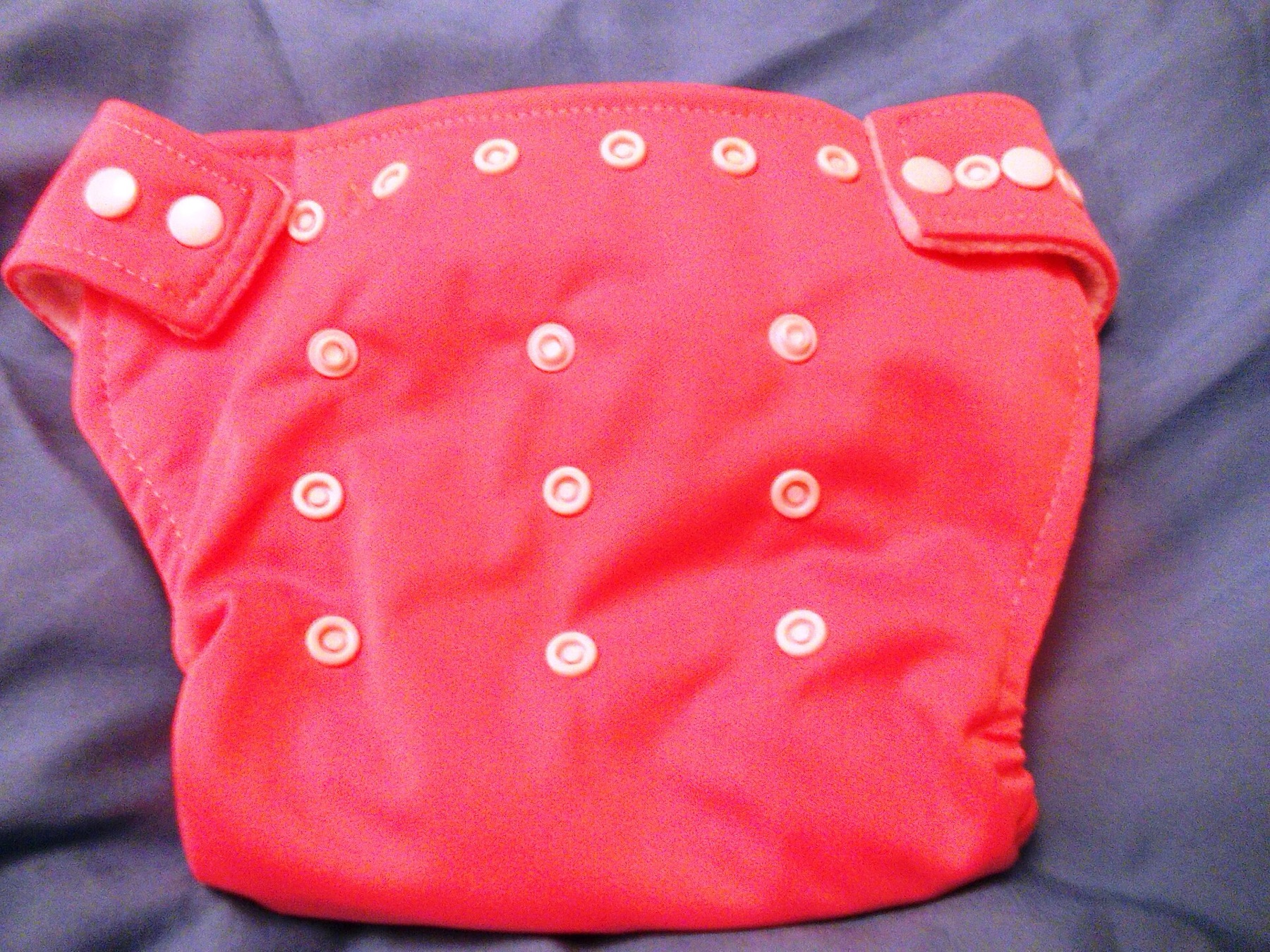
For additional DHgate platform context, use Find trusted sellers on DHgate.
For both parents and small sellers, the goal is the same: don’t just search “pink diaper caddy” and grab the first cute photo. Decide where it will sit, what it must hold, how often you’ll move it, and how pink needs to look in your space or brand. Once those choices are clear, your platform comparison—including whether DHgate belongs in the mix—gets much easier and less risky.