
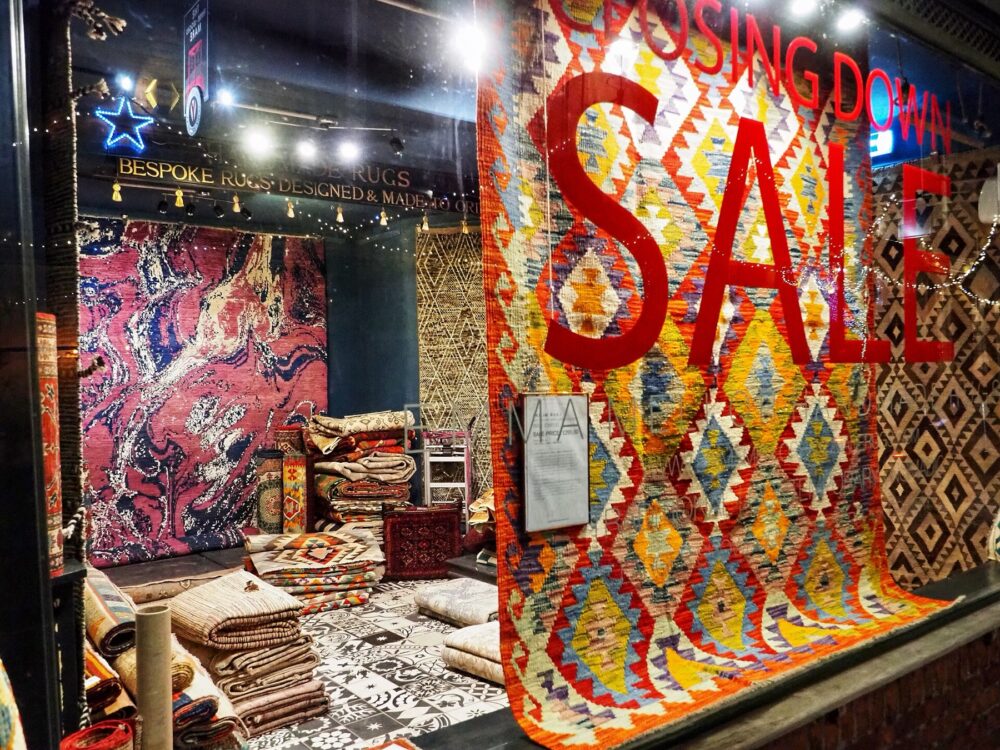
New York buyers looking for rugs and kilims have two main online routes: specialty retailers with roots in the region and broad marketplaces that ship into the state. If you care most about authentic, well-documented pieces, New York–linked specialists like Rug & Kilim, Rugs & Kilims, or Leon Banilivi’s lirugs.com are usually the strongest starting points. Large cross-border marketplaces such as DHgate can be useful when you want lower-cost, repeatable designs or bulk quantities, but they’re better treated as listing-by-listing sourcing projects where you scrutinize each seller rather than assuming gallery-level curation.
From there, your best channel depends on whether you’re decorating one Brooklyn living room or stocking an online rug shop.
The Online Landscape for Rugs and Kilims Serving New York
For New York–based buyers, “online rug shopping” isn’t one market—it’s a mix of overlapping channels.
Specialty New York institutions. Rug & Kilim is a respected New York–based specialist in rugs, kilims, and tapestries, with an extensive collection available through its website and gallery presence.Source If you’re looking for distinctive flat-weaves or vintage pieces and want to work with a team that lives and breathes this category, their online catalog is one of the most direct routes.
Rugs & Kilims, a separate specialist accessible via rugsandkilims.com, also focuses on handwoven rugs and kilims with a gallery-style online presentation. Leon Banilivi’s lirugs.com is another example, offering an online view into an established New York rug business without requiring you to visit the showroom.
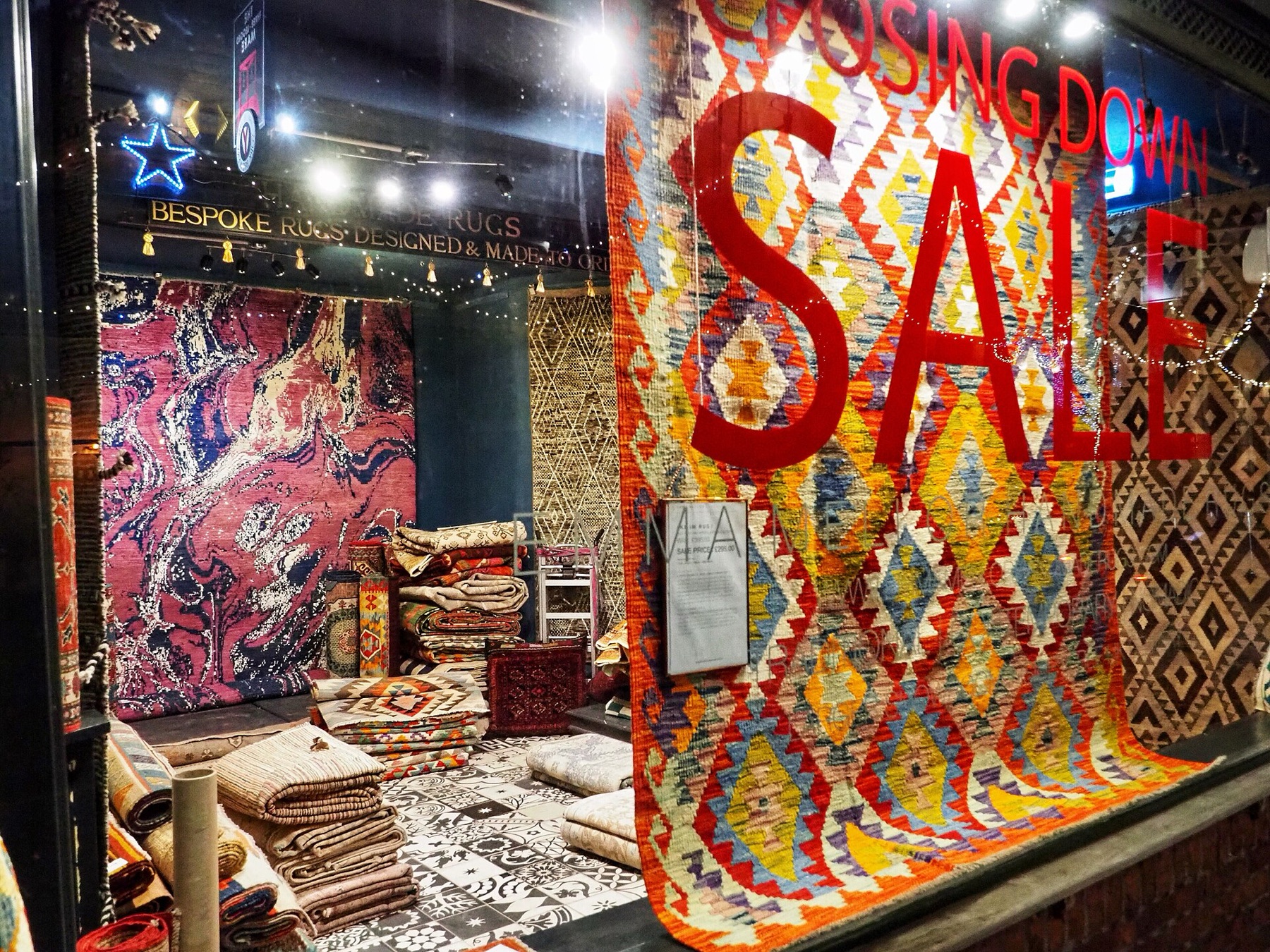
Regional shops with an online presence. If you’re willing to look slightly beyond the five boroughs, regional stores such as Kea Carpets and Kilims in Hudson, NY, illustrate another route: a physical shop serving the New York region plus a web presence that lets you preview styles and, in some cases, inquire or buy remotely.Source
Large consumer marketplaces. General marketplaces (Amazon, eBay, etc.) offer machine-made area rugs and some kilim-style designs, but often with limited information on weaving technique or origin. They can be useful for budget projects where weave authenticity isn’t critical.
Cross-border and wholesale marketplaces. Platforms like DHgate operate as global marketplaces connecting buyers to many sellers, including rug and textile suppliers. These are more about variety and price than curation—valuable for certain business cases, but not equivalent to a New York gallery that hand-picks each piece.
For a single apartment makeover in Queens, an online specialist with a New York footprint is usually the cleanest path. For a reseller building a catalog of kilim-inspired designs in standard sizes, cross-border platforms and broader marketplaces become more relevant.
How Retail Sites, Marketplaces, and Supplier Platforms Work for Rug Buying
Online channels that reach New York differ less by geography and more by business model.
1. Specialty retail sites and galleries
Rug & Kilim and similar galleries function like curated retailers: they buy or consign specific pieces, research them, and present a selection online. In DHgate editorial coverage of vintage rugs, independent specialists such as Rug & Kilim are cited as reputable sources for authentic vintage pieces.Source
What that means for you:
- Inventory is finite; you’re buying one specific rug, not a generic SKU.
- Product pages tend to carry detailed photos and descriptions, sometimes including materials and weaving style.
- Pricing reflects individual piece quality and provenance rather than mass production.
These sites suit buyers who want a “forever” rug or designers sourcing distinctive, client-facing pieces.
2. General consumer marketplaces
On large consumer marketplaces, rugs and kilims are listed alongside millions of other products, often as standardized SKUs. Sellers may be importers, brands, or small businesses.
Operationally:
- You search by size, color, and pattern, then compare multiple listings.
- The same design might be sold by many different sellers.
- Information on origin or handweaving is inconsistent.
This route works when your priority is price and convenience over authenticity—say, staging a rental or filling out a temporary office.
3. Wholesale and sourcing marketplaces (including DHgate)
Wholesale-style marketplaces connect buyers with manufacturers, importers, and distributors. DHgate is one of these: an online marketplace positioned for sourcing products directly from manufacturers and wholesale distributors across many categories, including rugs.Source
You typically use these platforms to:
- Find suppliers who can produce or supply a rug design in multiple sizes.
- Place bulk or repeat orders for ecommerce or retail.
- Negotiate details like colors or package quantities directly with the seller.
Because they’re built for cross-border trade, you need to treat every listing as its own project: look closely at photos, specs, minimum order expectations, and past buyer feedback. If your goal is a single heirloom kilim, this model is overkill; if you’re building a Shopify catalog of kilim-style runners, sourcing marketplaces can be useful.
Here’s how these three types compare at a high level for New York rug and kilim buyers:
| Channel type | Typical use-case in NY | Strengths for rugs/kilims | Weak points for rugs/kilims |
|---|---|---|---|
| Specialty NY-linked sites | One-off home purchase, designer | Curated selection, strong focus on authenticity | Higher prices; limited quantity per design |
| General consumer marketplaces | Budget home decor, quick fill | Wide range, fast to browse and compare | Origin/weave details often thin or generic |
| Wholesale/sourcing marketplaces (e.g., Cross-border multi-seller) | Small ecommerce, bulk sourcing | Many suppliers, repeatable SKUs for resale | Listing-level verification needed; less curation |
If you want a kilim you’ll photograph in a client portfolio, the first column is your friend. If you want 50 kilim-inspired rugs in three sizes for an online shop, the third column becomes essential.
Matching Platform Types to New York Buyer Scenarios
Once you know the channel types, match them to how you actually buy.
Scenario 1: Decorating your own New York home
You’re buying one or two rugs that need to feel right every day. In this case:
- Start with New York–linked specialists like Rug & Kilim, Rugs & Kilims, or lirugs.com to see real kilims, flat-weaves, and vintage options.
- Use regional shops such as Kea Carpets and Kilims in Hudson as a complement if you’re open to a day trip or remote inquiries.Source
- Keep general marketplaces as a backup for secondary spaces (hallways, kids’ rooms) where authenticity is less important.
You’ll spend more than on mass-market rugs, but you’re closer to the kind of pieces that rug specialists and vintage-focused editors highlight as worth keeping long term.Source
Scenario 2: Interior designer or stylist serving New York clients
Here, your name is attached to every piece you specify.
Practical channel mix:
- Use specialist sites as your primary sourcing pool for hero rugs and kilims in living rooms, dining rooms, and key shots.
- Build relationships with two or three galleries so you can quickly check availability and hold pieces during client reviews.
- Maintain a short list of reliable mass-market SKUs for secondary placements, but treat them as supporting players.
You may occasionally experiment with cross-border platforms for budget-conscious projects, but factor in lead times, photography accuracy, and the risk that a rug’s color or feel won’t match what New York clients expect from an “authentic” kilim.
Scenario 3: Small ecommerce or resale business based in New York
Your priorities shift to repeatability, margin, and logistics.
A workable approach:
- Use specialist galleries to source a small number of statement pieces or a premium tier in your catalog.
- Cross-check any cross-border sourcing route against your documentation needs; our neutral overview on rug receipts and online channels outlines why clear paperwork matters when you start reselling.
If most of your customers are in New York and expect clear provenance for anything labeled “handmade” or “vintage,” lean heavily on specialist and regional retailers. Use global marketplaces primarily for clearly labeled, design-driven products (e.g., “kilim-inspired flatweave,” not “19th-century Anatolian kilim”).
For a deeper look at how marketplaces like DHgate, AliExpress, and Alibaba differ structurally, you can read DHgateWiki’s neutral explainer on what DHgate is and how the marketplace works and our overview of online marketplaces and shopping platforms. Those pieces focus on platform mechanics; this one is your map for choosing the rug channel that matches how you buy in New York.