
If you start from how you actually carry your keys—around your neck, clipped to a bag, in a pocket organizer—it gets much easier to choose between a keychain necklace, a simple key ring, or a full key holder. Necklaces and pendant-style chains work best if you need hands‑free access (teachers, event staff), while leather key wallets and organizers suit people who hate jangling pockets but carry several keys. DHgate can sit alongside places like Amazon, Etsy, and local leather shops as a discovery channel, especially if you want bulk or customized designs, but it doesn’t need to be your automatic first stop.
The rest of this guide helps you match everyday scenarios to specific formats, understand material and hardware trade‑offs, and decide when cross‑border marketplaces—including DHgate—make sense.
What counts as a keychain necklace or key holder, and who are they for?
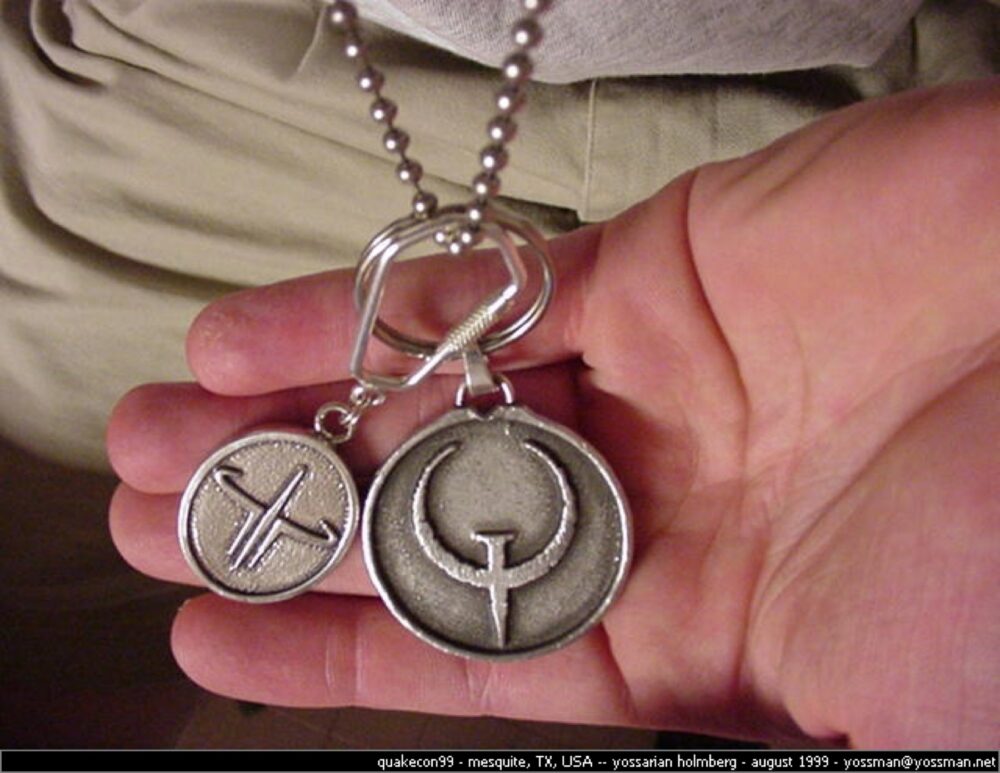
“Keychain necklace” usually means a wearable chain, cord, or lanyard designed to hold keys or a key pendant at chest level. Some are purely decorative jewelry pieces where the “key” is symbolic; others use sturdy split rings and clasps so you can clip real house or office keys.
“Key holders” is broader. It covers:
- Simple keychains (a ring plus a charm or tag)
- Carabiner or hook-based clips for bags and belt loops
- Key organizers that stack keys like a pocket knife
- Leather key wallets that fold around your keys
Guides like Baique’s breakdown of keychain hardware show how rings, lobster clasps, carabiners, and hooks each target different carry habits. Rings are minimal and work in pockets; carabiners and clips are better for bags and belts; jewelry-style chains emphasize aesthetics.
Market trends also split by how items are marketed to men vs women. Men’s key holders often lean into leather and metal with an emphasis on utility and gifts, while women’s lines feature more pompons, tassels, and decorative charms alongside functional rings and hooks, as seen in Bokabas’s guides for women’s keychains and men’s keychains. These aren’t rules, but they reflect what you’ll see when you browse.
In practice:
- You choose a necklace-style keychain if you want your keys visible and quickly accessible, or you’re using a symbolic key pendant as fashion.
- You choose a compact key holder if you carry several real keys and care more about organization, quiet, and pocket comfort than style.
- You choose a decorative keychain (charms, pompons) if your keys mostly live in a bag and you mainly want something that’s easy to spot and matches your aesthetic.
Core types and specs: from pendant-style chains to leather organizers
You’ll see a lot of overlap in how sellers label things, but most key accessories fall into a few practical subtypes.
Main subtypes you’ll actually encounter
- Pendant-style keychain necklaces
A metal chain, cord, or beaded strand with a key-shaped pendant or a ring at the end. Some are purely fashion pendants; others can hold one or two real keys. Popular with anyone treating keys like jewelry—think Y2K beads or minimalist metal chains.
- Simple key rings with charms
The classic split ring plus a small charm, tag, or logo. Good for a few keys, light weight, and easy pocket carry. Charms range from leather tabs to acrylic characters to metal logos.
- Card-holder chains and lanyards
These combine a chain or strap with a small card wallet, badge holder, or coin pouch. A DHgate blog piece on card holders highlights features like zippered compartments and attachment points for bags, which mirrors what you’ll see across brands: compact, durable, and built to hold IDs plus keys.
- Leather key wallets and key organizers
Foldable leather holders or metal frames that stack keys on a central bar. Guides on organizers from sites like KeychainWarehouse stress compact size, secure screws or posts, and capacity (how many keys). Leather wallets often have snap buttons, inner key hooks, and sometimes slots for a card or cash.
How materials and hardware change daily usability
Independent guides consistently point out that material affects durability, weight, and comfort. A lightweight keychain guide from KeychainCo notes that heavy metal builds feel solid but can be annoying in a pocket or on your neck, while fabric and slim leather reduce weight.
Hardware matters just as much:
- Split rings are secure but slower to open; best if you don’t change keys often.
- Lobster clasps make it easy to clip keys off a bag or belt; handy for commuters toggling between bags.
- Carabiners/hooks excel for outdoor or work use, where you need fast access and robust clips.
Fashion-focused bag accessory advice from CRAVEBYFW shows buyers weighing aesthetic charms against bulk—large pompons are easier to spot in a tote but can crowd small crossbody bags. That same trade‑off applies to necklaces vs compact holders: more decorative elements mean more visual impact and more volume.
Here’s a quick comparison that ties styles to use cases:
| Type | Best carry style | Capacity (keys) | Comfort & bulk | Typical materials |
|---|---|---|---|---|
| Pendant keychain necklace | Around the neck | 0-2 | Light but can swing/clang | Metal, beads, fabric |
| Simple ring + charm | Pocket or bag interior | 2-5 | Minimal bulk if charm is small | Metal ring, leather or acrylic charm |
| Card-holder chain/lanyard | Bag strap or neck | 1-3 + cards | Medium bulk; more functional | PU/leather, fabric strap, metal ring |
| Leather key wallet | Pocket or bag | 4-10 | Bulky but quiet and organized | Genuine or PU leather, metal hooks |
| Metal key organizer | 4-12 | Compact, flat; can be heavy | Aluminum, steel, brass |
How to choose: materials, weight, personalization, and where DHgate fits
Alibaba’s keychain accessory buying overview highlights three consistent criteria buyers use: function, material, and personalization. That’s a useful lens for both personal purchases and small-batch sourcing.
1. Function first: how and where you’ll use it
Ask yourself:
- Do I need to access keys quickly, or just keep them together?
Fast access favors clips, lanyards, and organizers with thumb-friendly screws; slow access is fine for simple rings.
- Do these live in a bag, pocket, or on my body?
Bag carry can handle bigger charms and pompons; pocket carry needs flatter, smoother forms like leather wallets or metal organizers; neck carry pushes you toward lighter chains and lanyards.
For example, a commuter who keeps keys in a crowded backpack might pick a bright charm on a lobster clasp for visibility, while a minimalist office worker may prefer a slim metal organizer that disappears in a trouser pocket.
2. Materials and weight: durability vs comfort
Material trade‑offs show up quickly in everyday use:
- Leather (or good faux leather): Softer in hand and pocket, visually upscale, and quieter. It can show wear over time and doesn’t love soaking rain, but for many people a patina is part of the charm.
- Metal: Very durable and precise for organizers or minimalist rings; more likely to feel heavy or cold, especially in necklace form.
- Fabric/cord: Great for neck lanyards and bead chains where weight matters. Less formal, but often most comfortable against skin.
If you’re buying for resale, think about your customer: an EDC (everyday carry) audience may accept a bit of weight in exchange for toughness; a fashion-forward crowd browsing keychain necklaces will notice how a chain sits and whether it tangles hair or clothing.
3. Personalization: engraving, charms, and color
Fashion and marketplace guides show buyers regularly trading off personalization against simplicity. Engraved plates, initials, and themed charms build emotional value and gift appeal, but each extra piece adds potential bulk and more points that can wear or break.
For single purchases:
- Add engraving or a special charm if the keychain is primarily a gift or statement piece.
- Keep hardware and layout simple if you’re rough on gear or need something you’ll forget is there.
For small ecommerce buyers sourcing cross‑border:
- Personalization can be your differentiator—custom initials, matching couple key necklaces, or branded tags.
- It also adds complexity. You’ll need to be specific on fonts, layouts, and materials, and expect longer production and shipping for customized batches.
4. Where DHgate belongs in your shortlist
Independent commentary like BuyingProTips’ overview of DHgate keychain sellers points out that DHgate is one of several platforms offering designer‑style and niche keychains with strong variety and aggressive pricing. That makes it most relevant in a few situations:
- You want bulk or small-batch variety.
For stocking a boutique or online store, cross‑border marketplaces such as DHgate, Alibaba, and similar sites let you test multiple designs—pendant necklaces, leather holders, charm rings—without committing to a long‑term brand relationship right away.
- You need specific niche aesthetics.
Y2K bead keychain necklaces, anime-inspired charms, or very particular logo-like pendants often show up in cross‑border listings before mainstream US retail catches up.
- You’re price-sensitive and willing to filter.
If budget is tight, platforms that aggregate many factories and traders can surface very low unit prices. The trade‑off is more work comparing materials, photos, and hardware.
If you do consider DHgate alongside these:
- Treat it as a marketplace, not a single seller. Use listing‑level details—photos of rings and clasps, material descriptions, dimensions—to judge fit.
- Pair it with neutral platform knowledge such as what DHgate is and how it works and practical guidance on finding trusted sellers on DHgate.
- Before any larger order, walk through an order‑readiness checklist tailored to cross‑border purchases.
If those checks feel like more effort than the savings or selection justify, that’s your signal to focus on domestic channels instead—especially for small personal purchases or gift items.