
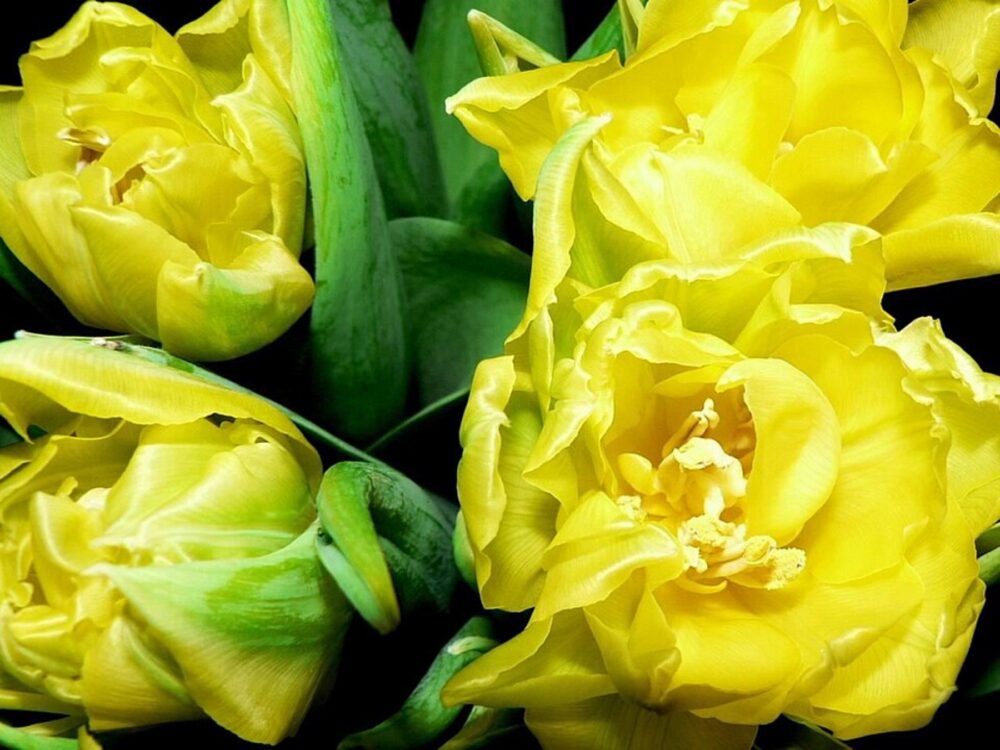
Wholesale tulip and flower bulbs are usually sourced through specialized bulb wholesalers that import from major growing regions like the Netherlands, then resell to US landscapers, garden centers, and online shops. Global marketplaces such as DHgate and Alibaba can be an option if you want to experiment with cross‑border sourcing or very specific varieties, but they’re rarely the first choice for a US business that needs predictable, high‑survival bulbs on a tight planting calendar. Your job is to compare channel fit: how each option handles seasonality, quality, communication, and total landed cost.
DHgate is a China‑based B2B cross‑border marketplace that connects manufacturers and suppliers with buyers worldwide, including small businesses looking for wholesale deals. It can support bulk orders with tiered pricing and relatively low minimums, but with living products like bulbs you need a much stricter due‑diligence process than you would for non‑perishables.
How Wholesale Tulip and Flower Bulb Sourcing Works for US Buyers
Most wholesale tulip and flower bulbs sold in the US start with growers in bulb‑heavy regions such as the Netherlands. Large producers ship bulbs to importers and wholesalers, who then distribute to regional resellers and direct‑to‑business channels.
Examples of US‑focused wholesalers include companies like ADR Bulbs in New York and Colorblends Wholesale Flowerbulbs in Connecticut. They specialize in Dutch flower bulbs and other varieties, typically offering:
- Pre‑planned assortments for landscapers and municipalities.
- Bulk packs for garden centers and resellers.
- Clear planting windows and regional advice.
Seasonality drives everything. Fall‑planted bulbs (tulips, daffodils, crocus) need to arrive in a tight window before the ground freezes. That’s why many US businesses prefer domestic wholesalers: shipping times are shorter, and the importer has already dealt with customs, inspection, and storage.
Cross‑border marketplaces add an extra layer: you’re often buying closer to the origin but you must manage international transit, potential phytosanitary rules, and greater variability in handling.
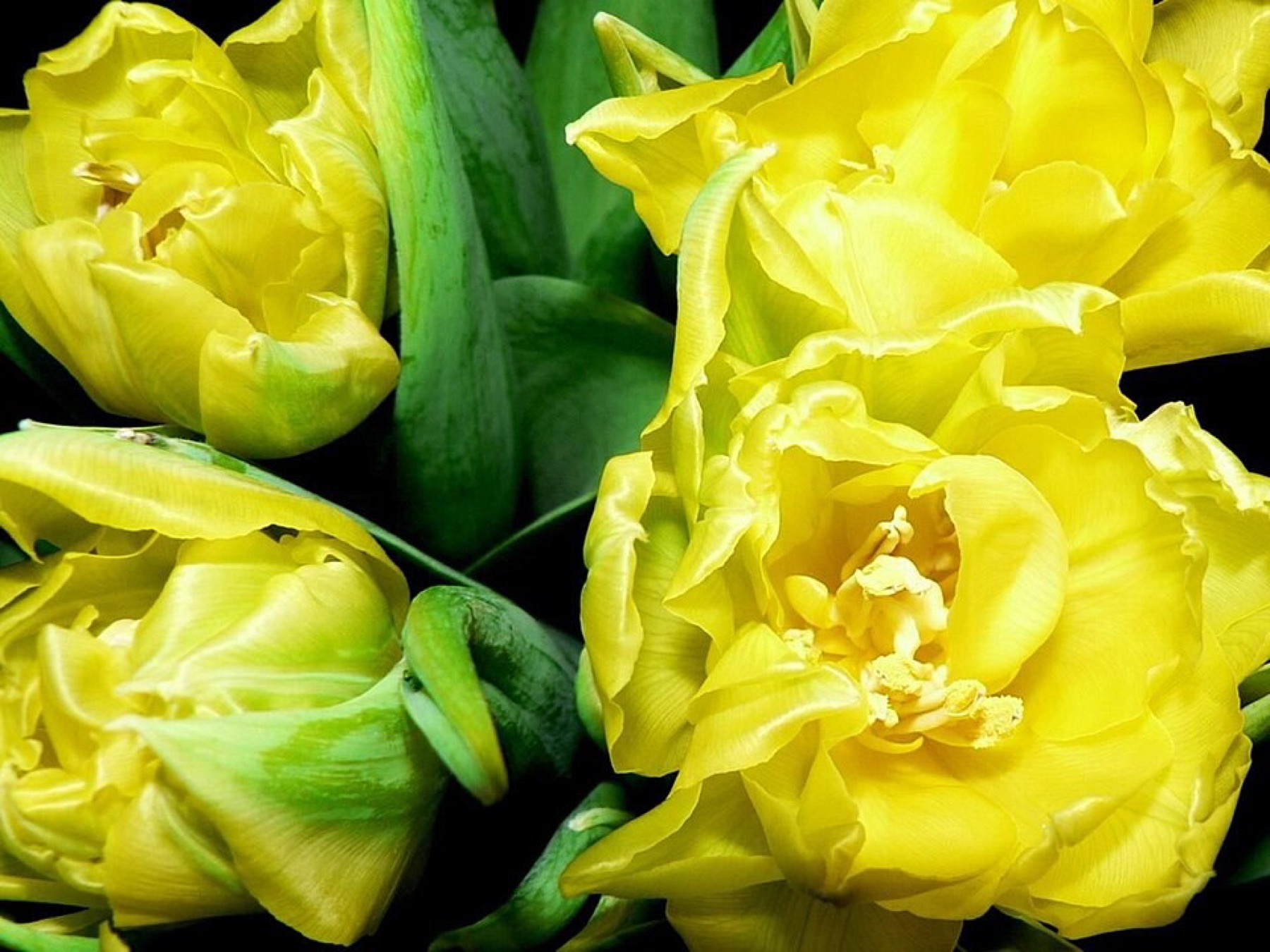
Choosing and Managing Suppliers: Local Wholesalers vs Global Marketplaces
For bulbs, supplier choice is less about finding the absolute cheapest price and more about protecting germination rates, timing, and your reputation with customers.
What to ask a US bulb wholesaler
When you talk to a specialist such as ADR Bulbs or Colorblends, you can be direct and specific:
- Origin and storage: Ask where bulbs are grown and how long they’ve been stored.
- Grading and size: Larger bulb calibers usually produce stronger flowers; ask for sizing standards.
- Seasonal cut‑offs: When is the last date they’ll ship fall bulbs to your region?
- Claims support: How they handle crop failures or poor performance; you’re not asking for guarantees, just their normal practice.
These suppliers tend to understand US climate zones and professional use‑cases (cities, golf courses, commercial beds), so conversations are detailed and practical.
Evaluating DHgate and other marketplaces for bulbs
On DHgate you’re dealing with individual sellers, not the marketplace itself. You need to vet each seller much more carefully:
- Seller ratings and feedback: DHgate uses feedback scores and ratings collected from buyers. Higher scores can signal better past performance, but they are not proof of bulb quality or survival.
- Product detail depth: For bulbs, reject listings with vague descriptions. You want Latin names, bulb size, expected bloom time, and handling instructions.
- Communication: Message the seller with pointed questions: exact variety, current stock age, and realistic ship date to your ZIP code.
- Sampling: Because DHgate often allows small test orders, start with a modest quantity to check viability before committing to seasonal inventory.
If a DHgate seller cannot answer specific agronomic and timing questions, that’s a red flag. For non‑living goods you might tolerate vague answers; for bulbs, you shouldn’t.
Costs, MOQs, Logistics and When DHgate Makes Sense for Bulb Orders
With bulbs, “cheaper” can quickly become “more expensive” once you factor in loss rates, import friction, and missed planting windows. Look at cost structures channel by channel.
How DHgate typically prices bulk orders
DHgate’s own editorial blog describes it as a marketplace oriented toward wholesale buyers and resellers, with some useful features for bulk purchasing:
- Tiered pricing: Many sellers use quantity‑based price tiers. As order volume increases, per‑unit prices can go down.
- Low or flexible MOQs: Compared with some traditional B2B platforms, DHgate listings often allow relatively low minimum order quantities or even single‑unit purchases, making it easier to test suppliers.
- Small test quantities: Platform guidance encourages buyers to request samples or place small trial orders before committing to larger volumes.
- Periodic sales: Editorial content mentions seasonal promotions and sales events that can further reduce wholesale costs, though you cannot rely on a specific discount level being available when you order.
For bulbs, those mechanics are useful mainly for experimentation: you can try a seller with limited risk in dollar terms, while accepting higher risk in crop performance.
Comparing channels on fit (not just price)
Here’s a compact view of how different sourcing routes tend to fit bulb buyers. All cells are editorial judgment based on how these channels operate, not platform guarantees:
| Channel type | Best for | Typical strengths | Key risks for bulbs |
|---|---|---|---|
| US bulb wholesalers (ADR, Colorblends) | Landscapers, municipalities, garden centers | Seasonal expertise, tested supply chain, clear timing | Higher upfront price than some marketplaces |
| DHgate | Small resellers testing niche items, experimental orders | Low MOQs, tiered pricing, many global suppliers | Quality variability, longer transit, complex import |
| Alibaba and similar platforms | Larger importers with logistics experience | Wide supplier pool, factory‑level deals | Higher MOQs, more negotiation effort |
Scenario: landscaper vs online reseller
- Commercial landscaper in the Midwest: You’re installing thousands of tulips across municipal beds and need consistent bloom and firm ship dates. A US wholesaler is usually the better fit. The time and risk involved in cross‑border bulb importing can outweigh any savings.
- Online reseller testing a new bulb niche: You run a small e‑commerce shop and want to trial an unusual variety without committing to a full pallet. Here DHgate can make sense: place a small test order with a highly rated seller, document results, then decide whether to scale up or move to a more traditional bulb importer.
Practical DHgate Tactics Applied to Living Bulbs
If you do decide to explore bulbs on DHgate, use its marketplace mechanics in a conservative, bulb‑specific way:
- Search narrow, not broad: Use Latin names plus “bulb” in English search terms, and filter for listings with detailed horticultural specs.
- Screen sellers by evidence, not vibe: Combine feedback scores, badges, and length of time on the platform with the quality of their answers to your bulb‑specific messages.
- Use test orders strategically: Take advantage of small MOQs to run viability tests early in the season. Track how many bulbs sprout and bloom before you consider larger import volumes.
This is where DHgate’s ability to support both small and bulk orders can help: you’re not locked into huge MOQs while you learn which overseas suppliers can deliver bulbs that survive US handling and climate.
Where DHgate Fits in a Broader Sourcing Strategy
DHgate is one of several global wholesale marketplaces, alongside platforms like Alibaba, that SMB buyers use when they need fast access to multi‑category suppliers. For tulip and flower bulbs specifically, it’s best treated as a supplement to your main sourcing channels, not the core.
A pragmatic approach for a US small business:
Before choosing a DHgate supplier, use Find wholesale suppliers on DHgate, Find DHgate suppliers, and Choose a DHgate wholesale supplier.
- Use US bulb specialists (ADR Bulbs, Colorblends, similar regional wholesalers) for your critical seasonal installs and core catalog.
- Deploy DHgate for controlled experiments: unusual varieties, off‑season test batches, or non‑bulb gardening accessories.
- Consider larger‑scale platforms like Alibaba only once you have proof that cross‑border bulb importing fits your logistics and regulatory comfort level.