
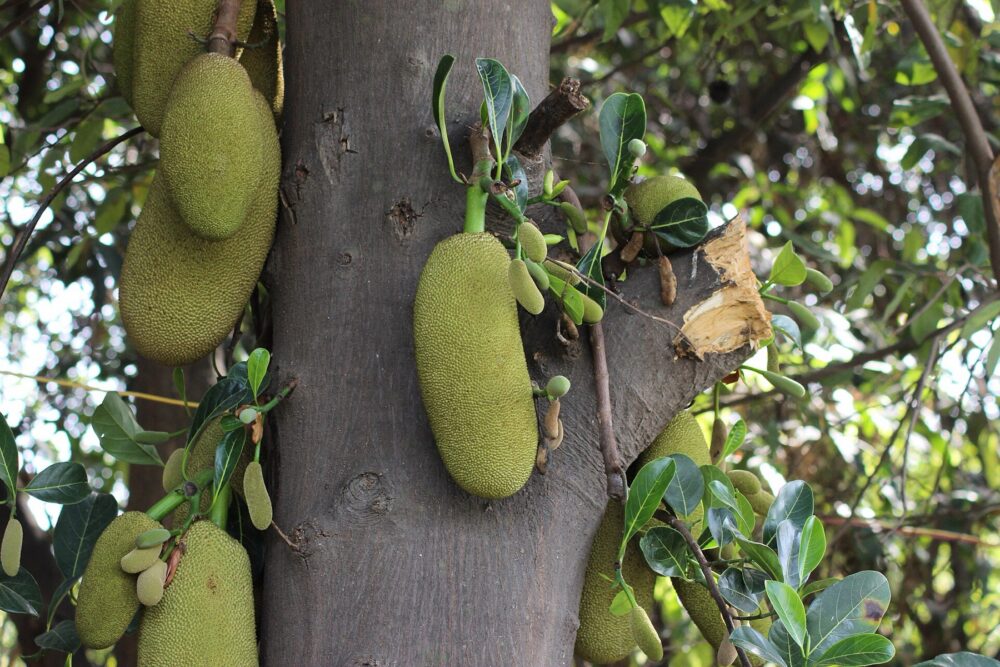
If you’re buying Jatobá, your first decision is which form you actually need: live tree, seeds, edible fruit pulp, bark, or resin. The tree sold as Jatobá is generally Hymenaea courbaril, native to Central and South America; its hard pods contain a dry, sweet pulp, while bark and resin are used as traditional herbal ingredients.Jatobá profiles and Hymenaea references make clear that different plant parts are commercialized for very different uses, so you should match the form to your goal before comparing sellers or platforms. DHgate can be a practical option mainly for seeds and general gardening supplies, but most food and herbal Jatobá products currently come from specialty Latin American and herbal sites.
What Jatobá Tree and Fruit Products Are You Actually Buying?
Jatobá is not a single product; it’s a tropical tree plus a group of ingredients harvested from it.
Botanically, Jatobá commonly refers to Hymenaea courbaril and related Hymenaea species found in the Brazilian Cerrado and other Latin American ecosystems.Species overviews describe a large tree with hard, elongated pods. Inside those pods is a beige, dry pulp that’s edible and used in local food traditions; wood from the tree is also valued, but that’s outside the scope for most buyers.
From a buyer’s perspective, you’ll mostly see:
- Live plants or seeds labeled as Hymenaea courbaril or “Jatobá” – aimed at home growers or agroforestry projects.
- Whole pods or cleaned pulp – sold as an exotic food ingredient, sometimes under names like “stinking toe” or just “Jatobá fruit.”Fruit descriptions note a sweet, slightly acidic pulp used in recipes and traditional preparations.
- Bark (peel) and resin – cut and sifted bark or chunks of resin marketed as traditional herbal ingredients or for artisanal uses.Traditional-use articles list peel, fruit, and seed as distinct materials.
So before you browse marketplaces, ask a very specific question: are you trying to grow a Jatobá tree, formulate a food product, or buy a non-food plant ingredient? The answer will push you toward seeds/live plants, edible pulp, or bark/resin respectively.
Comparing Jatobá Options: Trees, Seeds, Fruit, and Herbal Ingredients
The main Jatobá product types differ on species, processing, and how practical they are to ship to the US. Here are the specs that matter.
Key differences by product type
| Product type | Typical use in US | Critical specs to check | Cross-border practicality* |
|---|---|---|---|
| Seeds | Home growing, small nursery | Species name (Hymenaea courbaril), origin, viability notes | High (dry, compact) |
| Live tree/seedling | Landscaping, collection | Species, pot size, climate requirements | Low–medium (fragile, regulated) |
| Whole pods / pulp | Food ingredient | Edible claim, drying method, origin, packaging | Medium (shelf-stable but bulky) |
| Bark (peel) | Herbal ingredient, tea | Plant part, cut/sift grade, origin | High (dry, compact) |
| Resin | Herbal / artisanal use | Species, form (chunks/powder), origin | High (dry, compact) |
*Editorial judgment based on product form; not a promise about any specific seller or platform.
What to look at for each type
Seeds and live trees for growers. If you’re a home grower or nursery, prioritize listings that clearly use the botanical name Hymenaea courbaril or another Hymenaea species, rather than vague “tropical tree” labels. Because Jatobá is native to Latin America,species references make origin relevant: seeds collected from Brazilian Cerrado populations may have different climate expectations than seeds harvested in a Caribbean or greenhouse setting.
For seeds, practical specs include:
- Quantity (number of seeds, not just weight)
- Any note on pre-treatment (scarification, soaking) for germination
- Harvest season or year, which affects viability
Live trees add logistics issues: height, pot size, and how the plant is packaged all affect survival. For US buyers, importing live Hymenaea plants can trigger plant health regulations, so many stick to seeds and grow on domestically.
Fruit pods and pulp for food. Jatobá pulp is typically sold dried or as whole pods that you open yourself. Specialty food retailers focused on exotic fruits, including some Latin American-focused sites, already ship dried Jatobá products internationally; for example, Exotic Gourmand’s Jatobá listing shows fruit offered to overseas buyers.
For food use, prioritize:
- Clear distinction between edible pulp versus non-edible parts
- Processing method (sun-dried, oven-dried, ground) because it changes texture and shelf life
- Country or region of origin
Bark, peel, and resin for herbal or artisanal use. Articles on Jatobá’s traditional uses describe bark, peel, fruit, and seed as separate materials with different preparation methods.GHSAgenda’s overview describes peel and seed handling without promising any health outcomes. Commercially, you’ll see cut-and-sift bark sold by herbal suppliers, sometimes with kosher or other food-grade descriptors, and resin offered by Latin American craft or herbal shops.
Specs that matter here include:
- Identification of the plant part (bark/peel vs wood vs resin)
- Botanical name, preferably Hymenaea courbaril
- Cut size (fine vs coarse) if you’re blending or extracting
- Packaging (sealed bags vs jars) and storage recommendations
For a small herbal brand in the US, bark and resin are usually easier to import and store than fresh pods, which can be bulky and more perishable.
Buying Jatobá Online: Quality Signals, DHgate’s Role, and Alternative Channels
Once you know which Jatobá form you need, you can match it to realistic online channels and listing-level signals.
Quality and fit signals in listings
Because Jatobá is still niche for US buyers, many listings won’t be standardized. Focus on details that are specific to this tree:
- Species naming: Look for Hymenaea courbaril or another Hymenaea species spelled out in the title or description. This reduces confusion with unrelated tropical trees.
- Origin within Latin America: References to the Brazilian Cerrado or other Latin American ecosystems are consistent with Jatobá’s natural range,as noted in species profiles, though they don’t guarantee anything by themselves.
- Product form clarity: Edible pulp vs bark vs resin should be explicit. Listings that mix food and herbal language without saying which part is included are higher-risk.
- Processing level: Especially for dried pulp and bark, basic descriptors like “sun-dried” or “cut and sifted” help you judge shelf life and your own handling.
For food products, many US buyers and small e-commerce brands gravitate toward specialty food retailers that already handle export of Brazilian and other Latin American ingredients. The Exotic Gourmand Jatobá fruit page,for example, shows how a dedicated site frames origin and use, which is different from a generic marketplace listing.
Where DHgate realistically fits
For Jatobá overall, DHgate is not yet a primary destination for fruit pulp or herbal bark. Its clearest relevance is as a general seed and gardening marketplace. DHgate’s own editorial content describes a broad selection of plant and vegetable seeds, plus gardening supplies, sold by multiple independent sellers.The platform’s seed guide highlights diverse vegetable and garden seeds and notes that buyers can review and rate sellers.
That structure matters if you’re sourcing Jatobá or other tropical tree seeds:
- You can use seller ratings and buyer reviews as one data point on seed quality, instead of treating every listing as equal.
- You can ask listing-specific questions about species identification and origin before placing an order.
However, you should not assume that Jatobá seeds are actually listed at any given time; availability is fluid, and our research did not confirm live Jatobá listings on DHgate. If you don’t find Jatobá there, use the same evaluation logic for closely related products (general tropical tree seeds) or shift to Latin American seed vendors or botanic gardens that explicitly label Hymenaea species.
Practical mini-scenarios
Home grower in Florida. You’re curious about Jatobá as a specimen tree. Your best route is to look for Hymenaea courbaril seeds from Latin American seed specialists or general marketplaces, checking species name and origin carefully. DHgate can be browsed for tropical tree seeds, but if you don’t see clear Hymenaea labeling, you’re better off with a vendor that specializes in Cerrado species.
Small herbal brand building a Latin American line. You need stable, shelf-ready ingredients. Dried Jatobá pulp for a food product will likely come from specialty food importers similar to Exotic Gourmand, while bark or resin may be sourced from herbal suppliers that already ship Hymenaea courbaril cut-and-sift material internationally. DHgate’s gardening categories are less relevant here than dedicated herbal channels.
For additional DHgate platform context, use What DHgate is and how the marketplace works, Find trusted sellers on DHgate, and Review the DHgate order-readiness checklist.
In both cases, your decision hinges less on the marketplace brand and more on matching the product form (seeds, pulp, bark, resin) to your use, verifying Hymenaea species naming, and choosing channels that already handle cross-border shipping for that specific form.