
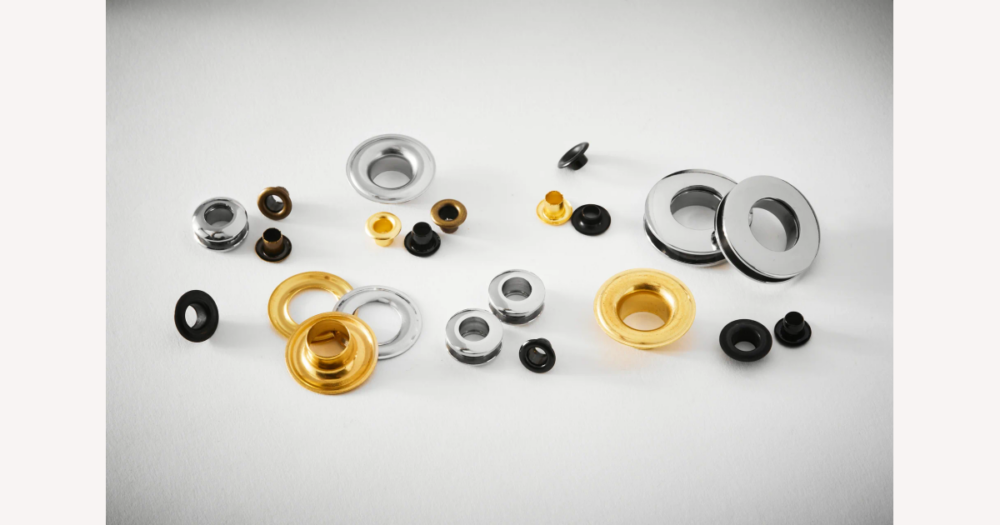
DHgate can be a useful place to buy grommet screws and grommets, but only if you treat every listing as something to verify rather than something to trust by default. This guide shows you how to read specs, materials, and photos in DHgate listings, how to check seller ratings and reviews, and how to factor in payment, shipping, and dispute protections so you can decide for yourself which grommet hardware is suitable and how much risk you’re willing to take.
Using DHgate to buy grommet screws and grommets
DHgate is a major cross-border marketplace where many buyers source hardware like grommet screws and grommets, but it works best if you treat it as a place to compare options carefully rather than as an automatic guarantee of quality. Because you’re ordering from independent sellers and often from overseas, it’s important to read each listing closely, check measurements and materials, and pay attention to how clearly the seller describes what they’re offering.
This guide focuses on helping you interpret DHgate listings for grommet hardware—understanding specs, materials, and photos—alongside key seller details such as ratings, reviews, order history, and communication. It also explains how DHgate’s protections around payment, shipping information, and dispute or refund processes fit into your decision so you can judge both product suitability and transaction risk before you commit. You won’t find direct product links or endorsements here; instead, you’ll get criteria and checks you can apply to your own DHgate searches for grommet screws and grommets.
Common types of grommet screws and grommets
Most grommet hardware on DHgate falls into a few familiar families. Standard two-piece grommets consist of a ring and a separate washer that clamp around a pre-punched hole; they’re common for curtains, canvas tarps, fabric covers, and banners where you need a reinforced hole but the grommet itself doesn’t have to be removed. Self-piercing grommets look similar but are designed so that, with the right die or tool, they punch and set in one step through many fabrics or vinyl banners, which can speed up repetitive work.
Screw-together grommets and grommet screws are used when you want a more secure mechanical connection into a panel or backing, or when you may need to disassemble the hardware later. You’ll see them on thin metal or plastic panels, rigid signs, and some heavier leather or composite parts where you want the grommet to lock in place rather than just crimp around fabric. Lighter-duty press-fit or snap-style eyelets, by contrast, are usually meant for decorative or low-load uses such as fashion details on fabric, thin leather tags, or small craft projects and rely more on friction than on a strong mechanical lock.
Before you start comparing DHgate listings, think first about your material (fabric, leather, vinyl, or a rigid panel), its thickness, whether the grommets are mainly decorative or will carry real load, and whether the item will live indoors or outdoors. Once you’ve answered those questions, match your project to the broad hardware family that suits it—standard or self-piercing grommets for many fabrics and banners, screw-together grommets for rigid panels or higher loads, and snap-style eyelets for light-duty, decorative work—so you’re not choosing hardware just because it looks similar in photos.
Key specifications to read in DHgate listings
- Check the inner diameter (ID) and outer diameter (OD). ID tells you what can pass through the grommet—such as a cord, hook, or bolt—so compare it to the actual size of the item going through. OD, including the flange, shows how much area around the hole the hardware will cover and support, which matters for preventing tearing in softer materials.
- Look for neck length, grip range, or supported material thickness. These values should cover the total thickness of your fabric, leather, or panel; if the stack is thicker than the stated range, the parts may not clamp properly, and if it’s much thinner, the joint can feel loose.
- Review flange or rim size in relation to your material. A wider flange spreads the load over a larger area and is usually better for soft or fragile substrates like light fabric or thin vinyl. Smaller flanges can be fine on firmer materials but may concentrate stress and increase the risk of pull-through on weaker ones.
- Confirm screw length and thread type for grommet screws. The screw must be long enough to engage fully with the backing piece or panel without bottoming out or leaving threads barely engaged. Thread standards (for example, metric vs. imperial, coarse vs. fine) should match the nut, insert, or pre-tapped hole you plan to use, or the parts may not assemble at all.
- Note the material and finish listed in the specs. Material affects strength and typical corrosion resistance, while finish influences appearance and may add some protection. Use these fields to align the hardware with your environment—such as dry indoor use vs. damp or outdoor use—without assuming that any single listing guarantees a particular performance level.
- Check quantity per pack and whether the listing mixes sizes or colors. Some DHgate packs include assorted diameters or finishes; make sure the size you need is actually included in the quantities you expect so you don’t end up short of the critical parts for your project.
- Verify measurement units and completeness of the specs. DHgate listings may switch between millimetres and inches; convert everything to one system and measure your own materials and hardware with a ruler or caliper before comparing. Treat listings with missing, inconsistent, or vague dimensions as higher risk, especially for load-bearing, weather-exposed, or otherwise demanding applications, and reserve any relaxed checking for low-stakes, purely decorative projects.
Material and finish choices for grommets and screws
- Brass grommets and screws are typically resistant to many forms of corrosion and have a warm, attractive finish, which makes them a common choice for curtains, banners, and decorative hardware where appearance matters as much as function.
- Stainless steel generally combines high strength with very good corrosion resistance, so it is often used where the hardware may see moisture, outdoor exposure, or heavier loads, such as outdoor tarps, marine-influenced environments, or structural fixings on rigid panels.
- Plated or zinc-coated steel is usually the most economical option and can perform well for moderate-duty indoor projects, but the underlying steel can rust sooner if the coating is thin, scratched, or worn, so it is less suitable for long-term exposure to harsh weather or frequent abrasion.
- Plastic grommets and eyelets are lightweight and non-corroding but offer much lower strength than metal, making them better suited to very light-duty or purely decorative applications like craft projects, tags, or garments that won’t be heavily loaded.
- Finishes such as plain, polished, colored, or plated mainly change the look of the hardware and can add some extra protection, but they do not by themselves guarantee a specific level of durability or corrosion resistance; treat them as part of the aesthetic and context, not as a substitute for choosing an appropriate base material.
- For outdoor, wet, or high-load installations, favor inherently more durable materials like stainless steel or solid brass and be especially cautious of very low-priced listings with sparse descriptions, while for low-stakes indoor crafts you can often accept more basic plated steel or plastic as long as the other specs still match your project.
Ensuring compatibility with your material and tools
To keep grommet screws and grommets compatible with your project, start by measuring the actual thickness of the material stack where each grommet will sit. Include all layers—fabric plus interfacing, leather folded over, or panel plus any backing—and compare that measurement to the “thickness range,” “grip range,” or post/neck length stated in a DHgate listing. If the material stack is thicker than the neck length, the parts may not roll or clamp properly; if it is much thinner than the lower end of the range, the grommet can feel loose and may spin or rattle.
Think about whether your substrate is soft and flexible or relatively rigid. Soft materials such as canvas, nylon fabric, vinyl, or thin leather usually work best with grommets designed to flare gently and spread the load, often paired with washers on the back. Thin plastic or metal panels, on the other hand, are less forgiving and often need hardware that is described as suitable for rigid sheets, sometimes using screw-together grommets or fasteners that clamp rather than roll. If a DHgate listing only shows very light fabrics in the photos or mentions “cloth” or “garment” use, be cautious about using that item on stiff panels or very thick leather without extra backing.
Tool compatibility matters as much as the hardware itself. Some grommets are meant to be set with simple hand punches and a hammer, while others require a specific die set or a press, and screw-together styles may only need a screwdriver or wrench. Check whether the listing explicitly states the required tool type and size, and whether tools are included or sold separately. If you already own a setter or die kit, match its size markings and shape (for example, standard two-piece grommets vs. self-piercing styles) to the grommets’ size code in the listing so you are not forced to buy a new tool set unexpectedly.
When thickness, substrate type, or tool requirements are mismatched, problems show up quickly: grommets can crush and deform instead of flaring cleanly, pull out under load, crack a brittle panel, or prove impossible to install with your existing tools. For critical projects—such as outdoor tarps, load-bearing straps, or long-term signage where failure would be costly—I would double-check thickness against the stated range, confirm the substrate type the seller mentions, and, if possible, set a test grommet in scrap material before committing to a full installation. For lower-stakes decorative crafts or small indoor projects, you can afford to experiment a bit more with generic assortments, but it still pays to verify at least basic size and tool compatibility so you’re not left with hardware you can’t use at all.
Bridging product fit with DHgate seller checks
At this point you have done the product-side work: you’ve identified the general grommet or screw-together style you need, noted key dimensions like inner diameter and grip range, chosen a suitable material and finish, and checked that the hardware should work with your fabric, leather, or panels and with the tools you have.
Even so, a technically correct choice can still go wrong if the DHgate seller is unreliable, their descriptions are vague or inconsistent, or their return and refund terms are stricter than you expect. I would not treat a listing as trustworthy just because the specs look right; it also needs a solid track record of fulfilled orders, clear photos and sizing information, and policies you can live with if something arrives damaged or off-spec.
DHgate-specific signals—seller ratings, buyer reviews, order volume, and how sellers describe their items—now sit alongside a practical checklist for shipping, payment protection, disputes, and refunds. The goal is to combine the technical fit you’ve already worked out with careful seller and policy checks so that, before you place an order, both the hardware itself and the transaction feel acceptable for the level of risk in your project.
Using DHgate quality signals for grommet hardware
When you start comparing grommet hardware on DHgate, treat seller ratings as your first quick filter. Look at both the score and how many completed transactions it’s based on: a high rating with hundreds or thousands of orders is more reassuring than the same score from only a handful of sales.
Product-level reviews for the specific listing deserve a closer look. Prioritize recent reviews that include clear photos and comments about real-world use—whether the grommets matched the stated size, how the material felt, and how installation went. Consistent positive feedback on fit and durability is a much stronger signal than a few short comments that say only “good” or “ok.”
Order volume and wishlist numbers can act as supporting context. A listing that has been ordered many times or saved by many users is more likely to reflect stable demand, but these numbers do not replace careful reading of ratings and reviews. Treat them as a secondary indicator that complements, rather than overrides, direct buyer feedback.
Listing clarity is another important signal. For grommet screws and grommets, look for precise specs with units (mm vs. inches), consistent terminology across the description, and photos that match the sizes and colors offered. When size charts, photos, and variant options all line up, it suggests the seller pays attention to detail, which matters for hardware that must fit accurately.
By contrast, vague descriptions, inconsistent or recycled photos, or a complete lack of reviews on technically demanding items should make you cautious. If you cannot clearly confirm dimensions, materials, and pack contents from the listing itself, the risk of receiving hardware that doesn’t fit or feels flimsy is much higher.
Some DHgate listings mention standards or certifications for strength or corrosion resistance. Treat these references as tentative rather than proof: unless you recognize the standard and can verify that it is applied credibly, assume they are marketing claims that need backing from reviews and detailed specs.
In the same way, words like “premium,” “high quality,” or “heavy duty” are just advertising language. Base your trust mainly on observable evidence—seller rating and order history, buyer photos and detailed comments, clear dimensions and materials—rather than on superlative phrasing in the title.
For minor, low-stakes projects, such as a decorative banner you’ll use briefly, you might accept thinner evidence as long as you avoid obvious red flags like very low ratings, no reviews, or confused sizing information. For more demanding uses—outdoor tarps, leather gear, or anything safety-related—I would insist on stronger signals: substantial transaction history, specific reviews about durability and fit, and listings that make it easy to verify every key spec before you even consider ordering.
A DHgate buyer checklist for grommet screws and grommets
- Confirm that the listing’s key specs match what you’ve already defined for your project. Check inner and outer diameter, material and finish, neck length or thickness range, screw size and thread type, and quantity per pack against your measurements and planned use.
- Open the seller’s profile and review their overall rating, how long they have been active on DHgate, and their total number of orders or followers. Prefer sellers with a solid history of completed transactions and consistently good feedback over newer or rarely used accounts.
- Read several recent reviews for the exact listing, focusing on those with photos and detailed comments about fit, material quality, and installation experience. Pay attention to recurring issues—such as undersized grommets, thin metal, or missing pieces—which can matter more than one-off complaints.
- Compare available shipping methods, estimated delivery times, and costs. Factor in that cross-border shipping can take longer and may vary significantly between options, and decide whether the time frame is acceptable for your project before you place the order.
- Check which payment methods are accepted and note any DHgate protections, such as holding funds until delivery is confirmed and providing a dispute channel if the item arrives damaged or significantly different from the description. Use these protections by keeping all communication and evidence within the platform.
- Locate the seller’s stated return and refund terms in the listing details or on the seller’s page. Policies can differ between sellers, so review conditions such as who pays return shipping, time limits for claims, and what counts as “significantly not as described” before you rely on being able to send items back.
- Before you commit to checkout, mentally run through this whole checklist: specs and quantities, seller track record, reviews, shipping, payment protections, and return/refund terms. Treat the order as safe only when the hardware fits your technical needs and the seller’s history and policies feel acceptable for the level of risk and hassle you’re willing to take on.
Common pitfalls to avoid on DHgate
- Mixing up millimeters and inches. Many DHgate listings use mm, but some use inches or mix both. If you assume the wrong unit, your grommets or screws can end up far too large or too small for the hole or hardware you planned. Avoid this by always checking which unit the listing uses, converting measurements if needed, and comparing them directly to your project’s actual dimensions.
- Ignoring material thickness. Choosing grommets only by inner diameter without considering the grip or neck length can leave you with hardware that cannot clamp your fabric, leather, or panel securely. Too short and the pieces won’t roll or bite; too long and the grommet can feel loose and spin. Prevent this by measuring the full thickness of your material stack and matching it to the thickness or grip range stated in the listing.
- Overlooking screw thread standards or types. Grommet screws that don’t match your existing inserts or nuts will bind, strip, or fail to tighten properly. Threads may be metric or imperial and come in different pitches. Reduce this risk by confirming the thread size and type in the listing and matching it to your existing hardware or planned inserts, rather than relying on a vague description like “fits most screws.”
- Missing minimum order quantities or wholesale pack sizes. Some DHgate sellers list prices that apply only to bulk packs or require a minimum number of units. If you skim past these details, you can end up with far more grommets or screws than you need, or a higher total cost than expected. Check the quantity per pack and any stated minimum order clearly, and compare it with your project’s actual quantity before adding items to your cart.
- Assuming all sellers share the same return and refund policy. DHgate is a marketplace, so each seller can set different conditions for returns, exchanges, and refunds. If you assume a generous policy and order without checking, you might be unable to send back unsuitable hardware or may have to pay return shipping overseas. Always review the specific seller’s return and refund terms and treat stricter policies as part of your risk assessment, especially for higher-value or time-sensitive projects.
- Treating careful checks as optional. Skipping unit, thickness, thread, quantity, and policy checks might feel faster, but it increases the chance of unusable hardware and wasted money. Use the earlier specs, compatibility guidance, and DHgate buyer checklist as a quick cross-check before ordering; for low-stakes craft projects you might accept more experimentation, but even then it’s worth avoiding these obvious, preventable mistakes.
FAQ: Brand names vs. seller track record on DHgate
When DHgate listings for grommet screws and grommets show unfamiliar brands or no brand at all, should I rely more on brand names or on the seller’s track record?
For grommet screws and grommets on DHgate, the seller’s track record is usually a better indicator than the brand name alone. Many cross-border listings use lesser-known or generic brands, and labels can be inconsistent, so a familiar logo by itself doesn’t guarantee higher quality and an unfamiliar name doesn’t automatically mean poor hardware.
Focus first on evidence you can see on DHgate: the seller’s overall rating and how many orders it’s based on, patterns in recent reviews (especially comments about fit, material thickness, and installation), clear and consistent specs, and whether the seller responds helpfully to buyer questions. A seller who repeatedly delivers correctly described hardware and communicates well is generally a safer bet than a weakly rated seller offering a brand you happen to recognize.
A known brand can add some reassurance, especially if it’s one you already trust from other contexts, but it should never replace basic checks. Still verify specs (dimensions, thread type, grip range), materials and finishes, pack quantities, shipping terms, and the seller’s return and refund policies. When branding is unfamiliar or missing, treat that as a signal to scrutinize these platform-specific details more closely, not as a reason to automatically reject or accept the listing.