
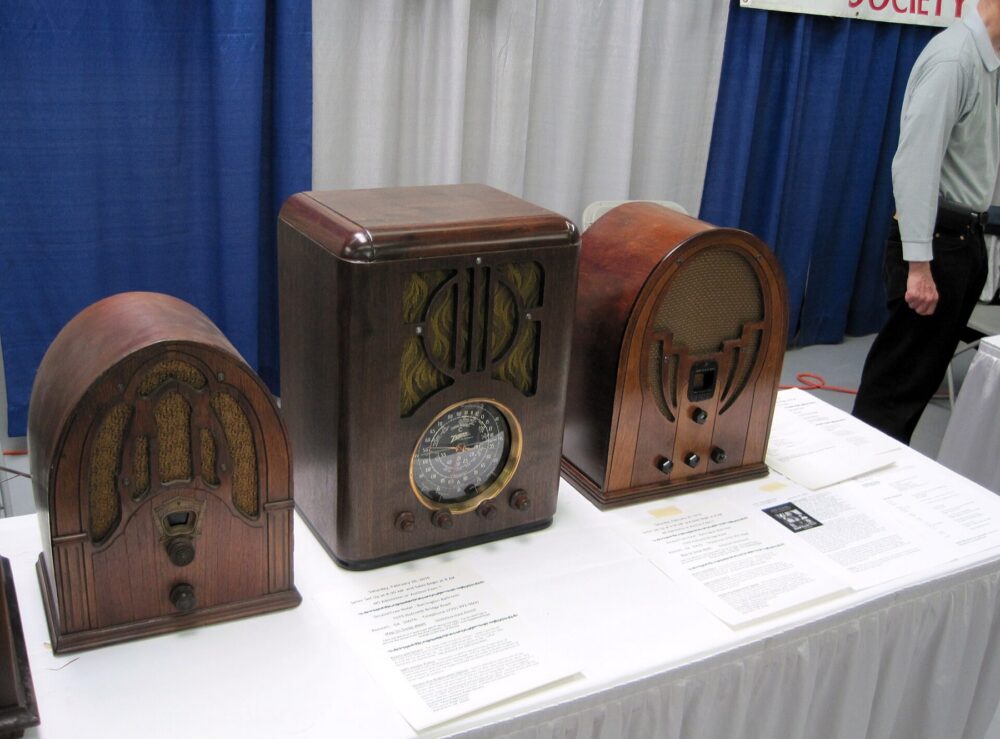
If you’re choosing antique or vintage radios, start by deciding whether you want a true collectible, a safe working set, or low-cost retro decor. Collectors and serious listeners usually need original or professionally restored sets; decor buyers and small UK shops often do better with retro-style or Bluetooth radios that merely look vintage. DHgate sits mainly in that last bucket: it positions itself as a way to source vintage-style and radio/cassette-inspired products in bulk at relatively low prices via direct buyer–seller connections, while specialist platforms are still the main route for genuine antique radios.
Once you’re clear on your goal, the rest is about era, internals (valves vs transistors vs Bluetooth), band coverage, condition, and safety.
What counts as an antique or vintage radio today?
“Antique” and “vintage” get used loosely online, but you can think in three broad product types:
- True antiques (roughly pre‑1950 valve/tube radios)
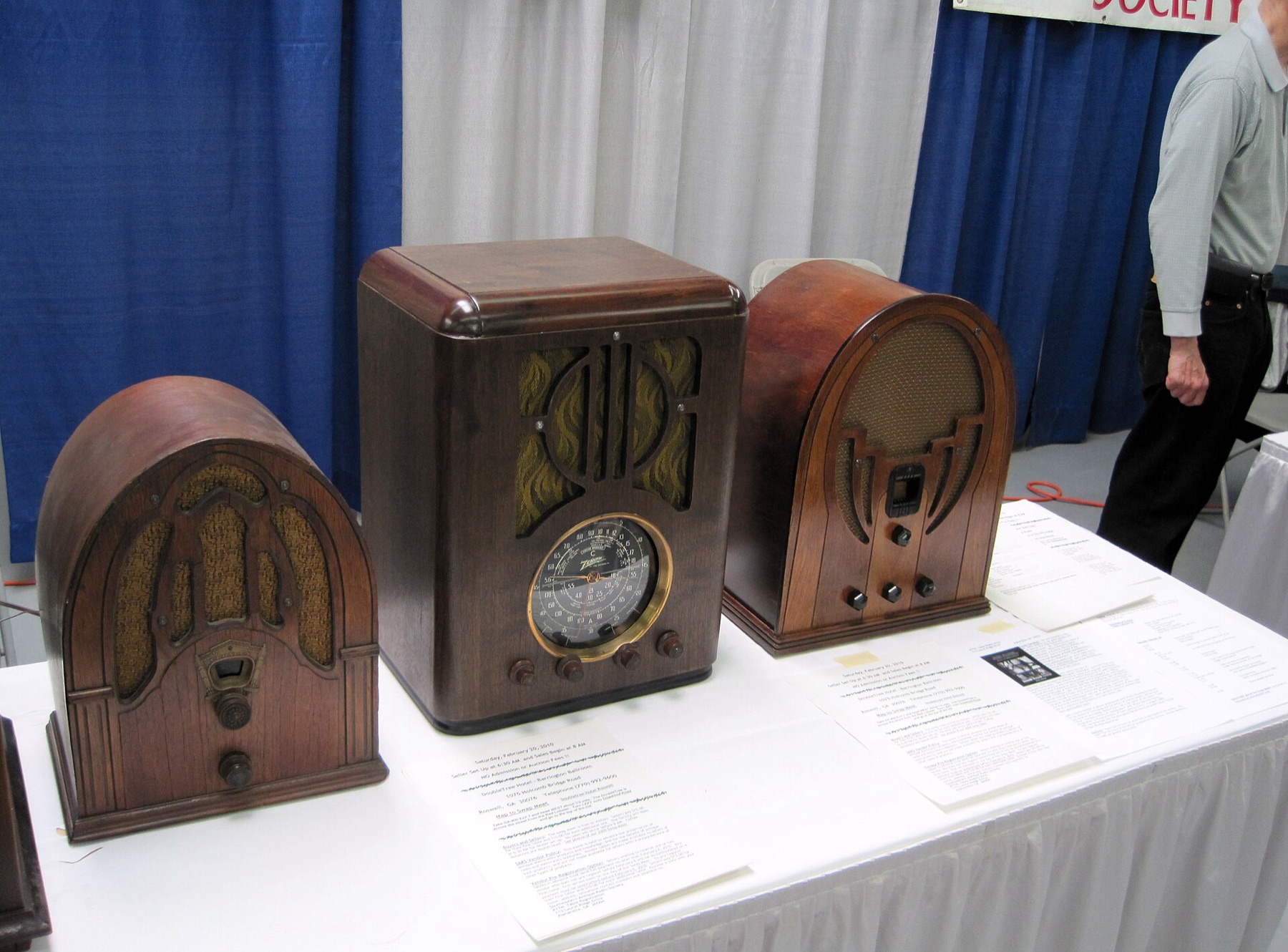
These are the big wooden or Bakelite sets from the 1930s–40s, often with glowing valves and rich AM sound. Value and desirability typically depend on era, maker, rarity, cosmetic condition, and whether the radio still works or has been professionally restored, as appraisers like Appraisily point out. They’re best for collectors or statement pieces in a home, bar, or themed café.
- Mid‑century and late‑20th‑century vintage (1950s–1970s)
These include smaller transistor portables and mid‑century table radios. They’re usually more practical for occasional listening: lighter, cooler-running, and less fragile than 1930s valve sets. They’re common on broad marketplaces and specialist vintage radio sites, and they suit buyers who want a genuine period feel without the maintenance burden of very early sets.
- Retro-style and modern replicas (1980s onward, including Bluetooth)
These are new products designed to look old: plastic or wood cabinets styled like 1950s consoles, but with solid-state electronics, FM, and often Bluetooth or USB. Vintage gadget guides from platforms like Alibaba Electronics emphasize these as “nostalgia plus practicality” – they trade collectible value for everyday usability. DHgate and similar cross-border marketplaces mostly sit here, alongside radio/cassette hybrids and novelty sets.
Each type lines up with different buyers:
- A UK collector chasing brand rarity and originality is usually in the antique or early vintage buckets.
- A café owner wanting safe, reliable background music might prefer a mid‑century radio that’s been modernized, or a new retro/Bluetooth unit that simply looks the part.
- A small e‑commerce shop needing 50 pieces for retro decor inventory will usually lean toward modern replicas, where DHgate and other B2B-style marketplaces are relevant.
Key factors to compare when choosing a vintage radio
Buying advice from collectors and marketplace Q&A threads tends to circle around the same core questions: what era is it, how original is it, does it work, and is it safe to power up?
Era, bands and internals (valves vs solid-state vs Bluetooth)
- Era and maker: Earlier sets from notable brands are often more desirable, but also more complex and risky to run on mains if unrestored. Guides like Appraisily’s value overview stress that maker and production run influence rarity and demand.
- Band coverage: Decide what you’ll actually listen to. Many 1930s–40s sets are AM/LW only; mid‑century sets may add shortwave; modern retro units usually focus on FM and Bluetooth. Vintage buying guides urge you to balance nostalgia with these practical factors—if you care about FM or streaming from a phone, a purely antique set may never meet your needs.
- Valves vs transistors vs Bluetooth boards:
- Valve radios deliver that classic warm glow and sound but run hot, use high voltages and often need recapping and rewiring.
- Transistor radios are safer and more stable for casual use, with lower power draw and easier servicing.
- Retro Bluetooth radios ditch radio nostalgia at the circuit level while keeping the look, which is ideal for shops, rentals, or cafés that just want a “vintage” surface.
Originality, restoration status and cosmetics
Antique radio Q&A sources recommend three practical checks before you buy online:
- Model identification and originality: Can you clearly match the model number and cabinet style to known references? Are major parts (dial, knobs, grille) original or obvious replacements? Listings with clear model IDs and detailed photos tend to be safer for collectors than vague “old radio” descriptions.
- Working vs project vs decor-only: Vintage radio advice often warns you to decide upfront whether you want a working set, a restoration project, or a non-functional piece for display. A “lights up but no sound” set can be charming decor but may hide serious electrical issues.
- Cosmetic condition: Cracked Bakelite, chipped veneers, or dial damage can be deal-breakers for resale. On the other hand, a clean cabinet with non-working electronics can still be great decor inventory for a UK online shop.
Electrical safety: a cautious callout for UK buyers
Most collector and hobbyist articles stress that old mains-powered sets should not be plugged in blindly. Common cautions include:
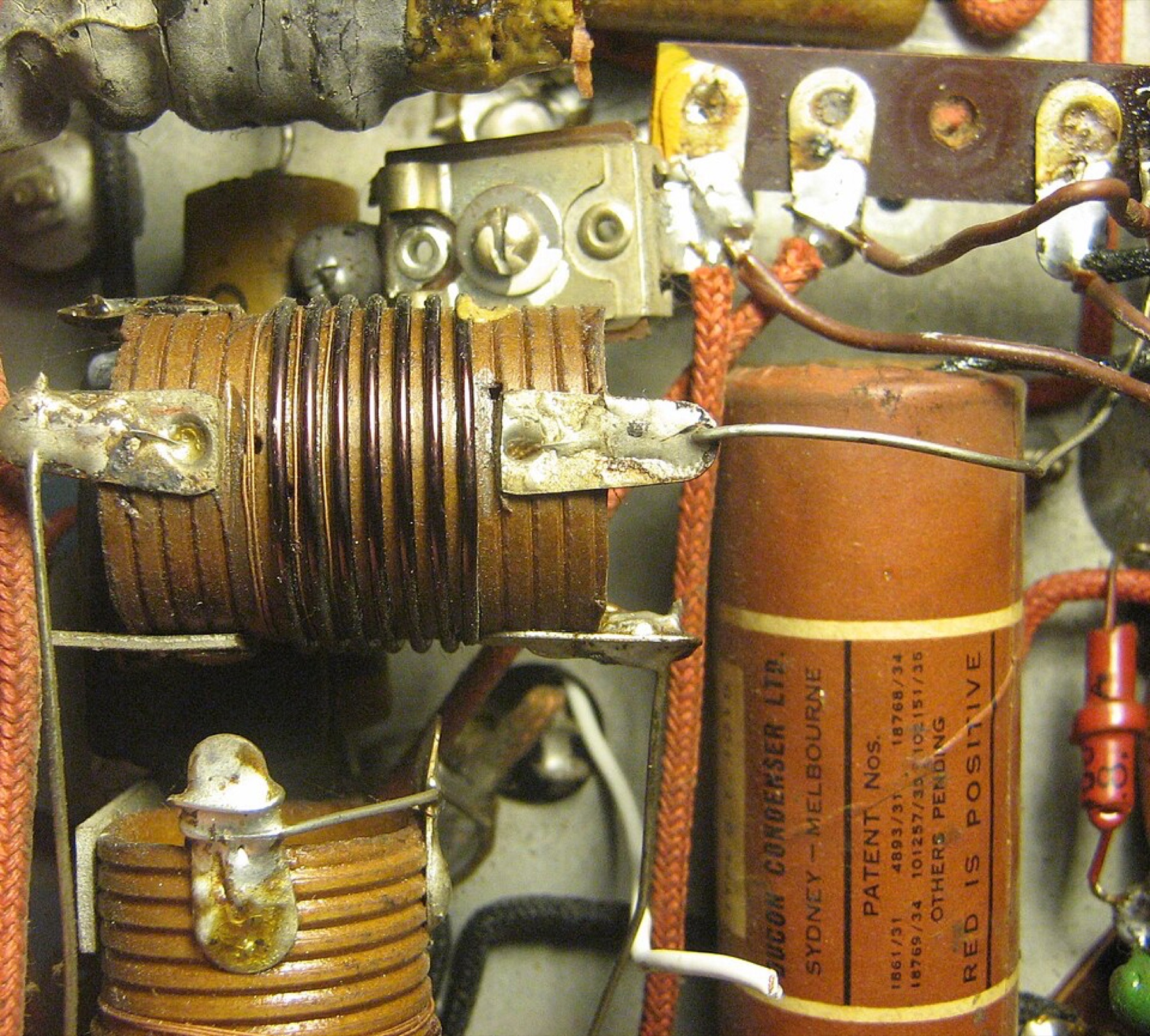
- Old capacitors and crumbling cloth wiring can short or overheat.
- Some sets have “live chassis” designs not aligned with modern safety expectations.
- UK mains use today often assumes appropriate fusing, PAT testing, and, where relevant, modern-approved plugs.
You don’t need to become an engineer, but you should:
- Treat un-restored valve sets as display pieces unless a competent restorer has documented the work.
- For business use (café, shop, rental decor), consider either professionally restored sets or modern replicas that meet contemporary electrical standards from the factory.
Matching radio types to different buyer goals
To keep decisions concrete, here’s how the main radio sub-types line up against typical use cases:
| Radio type | Best for | Pros (editorial judgment) | Trade-offs |
|---|---|---|---|
| 1930s–40s valve table radio | Collectible value, statement decor | High nostalgia and potential collector interest; iconic designs | Fragile, mains safety work often needed; limited band coverage |
| 1950s–60s transistor table/portable | Light listening, mid‑century vibe | More reliable and cooler-running; closer to modern band coverage | Less “antique” prestige; still may need servicing |
| Restored antique/vintage set | Safe-ish occasional listening + display | Professional restoration can improve safety and usability | Restoration adds cost; need to trust documentation |
| Modern retro/Bluetooth radio | Everyday use, bulk decor, resale | New electronics, FM/Bluetooth, predictable manufacturing | No true collectible value; style over historical authenticity |
If you’re building UK retail or café decor, modern retro or Bluetooth-style radios are usually the least risky path: predictable operation, easier returns via mainstream retail channels, and no need for specialist restoration. For a small e‑commerce business selling “vintage-inspired” decor, these same replicas—possibly sourced in bulk—offer consistent stock and simpler product descriptions than mixed one-off antiques.
Where different radio types are available online, including DHgate
The online “where to buy” splits quite naturally by product type:
- True antiques and early vintage (collectible focus):
These are most consistently found on specialist vintage radio sites and collector marketplaces, often with detailed model histories and restoration notes. Appraisal and identification resources such as Appraisily or marketplace Q&A guides on Alibaba Electronics emphasize careful model matching, originality checks, and thorough photos. Broad craft marketplaces like Etsy also host many one-off antique and refurbished radios, typically suited to individual buyers rather than bulk sourcing.
- Mid‑century and refurbished sets (usable vintage):
These show up both on general marketplaces and on niche refurbishers’ shops. Vintage radio advice from electronics.alibaba.com encourages buyers to decide if they want fully working sets or projects – a distinction that matters heavily on general marketplaces where testing levels vary.
- Retro-style, Bluetooth, and radio/cassette-style decor (bulk-friendly):
Here, large B2B-style platforms and cross-border marketplaces dominate. DHgate’s editorial blog positions the platform as offering a wide variety of vintage-style products at relatively low prices through direct buyer–seller connections, and it highlights radio/cassette-style items as suitable for startups sourcing in bulk with negotiable discounts. This maps well to modern retro radios and cassette hybrids that look vintage but are essentially new electronics.
For UK buyers and small e‑commerce businesses, that split suggests a pragmatic approach:
- Use specialist vintage and collector platforms for genuine antiques or carefully restored mid‑century sets where era, maker and originality drive value.
If you’re new to DHgate specifically and want to understand how the marketplace works before you treat it as a sourcing channel, it’s worth reading What DHgate is and how the marketplace works. For any cross-border buying, including radios and retro gadgets, pairing that context with practical listing-level checks from Find trusted sellers on DHgate and the DHgate order-readiness checklist will help you keep product choice separate from platform processes.