
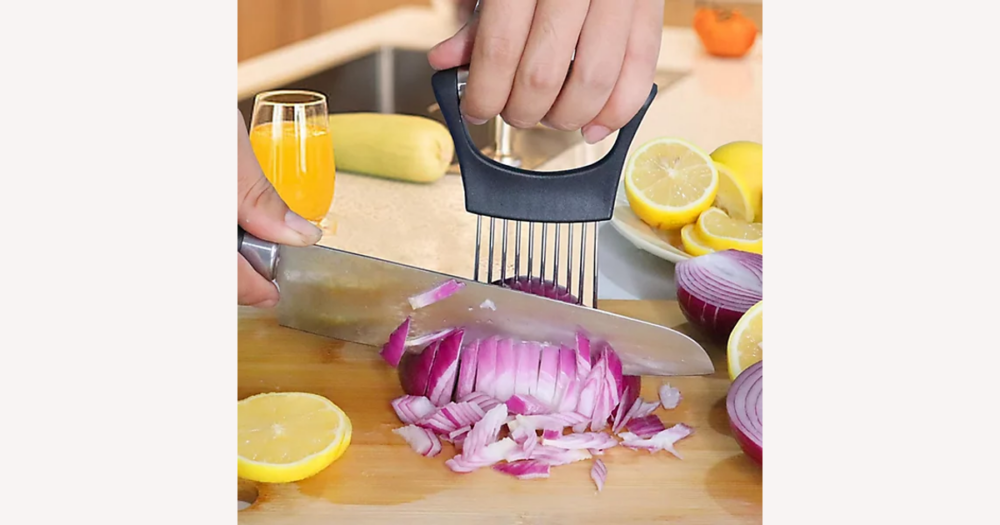
On DHgate, the best onion ring cutter for home use isn’t a specific brand; it’s a simple, sturdy tool whose design, material, and size actually fit the onions you buy, the counter and storage space you have, and the amount of cleanup you’re willing to do. When you treat DHgate’s specs and photos as your main source of truth, and combine them with basic seller and order checks, you can avoid flimsy or awkward gadgets and choose a cutter that feels at home in your kitchen.
The kind of onion ring cutter that usually works best for home cooks
On DHgate, there isn’t a single universally “best” onion ring cutter or brand. The smart move for home use is to pick a simple, sturdy design whose cutting mechanism, material, and size match how you actually cook and how your kitchen is set up, then filter listings with a few quick safety and quality checks.
The main axes to pay attention to are: cutter type (ring punches or molds, compact handheld slicers, mandoline-style boards, or multi-blade choppers), material (full stainless steel, mostly plastic, or a mix of both), physical fit (whether the rings or blades match the diameter of the onions you usually buy and how much counter and storage space the tool needs), and how realistic the cleaning and drying routine will be for you day to day.
If you often deep-fry onion rings and care about consistent sizes, a ring punch or a mandoline-style slicer that produces uniform slices usually makes more sense than a bulky multi-function chopper. If you only slice an onion occasionally for burgers and have very limited space, a compact handheld slicer or a small ring mold that fits in a drawer is usually enough. If you like batch prep but hate fiddly cleanup, a sturdy mandoline with a clear safety guard and simple parts is typically easier to live with than a chopper full of hinges and compartments.
Personally, I would prioritize cutters with genuine metal blades, solid-feeling frames, and straightforward cleaning over flashy multi-use gadgets. If listing photos or specs on DHgate make a tool look flimsy, crowded with tiny pieces, or hard to wash and dry safely, I’d skip it even if it promises extra features, and lean toward a simpler design that obviously fits typical supermarket onions and my available space.
Because DHgate is a cross-border marketplace, you should treat the listing specs and photos as your main source of truth and think of buyer protections as a safety net rather than a guarantee that every order will be perfect. Use those specs to match cutter type, materials, and size to your kitchen, then combine them with clear seller and order information to choose an onion ring cutter that’s practical for home use and less likely to disappoint.
Key onion ring cutter designs and what they’re good at
When you search DHgate for onion ring cutters and slicers, most listings will fall into four design families: ring punches or molds, compact handheld slicers, mandoline-style boards, and multi-function choppers.
Ring punches or molds work by stamping rings out of onion slices. You first cut the onion into crosswise slices, then press the mold down so its circular cutters punch out rings. The motion is usually straight down and back up, and the result is tidy, repeatable ring shapes. The tradeoff is that you still have to slice the onions first, and you can only punch as many rings as fit under the mold at once, so batch size stays modest.
Handheld slicers have fixed blades and a frame you push or pull through the onion. The onion is typically held by hand or with a simple holder, and you move the tool or the onion back and forth to create slices. These tools are compact and give you good control, but they’re best for small batches, and you need to keep a secure grip on the onion while working around sharp blades.
Mandoline-style boards are flat surfaces with a blade slot and often adjustable thickness settings, sometimes with a hand guard or food holder. You slide the onion across the board so it passes over the blade, producing fast, consistent slices on a stable surface. They’re excellent for larger batches and even thickness, but they take more counter space during use and demand careful handling because the exposed blade is very sharp.
Multi-function choppers use a grid of blades mounted over a container; you place onion pieces on the grid and press a lid or lever to push them through into the box below. They can be quick for turning onion chunks into uniform pieces, and some versions can approximate ring-like slices with different inserts. In a home kitchen, the downside is extra parts, hinges, and lids to clean and dry, plus a bulkier footprint in storage.
Across these designs, ring molds and straightforward mandolines tend to win on simple mechanics and predictable results: they make it clear how the onion is loaded, how your hands move, and where the blades are. Multi-use choppers and very complex handheld systems can look appealing in photos, but if the listing shows thin plastic frames, lots of tiny attachments, or hard-to-reach corners, they’re often more fragile and frustrating to clean than they appear.
For a small kitchen, a compact handheld slicer or a modest ring mold that fits easily in a drawer is usually easier to manage than a big board or box. If you fry onion rings regularly or prep large salads, a mandoline-style board or mold setup gives you speed and consistent thickness. In households with kids around, designs that keep blades anchored on a stable base and include clear safety guards or hand holders are a sensible priority.
In practice, if you mostly want neat rings for occasional burgers, a simple ring mold or small handheld slicer is usually enough; if you batch-fry or cook for a crowd, a stable mandoline-style slicer often suits better; and if you mainly want quick chopped onions for stews rather than classic rings, a chopper-style tool may be worth the extra cleanup. Once you have a rough design family in mind, you can focus on materials and sizing to fine-tune your choice.
Watch how a commercial-style onion slicer loads and moves the onion, how hands stay positioned around the blades, and how stable the frame looks on the countertop. Use those details—loading ease, motion comfort, and overall stability—as reference points when you evaluate similar cutter designs in DHgate listing photos and descriptions.
Choosing cutter materials: stainless steel vs plastic vs mixed
Once you’ve picked a cutter design that suits how you cook, the next big choice on DHgate is material. For onion ring cutters, most listings use some mix of stainless steel and general-purpose plastics, and how those materials are used tells you a lot about durability, feel, and cleaning effort.
Stainless steel is widely used in kitchen tools because it resists rust and corrosion, tolerates normal cooking heat, and usually feels solid in the hand. In practice, that means blades made from food-grade stainless are less likely to dull quickly or react with foods, and a well-built stainless frame doesn’t bend easily when you press down on onions. The tradeoffs are extra weight and the need to check that surfaces look smooth and finished rather than rough or pitted; deep seams, raw welds, or unfinished edges can trap onion residue and make cleaning harder.
On DHgate, the word “stainless” in a title or bullet point can be vague, so it’s worth looking closely at photos and any material details in the description. Close-up blade photos that show a uniform, matte or brushed metal surface and a clear thickness are more reassuring than tiny, low-resolution pictures. Mentions of “food-grade stainless steel” or common kitchen grades alongside realistic photos are a better sign than a generic label with no supporting detail.
Plastic parts are common in home cutters, especially for handles, frames, and containers. Thick, well-supported plastic can keep the tool lighter, cheaper, and less likely to scratch your countertop, which is handy if you store it in a crowded drawer or use it on sensitive surfaces. The downsides are that thin plastic can flex when you press, lids and frames can warp if left near high heat, and light-colored plastics may stain or show scratches over time. Plastic blades are rare and usually a bad fit for clean, crisp onion rings, so it’s safer to treat listings that show all-plastic cutting edges with skepticism.
Many practical home tools use mixed constructions: stainless blades paired with plastic bodies, lids, or collection boxes. This can be a good compromise if the metal parts that actually touch and cut the onion look robust and the plastic pieces appear thick and well-supported. When you zoom in, you want to see blades that have enough depth to hold an edge, plastic that doesn’t look paper-thin or overly glossy, and joints that seem tight rather than gapping or flimsy.
Personally, I would prioritize genuine stainless blades and frames that look solid over chasing the lowest possible price. If DHgate photos show blades that look very thin, or frames and lids made from shiny, almost translucent plastic, or metal surfaces that appear rough and unfinished, I’d skip that cutter and look for a design that looks more substantial, even if it costs a bit more.
For someone who cooks often and keeps the cutter near the stove, a stainless-heavy design with metal blades and a sturdy frame is usually worth the extra weight and cost, because it’s more likely to stay stable under frequent use and tolerates splashes of heat and steam. An occasional user in a small kitchen might reasonably accept more plastic in the frame or container to save money and storage space, as long as the blades are clearly metal and the plastic looks thick enough not to flex when pressed.
It’s also common to see “dishwasher safe” or similar claims in descriptions. Those can be helpful, but they aren’t always consistent with how the tool is built. I would treat them as a starting point, then cross-check against what you can see: if the cutter has fine hinges, mixed metals, very thin plastic, or lots of crevices, it may be kinder to hand-wash it even if the listing mentions dishwasher use, rather than assuming it will tolerate harsh cycles indefinitely.
Overall, material choice on DHgate should be guided by things you can actually observe: labels, close-up photos, and visible thickness of blades and frames. Favour robust metal blades, frames or supports that look stable, and plastics that appear thick and well-supported. Ignore marketing promises about extreme longevity, and instead use the construction you can see to decide whether the tool looks like it will hold up to the way you cook.
Checking cutter size and compatibility before you buy
- Treat size and compatibility as a real decision, not a detail you skim. On cross-border marketplaces like DHgate, it’s common for tools to arrive smaller or larger than you expected, so rely on actual measurements rather than trusting photos alone.
- Measure a typical onion at home and compare its diameter to the cutter’s stated ring diameter range or blade width. If a listing mentions minimum and maximum onion sizes, check whether your usual onions fall inside that range; if it only gives one number, assume that’s roughly the largest ring or slice it can produce and decide if that’s acceptable.
- Check overall tool dimensions and picture where it will sit. For mandoline-style boards, look at length and width; for choppers, note container capacity and footprint; for handheld cutters, check handle length and overall size. Imagine the cutter on your counter during use and in the spot you plan to store it so you can see whether it will feel cramped or comfortably placed.
- Watch units closely. Many DHgate listings use centimetres, some use inches, and a few mix both. Do simple conversions if you’re more familiar with one system, and be cautious when measurements are missing, inconsistent between description and specs, or only given for one part of the tool (for example, ring diameter but no overall height).
- Scrutinize product photos for scale clues, but don’t let them replace measurements. Look for hands, countertops, bowls, or other familiar items in the frame to get a sense of size, then cross-check that impression against any dimension table or bullet points. Assume that some images may be generic or staged, so a mismatch between photo and numbers is a warning sign.
- Skip listings with vague or contradictory sizing details if size really matters to you. This is especially important in small kitchens or if you care about perfect ring sizing. When you regularly cook with large onions and have enough storage space, it’s usually safer to choose a cutter that runs slightly larger rather than smaller, so you’re less likely to find that your onions don’t fit.
- Use a simple compatibility checklist before you buy: (1) Will your typical onions fit within the stated diameter or blade range? (2) Does the tool look stable on a surface or comfortably holdable in the hand, given its dimensions and design? (3) Will it fit where you plan to store it? Careful reading, basic measuring, and this three-question check can materially reduce—but not eliminate—the chance of ending up with a cutter that feels too small, too big, or awkward in everyday use.
A quick DHgate pre-purchase checklist for onion ring cutters
- Confirm the listing matches your choice: check that the photos, specs, and description clearly show the cutter type you want (ring mold, handheld slicer, mandoline, or chopper), the stated materials, and the key dimensions. Skip listings with missing measurements, blurry images, or descriptions that don’t fit the photos.
- Scan the seller’s profile: look at their overall rating, how many transactions they’ve completed, how recent the feedback is, and whether buyers mention kitchen tools specifically. Treat higher ratings, more orders, and fresh, detailed comments as good signs—but remember that even solid feedback can miss problems or be incomplete.
- Review order and shipping terms: check processing time, estimated shipping duration, and total shipping cost. As a US buyer, be wary of very long or vague timeframes and unclear notes about possible duties or extra charges. If timelines or costs feel confusing or contradictory, assume the risk is higher and move on.
- Skim DHgate’s return and refund basics on the listing and in the help pages so you understand, in broad strokes, how disputes and refunds are supposed to work for misdescribed or damaged items. Don’t rely on any promise of a specific outcome or deadline—treat these policies as a safety net, not a guarantee.
- Plan to pay only through DHgate’s own secure payment system, not via direct bank transfer, message apps, or other off-platform arrangements. Before you place the order, save or screenshot the listing details, specs, and photos so you have clear evidence if you need to open a dispute later.
- If I were buying, I would personally avoid sellers with very sparse, low-quality, or worrying feedback, unclear shipping information, or specs that contradict the photos—even if the price looks great—and would choose a slightly more expensive but better-documented listing instead.
- Use this quick checklist to connect your cutter choice to how you actually order on DHgate: confirm the tool details, check the seller and shipping terms, rely on platform payments, and keep records. Then take a closer look at ratings, reviews, photos, and specs as quality signals before making a final decision.
Using seller feedback and listing details to judge quality
Once you’ve run through the basic DHgate checks, focus on the quality signals that come directly from the listing and seller: rating scores, how many and how recent their orders are, written feedback from buyers, the clarity and variety of product photos, and how detailed and consistent the specs and description look.
Read reviews for patterns, not one-off comments. If several buyers mention flimsy plastic, blades that feel dull, or a cutter smaller than expected, treat that as a serious warning. When positive reviews say the tool arrived as described, feels sturdy, or matches the photos and measurements, that supports the listing—but remember that some buyers won’t mention issues, and a few good comments don’t guarantee your experience.
Look closely at the photos. Sharp, well-lit images from multiple angles and, ideally, a few showing the cutter in use or next to familiar objects usually inspire more confidence than a couple of generic, stock-like pictures. Still, even good photos can be staged or reused, so treat them as clues to design and size, not proof that the materials are thick or long-lasting.
Check the specs and description for concrete, non-contradictory details. Listings that specify stainless steel blades, clear plastic types, exact dimensions, and basic usage instructions are usually more trustworthy than ones with vague phrases like “high quality material” or copy-pasted text that doesn’t match the images. If the numbers in the spec table disagree with the description, or the description feels generic, that’s a sign to move on.
Personally, I would prioritize onion ring cutter listings from sellers with solid ratings, multiple successful kitchen-tool transactions, and clear, detailed photos and specs over rock-bottom prices from newer or sparsely reviewed sellers. A few dollars saved isn’t worth a tool that arrives flimsy, undersized, or poorly documented.
These signals—ratings, reviews, photos, and specs—can reduce your risk, but they can’t promise a perfect cutter. Combine them with the DHgate pre-purchase and buyer-protection steps you’ve already seen, keep your expectations realistic for low-cost tools, and treat DHgate’s dispute and refund system as your backup if something still goes wrong.
Practical risks with onion ring cutters and how to avoid them
FAQ: Versatility, storage, and problems with DHgate orders
Can an onion ring cutter also be used on other vegetables?
Often, yes—many onion ring cutters can physically slice or punch through vegetables with a similar size and firmness, like small potatoes, firm tomatoes, or peppers. But performance and safety vary a lot between designs. Before assuming it’s multi-use, check the DHgate listing for examples of other foods in the photos or description, and make sure the blades and openings look large and strong enough for what you have in mind. If the listing only ever shows onions, I’d treat any extra uses as a bonus, not a guarantee.
What kind of onion ring cutter is easiest to store in a small kitchen?
For tight spaces, look for cutters that fold, store flat, or take up roughly the footprint of a small board or container. On DHgate, use the dimensions and side-view photos to imagine the tool in your actual drawer or shelf; avoid designs that look tall and boxy if you only have shallow drawers. I would rather choose a simple, flat slicer or compact ring mold that obviously fits my storage spot and is easy to rinse and dry than a large multi-function gadget that looks awkward to put away and clean.
How noisy are manual onion ring cutters and slicers?
Manual cutters are generally quiet. You’ll mostly hear normal chopping, slicing, or the thump of a press closing, which is unlikely to bother neighbors through walls. Unless a tool is powered, noise usually won’t be a major deciding factor, so I’d focus more on fit, materials, and ease of cleaning than on sound.
What should I do if the cutter I receive from DHgate doesn’t match the listing?
If your cutter arrives with the wrong size or material, feels much flimsier than described, or is damaged, start by documenting everything: take clear photos of the item, packaging, and any differences from the listing images or specs you saved. Keep your order number and screenshots of the original description. Then use DHgate’s on-platform tools—opening a dispute or contacting customer support through your account—to request a solution such as a refund or replacement. Buyer protections are there as a safety net, but outcomes and timelines can vary, so give clear, factual information when you present your case.
Is it worth choosing a bulkier, highly versatile cutter over a simpler one?
Only if you’re confident you’ll actually use those extra functions and can live with the size and cleaning effort. Many complex choppers and multi-blade gadgets promise a lot in their titles but look bulky and fiddly in the photos. Personally, I’d rather pick a straightforward cutter that clearly fits my counter and storage space, has blades I can reach to clean safely, and matches the way I usually slice onions. Versatility is nice, but on DHgate I’d treat a clear fit to my habits and space as more important than the longest list of advertised uses.
How do these FAQ points fit with the main buying decisions in this guide?
Think of versatility, storage, noise, and what happens if something goes wrong as edge questions that sit around your core choices: pick a cutter type that fits how you cook, a material build that looks sturdy and cleanable, dimensions that match your onions and kitchen, and a DHgate seller whose listing details and feedback look solid. Once those are in place, use these FAQ tips to fine-tune whether a specific tool will work smoothly in your space and what you’ll do if the order doesn’t arrive as described.