
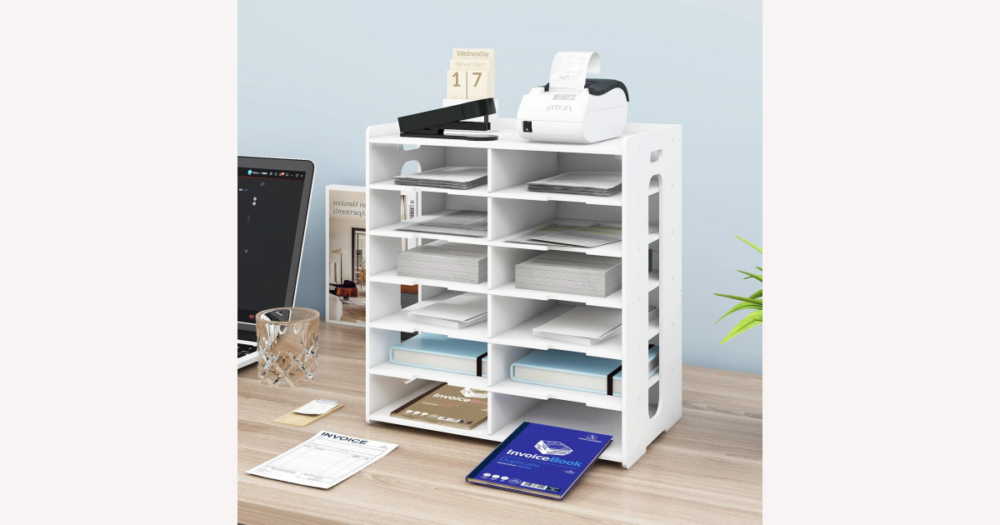
If you’re browsing DHgate from Australia for an A5 document holder, the most useful “top five” isn’t a universal ranking—it’s a small set of options that actually fit your papers, your desk and a seller you trust. This guide shows you how to build that shortlist yourself by checking A5 sizing, capacity, materials, desk footprint and DHgate-specific signals like ratings, payment security, shipping terms and refund policies, so you can cut broad search results down to about five candidates that make sense for your home office.
Why this guide won’t name a universal “top five” A5 document holders
On DHgate you won’t find a single, permanent list of the “five best” A5 document holders, and this guide can’t claim to rank them. The catalogue, sellers and listings change over time, and this page doesn’t access live product data or test items in person, so it would be misleading to pretend there is one fixed top five for every home office.
Instead, treat “top five” as the shortlist you build for your own desk. On DHgate that means focusing on whether each holder genuinely fits A5 papers, how much it can hold, what the material and build quality look like, how much space it takes on your work surface, and whether the seller’s ratings, payment, shipping and refund terms feel reliable enough for you. The rest of the guide uses these axes—A5 fit, capacity, materials, desk compatibility and DHgate-specific transaction signals—to help you narrow a broad search down to around five strong candidates that match your space and paperwork habits.
What counts as an A5 document holder on DHgate?
On DHgate an A5 document holder is any organiser designed around A5 paper size (roughly half of A4), but the label covers several very different designs. You’ll see flat pouches or sleeves that enclose A5 sheets, desktop racks or sorters with multiple slots sized for A5 documents, standing ergonomic copyholders that keep one or a few pages upright for typing, wall-mounted file pockets that hold A5 paperwork off the desk, and travel wallets or organisers that bundle tickets, passports and A5 notebooks.
Each style behaves differently in a home office. Flat pouches and travel wallets usually live in a drawer, bag or shelf and are great if you move papers around but don’t need them visible all day. Desktop racks and sorters sit on the work surface and keep active A5 mail, notes or notebooks upright where you can see and grab them, which I generally prefer for everyday paperwork. Standing copyholders work best near a monitor when you type from printed pages. Wall-mounted pockets clear the desk by shifting A5 documents onto a nearby wall or cupboard door, which can be ideal in tight spaces or shared tables. Thinking about where you want your A5 papers to sit or move—on the desk, on the wall, or travelling with you—helps you decide which type belongs in your personal shortlist.
Choosing materials that suit your home office
| Material | Durability and rigidity | Weight | Desk appearance and feel | When this material makes sense |
|---|---|---|---|---|
| Rigid plastic | Generally resists everyday knocks and moisture; thicker, molded plastics stay rigid, while very thin plastic can flex or crack over time. | Moderate; usually lighter than metal but heavier than fabric or cardboard sleeves. | Usually looks clean and functional; finishes range from glossy (which can show fingerprints) to matte (which hides marks better) and pair fine with monitors and peripherals. | Best for a frequently used desktop rack or tray where you want solid structure without the heft of metal. I’d pick rigid plastic when I care more about stability and easy cleaning than a luxury finish. |
| Metal (steel or aluminium) | High durability and rigidity; properly finished steel and aluminium tend to hold shape even under heavy stacks, though poorly made pieces can have sharp edges or bend points. | Heavier than most other materials, especially steel, which can anchor a holder in place; aluminium is lighter but still feels solid. | Gives a more industrial, minimalist look that usually matches monitor stands and metal accessories; finishes can scratch but still look tidy if you accept a slightly worn patina. | Ideal for a main desk holder that lives beside your monitor and takes daily use; worth choosing when you want maximum sturdiness and don’t mind a bit of weight. This is what I’d prefer for upright file racks that must not wobble. |
| Fabric (canvas, polyester) | Soft and flexible; thick canvas holds its shape better, but many fabric pockets sag, warp or fray with heavy loads or long use. | Very light, especially in hanging pockets or travel organisers, but can collapse if not reinforced. | Feels softer and more casual; colours and patterns can look cosy, though a sagging or overstuffed pocket may appear messy next to clean-lined office gear. | Suited to lightweight, occasional-use organisers or travel wallets where comfort and low weight matter more than rigid structure. I’d only choose fabric for A5 travel holders or decorative mail sorters, not as my main upright file rack. |
| Faux leather / PU | More rigid than plain fabric when backed properly; edges can scuff but a decent PU shell keeps its form under everyday document loads. | Moderate; typically heavier than thin fabric but lighter than solid metal, with enough heft to feel stable on the desk. | Offers a polished, “finished” look that blends well with laptops and notebooks; smooth surfaces show scratches more than textured ones but generally read as tidy and professional. | A good compromise when you want a smarter appearance without full leather cost. I’d pick well-made PU for a visible mail or notebook holder on a home office desk, as long as stitching and panels look sturdy rather than purely decorative. |
| Cardboard / paperboard | Low to moderate durability; tends to soften, warp or dent with moisture and heavy stacks, and corners can crush over time. | Very light, easy to move or replace, but can topple if overloaded or knocked. | Can look neat initially, especially in simple neutral colours, but scuffs and bends quickly show, making the desk feel cluttered sooner. | Makes sense for short-term or very light use, or as a budget way to test layouts before investing in sturdier materials. I wouldn’t rely on cardboard for a primary A5 holder that lives on the desk and takes daily handling; it’s better for occasional filing tucked onto a shelf. |
Key specs to check for A5 fit and desk use
- Internal dimensions relative to A5: Check the inside measurements against A5 paper (around 148 × 210 mm) to confirm documents will slide in without curling. Internal size matters more than overall size; a holder can look large outside but still pinch papers if the usable space is tight.
- External dimensions and footprint: Look at width, height and depth to see how much desk or wall space the holder occupies. Compare depth with your available desk surface so trays don’t overhang the keyboard or crowd your mouse area.
- Number of compartments: Count slots, pockets or trays and imagine your usual piles—active mail, notes, notebooks. A few wider compartments suit mixed stacks; many narrow ones suit sorted categories but can feel fiddly if you don’t maintain them.
- Stated capacity: Treat claims like “holds 50 sheets” as approximate. Consider whether you mostly store thin printouts or thicker notebooks; for bulkier items, you’ll reach the practical limit sooner than the listing suggests.
- Orientation (vertical vs horizontal): Vertical racks keep A5 papers upright and visible, which works well beside a monitor on a shallow desk. Horizontal trays spread documents out, better for wider desks but more likely to overlap with keyboard space.
- Freestanding vs mounted: Freestanding holders sit directly on the desk or shelf and are easy to reposition. Mounted designs use adhesive or screws on walls, cupboard doors or sides of shelving, which can save surface area but require a spot you’re comfortable fixing hardware to.
Matching A5 holder styles to your home office setup
| Home office setup | Typical constraints | A5 holder styles that often work well | Possible issues or mismatches |
|---|---|---|---|
| Cramped shared dining table | You’re sharing space with meals and other people, so the work area is shallow and constantly cleared away. | Slim vertical racks tucked at the table edge, or wall files mounted nearby so A5 papers stay upright and off the main surface. | Chunky horizontal trays can crowd plates and elbows; tall, unstable racks may wobble when the table is bumped or be moved every time you tidy up. |
| Compact desk with monitor and keyboard | Depth is limited once the screen, keyboard and mouse are in place; you still want active papers visible while typing. | Stable desktop racks placed to one side, or low-profile copyholders beside or under the monitor that keep one or a few A5 pages in view. | Wide horizontal trays can overlap keyboard space, and any holder placed directly behind the mouse can feel like a barrier or collect clutter you have to reach over. |
| Desk plus nearby shelves or bookcase | The main desk surface is valuable, but you have vertical storage close by that can take some paperwork. | Standing file boxes or racks on a shelf, or wall files mounted next to the desk so A5 documents are accessible but off the work surface. | If holders sit too high or far to the side, you may end up twisting or reaching awkwardly; oversized boxes on the desk itself can dominate the workspace and hide smaller items. |
| Mobile or multi-location work (e.g. kitchen table, coworking space) | You move between spots and pack away regularly, so you need something portable that protects papers in transit. | Flat pouches, zip wallets or travel organisers sized around A5 that slip into a bag and keep documents together between locations. | Bulky desktop racks are hard to carry and store; very slim pouches without structure can bend easily in a bag, and overstuffed wallets may no longer close cleanly or stand neatly when you set them down. |
Step-by-step: building your five-item shortlist on DHgate
- Search on DHgate using A5-focused terms (for example, “A5 document holder”, “A5 file rack”, “A5 pouch”) and apply any relevant size or category filters. Open promising listings and immediately rule out anything with unclear, missing, or obviously mismatched dimensions for A5.
- From the clearly sized options, apply your earlier decisions about holder type, material, capacity and desk footprint: remove any listing whose orientation, depth, number of compartments or material would crowd your keyboard and mouse, fail your storage needs or feel out of place in your home office.
- For the remaining candidates, examine DHgate seller signals: look for reasonable ratings, a solid number of recent reviews, buyer photos that confirm size and materials, and transparent shipping times and return or refund terms. Trim the list until you have around five A5 holders that satisfy both your product criteria and minimum seller reliability benchmarks.
Common pitfalls to avoid with marketplace A5 holders
- External-only dimensions: Listings that only show overall width and height can hide cramped internal space. Without clear inside measurements, A5 sheets may curl, jam or sit at an angle, especially in pouches and racks.
- Vague or exaggerated capacity: Phrases like “large capacity” without a stated page count or thickness often mean the holder only copes with a thin stack. In a home office this can lead to racks that lean, bow or spill papers once you load them with everyday documents.
- Mixed-size sets where A5 is secondary: Bundled organiser sets may include one A5 compartment plus several smaller or larger pieces. These can clutter your desk while giving you very little usable A5 storage if the main focus is business cards or A4 folders instead of A5 files.
- Decorative designs with thin materials: Holders that look impressive in photos but rely on thin sheet metal, light plastic, cardboard or soft fabric can bend, sag or feel unstable under real paperwork. On a busy desk that means wobble, dented corners and a shorter lifespan than you expect.
- Weak seller signals and unclear returns: Sellers with very few transactions, patchy ratings, no buyer photos or hard-to-find dispute and refund information make it harder to resolve problems if your holder arrives smaller, flimsier or differently coloured than expected. Treat these gaps as a risk factor alongside the spec and material checks you’ve already made.
Using DHgate reviews and seller info as quality evidence
On DHgate, seller and review information is one of the few clues you have about how an A5 document holder behaves beyond the listing description. Start with the basics: look at the seller’s overall rating, how many transactions they’ve completed, and whether they have a history of selling similar organisers rather than only unrelated items.
Then scan buyer feedback. Prioritise reviews that include photos, because they can show real-world material thickness and scale against hands, desks or documents. For an A5 holder, photos where you can see A5 paper, notebooks or envelopes inside the product make it easier to judge fit, rigidity and how neatly items sit.
Read comments for recurring themes about sturdiness, fit to A5, colour accuracy, smell and shipping or packing quality. One buyer mentioning a flimsy feel or strong odour might be an outlier; several reviewers saying the same thing suggests a pattern. Likewise, consistent praise for solid construction or reliable delivery is more meaningful than a single enthusiastic review.
Treat these signals as supporting evidence, not guarantees. Marketplace reviews are self-reported and may cover only light or very specific use. Use patterns in ratings, photos and comments to validate or question what the listing claims, but keep your earlier checks on internal dimensions, capacity, materials and desk layout as the foundation for your decision.
Checklist: which A5 holders should stay on your shortlist?
- Clear A5 fit: Internal dimensions are stated and comfortably exceed A5 paper (around 148 × 210 mm) without being so tight that pages curl or jam.
- Suitable materials and build: The holder uses materials you’re happy to handle daily (for example, solid plastic, metal or well-made faux leather) and the photos and description suggest a stable, non-flimsy construction.
- Desk compatibility: Orientation, footprint and mounting style match your workspace — it sits where you plan to put it without blocking your keyboard, monitor or shared table space, and freestanding vs wall-mounted is clearly specified.
- Enough capacity for your real paper piles: The number of compartments and stated capacity align with how many A5 documents, notebooks or envelopes you typically want to keep in that spot, not just with how the product looks in the listing photos.
- Minimum DHgate seller evidence: The seller has acceptable ratings and transaction history, buyer reviews include some photos that confirm size and materials, and shipping/return terms are clearly stated and reasonable for you in Australia.
- Stop condition: If a listing has unclear internal measurements, looks obviously flimsy, has an awkward footprint for your desk, or comes from a seller with weak or vague feedback, treat that as a deal-breaker and remove it from your shortlist, even if the design appears attractive in the pictures.
FAQ: envelopes, notebooks and how many holders you really need
Can an A5 document holder store items that are slightly larger than A5, like envelopes or small notebooks?
Often it can, but only when the internal dimensions and design allow extra room. Many A5-labelled holders leave a bit of clearance, so slim C5 envelopes or compact notebooks may sit comfortably, especially in open racks or wider pockets. Others, particularly tight pouches or very narrow slots, are sized almost exactly to A5 and will pinch or curl anything larger. On DHgate, check the internal measurements against the size of your envelopes or notebook, look at buyer photos to see how items sit inside, and assume nothing fits unless the usable space clearly exceeds both A5 and the thickness of what you plan to store.
How many A5 document holders make sense for a typical home office before the desk feels cluttered?
For most small to medium home offices, starting with one sturdy A5 holder placed where papers naturally pile up is usually more effective than scattering several decorative organisers around the desk. Use that main holder for active documents, mail and notebooks; if you regularly find overflow stacks beside it even after tidying, add a second holder on a shelf or wall rather than another piece on the main work surface. If extra holders begin to block your keyboard, mouse or monitor area, or force you to reach around them, treat that as a sign you’ve gone past a practical number and rethink layout instead of adding more organisers.