
For a teacher in Canada, DHgate can be a practical place to find an affordable work bag or tote, but the real protection comes from how you judge each listing: clear dimensions, honest photos, specific material and construction details, and a seller with credible history matter more than the absolute lowest price. This guide shows you how to read DHgate specs, materials, and seller safeguards so you can balance cost with classroom‑ready quality without needing direct product recommendations.
Using DHgate from Canada for affordable teacher bags
If you’re shopping from Canada, DHgate can be a workable way to find affordable teacher bags and totes, as long as you treat each listing as something to evaluate rather than trusting that it’s automatically a good deal. Instead of hoping for one “best” bag recommendation, the safest approach is to use DHgate’s information carefully: look closely at the written specifications, the photos, and the seller’s track record before you decide whether a bag is right for daily classroom use.
I focus on how to read DHgate listings: translating your teacher bag needs into clear specs like dimensions and internal layout, understanding basic material and construction clues, and using seller ratings and DHgate’s own buyer‑protection tools to reduce risk. Personally, I’d rather pay a little more for a bag whose listing has realistic photos, detailed measurements, and a seller with solid history than chase the absolute lowest price with vague descriptions—especially for something you’ll carry to school every day.
Translate teacher bag needs into DHgate listing specifications
A typical teacher bag has to handle more than just a wallet and keys. On a normal day you might be carrying a laptop or tablet, one or two binders, stacks of marked and unmarked papers, pencil cases, sticky notes, personal items, and sometimes a water bottle or lunch. That mix of bulky, flat, and small items means you need enough capacity, a bit of structure so the bag doesn’t collapse around the contents, and enough organization that you’re not digging for markers at the bottom between classes.
On a DHgate listing, those needs translate directly into specs you can check. Start with height, width, and depth measurements or any stated liter capacity, and compare them to items you already own—your laptop size, binder height, and document folders—rather than guessing from photos. Interior layout photos should show whether there are dividers, zip or slip pockets, and any dedicated laptop or tablet sleeve; if a sleeve is mentioned, look for its measurements and make sure they match your device. External pockets are useful for quick‑access items like pens, a phone, or transit card, so it helps if the listing shows their size and placement clearly.
Strap design is just as important for day‑to‑day comfort. Wider, padded straps generally distribute weight better than very thin ones, and the drop length (how far the strap hangs from the top of the bag to your shoulder) affects whether you can carry it comfortably as a shoulder or cross‑body bag while wearing a coat or blazer. Closure type matters for security: a full zipper or flap keeps papers and devices contained on a crowded bus or in the hallway, while an open‑top tote is easier to access but offers less protection if the bag tips over. Whenever possible, I’d choose DHgate listings that are specific about dimensions, compartment layout, strap width and drop, and closure style; when those measurements are vague or missing, the uncertainty is much higher, which can be a deal‑breaker if you need the bag to reliably fit a laptop and heavy books.
Reading material and construction clues for sturdiness
Once you know a DHgate bag roughly fits your teaching load, the next question is what its materials and construction hints about everyday sturdiness and upkeep. Most listings for teacher‑style totes and work bags mention broad categories like canvas, polyester or nylon, faux leather/PU, and sometimes genuine leather or leather substitutes. Heavier canvas (often described with weights around 10–12 oz or more) and denser synthetics usually feel more structured and are less likely to collapse around your books, while very thin or unlined fabrics can feel floppy or flimsy in daily use.
Polyester and nylon are common because they’re relatively light and can handle minor spills; a tightly woven, slightly thicker fabric generally offers better shape and resistance to scuffs than a very smooth, paper‑thin version. Faux leather or PU can give a polished, professional look, but it may crease or sag more quickly than high‑quality leather, and textured finishes can hide small marks while very glossy surfaces show them. When a listing mentions that the bag is lined, that often means a cleaner interior and an extra layer between your items and the outer material, which can help the bag feel more substantial.
Construction details add another layer of clues. Close‑up photos of stitching, especially where straps meet the body of the bag, make it easier to spot double stitching or reinforcement at stress points. Mentions of fabric weight, reinforced seams, or added rivets at handle attachments are all positive signs, as are sturdy‑looking zippers and metal hardware instead of very thin plastic. None of these details can guarantee how long a specific bag will last, but they reduce uncertainty compared with vague labels like “high‑quality material” and one distant photo. I’d rather choose a DHgate listing that shows stitching and hardware clearly and mentions fabric weight or reinforcement, even if it costs a bit more, than gamble on an ultra‑cheap option with little detail about how it’s actually put together.
A practical step‑by‑step routine for checking a listing
- Compare the listed dimensions and any capacity notes with the size of your own laptop, binders, and notebooks, using photos to judge whether those items would realistically fit without overstuffing the bag.
- Check interior and exterior photos for real compartments, pockets, and any dedicated laptop or tablet sleeve, and decide whether that layout matches how you like to organize papers, devices, and smaller classroom supplies.
- Read the material description carefully and look for clues about stitching, lining, and hardware so you can apply the earlier guidance on canvas, synthetics, faux leather, and reinforcement to this specific bag.
- Scan the seller’s overall rating, number of completed orders, and buyer feedback—paying attention to comments about bags, shipping time, and how closely items matched their descriptions—to get a sense of reliability.
- Review the shipping options to Canada, estimated delivery window, any notes about customs or duties, and the store’s stated refund or return terms so you understand what happens if the bag arrives late, damaged, or noticeably different from the listing before you commit to buy.
Judging DHgate seller reliability for teacher bags
When you reach the seller information on a DHgate listing, treat it as a quick risk check rather than a guarantee. Start with the overall rating or score and the total number of completed orders. A seller with many transactions and a consistently high rating has more evidence behind them than a store with only a handful of sales, where you simply don’t know much about how they operate yet.
Look at the mix of feedback: how many reviews are clearly positive versus neutral or negative, and what do buyers actually say? Comments that mention items matching the description, reasonable packaging, and shipping that arrived roughly on time are good signs. Repeated complaints about bags arriving smaller than advertised, different from the photos, or poorly stitched are more worrying, especially if they sound similar across multiple reviews.
For teacher bags in particular, feedback that mentions weight, strap comfort, and how the bag holds up under daily use is more helpful than vague “great product” comments. I would also look for signs that the seller responds to buyer questions, provides updates when shipping takes longer than expected, and handles disputes constructively instead of ignoring problems. Those behaviors don’t remove all risk, but they suggest the seller is engaged rather than disappearing once they have your order.
Even with strong ratings and detailed reviews, there is always some chance that a single bag order goes wrong or that quality varies between batches. Given a choice, I would rather pay a little more for a teacher bag from a DHgate seller with substantial history, clear feedback, and visible responsiveness than chase the lowest price from a newer or poorly reviewed seller. That trade‑off usually buys better information and a lower probability of unpleasant surprises, even though it cannot guarantee a perfect outcome.
How DHgate payment, shipping, and buyer protection work
DHgate’s buyer protection framework is built around the idea that you pay through the platform, not directly to the seller. In general, your payment is processed by DHgate and held while the order is in progress, then released once the transaction is confirmed. As a Canadian buyer you can usually choose from common online payment methods, which keeps your financial details within DHgate’s system rather than sending money straight to an individual merchant.
Shipping options on DHgate vary, but many include some form of tracking. Tracked shipping is useful not only for peace of mind but also as evidence if something goes wrong, because you can show whether a parcel moved and when. Cheaper, untracked methods can look attractive on a tight budget, yet they increase uncertainty: if a bag is delayed or never appears, it’s harder to prove what happened, which may complicate any dispute you open.
If a teacher bag or tote arrives significantly different from its listing, damaged, or doesn’t arrive at all, buyers can typically open a dispute within a set timeframe. The basic idea is to submit your claim through DHgate, attach photos or other supporting information, and let the platform review the case under its current policies. Outcomes can range from partial solutions to full refunds, depending on the details, the evidence, and how DHgate applies its rules at that moment.
Because these mechanisms depend on policy and case‑by‑case judgment, you should always read the listing’s own terms and DHgate’s latest help pages before ordering, especially from Canada where shipping times and customs steps may add complexity. Personally, I would rather choose a listing that clearly offers tracked shipping and straightforward refund conditions, even if the total cost is a bit higher, than save a few dollars on a bag with vague shipping and unclear return language. That extra clarity usually makes it easier to use DHgate’s protections effectively if something goes wrong.
Balancing ultra‑low prices against listing quality and safety
When you sort teacher bags on DHgate by lowest price, the cheapest listings often leave you guessing. Descriptions may only mention “tote bag” or “PU leather” without real detail, dimensions can be vague or missing, photos might be stock images that don’t clearly show the interior, and there may be only a handful of reviews—or none at all. Shipping may rely on slower, less‑transparent methods, and return or refund terms can be brief or unclear, which makes it harder to know what happens if the bag arrives looking different from the listing.
Moderately priced listings, by contrast, more often provide the kind of information that helps you decide: specific measurements in centimetres, clear photos of the inside and outside, material descriptions and sometimes fabric weight or lining details, and a stronger history of buyer feedback that mentions how the bag feels and carries. Shipping and refund terms are often spelled out more clearly, which gives you a better sense of timing and what support you have if something goes wrong.
Price alone never guarantees quality, but richer information and a proven seller background are valuable in themselves. For a daily‑use teacher bag, I would rather pay a little more for a listing with detailed specs, realistic photos, and a seller who has solid DHgate history than chase the absolute lowest price with major unknowns. If your budget is extremely tight, you might choose a very cheap option, but it’s still worth insisting on minimum protections like DHgate’s escrow‑style payment and clearly stated shipping and refund terms so you’re not left without a path if the bag disappoints.
Quick checklist for evaluating DHgate teacher bag listings
- Size and fit: Match the listed dimensions to your laptop, binders, notebooks, and any lunch or water bottle you carry so you know they will actually fit.
- Material and construction: Read the material description and look for any mention of fabric weight, lining, reinforced seams, or hardware quality to gauge how the bag might feel in everyday use.
- Organization: Check photos and text for interior and exterior pockets, dividers, and any dedicated laptop or tablet sleeve so you can keep teaching essentials sorted.
- Comfort and security: Look at strap type, width, and drop length, plus the closure style (zipper, snap, or open top) to judge how comfortable the bag may be to carry and how securely it will hold your items.
- Weight: Note the stated weight if it’s listed, especially if you already carry heavy books or devices and want to avoid adding unnecessary load.
- Seller signals: Scan the seller’s rating, total transaction history, and written feedback for patterns of reliable service or repeated complaints.
- Logistics to Canada: Verify the shipping method, estimated delivery time, and whether tracking is included for deliveries to Canada, watching for longer windows on cross‑border orders.
- Returns and refunds: Read the listing’s return and refund terms so you understand what options you have if the bag arrives damaged or noticeably different from its description.
Common pitfalls for Canadian teachers buying on DHgate
- Measurements: DHgate listings may use centimeters or inches, and it’s easy to skim the numbers and end up with a bag that’s much smaller or larger than you expected. Convert the dimensions into the unit you’re most comfortable with, measure your laptop, binders, and notebooks, and compare them directly to the listing so you know the bag will fit your daily load.
- Shipping time and duties: Cross‑border shipping from overseas sellers to Canada can take longer than domestic delivery and, in some cases, may involve import taxes or handling fees. Before you order, review DHgate’s estimated delivery window, note the carrier and whether tracking is included, and check any notes about taxes or customs—if you’re unsure, look at current CBSA guidance on low‑value shipments so you’re not surprised by delays or extra charges.
- Photos vs. real details: Staged or stock‑style images can make a bag look larger, sturdier, or more structured than it really is, especially when props or angles are flattering. Use the photos as a starting point only; read the written specifications for dimensions, materials, and compartments, and scan a range of buyer feedback—including negative reviews—to build a more realistic picture of how the bag looks and feels in everyday use before spending your budget.
FAQ: teacher‑specific questions about bags and DHgate
Do teacher-themed slogans or custom printing change how I should evaluate a bag on DHgate?
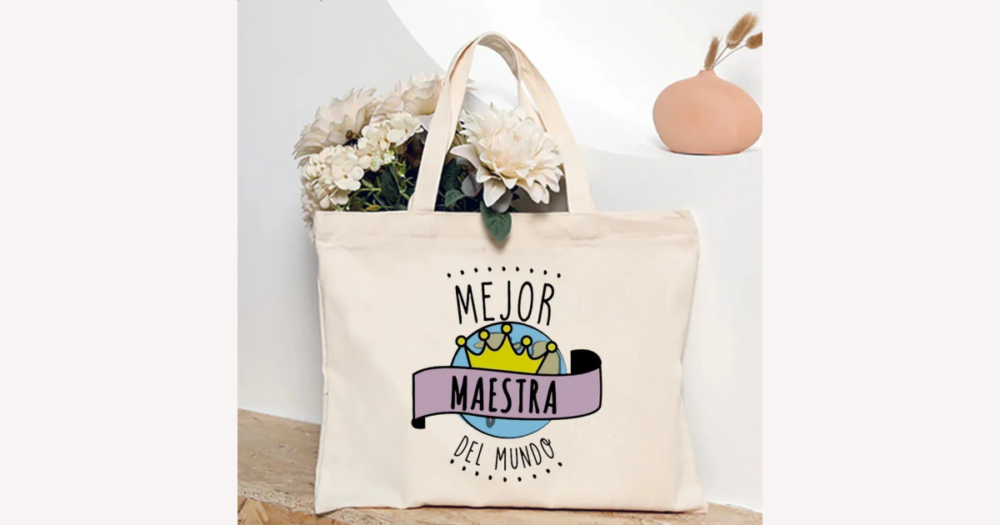
Not really—the core checks stay the same. Treat a printed or personalized “teacher” design as a style choice and still review dimensions, compartments, materials, stitching, and seller history using the same checklist. The only extra considerations are how added panels or printing might affect the bag’s weight, flexibility, and appearance over time, especially if the print sits where the bag creases or rubs most during daily use.
How can I tell if a tote from DHgate can carry my laptop safely?
Start with numbers, not photos. Compare the listing’s internal dimensions and any stated laptop sleeve size directly to your device’s measurements, allowing a little margin for a case or sleeve. Check whether the compartment holding the laptop is padded, how the bottom of the bag is constructed, and what closure it uses—a full zipper or secure flap keeps a laptop safer in crowded hallways than an open top. If the sizing or padding details are vague, I would treat that as extra risk and look for a listing with clearer specs.
What should I do if a DHgate seller doesn’t reply to my pre-purchase questions?
Silence is a reliability signal. If a seller doesn’t respond to reasonable questions about dimensions, materials, or shipping, it suggests limited responsiveness if something goes wrong later. Personally, I would avoid that listing and choose a bag from a seller with clearer information, active feedback, and signs of engaged communication, even if the price is slightly higher—that trade-off usually makes it easier to resolve issues through DHgate if they arise.
Does ordering multiple bags in one DHgate order change shipping costs or duties to Canada?
It can. Combining items may change the parcel’s weight, shipping method, and declared value, which can affect total shipping charges and whether import taxes or handling fees apply. Because these rules depend on DHgate’s current policies and Canadian customs thresholds, check the shipping cost breakdown in your cart and review up-to-date DHgate help and official Canadian customs information before confirming a larger order.