
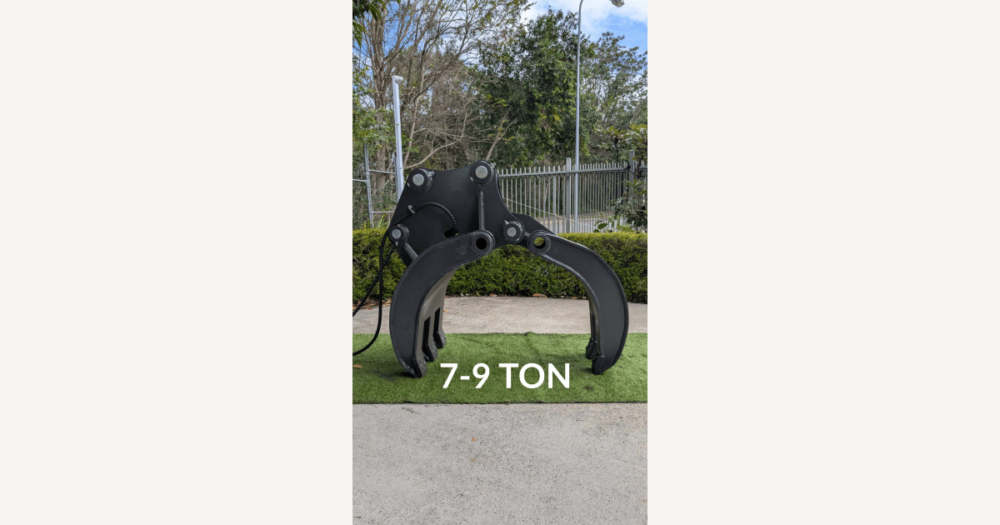
If you work in rocky Australian soils, the right hydraulic rock grab is one that genuinely fits your excavator’s tonnage, hitch and hydraulic circuit and is built from heavy-duty, rock-ready steel—not just whatever looks toughest in the photos. This guide uses DHgate as the example marketplace to show how to match grab specs to your machine, read listings critically, and check seller, shipping and refund details before you commit to a high-value attachment.
What does the “best” hydraulic rock grab really mean for your excavator and worksite?
On DHgate, the “best” hydraulic rock grab for an Australian worksite is not a particular brand; it is one that matches your excavator’s tonnage, hitch/pin dimensions and auxiliary hydraulics, while being tough enough for regular rocky-soil work. Rocky ground and stone work put serious prying and impact loads through the fingers and frame, so an underspec’d grab can bend, crack or lose control of the load, while an oversize or hydraulically incompatible grab can overload the machine or be effectively unusable. I would rather pay more for a grab whose weight, pin sizes, hydraulic pressure/flow range and rock-ready design are clearly stated than gamble on a flashy attachment with vague “heavy-duty” wording. On DHgate, that means favouring sellers who publish full specs and clear policies; if steel quality, plate thickness or finger robustness are unclear for frequent rock work, I’d walk away. If your excavator mostly handles lighter debris or only occasional small rocks, you can reasonably consider simpler, lower-cost grabs, but the rest of this guide assumes you’re working in rocky soils often enough that fit and robustness are non‑negotiable.
How do rock-focused hydraulic grabs differ from general or log grabs?
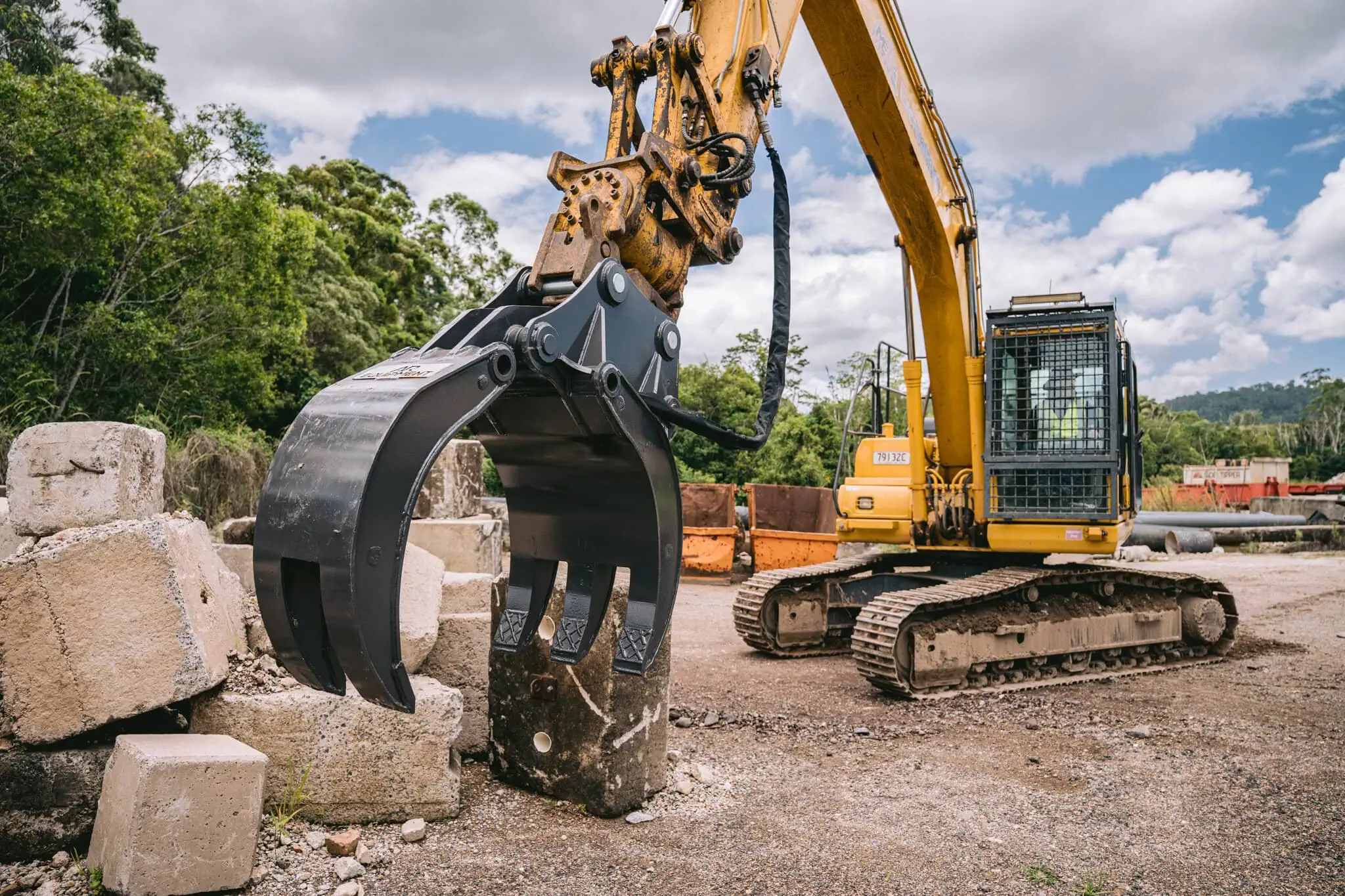
A rock-capable hydraulic grab with multiple close-spaced fingers clamped around irregular material, showing how the tighter layout and deeper jaw help cradle rocks.
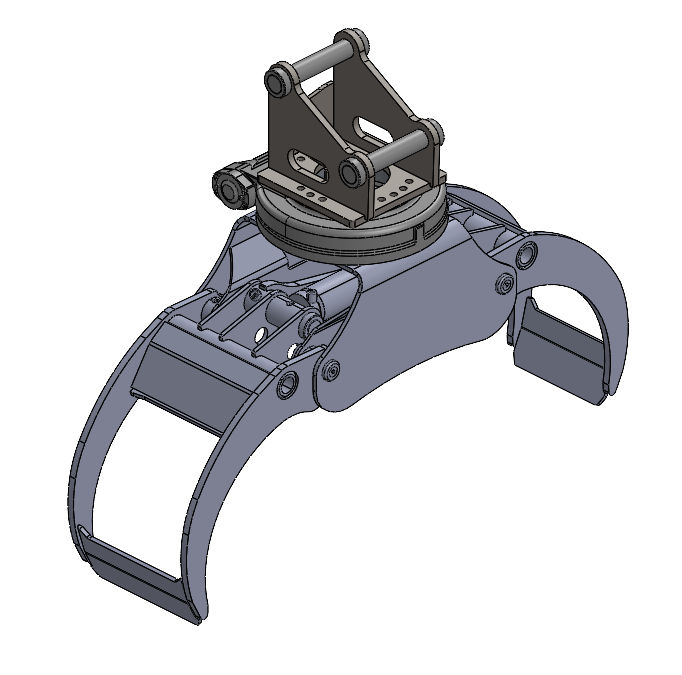
A rotating log grab with wider finger spacing holding timber, illustrating the more open jaw profile typical of log or general-purpose grabs.
Hydraulic grabs built for rocks usually reveal their purpose through the finger layout and jaw shape. You’ll often see a multi-finger, close-spaced design—commonly five fingers—with curved or profiled tips, serrations and a deeper, more cupped jaw that can cradle irregular stones instead of just pinching them. At the joints and crossbars, rock grabs tend to have thicker plates and obvious gussets or bracing around pivots, because those are the areas that see the most twisting and prying forces when you wrestle rocks out of compacted ground.
By contrast, many log or general-purpose grabs have fewer fingers, wider spacing and smoother tips, with a more open jaw profile that suits bunching and carrying logs or loose debris but gives less positive grip on uneven rocks. In rocky soils that combination can let stones roll or slip, forcing you to over-clamp or risk dropping the load. When you’re scanning DHgate listings, treat the photos and drawings as a blueprint: look for tight spacing, profiled tips, a cupped jaw and visible reinforcement, and don’t assume labels like “universal” or “multi-purpose” mean a grab is truly rock-oriented if the design itself says otherwise.
Video example of an excavator using a hydraulic grab to pick, hold and place material, showing how finger spacing and jaw profile affect control during lifting, slewing and placement.
Matching grab size, hydraulics and configuration to your excavator
- Confirm your excavator’s tonnage class and the manufacturer’s maximum attachment weight from the plate or manual. Only consider hydraulic rock grabs whose stated tonnage range and own weight sit comfortably inside those limits so you maintain stability and stay within the lifting chart, especially when slewing or working on uneven, rocky ground.
- Match the grab’s hydraulic requirements to your auxiliary circuit. Compare the listing’s recommended operating pressure and flow with the excavator’s auxiliary specs, and avoid grabs that demand more than the machine can supply or that would force you to run at very low pressure; otherwise the grab may clamp weakly, move slowly or stall under load.
- Check mechanical fit in detail: pin diameter, pin centres, pin width and hitch style must all line up with your coupler or direct-mount setup. Factor in configuration as well—twin-ram and higher‑finger‑count grabs usually weigh more and can draw more oil, so they need sufficient hydraulic capacity and may push you closer to the attachment weight limit than a simpler single‑ram design.
- Treat any mismatch as a hard stop, not a minor inconvenience. An oversize or too‑heavy grab can overload the boom or slew ring, feel unstable when lifting rocks and breach safety limits; an undersized or hydraulically mismatched grab may barely clamp, chatter or stall, turning into an expensive but useless attachment. Prioritise accurate fit and hydraulic compatibility over extra features or a tempting price, especially if you’ll be working in rocky soils day in, day out.
Material and build quality: what makes a grab truly rock-ready?
Once you’ve confirmed that a grab fits your excavator, the next question is whether it’s actually built for rock. Strong material signals include mentions of high‑strength or alloy steel and abrasion‑resistant wear plate used together with visibly thicker plates and bracing on the fingers and main frame. In practice, rock‑ready grabs tend to look more substantial around the arms and body, with extra gussets and crossmembers rather than thin, unbraced plates that can twist under prying loads.
Durability in rocky soils also depends heavily on how the structure handles repeated clamping and side loads. Reinforced pivots, bushings and crossbars help spread forces and resist bending, while substantial gussets around the joints reduce the chance of cracking where fingers meet the frame. Replaceable tips or wear pads on the fingers are another good sign: they take the brunt of abrasion against stone and can be renewed instead of wearing through the main structure.
By contrast, listings that lean on generic phrases like “heavy‑duty” or “rock‑ready” but say little about steel type, plate thickness or reinforcement leave a lot of uncertainty for regular rocky‑soil work. On DHgate, I would treat detailed, consistent material and build specs—showing plate thicknesses, steel descriptions and clearly reinforced joints—as far more trustworthy than vague claims. If the steel quality or structural robustness is unclear and you plan to handle rocks often, it’s better to walk away or ask targeted questions than assume the grab will cope. Lighter, less reinforced designs may still be reasonable for occasional rock handling or softer ground, but for frequent rocky work, any doubt about the build is a real risk rather than a minor detail.
Five-finger vs three-finger, universal vs rock grabs, single vs twin ram: key trade-offs
| Configuration type | Grip and control on rocks | Dumping speed and cycle behaviour | Weight and hydraulic complexity | Typical suitable tasks |
|---|---|---|---|---|
| Five-finger rock grab (rock-oriented jaw) | Very secure hold on irregular stones; close finger spacing and deeper jaw cradle rocks, especially on slopes and uneven ground. | Tends to dump more slowly; tighter spacing can trap fines and small rubble so cycles feel more deliberate than quick. | Generally heavier with more structure, and may use more hydraulic capacity; must stay within the excavator’s weight and flow limits. | Frequent heavy rock handling, precise placement and sorting in rocky soils. This is what I would lean toward for regular rock work when the machine can safely support it. |
| Three-finger or wide-jaw universal grab | Reasonable grip on larger blocks but less secure on small or awkwardly shaped rocks; more chance of pieces slipping or rolling. | Opens wide and sheds material quickly, giving faster dump cycles and good productivity with mixed loads. | Usually lighter and simpler, with less steel and a straightforward hydraulic setup. | General site clean-up, mixed debris and occasional rock work where speed matters more than maximum control. I’d consider this for lighter-duty rocky jobs to keep cost and complexity down. |
| Twin-ram rock grab | Strong, more symmetrical clamping force and stable jaws under side loads; better control when placing or lifting heavy, uneven rocks. | Cycle speed can be slightly slower and more controlled; two rams add resistance and favour deliberate movements over rapid flinging. | Heavier head and more hydraulic components (extra hoses, ports, seals), increasing weight and system complexity. | Regular heavy rock lifts, work on uneven or sloped ground, and tasks where jaw stability is critical. I tend to prefer twin-ram designs for demanding rocky soils, provided the excavator’s hydraulics can comfortably drive them. |
| Single-ram hydraulic grab | Acceptable grip for many loads but the jaw can feel less stable on very irregular rocks; more chance of twisting under awkward side loads. | Simple, quick opening and closing with fewer parts, which can make cycles feel faster and more responsive. | Lighter and mechanically simpler, with fewer hydraulic connections and seals to manage. | Lighter debris, timber, and occasional rock handling where simplicity, lower cost and ease of maintenance matter more than maximum stability. I’d choose this when rock work is infrequent and the machine is smaller or has limited auxiliary hydraulics. |
Avoiding risky hydraulic grab listings and vague “heavy-duty” claims
- Treat any listing that relies mainly on glossy photos and broad phrases like “heavy-duty” or “rock-ready” but offers few hard specs as too uncertain for regular rocky-soil work.
- Expect core details to be clearly stated on a DHgate hydraulic grab listing: excavator tonnage range, grab weight, pin diameters and pin centres, hitch or hanger type, hydraulic pressure and flow requirements, number of fingers and rams, plus a steel description and indicative plate thickness.
- Recognise that missing, inconsistent or obviously copy‑and‑paste specs greatly increase the risk of mis‑fit at the hitch, poor hydraulic performance, instability under load or premature failure when handling heavy rocks.
- Use vague or partial specifications as a trigger to message the seller with targeted questions, and be prepared to avoid that listing entirely for demanding rocky work if clear answers are not forthcoming.
- Remember that even complete specs cannot guarantee build quality; for a heavy attachment, combine specification checks with DHgate ratings, reviews and dispute/refund terms, because a wrong‑fit or weak grab can be both unsafe and expensive to rectify.
Step-by-step: checking your excavator and DHgate listing before you buy
- Gather your excavator details from the plate and manual: make and model, tonnage, maximum attachment weight, auxiliary hydraulic flow and pressure, hitch type, and pin diameters and centres.
- Review the DHgate hydraulic grab listing and confirm it states at least: recommended excavator tonnage range, grab weight, finger and ram configuration, hydraulic pressure/flow requirements, pin sizes and spacing, hitch compatibility, steel description and indicative plate thickness.
- Compare every listing spec with your excavator data, noting any mismatched tonnage or attachment weight, incompatible pin or hitch dimensions, or missing hydraulic requirements, and treat these as issues to resolve before you buy.
- Send a concise message to the DHgate seller with targeted questions: ask whether the grab is suitable for frequent rock handling, confirm steel type and plate thickness, verify which components are included (pins, bushings, hoses, couplers), and clarify shipping, crating and basic installation expectations for the heavy attachment.
- Only proceed to place an order once you have written confirmation that the grab fits your exact excavator setup and intended rocky-soil use, and that key components and terms are clearly documented; for regular rock duty, I would not skip these checks even for a convincing listing, while lighter, occasional rock work might justify a simplified version of this process as long as basic fit is still confirmed.
Checking DHgate seller reliability and transaction safety for heavy attachments
Once you are confident a hydraulic grab technically fits your excavator, treat the DHgate seller and transaction with the same scrutiny. Start by reviewing the seller’s ratings, number of completed transactions and the substance of buyer reviews, paying particular attention to feedback on heavy equipment or other high-value items rather than only small consumer goods.
Read the product description closely and make sure it is detailed, internally consistent and aligned with the images and the answers you receive to your questions. Listings that repeat generic wording, contradict themselves or ignore key fit and material points suggest the seller may not fully understand the attachment they are offering.
Check the stated shipping methods, estimated delivery times and packaging notes for heavy items. A hydraulic rock grab should be securely crated or otherwise protected so it can withstand long transport without bent fingers or damaged hydraulic components; vague shipping descriptions are a reason to ask for clarification before paying.
Review the refund and dispute terms that apply on DHgate, including who would pay return freight if the grab is mis-described or does not fit, and what buyer protections cover damaged or incorrect goods. Make sure you are comfortable with the practical consequences if the order goes wrong, especially given the weight and cost of the attachment.
For a grab that will see regular rocky-soil work and represents a significant spend, favour established, well-reviewed DHgate sellers with clear descriptions and robust terms over newer or poorly rated sellers, even if that means paying a bit more. Sparse, inconsistent or heavily promotional listings should be treated with extra caution for heavy attachments where a bad order is expensive and difficult to fix.
Do you really need a hydraulic rock grab, or would a mechanical grab or thumb do?
A hydraulic rock grab is worth the extra complexity when you regularly handle heavy, irregular rock loads and need precise control from the cab—think building retaining walls, placing boulders, or sorting demolition rubble in rocky soils. Powered, adjustable clamping lets you pick, rotate and place rocks with much finer control and quicker cycles than relying on bucket motion alone.
Mechanical grabs and excavator thumbs are simpler and usually cheaper, but they depend on bucket movement or gravity to hold material. That can be perfectly adequate for occasional smaller rocks, mixed light debris or rough loading where speed and pinpoint placement matter less. If you choose a mechanical grab or thumb, go in expecting slower, less controllable handling of awkward rocks; for frequent, heavy rocky-soil work where control and durability really matter, I would prioritise a hydraulic rock grab instead.
Common edge questions about hydraulic rock grabs and excavators
Can a mini-excavator safely run a hydraulic rock grab?
Yes, but only within the limits the mini-excavator manufacturer specifies for attachment weight and hydraulics. Check your manual and lifting charts for maximum attachment mass and auxiliary flow/pressure, then only consider rock grabs whose stated weight and hydraulic requirements sit clearly inside those limits. On DHgate, treat any grab that looks large or heavy for a mini, or lacks clear tonnage and hydraulic specs, as a reason to stop or ask detailed questions. Never assume a grab is suitable just because the mounting looks similar; if the manual or supplier can’t confirm it fits and stays within safe capacities, don’t run it.
When do I need adapters or a custom hitch for a hydraulic rock grab?
Adapters or custom hitches are usually needed when your excavator’s pin diameters, pin centres or hitch style don’t match the grab’s hanger, or when you’re mixing brands and generations that were not designed to be directly compatible. If a DHgate listing’s pin sizes or hitch description differ from your coupler, ask both your hitch supplier and the grab seller whether a dedicated adapter exists and whether it keeps you within the machine’s rated limits. Avoid homemade or unapproved modifications: any change to pins, hangers or hitch geometry should be signed off against the excavator manufacturer’s guidance and the grab supplier’s recommendations, not guessed from photos.
How should I factor in future uses like demolition or material sorting when choosing a rock-oriented grab?
If you expect to use the grab beyond pure rock handling—such as light demolition, sorting rubble or general site clean-up—lean toward a rock-oriented design with a versatile jaw shape and robust build rather than the most specialised, narrow-purpose option. Close finger spacing and a cupped jaw help with both rocks and mixed debris, and extra reinforcement and wear parts are valuable in demolition where impacts and abrasion are higher. However, future tasks still have to stay within your excavator’s attachment weight limits and hydraulic capacity. Before ordering on DHgate, describe your likely uses to the seller and ask them to confirm that the grab is suitable for those tasks with your specific machine; if the answers are vague or conflict with your manual, treat that as a warning rather than stretching the grab’s role on assumption.