
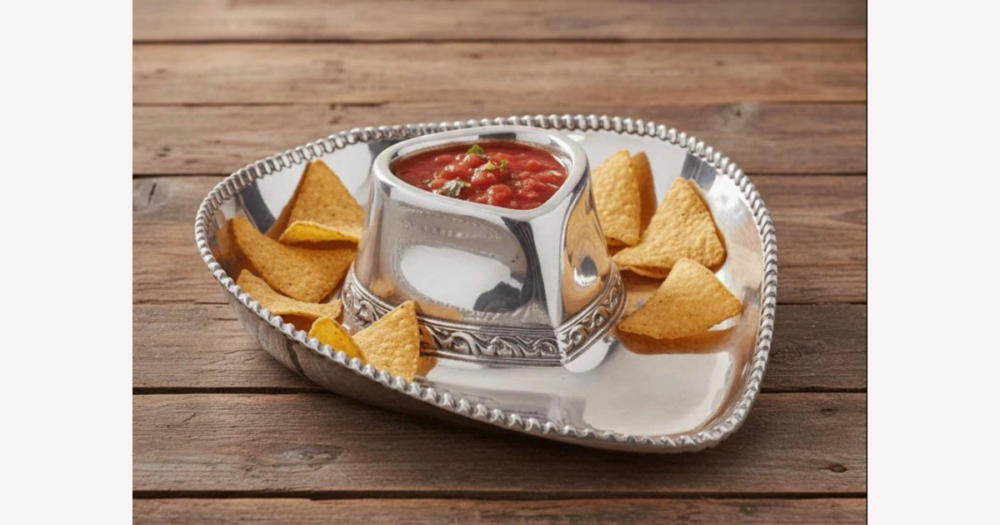
If you want a cowboy hat chip and dip bowl from DHgate that survives more than one party, focus less on “lifetime” marketing language and more on what you can actually verify: the material, wall thickness, finish quality, and the seller’s track record. This guide shows you how to read those signals in listings, photos, and reviews so you can balance fun design with real durability.
What actually makes a cowboy hat chip and dip bowl durable?
On DHgate, a cowboy hat chip and dip bowl’s durability depends on what it is made from and how it’s built, not on whether the listing calls it “handcrafted” or “made to last a lifetime.” The real durability signals are a clearly stated, appropriate material, walls that look thick enough not to flex or chip easily, a smooth, even finish, and a seller with a proven track record of delivering decent-quality items.
Since you can’t handle the bowl in person on DHgate, you’re mostly inferring these qualities from the listing. Pay attention to the material label (ceramic, stoneware, melamine, wood, metal, etc.), how solid or thin the brim and crown look in photos, and any close‑ups of rims and the base that show whether edges are clean and the glaze or coating is even. Then check the seller’s ratings, review volume, and buyer photos for signs that they aren’t regularly shipping bowls with cracks, rough spots, or warped shapes.
I personally would choose a simpler, clearly specified bowl from a seller with strong reviews over an intricate hat design made from vague “resin” or “plastic” with few photos and mixed feedback. The ornate piece might be fine as a one‑off decorative centerpiece if you handle it very gently, but it’s a risk if you expect it to survive many parties and repeated washing.
The rest of this guide examines those factors in more detail: how different materials behave, which craftsmanship cues you can see in photos, how to read size and layout, and how to apply DHgate‑specific checks, risk warnings, and reviews so you can judge whether a cowboy hat bowl will actually hold up the way you need.
Choose the right bowl material for how you’ll use it
| Material | Durability tendency | Weight feel | Typical care notes | DHgate listing watchpoints |
|---|---|---|---|---|
| Ceramic / stoneware | Hard and generally chip‑resistant in normal use, but can crack or break if dropped or if thin areas are poorly fired. | Moderate to heavy; a large cowboy hat shape can feel quite substantial. | Often safe for hand washing; some pieces may be dishwasher‑safe if clearly labeled. Avoid sudden temperature shocks. | Check that the listing shows thickness along the brim and crown, not just the outside surface. Prefer clear “stoneware” or “ceramic” labels over vague “craft” ceramics, and look for reviews mentioning chips or cracks. Treat very cheap, thin‑looking bowls cautiously. |
| Porcelain | Smooth, refined finish but usually more brittle than dense stoneware; chips and cracks more easily if edges are thin. | Moderate; can feel lighter than rustic stoneware at the same size. | Commonly marked dishwasher‑safe, but verify symbols. Avoid impacts and stacking that could chip the hat brim. | Look for close‑up photos of rims to see whether they’re substantial or razor‑thin. Be cautious if the listing emphasizes delicate decoration but never mentions thickness or care instructions. |
| Wood / bamboo | Won’t shatter like ceramic, but can warp, crack, or split if soaked or left wet; finish quality matters for longevity. | Generally light to medium; easy to carry even in larger hat shapes. | Almost always hand‑wash only, quick rinse and dry. Avoid soaking, dishwashers, and microwaves. | Prefer listings that mention food‑safe finishes and show smooth, sealed surfaces, especially inside the crown and dip area. Vague “wood craft” with no care notes or buyer photos is a red flag if you expect frequent use. |
| Melamine and other rigid plastics | Resists breakage and chipping; can scratch or show wear over time, especially with abrasive cleaning. | Light to medium, good for parties where the bowl will be moved around. | Usually top‑rack dishwasher‑safe; generally not microwave‑safe. Check for explicit symbols or text rather than assuming. | Look for “BPA‑free” and clear melamine labeling rather than generic “plastic.” Avoid listings where the hat shape looks very thin or flimsy at the brim, or where reviews mention warping or strong chemical smells. |
| Metal (e.g., stainless steel, aluminum) | Very resistant to breakage; stainless steel holds up well to frequent use, while thin aluminum can dent. | Often lighter than ceramic but heavier than thin plastic; feel varies by gauge. | Many stainless bowls are dishwasher‑safe; aluminum may be hand‑wash recommended. Avoid abrasive cleaners that scratch finishes. | Seek clear material labels like “stainless steel” and notice how the brim and crown are formed—deep, crisp shapes in thin metal may dent more easily. Be cautious with mixed‑material listings that combine thin metal with weak welds or rivets. |
| “Resin” / mystery plastic | Durability is highly variable: some resin pieces are solid, but many novelty items are thin and more decorative than functional. | Usually light; very light weight can signal thin walls and lower impact resistance. | Care instructions are often vague; safest assumption is gentle hand washing and no microwaves or dishwashers unless explicitly allowed. | Treat vague “resin,” “environmentally friendly material,” or generic “plastic” labels as caution signs. Without clear material specs, close‑up photos, and positive reviews, assume the bowl is decor‑level and may not tolerate heavy use or rough handling. |
For repeated parties where the bowl will be loaded up, carried around, and washed often, I would lean toward dense, well‑fired stoneware or quality melamine. Both can feel reassuringly solid without being so heavy that a large cowboy hat shape becomes awkward to handle.
By contrast, ultra‑light mystery plastic or vaguely labeled “resin” cowboy hat bowls on DHgate are best treated as decorative props unless the photos clearly show substantial wall thickness and smooth finishing and reviews back that up. If the material description is incomplete, generic, or inconsistent with the photos, that’s a good reason to slow down, ask the seller questions, or simply skip that listing in favor of one with clearer specs.
Spot signs of solid craftsmanship from photos and descriptions
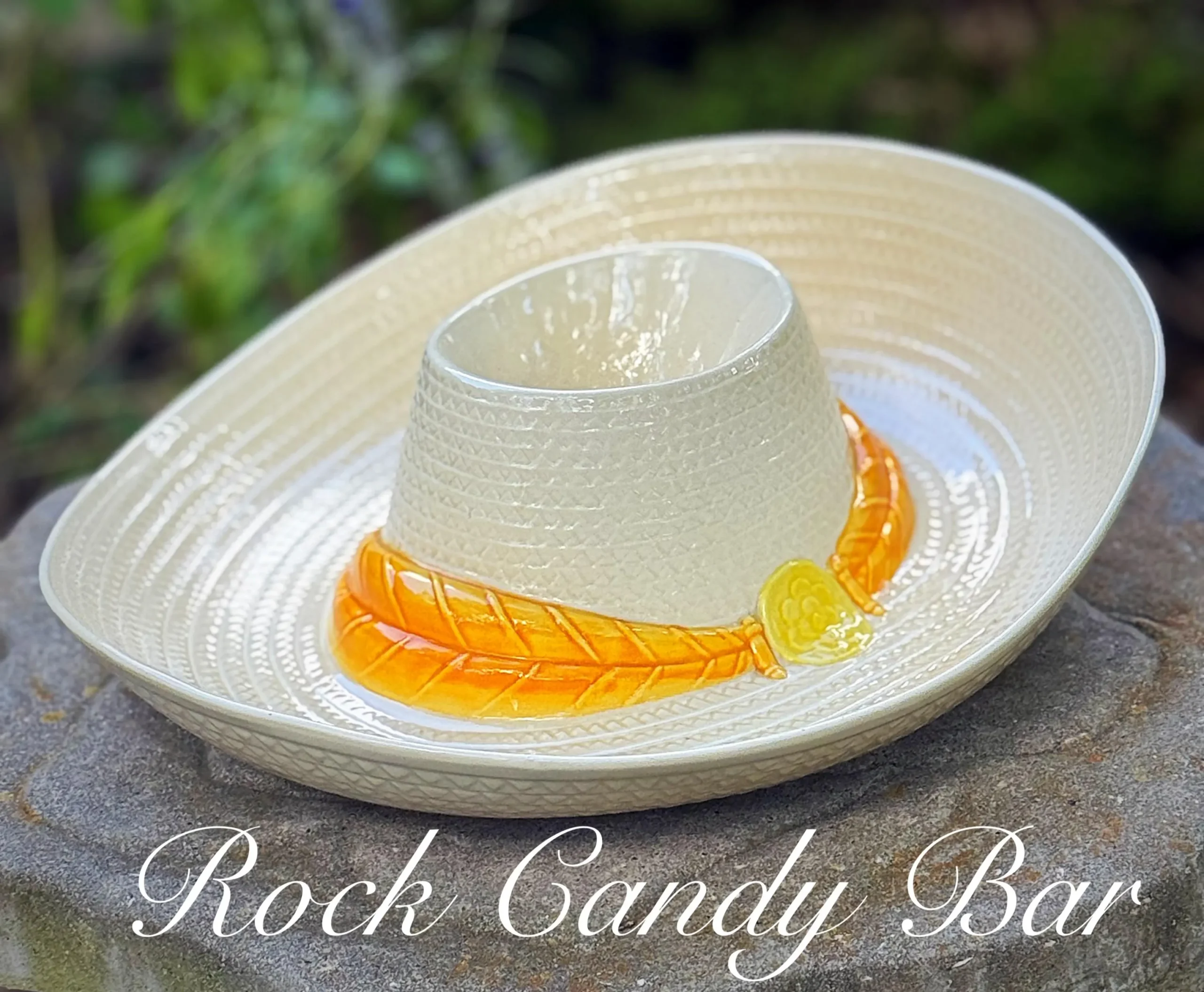
In a cowboy hat chip and dip bowl, focus on the wide brim where the chips sit, the raised crown that usually holds the dip well, the inner walls around that well, and the underside base. When you compare DHgate photos to this structure, check that the brim and crown walls look reasonably thick, rims appear smooth rather than sharp, and the base looks broad enough that the bowl won’t wobble when loaded.
Better craftsmanship shows up first in how the bowl is shaped and finished. In photos, walls around the brim and crown should look consistently thick instead of thinning out near the edge, and the rim should appear clean and rounded rather than sharp or jagged. The base should look flat and wide enough that the hat doesn’t lean or wobble, and the transitions between crown, brim, and dip well should be smooth and well defined rather than lumpy or distorted.
Finishing details vary by material but follow the same logic. On glazed ceramic or stoneware, a durable bowl usually has an even glossy coat without obvious bare patches, drips, cracks, or bubbles—especially inside the dip area where food sits. On wood or bamboo, look for smooth sanding, no splinters around the rim, and a sealed surface that doesn’t show raw, porous patches. On plastic or melamine, clean surfaces with minimal mold lines or seams and no rough flashing along the brim or base generally signal better molding quality.
On DHgate, you have to infer most of this from photos and comments. Zoom into every angle you’re given, especially close-ups of the rim, interior, and underside. Buyer-uploaded photos are valuable because they often reveal chips, uneven thickness, or sloppy finishing that the main listing images hide. I would rather choose a slightly simpler cowboy hat design with multiple sharp, unfiltered close-ups showing solid rims and a stable base than a more dramatic shape presented only in heavily edited glamour shots and vague descriptions.
Match bowl size and layout to your table and guests
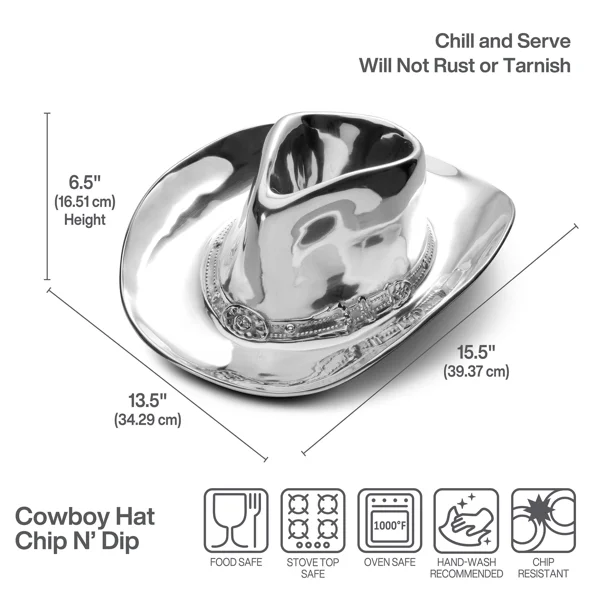
Use a dimension listing such as 15.5 × 12 × 5 inches to picture the bowl: the longer number usually covers front-to-back length along the brim, the shorter number the side-to-side width, and the smallest number the overall height from table to crown. The dip well depth sits inside that height, so a taller crown generally means more room for dip, while a wide brim increases chip capacity and table footprint.
When you see dimensions like 15.5 × 12 × 5 inches on a DHgate listing, treat the longest number as the front-to-back length of the brim, the next as the side-to-side width, and the smallest as total height. Compare those numbers to a tray or platter you already own to decide whether the hat will dominate your coffee table or fit comfortably on a buffet. Then think about how many guests you usually serve: bigger parties need a brim that’s both wide and reasonably deep, not just a large footprint on paper.
Layout matters as much as raw size. Many cowboy hat bowls use a single dip well in the crown, with chips spread around the brim; others divide the brim into compartments. A very shallow brim may look impressive but barely hold a layer of chips, while a tiny crown well can be annoying if you like thick queso or chunky salsa. A deeper, more compact hat can quietly serve more people without swallowing the whole table, especially if the brim walls are high enough to keep chips from sliding off.
Practicality extends to storage and weight. A very large, heavy bowl can be durable but awkward to carry when full and difficult to fit into cabinets or dish racks. At the other extreme, a very small novelty hat may delight a few guests and disappoint at a larger gathering. DHgate listings sometimes give only one dimension or use phrases like “about 30 cm”; treat that kind of vague or incomplete size data as a warning sign, and, if the bowl’s capacity really matters for your party, ask the seller for exact length, width, and height before you commit.
Run a DHgate listing through this durability checklist
- Confirm the material first. Look for a clear label such as “stoneware,” “ceramic,” “stainless steel,” or “melamine,” and any mention of thickness or weight (e.g., “heavy,” “thick walls”). Treat listings that only say “plastic,” “resin,” or “environmental material” with no detail as decor-level pieces unless you’re comfortable with a light, potentially brittle bowl.
- Scrutinize every product photo. Zoom in on the brim and crown rims to see whether the walls look reasonably thick, check that edges appear smooth rather than sharp or uneven, and make sure the base looks wide and flat enough not to wobble. Avoid bowls where reflections, filters, or styling make it hard to judge thickness or finish.
- Scan buyer-uploaded photos and comments. Look for mentions of sturdiness, chips or cracks on arrival, warping, peeling or faded paint, and color or gloss that looks different from the listing images. Treat repeated complaints about breakage, rough edges, or flimsy feel as a sign that the bowl won’t hold up to regular serving and washing.
- Assess seller reliability through DHgate’s metrics. Prefer sellers with a solid overall rating, a meaningful number of completed transactions, a high proportion of positive reviews, and detailed comments mentioning accurate descriptions and good packaging. I would favor a seller with consistent, specific feedback over one with a sparse or generic review history, even if the latter is slightly cheaper.
- Review shipping, return, and dispute terms before you commit. Check estimated delivery times, who pays return shipping, and how refunds are handled. Because cross-border returns can be inconvenient, know how DHgate’s dispute process works and what photo evidence you would need if the bowl arrives damaged, obviously thin or brittle, or clearly different from the listing description.
Watch for common novelty-bowl durability traps
Use reviews and seller responses to verify durability claims
On DHgate, buyer reviews and seller responses are the closest thing you have to real-world durability evidence. Start by scanning the feedback for specific mentions of thickness, weight, sturdiness, chips or cracks on arrival, and how the finish looks after a few washes or parties. Comments about the bowl feeling heavier or more solid than expected, surviving normal use without chipping, or keeping its color and glaze are more meaningful than generic “good quality” praise.
Prioritize reviews with clear photos. Look for close-ups of the rim, brim edge, crown walls, and base, both when the bowl is new and after some use. A cowboy hat bowl that still shows smooth rims, an intact finish, and a stable base in buyer photos is a better bet than one with only polished stock images. Pay attention to patterns: repeated reports of cracked bowls, broken deliveries, peeling paint, or rough, sharp edges matter more than one isolated complaint or one glowing review.
Use the Q&A section and seller responses to fill gaps. Questions about exact material (“stoneware vs. generic ceramic”), dishwasher or microwave safety, and food contact are important durability and safety signals. Clear, consistent answers that match the listing description and photos, written in understandable English or cleanly translated text, suggest a more reliable seller. Evasive replies, copy‑pasted slogans, or contradictions between answers and the main listing are warning signs that the bowl may not match expectations.
Personally, I would favor a bowl whose buyer photos and comments confirm solid material, decent thickness, and a stable finish over one with perfect studio images but almost no feedback. At the same time, a handful of positive reviews doesn’t guarantee every unit will be flawless, especially for novelty items. If reviews are sparse, vague, or leave basic durability questions—material type, thickness, care instructions—unanswered, treat the listing as higher risk and decide whether the cowboy hat novelty is worth accepting that uncertainty.
Turn durability criteria into a simple buying path
- Decide what matters most. If you want a long-term workhorse serving bowl, put sturdiness first; if you care more about easy handling or a dramatic centerpiece look, accept that you may be trading away some durability.
- For a durable everyday bowl, gravitate toward denser materials like stoneware or quality melamine, clearly thick walls, and practical dimensions that suit your usual gatherings. On DHgate, give priority to listings with close-up photos, detailed descriptions, and strong, specific reviews about sturdiness and finish, even if the design is simpler or the price a bit higher.
- For lighter or more decorative use, a thinner plastic bowl or more ornate painted finish can be acceptable if you mainly want visual impact. In that case, plan to hand wash gently, avoid high heat, and accept more wear or breakage risk rather than expecting it to behave like a heavy-duty serving piece.
- Overlay size and layout on your priority. Discard bowls whose brim footprint is clearly too small for your guest count or so large they’ll dominate your table, and avoid shapes that look awkward to store in your cabinets or fragile to stack.
- Once you have a short list that fits your material and size priorities, run each candidate through the same DHgate checks: confirm material and thickness from the description, scan photos for finish and base stability, review ratings and buyer images for durability patterns, and verify shipping, refund, and dispute terms. Only commit to a listing where the evidence and your expectations line up, whether you’re choosing a sturdy workhorse or a decor-forward cowboy hat bowl for occasional use.
Care, safety, and what to do if your bowl disappoints
Can I put a cowboy hat chip and dip bowl from DHgate in the microwave or dishwasher?
Never assume it is safe. Microwave and dishwasher suitability depends on both material and finish. Some ceramic or stoneware bowls are appliance‑safe, but only when the manufacturer explicitly says so. Melamine and many plastics are typically not microwave‑safe, and any metallic trim, luster glaze, or foil‑like decoration makes the bowl unsuitable for microwaves. Dishwashers can be fine for well‑made stoneware, porcelain, stainless steel, and some labeled plastics, but harsh cycles may fade painted designs or weaken borderline quality bowls. On DHgate, treat microwave or dishwasher use as off‑limits unless the listing clearly shows care symbols or text saying it is safe for that appliance.
What should I do if the DHgate listing is vague or silent about care instructions?
If care details are unclear, err on the side of protecting the bowl. Hand wash with a soft sponge, avoid abrasive cleaners, and skip the dishwasher and microwave. Don’t expose the bowl to sudden temperature changes, such as going straight from a hot oven or microwave into cold water, especially if it’s ceramic or stoneware. For resin, mystery plastic, or heavily decorated finishes, assume they are decorative and treat them gently until you’re confident they can handle more. You can also message the seller through DHgate to ask directly about dishwasher and microwave safety; if the reply is vague or inconsistent, keep using the bowl cautiously.
How does my care routine affect the durability of a novelty cowboy hat bowl?
Borderline‑quality bowls are most likely to fail when exposed to hard knocks, high heat, or aggressive cleaning. Regular dishwashing on hot cycles, soaking wood or bamboo, microwaving melamine or decorated plastic, or stacking heavy items on thin ceramic rims can all shorten the lifespan of the bowl. A gentle routine—hand washing, mild detergent, avoiding impacts and extreme heat—helps even a mid‑tier bowl last longer, and is especially important for novelty shapes with thin brims or elaborate finishes.
What can I do if my cowboy hat bowl arrives damaged or feels much flimsier than the DHgate listing promised?
Start by documenting the problem. Take clear photos of cracks, chips, warped shapes, peeling paint, or obviously thin walls, and keep screenshots of the listing’s images and description for comparison. Contact the seller through DHgate with specific notes on how the item differs from the listing or failed under normal use, attaching your photos. Be polite but firm about what you expected based on the description. If the seller doesn’t respond reasonably, open a dispute within DHgate’s allowed timeframe, upload your evidence, and refer to the original listing claims. Outcomes vary, but acting quickly and presenting clear, well‑organized proof of the mismatch or damage improves your chances of a refund or replacement.